Does Bologna Take Paint Off Cars? The Proven Danger
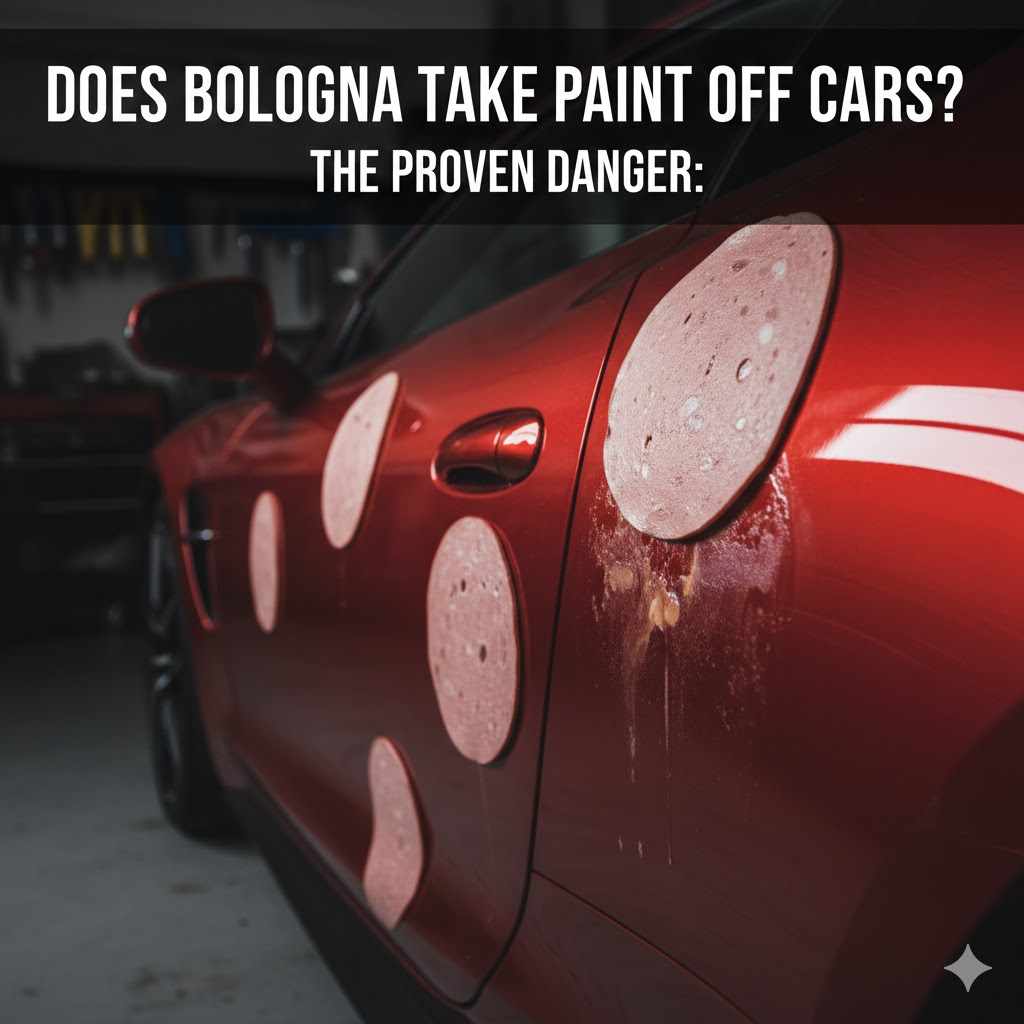
Yes, bologna can take paint off cars. The high levels of fat, salt, and acidic preservatives like nitrates in the meat can penetrate and weaken your car’s clear coat. When left in the sun, this process accelerates, causing permanent stains, etching, and paint damage that requires professional repair.
It sounds like a strange question, maybe even a silly one. Who puts bologna on a car? Unfortunately, it’s a common prank that can leave car owners with a serious and costly problem. You might think a slice of lunch meat is harmless, but it can cause real damage to your vehicle’s finish.
If you’ve found yourself in this frustrating situation, don’t worry. This isn’t just a weird stain; it’s a chemical reaction happening on your paint. In this guide, I’ll explain exactly why this happens and walk you through the simple, safe steps to fix it. We’ll cover everything from the science behind the damage to the best ways to protect your car in the future.
Why Does Bologna Damage Car Paint? The Science Explained Simply
To understand why bologna is so bad for your car, we need to look at what’s inside it. It’s not just the meat itself, but a combination of ingredients that creates a perfect storm for paint destruction. When these ingredients meet heat from the sun, the damage happens much faster.
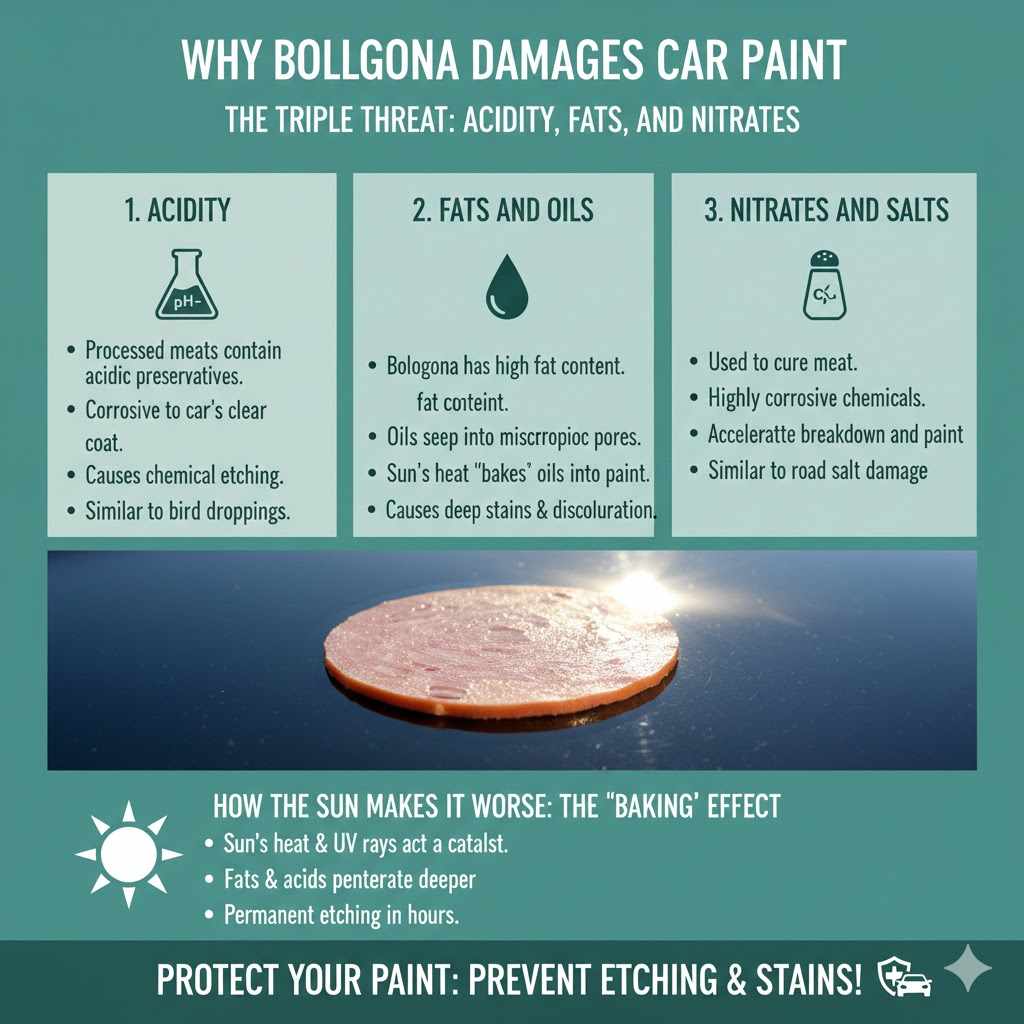
The Triple Threat: Acidity, Fats, and Nitrates
Your car’s paint has a protective top layer called a clear coat. Its job is to shield the colored paint underneath from sunlight, rain, and minor scratches. Bologna’s ingredients are experts at breaking down this protective layer.
- Acidity: Processed meats like bologna contain acidic preservatives to keep them fresh. These acids are corrosive. When they sit on your car, they start to slowly eat away at the clear coat, much like bird droppings or bug splatters do. This chemical process is called etching.
- Fats and Oils: Bologna has a high fat content. These oils are a major problem because they can seep into the microscopic pores of your car’s clear coat. When the sun heats the car, these oils are essentially “baked” into the paint, causing deep stains and discoloration that are very difficult to remove.
- Nitrates and Salts: To cure the meat, manufacturers use salts and nitrates. These chemicals are highly corrosive. Think about how road salt damages cars in the winter—the salt in bologna does the same thing on a smaller scale, accelerating the breakdown of your paint’s protective layers.
How the Sun Makes It Worse: The Bologna “Baking” Effect
If a slice of bologna lands on your car in a cool, shady garage, you might have some time to clean it off without issue. However, if it happens outside on a sunny day, the situation changes dramatically. The sun’s heat and UV rays act as a catalyst, speeding up the entire damage process.
The heat causes the pores in your car’s clear coat to expand, allowing the fats and acids from the bologna to penetrate even deeper. The UV radiation from the sun accelerates the chemical reactions, effectively baking the corrosive elements right into your vehicle’s finish. What might have been a simple surface stain can become permanent etching in just a matter of hours.
Identifying Bologna Damage on Your Car
The damage from bologna happens in stages. Catching it early is the key to preventing a costly trip to the body shop. Here’s what to look for at each stage.
Stage 1: The Initial Stain (Caught Within Hours)
If you find the bologna quickly, the damage will likely be minimal. At this stage, you’ll see:
- A greasy, discolored spot on the paint.
- A faint ring or outline where the edge of the lunch meat was sitting.
- The surface should still feel smooth to the touch.
At this point, the damage is mostly on the surface. The oils and acids haven’t had enough time to penetrate deeply. A proper wash is usually all you need to fix it.
Stage 2: Clear Coat Etching (A Few Days Later)
If the bologna has been sitting for a day or more, especially in the sun, you’ll start to see clear coat etching. This is when the acids have started to eat into the protective layer.
- The outline of the bologna will be more distinct and look dull or hazy.
- The paint inside the ring might look faded or cloudy.
- When you run your finger over the area, it will feel slightly rough or uneven compared to the surrounding paint.
This type of damage requires more than just a wash. You will likely need to use a clay bar or a light polishing compound to smooth out the surface again.
Stage 3: Paint Failure (Left for a Week or More)
If the bologna is left on the car for an extended period, the damage can become irreversible without professional help. The acids and fats will have worked their way completely through the clear coat and started attacking the color coat underneath.
- The paint is visibly discolored, often looking bleached or darker.
- The clear coat may begin to bubble, crack, or peel away.
- The area is severely rough and damaged to the touch.
At this stage, DIY fixes are no longer an option. The panel will need to be sanded, repainted, and re-coated by a professional auto body shop.
| Stage of Damage | Typical Timeframe | Appearance | Recommended Repair Method |
|---|---|---|---|
| Initial Stain | 0-12 hours | Greasy spot, faint outline, smooth surface. | Gentle hand wash with car soap. |
| Clear Coat Etching | 1-3 days | Dull/hazy ring, cloudy paint, slightly rough texture. | Wash, clay bar, and light polish. |
| Paint Failure | 1 week or more | Discolored paint, bubbling, peeling clear coat. | Professional repaint at a body shop. |
How to Safely Remove Bologna from Your Car’s Paint (Step-by-Step Guide)
If you’ve discovered bologna on your car, the most important thing is to act fast and follow the right steps. Rushing or using the wrong products can make the problem much worse. Here’s how to handle it safely.
Step 1: Gather Your Supplies
Having the right tools makes the job easier and safer for your paint. You don’t need anything fancy, just a few basic car care items.
- Two clean, soft microfiber towels
- A bucket of cool, clean water
- A pH-neutral car wash soap
- A soft wash mitt or sponge
- A quality spray detailer (also called a quick detailer)
- For stubborn stains: An automotive clay bar kit with lubricant
- For light etching: A light-duty polishing compound and a microfiber applicator pad
Step 2: Act Quickly and Gently
Time is your biggest enemy. As soon as you notice the bologna, start the removal process.
- Do not wipe or smear it. Wiping the bologna will spread the corrosive oils across a larger area of your paint.
- Gently lift it. Carefully peel the slice of bologna off the surface. If it’s dried on, you can spray a little water on it to help loosen it first. The goal is to remove the source of the damage without scratching the paint.
Step 3: The Initial Wash
Once the bologna is gone, you need to neutralize and remove the residue left behind.
- Mix your car wash soap with cool water in the bucket according to the product’s instructions.
- Dunk your wash mitt into the soapy water and gently wash the affected area. Use light, straight-line motions. Don’t scrub aggressively.
- Rinse the area thoroughly with clean water from a hose. Make sure all the soap is gone.
- Dry the area completely with a clean, dry microfiber towel.
Step 4: Assess the Damage
Now that the area is clean and dry, inspect it carefully in good light. Tilt your head to see it from different angles. Are you seeing a faint stain or a dull spot? Does the surface feel perfectly smooth? If it looks good as new, you’re done! If not, move on to the next step.
Step 5: Dealing with Lingering Stains (If Needed)
If a greasy or discolored stain remains, it means oils have bonded to the surface. A spray detailer or a clay bar can help.
- Try a Spray Detailer First: Spray a liberal amount of detailer onto the stain and let it sit for about 30 seconds. This can help break down and lift the remaining oils. Gently wipe it away with a clean microfiber towel.
- Use a Clay Bar: If the stain persists or the area feels rough, it’s time for a clay bar. A clay bar is a special putty that safely pulls contaminants out of your paint. For a great tutorial on how to use one, check out this guide from car care experts at Meguiar’s. Knead a small piece of clay until it’s flat, spray the area with clay lubricant, and gently glide the clay back and forth over the stain. You’ll feel it go from rough to smooth as it picks up the contaminants. Wipe the residue away when done.
Step 6: Fixing Minor Etching (For Advanced Beginners)
If you see a dull, hazy outline, you have light etching. This means the top-most layer of your clear coat has been damaged. You can often fix this with a light-duty polishing compound.
- Apply a small, pea-sized amount of polishing compound to a microfiber applicator pad.
- Working in a small 2×2 foot section, gently rub the compound into the paint using circular, overlapping motions with light pressure.
- After a minute or two, the compound will start to dry to a haze.
- Use a separate, clean microfiber towel to buff the haze away.
- Inspect your work. The dullness should be gone. If the etching is deep, you may need to repeat the process or consult a professional.
What NOT to Do When Removing Bologna
Knowing what not to do is just as important as knowing what to do. Avoid these common mistakes to prevent making the damage worse.
- Don’t Scrub or Scrape: Never use a brush, your fingernails, or a sharp object to remove dried-on bologna. This will guarantee deep scratches in your clear coat.
- Don’t Use Harsh Chemicals: Stay away from household cleaners, dish soap, rubbing alcohol, or all-purpose degreasers. These products are not designed for automotive paint and can strip your car’s wax and even damage the clear coat itself.
- Don’t Use Abrasive Sponges: The green or yellow sponges from your kitchen sink are too abrasive for car paint and will leave behind a web of fine scratches. Always use a soft microfiber wash mitt or towel.
- Don’t Wait: The longer the bologna sits, the more severe the damage will be. Procrastination is your paint’s worst enemy in this situation.
The Long-Term Damage: A Costly Prank
While it might seem like a harmless joke, leaving bologna on a car can lead to expensive repairs. The cost escalates quickly depending on how long the meat was left on the vehicle. Understanding these potential costs highlights why it’s so important to address the issue immediately.
| Damage Level | Typical Repair Needed | Estimated Cost Range |
|---|---|---|
| Minor Surface Stain | DIY wash and detail spray. | $0 – $20 (for supplies) |
| Clear Coat Etching | Professional paint correction (polishing/compounding). | $150 – $400 |
| Deep Paint Failure | Sanding, priming, and repainting the affected panel. | $500 – $1,500+ |
As you can see, a “funny” prank can easily turn into a repair bill that costs hundreds or even thousands of dollars. This is why taking preventative measures to protect your car’s paint is always a smart investment.
How to Protect Your Car Paint from Future Damage
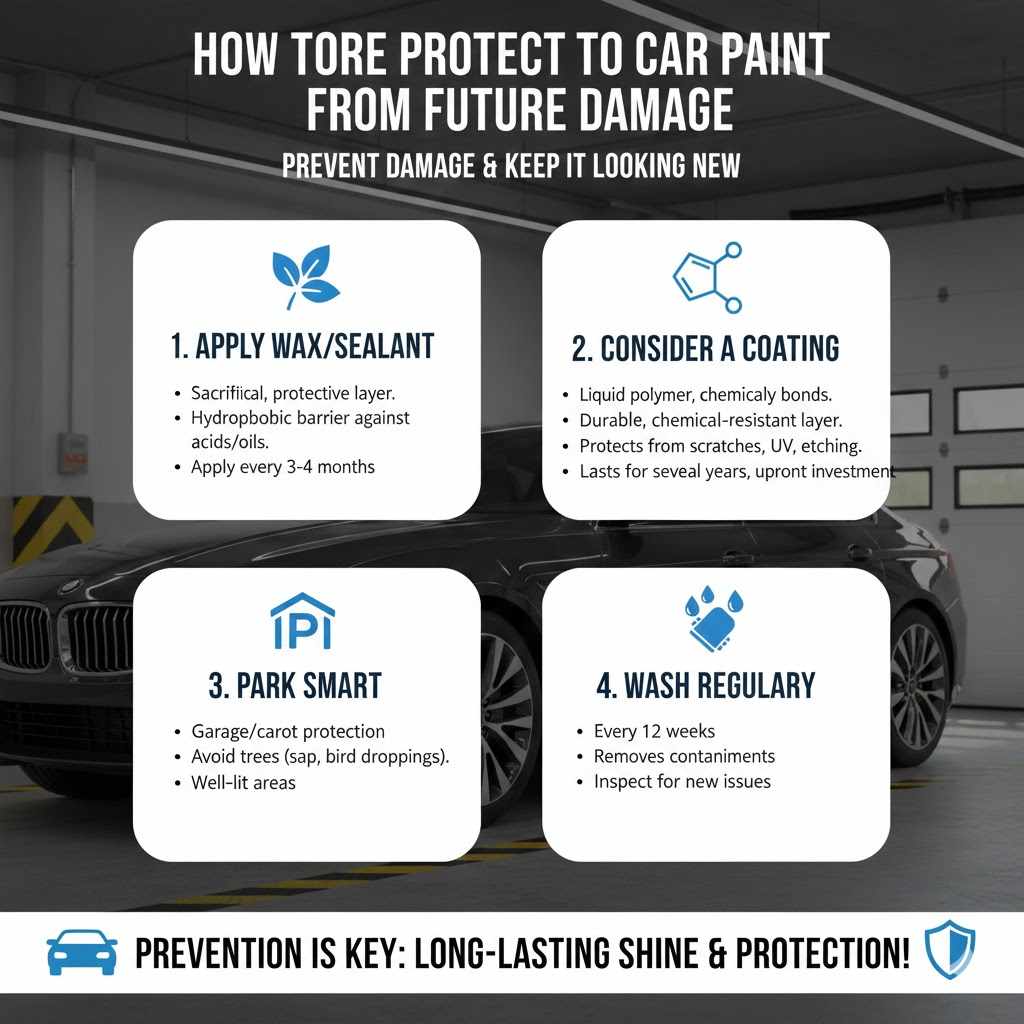
The best way to fix paint damage is to prevent it from happening in the first place. A well-protected paint job is much more resistant to damage from all sorts of environmental contaminants, including bologna, bird droppings, and tree sap.
1. Apply Wax or a Sealant Regularly
Think of wax as a sacrificial, protective layer for your car. It sits on top of your clear coat and takes the abuse so your paint doesn’t have to. A good coat of wax creates a hydrophobic barrier that prevents acids and oils from making direct contact with your paint. For most daily drivers, applying a quality carnauba wax or a synthetic paint sealant every three to four months is a great habit.
2. Consider a Ceramic Coating
For a higher level of long-term protection, a ceramic coating is the best option. A ceramic coating is a liquid polymer that chemically bonds with your vehicle’s factory paint, creating a durable and highly chemical-resistant layer of protection. According to the experts at Autogeek, these coatings can protect against minor scratches, UV rays, and chemical etching far better than traditional waxes. While it’s a more significant upfront investment, a professionally installed ceramic coating can last for several years.
3. Park Smart
Where you park can make a big difference. If possible, park in a garage or under a carport to protect your vehicle from the elements and potential vandals. If you must park on the street, try to choose well-lit areas. Avoiding parking under trees can also save you from damage caused by bird droppings and tree sap.
4. Wash Your Car Regularly
A simple, regular wash is one of the most effective things you can do for your car’s paint. Washing your car every week or two removes contaminants before they have a chance to bond to the surface and cause damage. It also gives you a chance to inspect your vehicle for any new issues, like a prank that needs to be cleaned up right away.
Frequently Asked Questions (FAQ)
Can other lunch meats like salami or ham damage car paint?
Yes, absolutely. Most processed meats contain a similar mix of fats, salts, and acidic preservatives that are harmful to automotive paint. Salami, pepperoni, ham, and turkey can all cause staining and etching, especially when left in the sun.
How long does it take for bologna to damage paint?
Damage can begin in just a few hours on a hot, sunny day. A visible stain or slight etching can appear in less than 24 hours. After a few days, the damage to the clear coat can become significant. If left for a week or more, it can cause permanent paint failure.
Will my car insurance cover damage from a bologna prank?
This type of damage would typically fall under the “vandalism” category, which is usually covered by the comprehensive portion of your auto insurance policy. However, you will have to pay your deductible. If the repair cost is less than your deductible, it may not be worth filing a claim.
Is it safe to use a pressure washer to remove the bologna?
It’s not recommended. A pressure washer can be too aggressive. It could potentially drive the oils and residue deeper into the paint’s pores. Worse, if held too close, a powerful stream of water can damage or even strip the paint itself. A gentle hand wash is always the safest method.
What if the paint is already peeling or bubbling?
If the paint is already physically failing—bubbling, cracking, or peeling—the damage is too severe for a DIY fix. Do not try to polish or scrub it, as this will only make it worse. At this point, your only option is to take the car to a professional auto body shop for repair.
Does the brand of bologna matter?
No, the brand doesn’t make a difference. The fundamental ingredients that cause the damage—fats, curing salts, and acidic preservatives—are present in virtually all brands of bologna and processed lunch meats.
Can I use Goo Gone or WD-40 to remove the stain?
It’s best to avoid these. While products like Goo Gone or WD-40 can break down grease, they contain harsh solvents that are not designed for automotive clear coats. They can strip wax and potentially soften or haze the paint. Always stick to products specifically made for automotive use, like a quality car detailer or bug and tar remover.
Conclusion: Your Paint’s Unlikely Enemy
It’s strange but true: a simple slice of bologna is one of the most bizarre and effective ways to ruin a car’s beautiful finish. The damaging combination of acid, fat, and salt, supercharged by the sun, can quickly turn a silly prank into a serious and expensive problem.
The good news is that now you are prepared. By acting quickly, using the right supplies, and following a gentle cleaning process, you can safely remove the residue and prevent lasting harm. And by keeping your car protected with a regular coat of wax or a modern ceramic coating, you give your paint the armor it needs to stand up to all kinds of unexpected threats.
Car care can sometimes feel overwhelming, but solving problems like this one is about having the right knowledge. You don’t need to be a professional mechanic to protect your investment. With these tips in hand, you can handle this odd situation with confidence and keep your car looking great for years to come. You’ve got this!