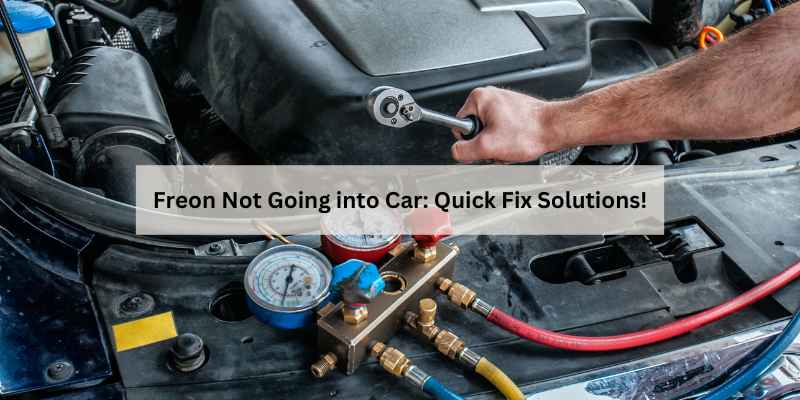
Freon Not Going Into Car? The Low-Pressure Switch Explained
Freon usually won’t enter a car’s AC system because the low-pressure safety switch is blocking the compressor clutch from engaging — a protective feature that prevents the compressor from running dry and destroying itself when refrigerant is critically low or the system is fully empty. Never jumper or bypass this switch to force refrigerant in; doing so risks compressor damage since low refrigerant almost always means low oil too.
This guide covers what actually blocks refrigerant from entering, how to safely add just enough Freon to trip the switch closed, and how to tell whether your system is simply low or genuinely empty and in need of a professional leak repair.
Quick Answer: If Freon won’t go into your car’s AC, the low-pressure safety switch is likely preventing the compressor clutch from engaging because refrigerant is too low to safely run the compressor. Connect your recharge kit to the low-pressure (suction) port and add a small amount — often just half a can (about 6 oz) — which is usually enough to raise pressure and trip the switch closed so the compressor kicks on. If the system shows near-zero static pressure after sitting for an hour, it’s likely fully empty from a leak and needs professional evacuation and repair, not just a top-off.
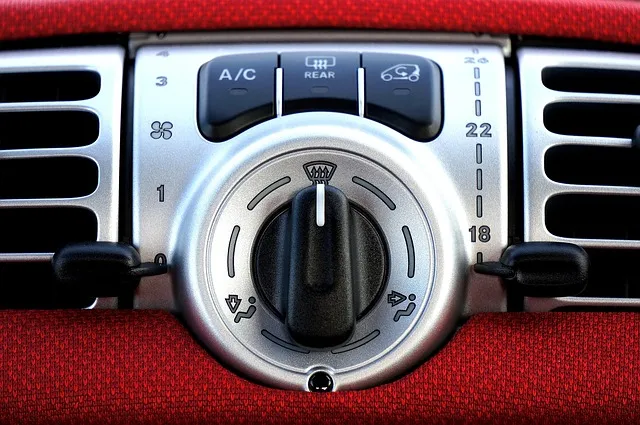
Introduction To Freon Issues In Cars
Low Freon levels can lead to several noticeable symptoms. The air conditioning may blow warm air instead of cool. Unusual noises from the AC system might occur. You may also see ice buildup on the AC components. These signs indicate a Freon issue that needs attention.
Freon plays a crucial role in vehicle cooling. It helps absorb heat from inside the car. This process keeps the cabin at a comfortable temperature. Without enough Freon, the cooling system cannot function properly. Regular checks can prevent major AC problems.
Common Reasons Freon Won’t Enter The System
Several reasons can cause Freon not to enter your car’s system. A blocked service port can stop the flow of refrigerant. Dirt or debris often causes this blockage. Check the port for any visible obstructions.
A faulty compressor may also prevent Freon from circulating. The compressor is vital for moving refrigerant through the system, and it needs its own lubricant to survive (see does a car AC compressor need oil). If it doesn’t work, Freon can’t flow properly.
Another reason is leaks in the system. Even small leaks can let refrigerant escape. Regularly inspect hoses and connections for any signs of damage.
Diagnose and Recharge Safely: Our Picks
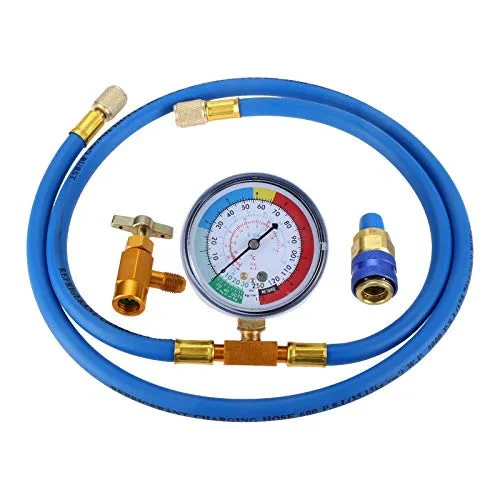
R134a Recharge Hose Kit with Gauge (Hero Pick)
Best for: Connecting to the low-pressure port and actually seeing the pressure reading instead of guessing.
Why we picked it: The built-in gauge shows exactly when pressure rises enough to trip the low-pressure switch closed — no more wondering if the compressor engaged.
Main drawback: A single analog gauge only reads low-side pressure, not a full diagnostic like a 3-way manifold set.
 UV Dye AC Leak Detector Kit Confirms whether a slow leak, not just low pressure, is why the system won’t hold a charge. Check on Amazon |
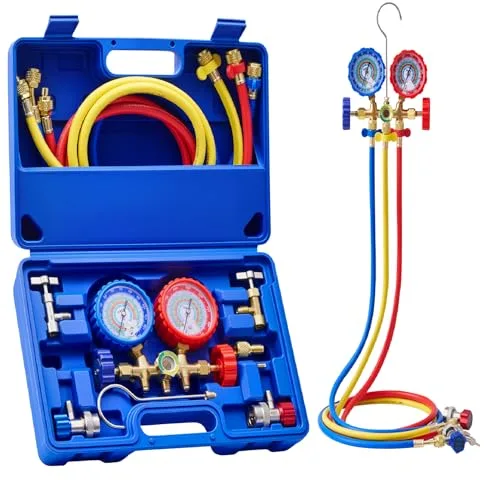 3-Way AC Manifold Gauge Set Reads both high and low side pressure at once — the clearest way to check the static-pressure test for a fully empty system. Check on Amazon |
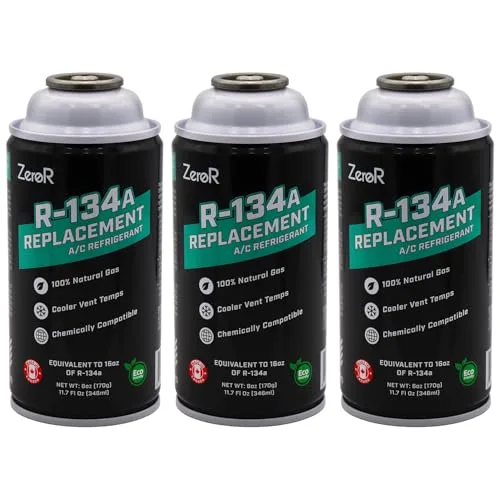 R134a Refrigerant, 6 oz Cans (3-Pack) Sized for exactly the small dose this guide recommends to trip the low-pressure switch closed, without over-filling. Check on Amazon |
As an Amazon Associate we earn from qualifying purchases.
The Low-Pressure Switch: Why “Won’t Accept Freon” Usually Means the Compressor Won’t Turn On
Most guides stop at “check for leaks or a bad compressor,” but the actual mechanism behind this complaint is usually simpler and more specific: your AC system has a low-pressure cutoff switch that will not let the compressor clutch engage if refrigerant pressure is too low. This is a deliberate safety feature — running a compressor with too little refrigerant also means too little oil, and an oil-starved compressor can seize in seconds. So when you connect a recharge can and nothing seems to flow, it’s often not that the port is blocked; it’s that the compressor simply isn’t spinning to draw the refrigerant in.
The fix is not to bypass or jumper this switch, no matter what a forum post suggests — that risks destroying the compressor. Instead, connect your recharge kit to the low-pressure (suction) port and add a small amount of refrigerant with the engine off; can pressure alone is often enough to raise system pressure past the switch’s threshold. Typically only about half a can (roughly 6 oz) is needed to trip the switch closed and let the compressor engage, at which point it can safely pull in the rest of the charge.
If adding that much still doesn’t engage the compressor, test whether the system is fully empty: let the car sit undisturbed for at least an hour, then check the static (engine-off) pressure. A reading near zero means there’s likely a significant leak and the system needs to be professionally evacuated, leak-tested, and recharged under vacuum — simply adding more Freon to an empty, leaking system won’t hold.
📊 Never jumper the low-pressure switch to force the compressor on — a system critically low on refrigerant is also critically low on the oil the compressor needs to survive, and bypassing this safety feature can destroy the compressor in seconds.
Safety First: Preparing To Handle Freon
Handling Freon safely is very important. The right safety gear protects you from harm. Always wear goggles to shield your eyes. Gloves are essential to keep your hands safe. A mask can help avoid inhaling fumes.
Check local regulations about Freon. Proper disposal is crucial to avoid harming the environment. Follow the rules to stay safe and legal. Training may be required for handling Freon. This helps ensure safety and compliance.
| Safety Gear | Purpose |
|---|---|
| Goggles | Protects eyes from chemicals |
| Gloves | Keeps hands safe from contact |
| Mask | Prevents inhaling harmful fumes |
Step-by-step Guide To Diagnosing The Issue
Start by checking the compressor. Ensure it is running when the AC is on. A faulty compressor may prevent Freon from entering the system. You can also check your Freon level yourself before assuming the compressor is at fault.
Next, inspect the AC system for leaks. Look for oily spots or hissing sounds. Use a UV dye or a leak detector for a thorough check.
Finally, evaluate the service port. Make sure it is not clogged or damaged. A blocked service port can stop Freon from flowing properly.
Quick Fix Solutions
Start by checking the service port. A blocked port can prevent Freon from entering the system. Use a clean cloth to clear any dirt or debris. This simple step can help restore flow.
For temporary fixes of leaks, use a sealant product. These products can help reduce Freon loss until a proper repair is made. Remember, this is not a permanent solution.
Refilling Freon is necessary when the AC system is low on refrigerant. Check the pressure levels regularly. If they are low, consider adding more Freon — our step-by-step recharge guide covers the full process. Always follow the manufacturer’s instructions for the best results.
Professional Intervention: When To Seek Help
Notice strange noises coming from the car? This might be a sign. Check for unusual smells too. These can indicate a problem with the air conditioning system.
Look for poor cooling performance. If the air isn’t cold, it’s time to act. Leaking refrigerant is another sign to watch for. A puddle under your car could mean trouble.
Finding a trusted mechanic is important. Ask friends for recommendations. Read online reviews to ensure quality service. A good mechanic will help solve the Freon issue quickly.
Preventive Measures To Avoid Future Issues
Keeping Freon levels in check is essential for car AC health. Regularly check the system for leaks. Look for signs like low cooling efficiency. Always follow the manufacturer’s maintenance schedule.
Consider these tips:
- Inspect hoses and connections for wear.
- Keep the AC system clean from debris.
- Change filters regularly to ensure airflow.
- Monitor the temperature settings and performance.
- Get a professional check-up at least once a year.
Freon monitoring can prevent bigger issues. Check levels every few months. This helps in maintaining optimal performance.
Maintaining a Cool Ride: Summary of Fixes
Keeping your car’s air conditioning system in good shape is crucial. Regular checks can help prevent issues with Freon levels. Ensuring the compressor works properly is essential. Inspect hoses and connections for leaks regularly.
Maintaining refrigerant levels is important for efficiency. Replace worn-out parts promptly to avoid bigger problems. Cleaning the condenser can enhance performance and keep things cool.
| Solution | Description |
|---|---|
| Check for Leaks | Look for any signs of refrigerant leaks. |
| Inspect the Compressor | Ensure the compressor is functioning correctly. |
| Replace Worn Parts | Change parts that are old or damaged. |
| Clean the Condenser | Remove dirt and debris from the condenser. |
Frequently Asked Questions
Why Is My Car Not Accepting Freon?
Your car may not accept freon due to a leak in the system, a clogged filter, or faulty components like the compressor. Low refrigerant levels can also prevent proper charging. Check for these issues before recharging your AC system. Regular maintenance helps avoid these problems.
Can You Recharge AC If The Compressor Won’t Engage?
Recharging the AC won’t work if the compressor won’t engage. First, check the power supply and fuses. Inspect the thermostat and any potential leaks. If issues persist, consult a professional technician to diagnose and repair the compressor. Avoid DIY fixes without proper knowledge.
Is It OK to Run Car AC When Low on Freon?
Running your car’s AC when low on Freon is not advisable. It can damage the compressor and lead to costly repairs. Always check Freon levels before using the AC. Regular maintenance ensures optimal performance and longevity of your vehicle’s cooling system.
How Do You Know If Your Car AC Is Clogged?
Signs of a clogged car AC include weak airflow, unusual noises, and unpleasant odors. You might also notice inconsistent cooling or ice buildup on the evaporator. Regular maintenance can help prevent clogs and ensure efficient AC performance. Check filters and ducts for blockages to keep your system clear.
Mobile AC technicians frequently report the same mistake from DIY customers: jumpering the low-pressure switch to force the compressor on, which lets it run without oil and seize within seconds — a $10 can of refrigerant turns into a $600+ compressor replacement.
Conclusion
Freon not entering your car’s AC system can lead to uncomfortable drives. Identifying the cause is crucial for effective repairs — especially checking whether the low-pressure switch is blocking the compressor before you keep adding refrigerant. Regular maintenance can prevent these issues. Always consult a professional for diagnostics and solutions. Keep your vehicle cool and efficient by addressing Freon problems promptly.
Enjoy a comfortable ride year-round.
Products related to this article
Sponsored / affiliate links. As an Amazon Associate I earn from qualifying purchases. I may earn additional commission from eligible campaigns.