How Long Can a Jack Hold a Car? Safety Information Explained
Figuring out How Long Can a Jack Hold a Car? Safety Facts can seem tricky, especially if you’re new to car maintenance. It involves knowing how jacks work and the dangers of using them incorrectly. Don’t worry, though! We’re going to break it down in a way that’s easy to grasp. We’ll explore the basics, common mistakes, and provide step-by-step instructions. Next, you’ll gain the knowledge to confidently and safely use a jack.
The Basics of Vehicle Jacks and Their Limitations
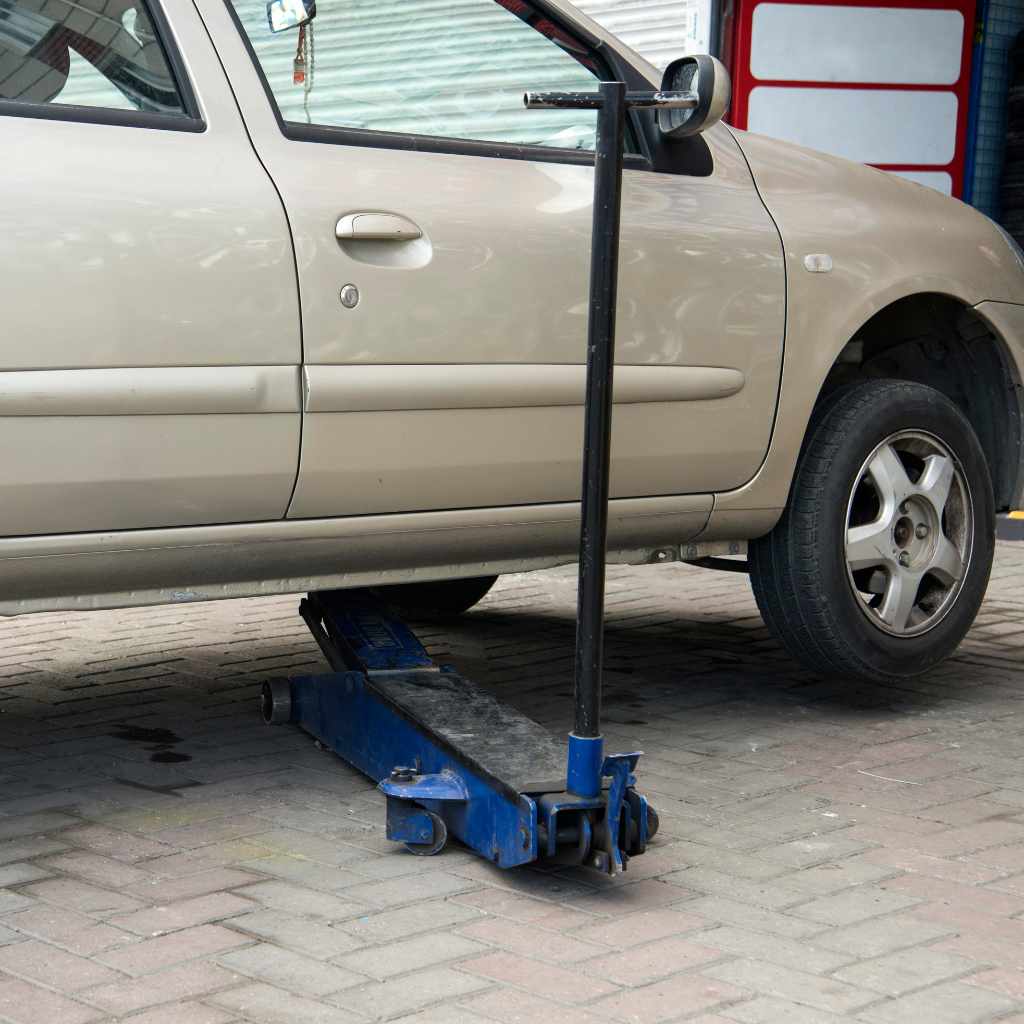
A car jack is a tool used to lift vehicles, usually to change a tire or perform minor repairs. However, jacks aren’t made to hold a car up forever. They are designed for temporary lifting, not long-term support. There are different types of jacks, including scissor jacks (often found with your car) and hydraulic jacks (typically used in garages). Each type has its own weight capacity, which you can find printed on the jack itself. Exceeding this limit is a severe safety hazard.
This section will explore the types of jacks and their typical lifting times. We’ll also examine the important things to consider when you think about using a jack. Remember, safety is always first. Learning how to properly use a jack, know its limitations, and what you must do when the vehicle is raised off the ground are all part of responsible vehicle maintenance.
Types of Jacks and Their Weight Capacities
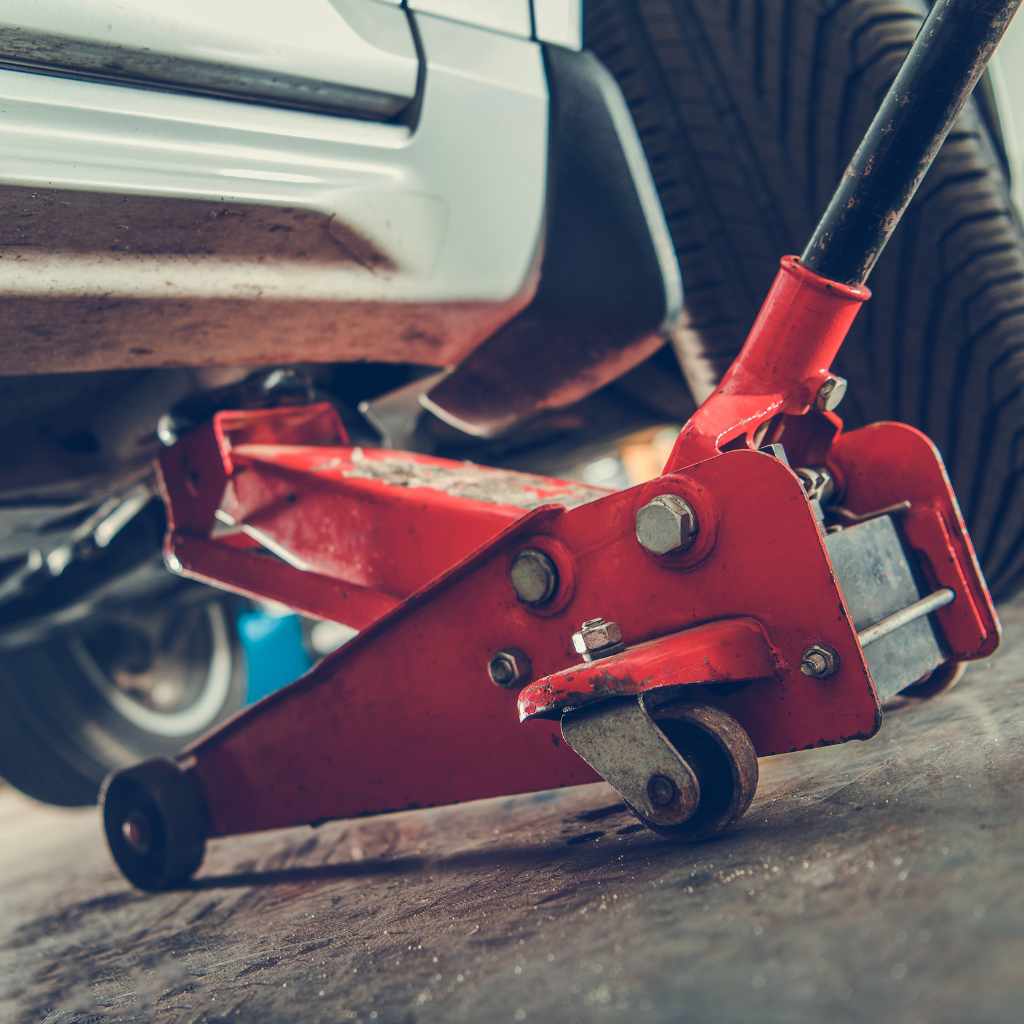
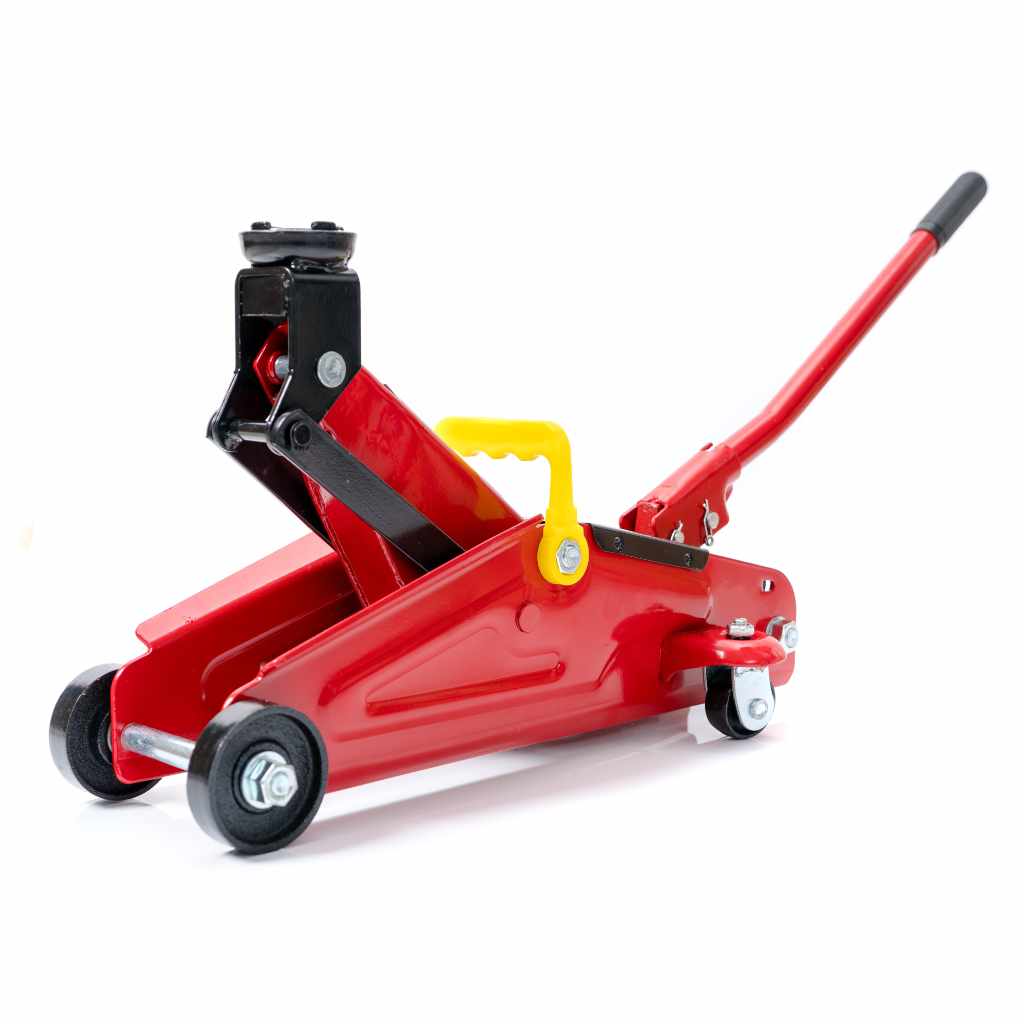
There’s a variety of vehicle jacks available, each with a specific purpose. Understanding these differences is key to safe usage. Scissor jacks, which usually come with a car, are generally used for emergencies like changing a flat tire. Hydraulic jacks, more common in garages, lift heavier vehicles faster and more smoothly. Bottle jacks, also hydraulic, offer a compact design for heavier loads. Floor jacks, another hydraulic type, are ideal for lifting entire sides of vehicles.
Scissor Jacks: These are compact, often found in the trunk, and designed for occasional use. They typically have lower weight capacities, usually around 1-2 tons.
Hydraulic Jacks (Floor and Bottle): These jacks provide greater lifting power and speed. They have higher weight capacities, from 2 to 5 tons or even more, making them suitable for heavier vehicles.
Weight Capacity: Always check the jack’s weight capacity, which is printed on the jack itself. Using a jack that isn’t rated for your vehicle’s weight can be very dangerous. The jack will fail and the car can fall.
Material and Build: Jacks are made from steel to provide strength. The quality of materials and construction can affect the jack’s longevity and performance.
Knowing the type of jack you have, and how it works, will enable you to make informed decisions about its use. Inspect the jack for any visible damage or wear before using it. A damaged jack can fail under stress.
Recognizing Jack Specifications and Limitations
The jack itself tells you everything you need to know to lift safely. The weight capacity is the maximum weight the jack can handle safely. The minimum and maximum lift heights indicate the range within which the jack can operate. These specifications are usually found on a sticker or stamped directly onto the jack. Exceeding these limits can cause the jack to fail or damage your vehicle.
Jacks are made for specific uses, and following these guidelines ensures your safety while using them:
Weight Capacity: This is a key number. It tells you the maximum weight the jack can support. You MUST check that your vehicle’s weight is less than the jack’s capacity.
Minimum and Maximum Lift Heights: These measurements tell you how high and low the jack can go. Make sure the jack fits under your car and provides enough lift to do what you need.
Stability: Pay close attention to how stable the jack feels as it lifts the vehicle. If it seems wobbly or unstable, lower the vehicle and reposition the jack.
Regular Inspection: Look over your jack for any signs of damage like cracks, leaks, or wear. A damaged jack can fail without warning.
Properly interpreting and following these specifications is key to using a jack safely and effectively. You’ll be prepared to identify and avoid potential safety hazards.
How Long Can a Jack Hold a Car? Time and Load Considerations
While a jack is designed to lift a car, it’s not made for holding it up for long periods. The answer to How Long Can a Jack Hold a Car? Safety Facts isn’t straightforward because it depends on several factors, including the type of jack, its condition, and the environment. Jacks are subject to wear and tear and can fail without warning. Using jack stands is always the safest option when working under a vehicle.
This section explores the duration a jack can safely hold a car. We’ll also examine the variables affecting this duration and the inherent risks of relying solely on a jack for support. The main takeaway is this: Jacks are for lifting, not holding. Using proper support like jack stands is critical.
Short-Term and Long-Term Support: The Difference
Jacks and jack stands serve different purposes, but people often get them confused. A jack is made to lift a car quickly, usually to change a tire. Jack stands, however, are made to hold the car up safely for extended periods. Jacks are susceptible to slow leaks and mechanical failures. Jack stands provide a reliable, stable base.
Jacks for Short Tasks: Jacks are fine for short tasks like changing a tire or performing a quick inspection. Never get under a car supported only by a jack.
Jack Stands for Longer Work: If you need to work under the car, jack stands are essential. They provide a stable and secure support that you can rely on.
Mechanical Failures: Jacks can fail. Hydraulic seals may leak slowly over time. The mechanical components can break.
Safety First: The most important safety rule is to use jack stands whenever you need to be under a car that’s been lifted. It’s the only way to ensure your safety.
Making the distinction between jacks and jack stands is key to working on your vehicle safely. Remember, a jack is for lifting, but jack stands are for supporting.
Factors Affecting Jack’s Holding Time
Several things can affect how long a jack can safely hold a car. The jack’s condition is vital. A jack in excellent condition might hold a car for a while, while a worn or damaged jack may fail quickly. The type of jack also matters. A hydraulic jack might have seals that can leak over time. Temperature and environment play a role, as extreme heat or cold can affect the jack’s performance and potentially cause the hydraulic fluid to leak.
Jack Condition: Regularly inspect the jack for any signs of wear, leaks, or damage. A jack in poor condition is more likely to fail.
Type of Jack: Hydraulic jacks are prone to leaks. Scissor jacks can become unstable if not properly maintained.
Load and Weight Distribution: How the weight of the car is distributed across the jack affects its stability. Make sure the jack is placed on a solid, level surface.
Environmental Conditions: Temperature extremes can affect the performance of hydraulic fluid. Humidity and exposure to the elements can cause corrosion and damage.
By understanding these elements, you can take steps to improve the safety of your work. Always check your jack’s condition and environment before starting any repair work.
Safe Practices for Lifting and Supporting Vehicles
Safety is the most important thing when you’re working on a vehicle. Always use jack stands to support the car after you’ve lifted it. Place the jack stands in secure locations, like the frame or designated jacking points. Double-check your work to be sure everything is stable before you start working under the vehicle. If you’re unsure about any step, get help from someone with experience or consult a professional.
This section will explain the correct methods for safely lifting and supporting vehicles. We will focus on how to use jacks and jack stands correctly and the importance of choosing the correct support points. Following these methods ensures you’re working in a way that minimizes risk.
Proper Jacking Points and Jack Stand Placement
Knowing where to place your jack and jack stands is key. Each vehicle has designated jacking points that are reinforced to withstand the pressure of lifting. These points are usually located near the frame rails or under the axles. The owner’s manual will tell you where to find these. Similarly, jack stands must be placed in locations that are sturdy, like the vehicle’s frame or specific support areas.
Consult the Owner’s Manual: The owner’s manual has diagrams showing the correct jacking points.
Jacking Points: These are reinforced areas designed to bear the weight of the vehicle.
Frame Rails and Support Areas: Place jack stands on the frame rails or designated support areas, which are stable and strong enough to bear the vehicle’s weight.
Avoid Unstable Surfaces: Do not place the jack or jack stands on areas like the plastic body panels or suspension components, which are not designed for supporting the vehicle’s weight.
Proper placement of jacks and jack stands helps prevent accidents and damage to your vehicle. Always double-check that your setup is stable before working under the car.
Essential Safety Steps for Lifting and Supporting a Vehicle
Lifting a car safely involves a few steps to protect yourself. Make sure the car is on a level surface and the parking brake is engaged. Block the wheels that are still on the ground to stop the car from moving. Lift the car using the jack at the correct jacking point. As soon as the car is high enough, place jack stands under the frame. Double-check that the car is stable on the stands before you work beneath it.
Prepare the Vehicle: Park on a level surface, engage the parking brake, and chock the wheels.
Locate Jacking Points: Find the correct jacking points as specified in your owner’s manual.
Lift the Vehicle: Position the jack under the jacking point and slowly raise the car until it is high enough for you to work.
Position Jack Stands: Place jack stands under the frame or other support areas. Lower the car onto the stands.
Safety Check: Give the car a gentle push to confirm the stands are stable.
Following these steps will help you to perform your vehicle tasks safely. Working in this way reduces the risk of serious injury and assures you of a safe working environment.
Common Mistakes and How to Avoid Them
There are many mistakes people make when using jacks. Failing to use jack stands is one of the most dangerous. Using a jack on an uneven surface or exceeding its weight limit are also common errors. Not checking the condition of the jack before use can lead to accidents. Understanding and avoiding these mistakes is essential for safe vehicle maintenance.
This section examines the mistakes people often make when using jacks. You’ll learn about safety mistakes and how to avoid them. By learning about these errors, you can significantly enhance your safety during vehicle maintenance.
Ignoring the Importance of Jack Stands
One of the most dangerous mistakes is working under a car supported only by a jack. Jacks can fail unexpectedly due to mechanical problems, hydraulic leaks, or incorrect usage. Jack stands are specifically designed to provide a secure and stable support system, preventing the vehicle from falling. Ignoring jack stands is a gamble. If the jack fails, the car can fall, causing serious injuries or worse.
Jack Stands Are a Must: Always use jack stands when working under a vehicle. Never rely solely on a jack.
Proper Placement: Place jack stands on solid, stable parts of the frame or designated support areas.
Load Test: Before working under the car, gently try to move it to confirm the stands are securely supporting the vehicle.
Professional Advice: If you are unsure about any part of this process, seek advice from someone with more experience, or consult a professional.
Using jack stands can reduce your risk significantly. Making this your standard practice ensures that you are working safely.
Other Common Errors and Their Consequences
Besides not using jack stands, several other mistakes can lead to problems. Using a jack on an unstable surface can cause the car to shift or tip. Overloading the jack by exceeding its weight capacity is incredibly dangerous. Neglecting to check the condition of the jack before use can lead to sudden failure. Additionally, not knowing the correct jacking points can damage the vehicle and put you at risk.
Using on an Uneven Surface: A jack is made to be used on a level surface. Uneven ground can cause the jack to tip.
Exceeding Weight Capacity: The jack’s weight capacity is the most weight it can safely support. Exceeding this is dangerous.
Not Checking Jack Condition: Check the jack for damage or leaks before use. A damaged jack can fail unexpectedly.
Using the Wrong Jacking Points: Using the wrong points can damage the car and make the lift unstable.
Understanding these common errors and how to avoid them will allow you to work on your vehicle safely. Regularly check your equipment and follow recommended procedures.
The Legal Side of Vehicle Jacking
While this article concentrates on safety, it is also important to consider some legal aspects. Following safety guidelines for vehicle jacking is not just a personal responsibility; it’s also often required by law or local regulations. Neglecting these rules may result in penalties. Moreover, understanding your insurance coverage is essential if an accident happens.
This section will offer a broad overview of the legal considerations associated with using jacks. We’ll look at the relevance of safety regulations and insurance coverage, all of which are important for responsible vehicle maintenance.
Safety Regulations and Local Requirements
Many areas have safety regulations and local rules for working on vehicles, especially when it involves lifting or performing repairs. These rules usually require following established safety protocols, like using jack stands when working under a vehicle. Ignoring these regulations can result in fines or other penalties.
Adhering to Safety Standards: Following safety guidelines is usually required by law, as it protects you and others.
Local Ordinances: Your local area might have rules about where and how you can work on vehicles.
Workplace Safety: If you’re working in a garage or similar setting, it is important to comply with workplace safety regulations.
Penalties for Non-Compliance: Failure to comply can result in fines or other penalties, depending on the severity and local rules.
Awareness and compliance with safety regulations and local rules are important for anyone working on vehicles. Ensure you’re informed about the rules in your area to prevent any problems.
Insurance Coverage and Accidents
Your insurance policy might cover accidents that happen while you are working on your vehicle, but the coverage varies. If you’re injured while using a jack or if the vehicle is damaged, your insurance policy could cover related expenses. But if you have been negligent and not followed safety guidelines, the insurance company might not pay for damages.
| Scenario | Insurance Implication |
|---|---|
| Accident Due to Jack Failure (Proper Use) | Coverage may be provided, depending on the policy. |
| Accident Due to Negligence (No Jack Stands) | Coverage may be denied. |
| Damage to Vehicle Due to Improper Use | Coverage might be limited or denied. |
| Injury to Self or Others | Coverage depends on policy details and cause of the incident. |
Understanding your insurance coverage is key. Ensure you are familiar with your policy and know what it covers. If unsure, contact your insurance provider.
Frequently Asked Questions
Question: How often should I check my jack?
Answer: Check your jack before each use. Look for leaks, damage, or wear and tear to ensure it’s in safe working order.
Question: What’s the biggest mistake when using a jack?
Answer: The biggest mistake is working under a vehicle supported only by a jack, without using jack stands.
Question: Where do I find the jacking points on my car?
Answer: The jacking points are usually indicated in your vehicle’s owner’s manual. They are reinforced areas designed to withstand the jack’s pressure.
Question: Can I use a jack on any surface?
Answer: No, you should only use a jack on a solid, level surface to ensure stability and prevent accidents.
Question: What should I do if my jack starts to fail while lifting the car?
Answer: If the jack starts to fail while lifting, immediately stop lifting. If possible, lower the car safely. Do not work under the vehicle. Seek professional help if needed.
Final Thoughts
Knowing How Long Can a Jack Hold a Car? Safety Facts is vital for anyone who works on vehicles. Jacks are designed for lifting, not sustaining the weight of a car for an extended period. The biggest rule is using jack stands. They give you the support you need when you are working under a vehicle. Understand the limitations of your equipment. Check your jack regularly for damage and follow safety guidelines. Remember that the car’s weight, the type of jack, and environmental conditions all play a part in how it works.
Now that you know the key facts and best practices, approach your vehicle repairs with increased confidence. Always prioritize safety. By taking the time to learn and follow the correct procedures, you can do vehicle maintenance safely. Ensure you have the right equipment, the right know-how, and the right approach. Then, you can work safely on your vehicle, knowing you’ve done everything you can to protect yourself.