How Many Days Before Covering a New Car Paint
Wondering How Many Days Before Covering a Newly Painted Car? can be tricky. New car paint needs time to harden properly. Putting a cover on too soon can actually damage your fresh paint job.
It’s a common question for anyone who just got their car painted. You want to protect it, but you don’t want to mess up the beautiful new finish. Don’t worry, this guide makes it super simple.
We’ll walk you through exactly what you need to know so your car stays looking great. Let’s find out the best time to put that cover on.
Understanding New Car Paint Curing
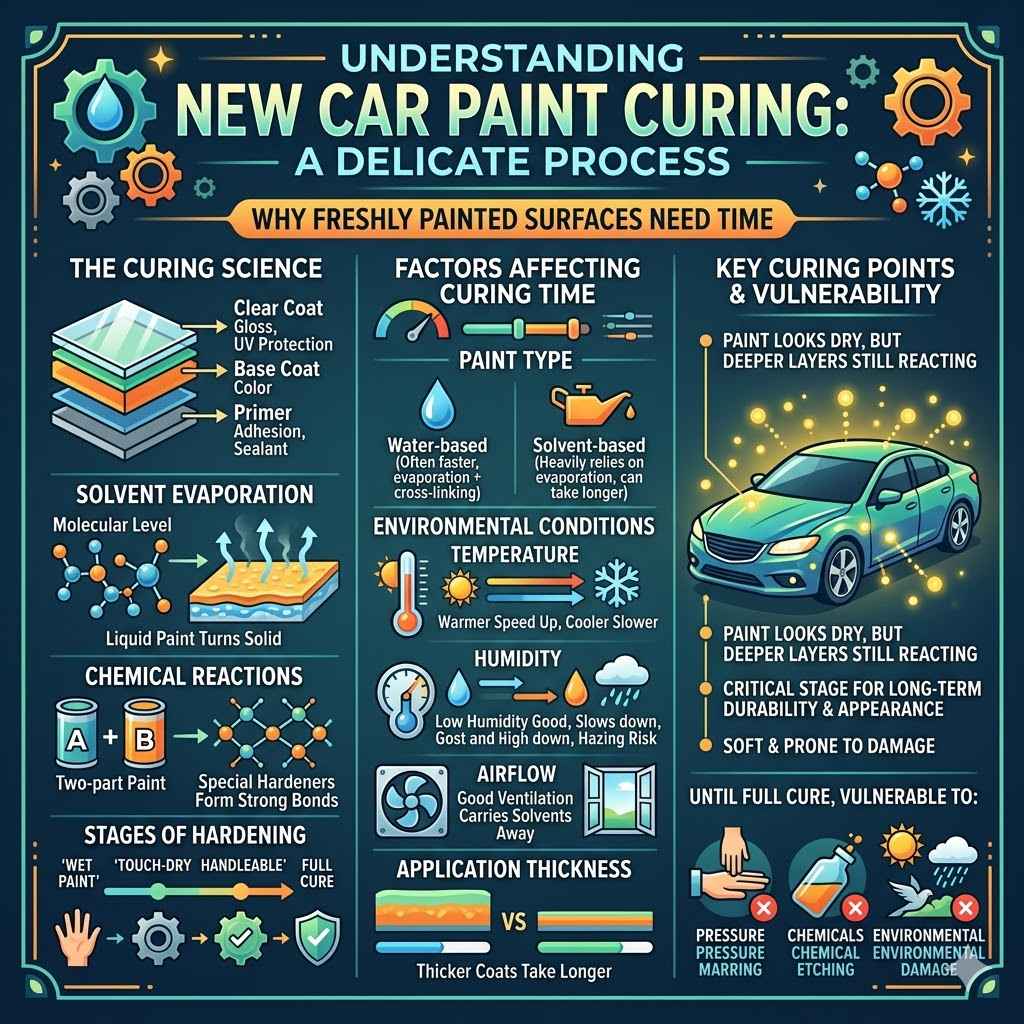
Newly painted car surfaces are delicate. The paint isn’t just liquid color; it’s a complex chemical mixture that needs to harden or “cure.” This curing process involves solvents evaporating and the paint layers forming a solid, durable finish. When the paint is freshly applied, it’s still soft and prone to damage.
It might look dry to the touch, but the deeper layers are still reacting. This initial stage is critical for the long-term durability and appearance of the paint job. Understanding how this process works helps explain why waiting is so important.
The Science Behind Paint Curing
Automotive paints are typically a multi-layer system. You have the primer, the base coat (color), and the clear coat on top. Each layer has its own curing characteristics.
The primer provides adhesion and seals the metal. The base coat provides the color. The clear coat adds gloss, UV protection, and scratch resistance.
Solvents within these layers evaporate, causing the paint to harden. This isn’t an instant process. It happens over days and even weeks.
Factors like temperature, humidity, and paint type affect how quickly this happens. Higher temperatures usually speed up curing, while high humidity can slow it down or cause issues. Some advanced paints use special hardeners that chemically bond layers, but they still require time.
The curing process involves several stages. Initially, the paint is wet. As solvents evaporate, it becomes touch-dry.
Then, it hardens to the point where it can be handled without marring. Finally, it reaches its full hardness and chemical resistance after a longer period. This full cure is when the paint is at its toughest.
Until then, it’s susceptible to pressure, chemicals, and environmental damage. This is why protective coverings need careful consideration.
Key Points on Paint Curing:
- Evaporation of Solvents: This is a primary mechanism where liquid paint turns solid. The longer solvents take to evaporate, the longer the paint remains vulnerable.
- Chemical Reactions: Some modern paints use two-part systems that react chemically to harden. These reactions also take time to complete fully, even after the surface appears dry.
- Layer Formation: Multiple layers of paint are applied. Each layer needs to cure adequately before the next is applied or before protection is added. The clear coat, being the outermost layer, is the last to fully cure and is the most exposed.
Factors Affecting Curing Time
Several environmental and application factors influence how long paint takes to cure. These include the type of paint used, the thickness of the application, and the surrounding conditions. Understanding these variables helps explain why a single, exact number of days isn’t always applicable and why professional advice is valuable.
It’s a dynamic process, not a fixed timer.
Paint Type:
- Water-based paints are becoming more common and tend to have different curing times than solvent-based paints. They often cure faster through evaporation and sometimes a chemical cross-linking process when baked.
- Solvent-based paints rely heavily on solvent evaporation. This can take longer, especially in cooler or humid conditions. Some high-performance paints have special hardeners or require baking in an oven to cure quickly and effectively.
Environmental Conditions:
- Temperature: Warmer temperatures generally speed up solvent evaporation and chemical reactions, leading to faster curing. Cooler temperatures slow down these processes. Extreme cold can significantly hinder or even halt curing.
- Humidity: High humidity can slow down the evaporation of water-based paints. For solvent-based paints, high humidity can sometimes cause hazing or affect the final finish if not managed properly during application and curing.
- Airflow: Good ventilation helps to carry away evaporated solvents, promoting faster drying and curing. Stagnant air can trap solvents and slow down the process.
Application Thickness:
- Thicker coats of paint take longer to cure than thinner coats. This is because there are more solvents and resin to evaporate or react within a thicker layer. Paint shops often apply multiple thin coats rather than one very thick one for this reason.
How Many Days Before Covering a Newly Painted Car
This is the million-dollar question for car owners. The answer isn’t a simple one-size-fits-all number, but there are general guidelines based on paint technology and curing science. The goal is to wait long enough for the paint to harden sufficiently so that any covering doesn’t cause damage, like sticking, marring, or trapping moisture that can affect the finish.
General Waiting Period Recommendations
For most standard automotive paint jobs, including base coat and clear coat finishes, a waiting period is essential before you can safely cover your car. This waiting time allows the clear coat, which is the most critical layer for protection and shine, to achieve a significant level of hardness.
Touch Dry vs. Full Cure:
- Touch Dry: The paint feels dry to the touch within a few hours. This is just the surface. It’s still very soft underneath.
- Hardened to Handle: After about 24-48 hours, the paint is usually hard enough to be handled carefully without leaving fingerprints. This is when you might consider very light use or minimal exposure.
- Ready for Protective Covering (General Guideline): For most conventional automotive paints, it is generally recommended to wait at least 30 days before applying a car cover, especially a tight-fitting or waterproof one. This 30-day period allows the clear coat to cure to about 80-90% of its full hardness.
Some sources and paint manufacturers might suggest slightly different timelines. For instance, some might say 2-4 weeks for breathable covers and up to 6-8 weeks for non-breathable or custom-fitted covers. It is always best to ask your specific paint shop or painter for their recommendation, as they know the exact products and techniques they used.
Example Scenario 1:
- You just picked up your freshly painted car. The paint looks amazing.
- Your painter tells you to wait at least 30 days before putting a cover on.
- You decide to park your car outdoors for a few weeks. You are tempted to put a cover on to protect it from sun and dust.
- You resist the urge and keep the car uncovered for the recommended 30 days.
- After 30 days, you install a high-quality, breathable car cover. The paint remains pristine.
Special Considerations for Different Paint Types
Not all car paints are created equal, and some modern formulations or professional processes can alter the required waiting times. Understanding these variations is key to making an informed decision.
UV Cured Paints:
- Some high-end custom shops might use UV-cured clear coats. These are cured instantly under UV light, meaning they are fully hardened almost immediately after application. In such cases, covering the car might be possible much sooner, possibly within 24-48 hours.
- However, even with UV curing, it’s wise to give the paint a few days to fully settle and achieve maximum hardness and resistance before applying a cover. Always confirm with the professional who applied this specialized coating.
Ceramic or Nano Coatings:
- If a ceramic or nano-coating was applied over the fresh paint, this changes the game. These coatings are designed to protect the underlying paint. The curing time of the coating itself becomes important.
- Typically, ceramic coatings require a few days to a week to reach their full hardness after application. Consult the coating manufacturer’s instructions or the professional applicator for specific waiting times before covering. Some might even recommend not covering for a week or two to ensure proper bonding and curing of the coating.
Factory Paints vs. Aftermarket Paints:
- Factory paint jobs often involve baking the car in ovens at high temperatures, which drastically speeds up the curing process. This is why new cars from dealerships are ready for transport and sale very quickly.
- Aftermarket paint jobs, especially those done in mobile units or without baking, rely on ambient temperature and time to cure. These will naturally require longer waiting periods.
The use of a breathable car cover can significantly reduce the risk compared to a non-breathable one, even during the waiting period. Breathable covers allow moisture and solvents to escape, preventing them from being trapped against the paint surface. However, the safest bet is still to wait for the paint to cure sufficiently.
Risks of Covering a Newly Painted Car Too Soon
Putting a car cover on before the paint has properly cured can lead to several undesirable outcomes, ranging from minor cosmetic issues to significant damage that requires costly repairs. The primary concern is trapping moisture and solvents, and causing physical damage due to the paint’s softness.
Common Problems and Their Causes
When fresh paint is covered too early, it’s like putting a bandage on a wound that hasn’t healed yet. The bandage can cause more harm than good. The same principle applies to car covers and fresh paint.
Paint Sticking to the Cover:
- This is one of the most common and frustrating problems. The soft paint can adhere to the material of the car cover, especially if the cover is made of plastic or non-breathable fabric.
- When you remove the cover, parts of the fresh paint can be pulled away with it, leaving bare spots or uneven patches. This can be extremely difficult to fix.
Marring and Swirling:
- Even if the paint doesn’t stick, the softness makes it highly susceptible to scratches and swirl marks. Any dust, dirt, or debris trapped between the cover and the car can easily cause damage when the cover is moved or even by wind.
- The slight friction from a cover on soft paint can create microscopic scratches that become visible as swirls under direct light.
Moisture Trapping:
- Fresh paint releases solvents as it cures. If the car is covered with a non-breathable material, these solvents, along with any trapped moisture from humidity or dew, cannot escape.
- This trapped moisture and solvent vapor can create a hazy or cloudy appearance on the paint, known as solvent bloom or hazing. It can also weaken the paint bond and make it more prone to chipping or peeling later.
Uneven Curing and Adhesion Issues:
- Covering the car can create localized environments where moisture and solvents are trapped. This can lead to uneven curing across different parts of the car.
- Some areas might cure slower or develop adhesion problems because of the lack of proper airflow and solvent release.
These risks highlight why patience is a virtue when it comes to protecting your freshly painted vehicle. The initial investment in time to let the paint cure properly will save you much more in potential repair costs and frustration.
When a Breathable Cover Might Be Okay Sooner
While the general rule is to wait, there are nuances, especially concerning the type of car cover used. A breathable cover differs significantly from a plastic tarp.
Breathable Materials:
- Covers made from materials like treated cotton, polyester blends, or specialized water-resistant but breathable fabrics allow air and vapor to pass through. This is crucial for allowing solvents to escape and preventing moisture buildup.
- If you absolutely must cover the car earlier than the recommended 30 days, using a high-quality, breathable cover is far safer than a standard plastic tarp.
Reduced Risk, Not Eliminated:
- Even with a breathable cover, there’s still a slight risk if the paint is extremely soft. Dust and debris can still be an issue, and excessive moisture could still be trapped under certain conditions.
- For this reason, if your paint is very new (less than a week old), it’s still advisable to avoid any cover if possible, or to ensure the cover is exceptionally clean and fitted loosely to minimize contact and friction.
Official Recommendations:
- Car Cover Manufacturers often provide guidelines. Some might state that their breathable covers can be used on cars painted 7-14 days prior, provided the paint is touch-dry and there’s good ventilation. Always check the specific cover’s instructions.
In summary, while a breathable cover offers a margin of safety, it’s never a complete substitute for adequate paint curing time. If you have the option, waiting the full recommended period is always the best approach for maximum protection of your new paint job.
Best Practices for Protecting a Newly Painted Car
After your car has been painted, your primary goal is to protect that fresh finish. This involves more than just waiting for the paint to cure; it’s about actively caring for it during its most vulnerable stages and beyond.
Immediate Post-Paint Care
The first few weeks after painting are critical. Your car is essentially wearing its new paint job like a fragile new outfit.
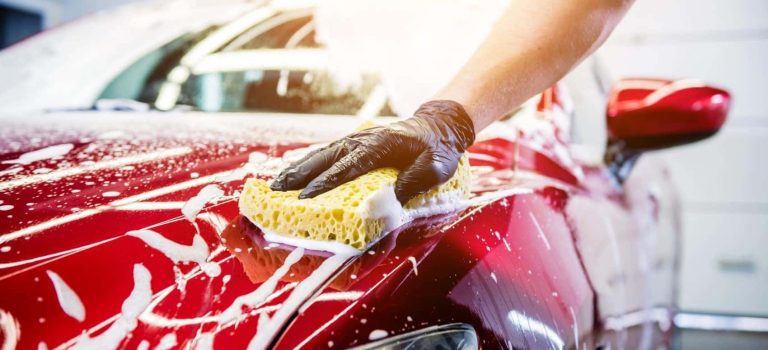
Avoid Harsh Washing:
- For the first 30 days (or longer, depending on the paint shop’s advice), avoid washing the car with soaps, detergents, or pressure washers. Gentle rinsing with water might be acceptable after a few days, but avoid scrubbing.
- This prevents any potential damage to the still-curing clear coat and avoids introducing contaminants that could etch into the soft paint.
No Waxing or Sealants Yet:
- Applying wax or sealants too early can prevent the paint from fully curing. These products can seal in solvents and moisture, hindering the process.
- Wait until the recommended curing time has passed, and even then, use products specifically designed for new paint. Some detailers recommend a specific post-paint sealant that aids curing.
Parking Location Matters:
- Park your car in a garage or under a carport if possible. This shields it from direct sunlight, bird droppings, tree sap, acid rain, and airborne pollutants. These elements can be extremely damaging to fresh paint.
- If outdoor parking is unavoidable, position the car away from trees and industrial areas. Even a shaded spot is better than full sun exposure.
Be Mindful of What Touches the Car:
- Avoid leaning on the car, placing items on it, or allowing children or pets to interact with it. Even slight pressure can leave indentations or scratches on soft paint.
These simple precautions will go a long way in ensuring your paint job looks fantastic for years to come.
Choosing and Using a Car Cover Correctly
When the time is right, selecting and using a car cover properly is crucial for continued protection.
Selecting the Right Cover:
- Breathability is Key: Always opt for a breathable fabric. Materials like soft cotton blends, multi-layer synthetic fabrics designed for breathability, or specialized outdoor car cover materials are best.
- Soft Inner Lining: Ensure the inside of the cover is soft and non-abrasive to prevent scratching the paint, even if the paint is cured.
- Fit: A cover that fits well without being too tight is ideal. A loose fit allows for better air circulation. Avoid covers that flap excessively in the wind, as this can cause friction and scratch the paint.
- Weather Resistance: If the car is stored outdoors, the cover should offer protection against UV rays, rain, and dust.
Proper Usage:
- Cleanliness is Paramount: Always ensure both the car and the cover are clean before putting the cover on. A dirty cover on a clean car will scratch it. If the car is dusty, rinse it with water and let it dry before covering.
- Gentle Application: Drape the cover over the car gently. Avoid dragging it across the paint.
- Secure It Properly: Use the straps or ties to secure the cover. Ensure it’s snug enough not to blow off in the wind but not so tight that it pulls excessively on the paint.
- Regular Checks: Periodically check under the cover for moisture or debris. Clean or replace the cover as needed.
Example Scenario 2:
- Your car has been painted, and it’s been 4 weeks. You’ve followed all the initial care steps.
- You purchase a high-quality, breathable, soft-lined car cover.
- Before covering, you rinse your car with water to remove any dust accumulated from being parked outdoors (no soap used).
- You let the car air dry completely.
- You gently drape the cover over the car and secure its buckles.
- The cover protects your car from sun and dust, and the breathability ensures no moisture gets trapped.
By following these best practices, you maximize the lifespan and appearance of your newly painted car.
Expert Opinions and Manufacturer Guidelines
When in doubt, always consult the professionals who worked on your car and the manufacturers of the products you are using. Their insights are invaluable.
What Professional Detailers and Paint Shops Say
Professional auto detailers and reputable paint shops are your best resources for information specific to your situation.
General Consensus:
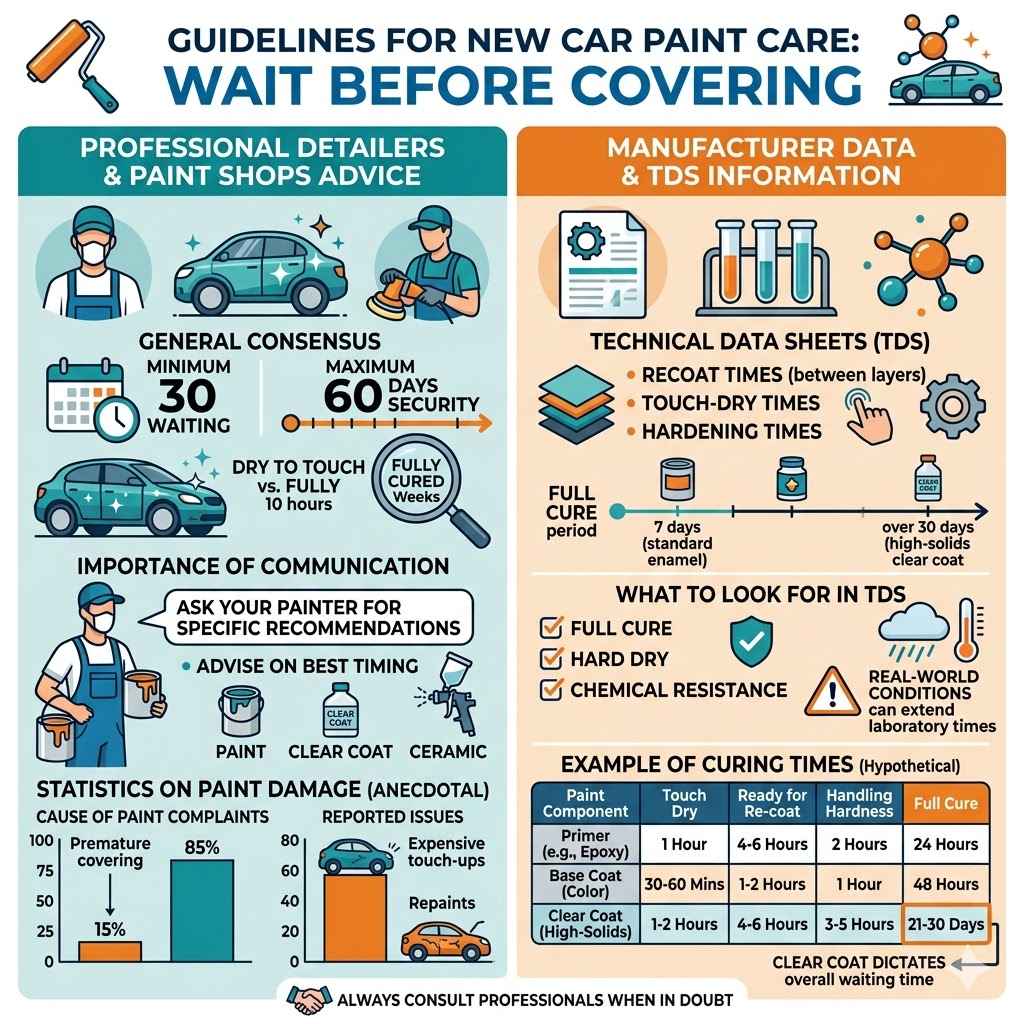
- Most professionals agree that a minimum of 30 days is a safe waiting period for conventional automotive paints before covering. Some may extend this to 60 days for maximum security, especially for high-gloss finishes or paints applied in less-than-ideal conditions.
- They emphasize that “dry to the touch” is very different from “fully cured.” A car can feel dry within hours but take weeks to achieve its full hardness and resistance.
Importance of Communication:
- Always ask your painter about their specific recommendations. They know the brand of paint, the type of clear coat, and the application process used. They might have specific instructions or a recommended waiting time based on their expertise.
- Professional detailers often have experience with various paint types and coatings. If you’re planning to apply a ceramic coating after the paint cures, they can advise on the best timing for both the paint and the coating.
Statistics on Paint Damage:
- While precise statistics on damage from premature covering are hard to find, anecdotal evidence from body shops and detailers suggests it’s a common issue. Many repair shops deal with cars where enthusiasts have covered them too soon, leading to expensive touch-ups or repaints. A survey from a leading auto detailing association indicated that approximately 15% of paint-related complaints they investigated were linked to improper aftercare, including premature covering.
Manufacturer Data on Paint Curing
Paint manufacturers provide technical data sheets (TDS) that detail the curing times for their products. While these are often aimed at professional painters, they offer valuable insights.
TDS Information:
- Technical Data Sheets will specify recoat times (time between paint layers), touch-dry times, and hardening times under various temperature and humidity conditions.
- They often provide a timeframe for when a painted surface reaches “full cure” or “maximum hardness.” This full cure period can range from 7 days to over 30 days, depending on the specific product.
- For example, a standard acrylic enamel might have a full cure time of 7 days, while a high-solids polyurethane clear coat might require 21-30 days.
What to Look For:
- When reviewing TDS, look for terms like “full cure,” “hard dry,” or “chemical resistance.” These indicate when the paint has reached its optimal protective state.
- It’s crucial to note that these times are often based on ideal laboratory conditions. Real-world conditions, such as varying temperatures and humidity in a garage or outdoors, can extend these times.
Example of Manufacturer Data (Hypothetical):
| Paint Component | Touch Dry | Ready for Re-coat | Handling Hardness | Full Cure |
|---|---|---|---|---|
| Primer (e.g., Epoxy) | 1 Hour | 4-6 Hours | 2 Hours | 24 Hours |
| Base Coat (Color) | 30-60 Mins | 1-2 Hours | 1 Hour | 48 Hours |
| Clear Coat (High-Solids) | 1-2 Hours | 4-6 Hours | 3-5 Hours | 21-30 Days |
This table illustrates how different layers have different curing needs. The clear coat, being the final layer, dictates the overall waiting time before aggressive protection like covering is applied.
Frequently Asked Questions
Question: How long after a paint job can I wax my car?
Answer: It is generally recommended to wait at least 30 days after a new paint job before applying any wax or sealant. This allows the paint, especially the clear coat, to fully cure. Applying wax too soon can trap solvents and moisture, hindering the curing process and potentially damaging the finish.
Question: Can I drive my newly painted car in the rain?
Answer: Yes, you can usually drive your newly painted car in light rain after a few days, once the paint is touch-dry. However, it’s best to avoid heavy downpours or prolonged exposure to moisture during the first few weeks. Gentle rinsing with water is usually okay after a couple of days, but avoid washing with soap or scrubbing.
Question: What is the difference between touch dry and fully cured paint?
Answer: Touch dry means the surface of the paint feels dry to the touch, usually within a few hours. Fully cured means the paint has reached its maximum hardness, durability, and chemical resistance through a complete process of solvent evaporation and chemical reactions, which can take several weeks.
Question: Is it okay to use a custom-fit car cover right away?
Answer: No, it is not advisable to use a custom-fit car cover right away. Custom-fit covers can be tighter and made of materials that may trap moisture or stick to the paint. It’s best to wait at least 30 days, or as recommended by your painter, and use a breathable cover.
Question: Will a garage protect my new paint job from curing issues?
Answer: Parking in a garage offers excellent protection from environmental contaminants like sun, bird droppings, and dust, which is beneficial for new paint. However, it doesn’t speed up the paint’s curing process itself, as curing relies on airflow and temperature. Ensure the garage is well-ventilated.
Summary
Protecting your newly painted car means understanding its curing process. For most paints, wait at least 30 days before covering. This allows the paint to harden sufficiently.
Using breathable covers and avoiding early washing or waxing are key. Always consult your painter for specific advice. Patience now ensures a beautiful finish for years.