How Much Does It Cost to Add Refrigerant to a Car?
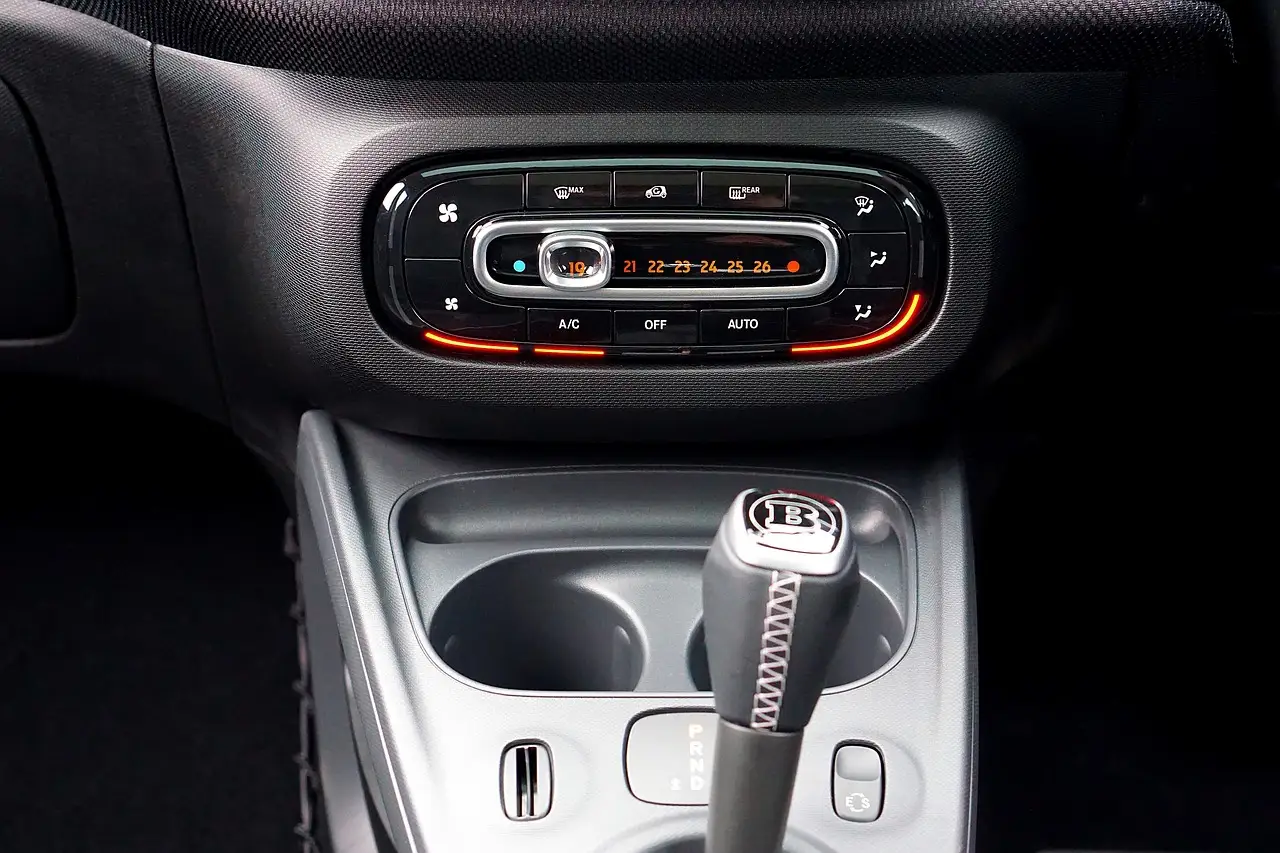
A shop A/C refrigerant recharge usually costs about $100 to $300, and the price can rise if the car needs R1234yf, recovery work, dye, or leak testing. Skip the diagnosis and you may pay for a refill that cools for a few days, then fails again. This guide breaks down refrigerant type, labor, recovery, leak checks, and when a recharge points to a larger A/C fault.
Refrigerant cost table
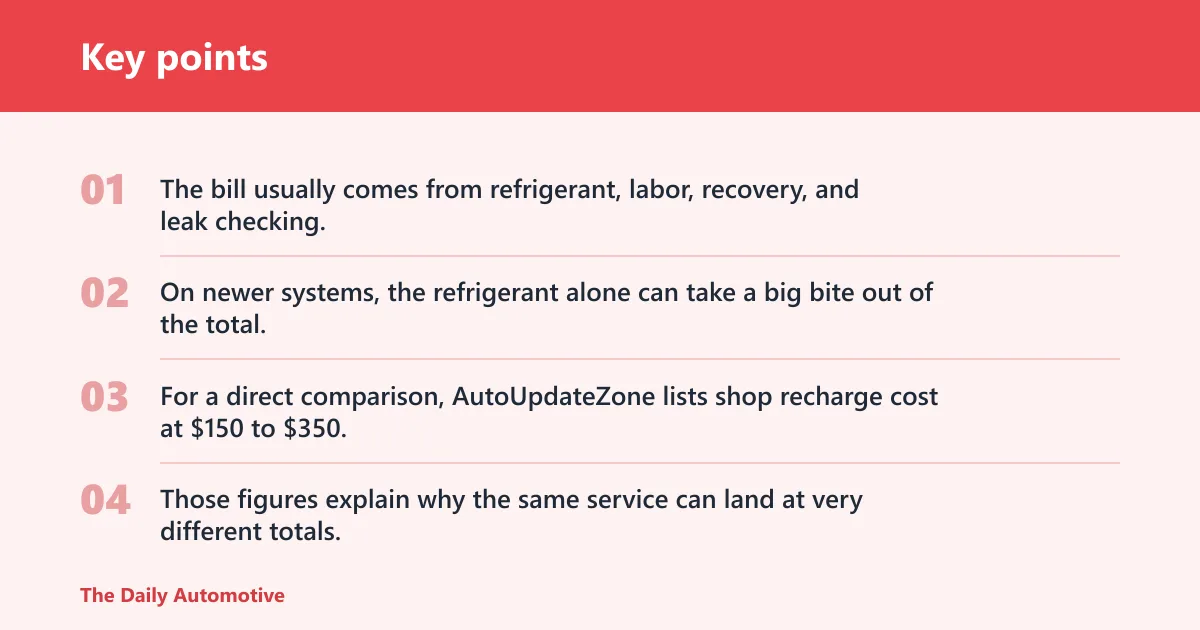


The bill usually comes from refrigerant, labor, recovery, and leak checking. On newer systems, the refrigerant alone can take a big bite out of the total, especially when the car uses R1234yf and the shop needs approved recovery gear.
| Scenario | Refrigerant type | Typical parts/materials | Labor | Recovery/recycling fee | Likely total | When it is a bad idea |
|---|---|---|---|---|---|---|
| Quick top-off | R134a or R1234yf | Small amount of refrigerant, maybe dye or stopgap add-on | Flat fee for connecting gauges and adding charge | Sometimes none on a simple top-off, sometimes added as a shop fee | Often the low end of shop pricing; R1234yf pushes it higher | When the system has lost refrigerant more than once or the charge is very low |
| Full evacuation and recharge | R134a or R1234yf | Correct charge amount, oil if needed, possible dye | More time for recovery, vacuuming, and refill | Usually included or listed separately because the refrigerant must be recovered and recycled | Usually more than a top-off because it uses more shop time and the correct amount | When the issue is clearly a major leak and the system cannot hold charge |
| Recharge plus leak diagnosis | R134a or R1234yf | Refrigerant, possible dye, possible seal inspection materials | Highest of the three, because the tech must test for leaks and verify the system | Often charged because recovery and recycling equipment is required | Highest total, especially with R1234yf | When you need a repeatable fix, not a temporary refill |
For a direct comparison, AutoUpdateZone lists shop recharge cost at $150 to $350, DIY recharge kits at $40 to $130, R134a at $15 to $30 per pound, and R1234yf at $80 to $150 per pound. Those figures explain why the same service can land at very different totals, depending on refrigerant type and charge amount.
How much does it cost to add refrigerant to a car?
A simple top-off usually costs the least because it adds refrigerant to the MVAC without a full evacuation first. That keeps labor down, but it does nothing to stop the leak that caused the loss. Expect R134a to cost less than R1234yf, and expect the price to rise if the shop includes diagnosis or recovery.
What drives the bill
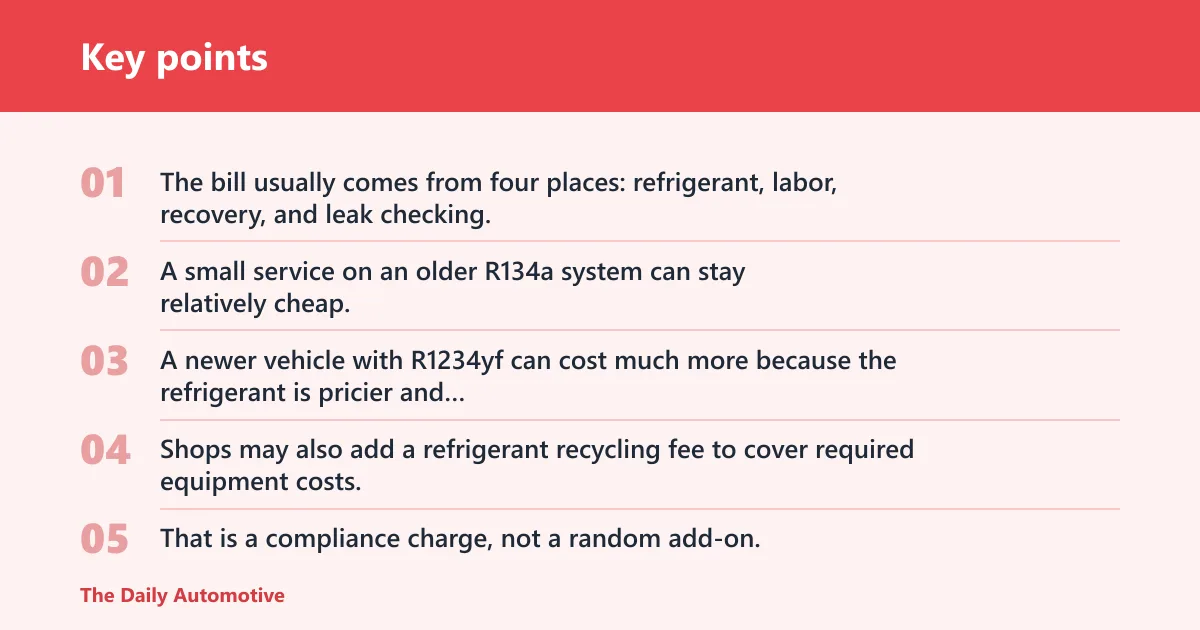
The bill usually comes from four places: refrigerant, labor, recovery, and leak checking. A small service on an older R134a system can stay relatively cheap. A newer vehicle with R1234yf can cost much more because the refrigerant is pricier and the equipment must handle it correctly.
Shops may also add a refrigerant recycling fee to cover required equipment costs. That is a compliance charge, not a random add-on. Technicians must recover, clean, and reuse refrigerant with approved equipment instead of venting it.
Why R1234yf costs more
R1234yf is the newer refrigerant used in many newer vehicles, and it costs far more per pound than R134a. It also needs the correct service equipment and careful handling. That raises both parts and labor, even when the system needs only a small charge.
R134a is the lower-cost option and appears in many DIY recharge kits. It is common in many older vehicles, and the car’s service label or owner’s manual identifies the correct type. Use the wrong refrigerant, and the repair bill can grow fast.
What a shop fee may include
A flat shop fee often covers more than the refrigerant can itself. It may include hooking up service equipment, checking pressures, recovering any remaining refrigerant, and verifying that the system takes the correct charge. If the shop performs a full evacuation and recharge, the price should reflect that extra work.
Suppose a sedan has weak cooling, the under-hood label shows R134a, and the system needs only a small amount of refrigerant. A shop may be able to top it off for less than a full evacuation and recharge. If the same car loses charge again a week later, the cheap fill was temporary, not a repair.
How do you know which refrigerant your car uses?
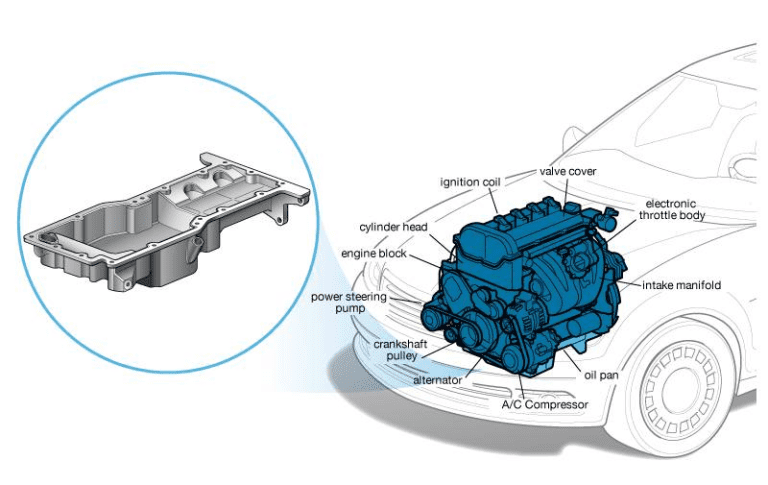
Your car’s A/C service label is the fastest check. It usually lists the refrigerant type and the charge weight, often in ounces or grams, and it is often under the hood or near the service ports. If the label is missing or unreadable, the owner’s manual is the next place to look.
Check the under-hood service label
The service label tells you whether the system uses R134a or R1234yf. That matters because the two refrigerants are not interchangeable, and the cost gap is large enough to change the repair decision. The label also shows the exact charge amount so a shop or DIY service does not guess.
Use the owner’s manual
If the label has faded, the owner’s manual should identify the correct refrigerant. That matters even more on older vehicles that may have been retrofitted. R12 systems are often retrofitted to use HFC-134a, so model year alone is not enough.
Why mixing refrigerants is a bad idea
Do not mix refrigerant types. Mixing can damage service equipment, complicate future repairs, and make proper recovery harder. It can also create a compliance problem when a technician needs to open the system and recover what is inside.
Top-off or full recharge: which costs less?
Topping off usually costs less than evacuation and recharge because it skips the full recovery and vacuum step. A top-off adds refrigerant and may make the air colder for a while, but it does not permanently fix leaks. A full evacuation and recharge costs more because it restores the system to a precise amount.
What a top-off actually does
A top-off means adding refrigerant to the MVAC without emptying the system first. That is why it costs less. It can help restore cooling, but it does not guarantee the correct charge amount if the system is low for another reason or if the loss continues.
EPA guidance says topping off or recharging should improve cooling but does not permanently fix leaks. That is the key point. If the system keeps losing refrigerant, the same cost comes back again. (EPA)
What evacuation and recharge adds
Evacuation and recharge removes the existing refrigerant first, then adds the precise amount recommended by the manufacturer. That gives a more accurate result and usually includes vacuuming and a system check. It costs more because the shop spends more time and uses compliant recovery equipment.
That extra work matters when the previous charge level is unknown or the system has been open. It also reduces the risk of overcharging or undercharging, which can happen when someone simply adds refrigerant until the vent air feels cooler.
When the cheaper option is a bad idea
A top-off is a poor choice if the system has already needed refrigerant more than once. It is also a bad idea if the A/C is nearly empty, because that usually points to a leak that should be found before more refrigerant is added. Repeated refills can cost more than fixing the fault once.
Picture a compact SUV that cools for two days after a refill, then starts blowing warm air again. The repeating pattern is the clue. In that case, another top-off buys little time and risks more money on the same unresolved leak.
Why does my car keep needing refrigerant added?
Repeated low refrigerant usually means the system is leaking. Refrigerant does not disappear on its own in a healthy system. Small leaks can be hard to find, so the system may cool normally for a short time after a refill and then fail again.
Leak vs. slow loss
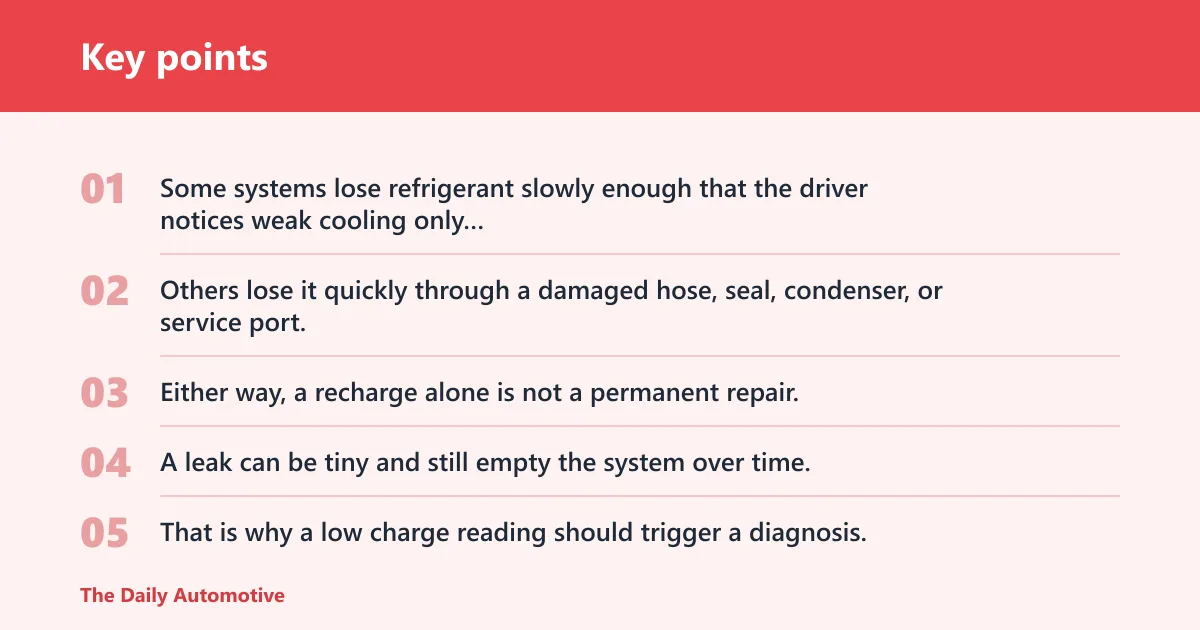
Some systems lose refrigerant slowly enough that the driver notices weak cooling only after months. Others lose it quickly through a damaged hose, seal, condenser, or service port. Either way, a recharge alone is not a permanent repair.
A leak can be tiny and still empty the system over time. That is why a low charge reading should trigger a diagnosis, not an automatic refill every few months.
When repair beats repeat refills
If the same vehicle needs refrigerant repeatedly, the better move is leak diagnosis. At that point, the extra cost of a proper check is usually cheaper than buying refrigerant again and again. A repair also restores the system to the correct charge instead of masking the problem.
What shops charge for leak checks and recovery
Leak detection often comes with A/C service, but it can also add cost on its own. Shops may use an electronic leak detector certified under SAE J1627, and technicians can identify refrigerant leaks most of the time with that kind of tool. A few ounces are enough to perform the leak check.
Electronic leak detection
Electronic detection is common because it can find many leaks without taking the entire system apart. Still, small leaks can be hard to locate, especially if the loss is slow or the refrigerant has already dropped very low. Dye or follow-up inspection may still be needed.
That is why a low-charge reading is not a complete diagnosis. It may justify a leak test, but it does not prove which part failed.
Recovery and recycling fees
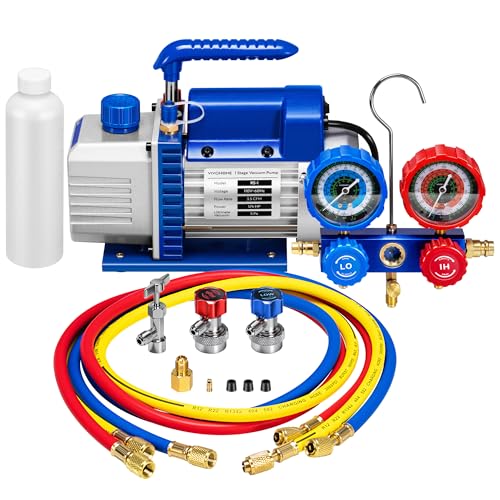
When technicians recover refrigerant, they need refrigerant recycling equipment to clean and reuse it. That equipment costs money, and shops may pass part of that cost on as a recycling fee. It is one reason compliant A/C service often costs more than a quick DIY refill.
EPA-certified technicians matter here because compliant mobile vehicle A/C refrigerant handling depends on proper recovery and recycling. That matters especially when the system is opened, and it matters more on vehicles using older refrigerants.
Can low AC performance be something else?
Yes. Low cooling is not always caused by low refrigerant. Airflow problems, compressor control issues, or blend-door faults can mimic a low-charge symptom. That is why a weak vent temperature should not be treated as proof that the system only needs refrigerant.
Airflow problems
A clogged cabin air filter, weak blower motor, or blocked condenser airflow can reduce cooling without any refrigerant loss. In those cases, a recharge will not solve the real problem. The system may appear low on performance even though the charge is fine.
Compressor control issues
Modern A/C systems depend on control logic, sensors, and compressor commands. If the compressor is not being asked to run properly, the vents can stay warm even with an adequate charge. That is another reason to diagnose before adding refrigerant.
Frequently asked questions
How much does it cost to add refrigerant?
Most shop recharges fall around $100 to $300, with higher pricing for R1234yf, recovery, dye, or leak testing. A quick top-off usually costs less than a full evacuation and recharge, but it is less complete and does not fix the cause of the loss.
How much does it cost to add freon?
“Freon” is often used loosely for car A/C refrigerant, but the price depends on the system’s refrigerant type. R134a is usually cheaper than R1234yf. The final bill can also include labor, recovery, and a recycling fee if the shop uses compliant recovery equipment.
Is it cheaper to top off car AC refrigerant or do an evacuation and recharge?
Topping off is usually cheaper because it skips the full recovery and vacuum step. Evacuation and recharge costs more, but it is more precise and better for systems that need the correct amount restored. If the vehicle keeps losing charge, the cheaper option is often the wrong one.
What refrigerant does my car use, R134a or R1234yf?
Check the under-hood service label first. It usually lists the refrigerant type and charge weight. If the label is missing, use the owner’s manual. Do not guess based only on model year, and do not mix refrigerants because the wrong fill can create a bigger repair problem.
Why does my car AC keep needing refrigerant added?
Repeated loss usually points to a leak. Refrigerant should not keep disappearing from a healthy system. A recharge can restore cooling for a while, but if the same vehicle needs service again soon, the better next step is leak diagnosis and repair rather than another refill.
What does a shop charge for refrigerant recycling or leak detection?
Shops may add a recycling fee because they must recover, clean, and reuse refrigerant with required equipment. Leak detection can be part of the service or charged separately. An electronic detector certified under SAE J1627 is common, but tiny leaks may still take time to find.
Products related to this article
Sponsored / affiliate links. As an Amazon Associate I earn from qualifying purchases. I may earn additional commission from eligible campaigns.