How Often to Polish a Car: Expert Tips Revealed
Ever looked at your car and noticed it lacks that showroom shine it once had? You’re not alone.
Many car owners wonder how often they should polish their vehicle to keep it looking its best. Polishing is more than just a beauty treatment for your car—it’s a vital step in maintaining its paint and protecting its value. But how do you find the right balance?
Too much can wear down the paint, while too little can leave it looking dull and neglected. We’ll delve into the perfect polishing schedule that keeps your car gleaming without overdoing it. Ready to discover the secrets to a sparkling finish that turns heads every time you hit the road? Let’s dive in!
Benefits Of Car Polishing
Car polishing makes your vehicle look shiny and new. It helps remove small scratches and marks. This process can protect the paint from damage. Dirt and grime can make your car look old. Polishing helps keep it clean. It can also make the car easier to clean later.
Regular polishing can increase your car’s value. A well-polished car looks attractive to buyers. It shows you care for your car. Keeping the car polished can also reduce the risk of rust. Rust can harm the car’s body over time.
Polishing is not just about looks. It is also about care. It can make your car last longer. A shiny car is a happy car!

Credit: drivedetailed.com
Factors Affecting Polishing Frequency
Car paint comes in many types. Metallic paints are shiny. They may need more care. Matte paints have no shine. They need special polish. Clear coats protect the paint. They can reduce polish needs. Old paint may be fragile. It may need gentle care.
Cars on rough roads may need more polish. Dirt and dust can scratch. City driving can be tough on paint. Stop-and-go traffic adds wear. Highway driving may be less rough. Rainy conditions can cause spots. Snow and salt can harm paint. Off-road driving is very harsh.
Sun exposure can fade paint. Parking outside can increase sun damage. Acid rain can harm paint. Pollution can leave marks. Bird droppings are acidic. They can eat the paint. Tree sap is sticky. It can be hard to remove. Humidity can cause rust.
Signs Your Car Needs Polishing
Your car has scratches. Scratches make it look old. Polishing can help. It smooths out the surface. A smooth surface shines more. This makes your car look better.
Paint can fade over time. Sun and rain cause this. Polishing can bring back color. It also protects the paint. Your car will look new again. A bright car is a happy car.
Your car may lose its shine. It starts to look dull. Polishing adds shine back. Shine makes the car sparkle. A shiny car looks clean. People notice shiny cars.
Recommended Polishing Schedule
New cars might not need frequent polishing. The paint is fresh and shiny. Polish every six months to keep the shine. Regular washing helps too. Avoid harsh chemicals on new paint. They can damage the surface. Waxing can enhance shine without harm.
Older cars need more care. Polish every three months for best results. The paint may be dull. Regular polishing helps regain shine. Check for scratches often. Polishing can help hide them. Use quality polish for older paint. It helps protect and enhance appearance.
Weather affects the car’s look. Winter months can be harsh. Salt and snow can damage paint. Polish before winter for protection. Summer sun can fade paint. Polish in spring for a bright look. Seasonal care keeps the car looking new.
Choosing The Right Polish
Car polish comes in many types. Liquid polish is easy to use. Paste polish gives a deeper shine. Spray polish is quick and simple. Each has its pros and cons. Liquid is fast but not as shiny. Paste takes time but shines well. Spray is fast but may fade quickly.
Not all polish works on every paint. Metallic paint needs gentle polish. Matte paint needs special care. Glossy paint needs regular polish. Choose polish that fits your car’s paint. Wrong polish can damage paint. Polish makes paint look new. Paint type decides polish type.
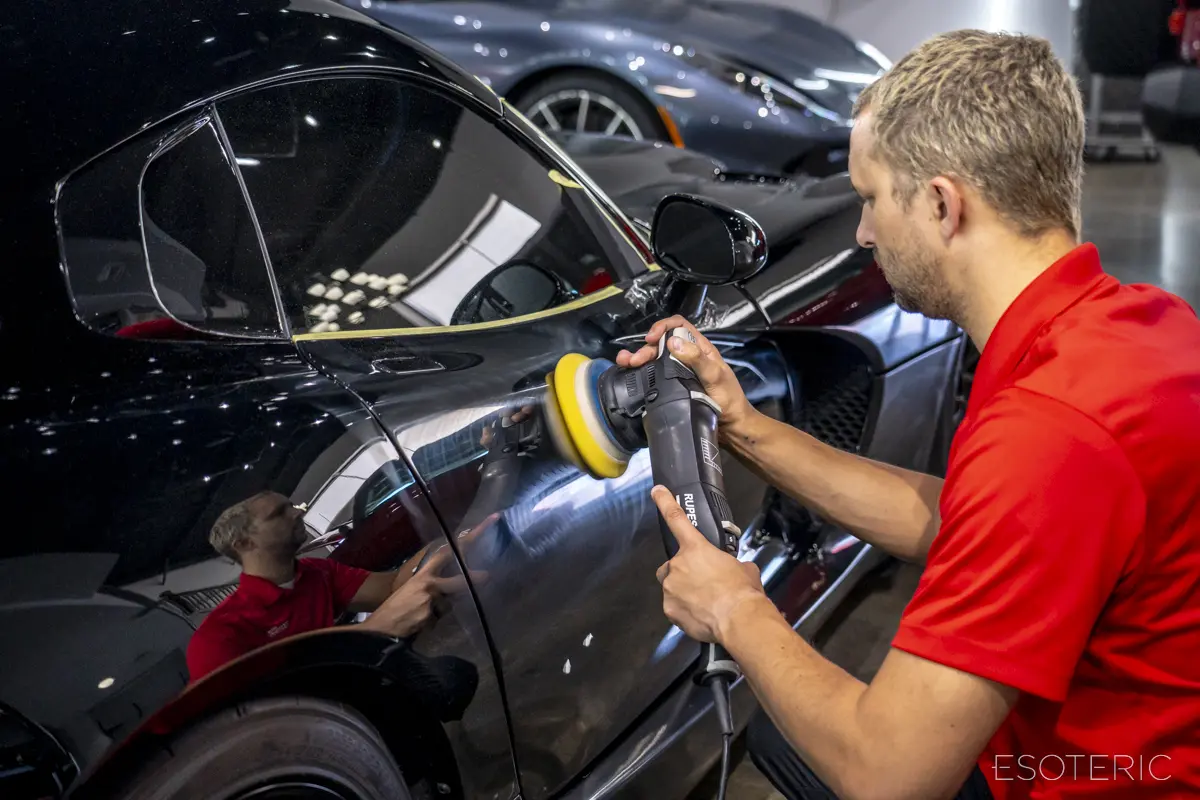
Credit: www.esotericdetail.com
DIY Vs Professional Polishing
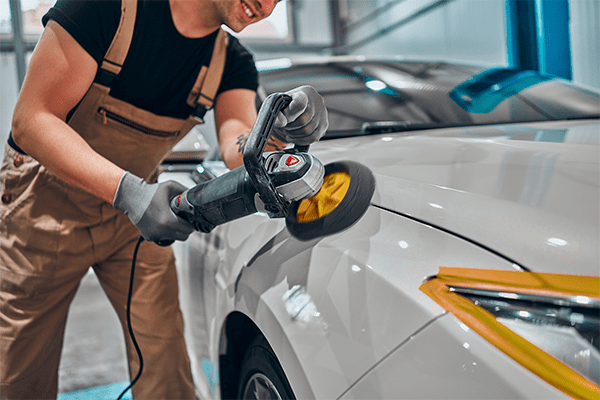
Deciding between DIY and professional polishing depends on car condition and budget. DIY suits minor blemishes; professionals handle deeper scratches. Polishing every 6-12 months maintains shine and protects paint.
Pros And Cons Of Diy
DIY car polishing saves money. You can learn new skills. It’s fun and rewarding. But it takes time and effort. You need the right tools. Mistakes can damage your car. Results may not be perfect. Doing it yourself gives control. But it might not look professional. You may need to polish often. Weather affects DIY results. Dust and dirt can slow you down.
Benefits Of Professional Services
Professional services give expert results. They use advanced tools and techniques. Your car looks shiny and new. Professionals save you time. They work fast and efficiently. Your car gets protection from damage. They know how to handle different car types. You can trust their experience. Professionals polish less often. Their work lasts longer. It’s worth the cost for quality. Your car is in safe hands.
Maintaining Car Shine Between Polishes
Clean your car every week. Dirt and dust can harm the paint. Use gentle soap and water. Rinse it well to avoid spots. Dry with a soft cloth. This keeps the car shiny and neat.
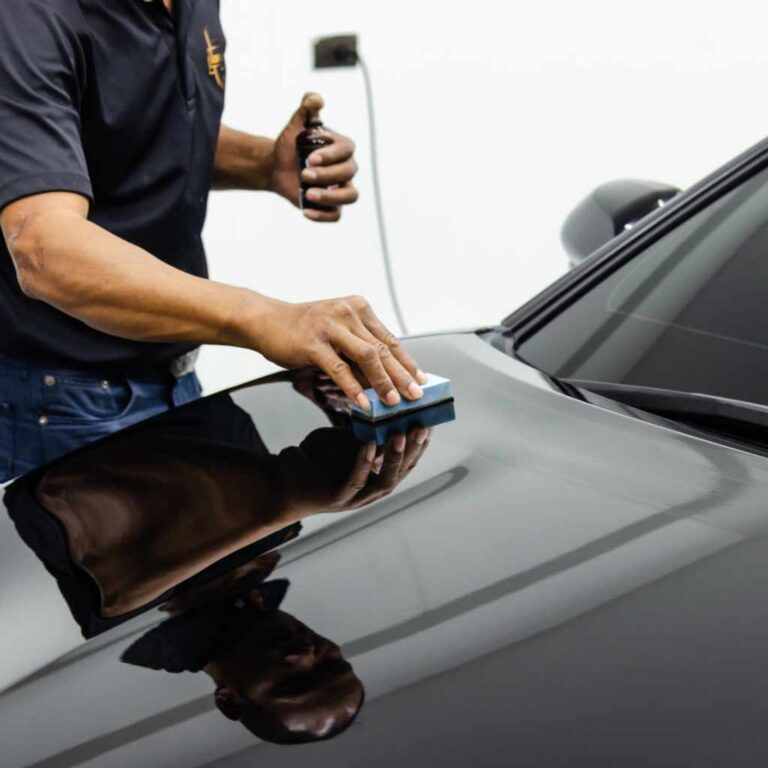
Wax your car every three months. Wax adds a protective layer. It helps the paint last longer. Spread the wax in small circles. Let it dry and then wipe it off. Wax makes the car shine brighter.
Protective coatings are like strong shields. They guard the car’s paint. These coatings last longer than wax. Apply them once a year. They keep the car looking new. Your car stays shiny and safe from damage.

Credit: www.drbeasleys.com
Frequently Asked Questions
How Frequently Should I Polish My Car?
Polish your car every 3-6 months to maintain shine and protect its paint. Frequent polishing helps remove scratches and oxidation. Consider factors like driving conditions and climate. Regular polishing enhances your car’s appearance and longevity. Ensure to use quality products for best results.
How Long Does Polish Last On A Car?
Car polish typically lasts 1 to 3 months. Duration depends on factors like weather, type of polish, and maintenance. Regular upkeep and using high-quality products can extend polish lifespan. Ensure proper application for best results.
Can A Car Be Polished Too Much?
Yes, excessive polishing can damage a car’s paint. It removes a thin layer each time, risking paint thinning. Use polish sparingly to maintain the car’s finish and protect its appearance. Regular waxing can help maintain shine without excessive polishing.
Is Car Polishing Necessary?
Car polishing maintains your car’s shine and protects the paint from damage. It enhances appearance and longevity. Regular polishing removes minor scratches and dirt, ensuring a clean and glossy finish. It’s essential for keeping your vehicle looking its best and preserving its value over time.
Conclusion
Polishing your car regularly keeps it shiny and protected. Aim for every three to six months. Frequency depends on your car’s exposure to elements. Consider your driving conditions and storage. A well-polished car maintains its paint and looks appealing. Regular maintenance prevents damage and saves money over time.
Pay attention to signs of wear or dullness. Each car is unique; adjust your schedule as needed. Keep your vehicle looking its best with consistent care. Remember, a little effort goes a long way in preserving your car’s appearance.