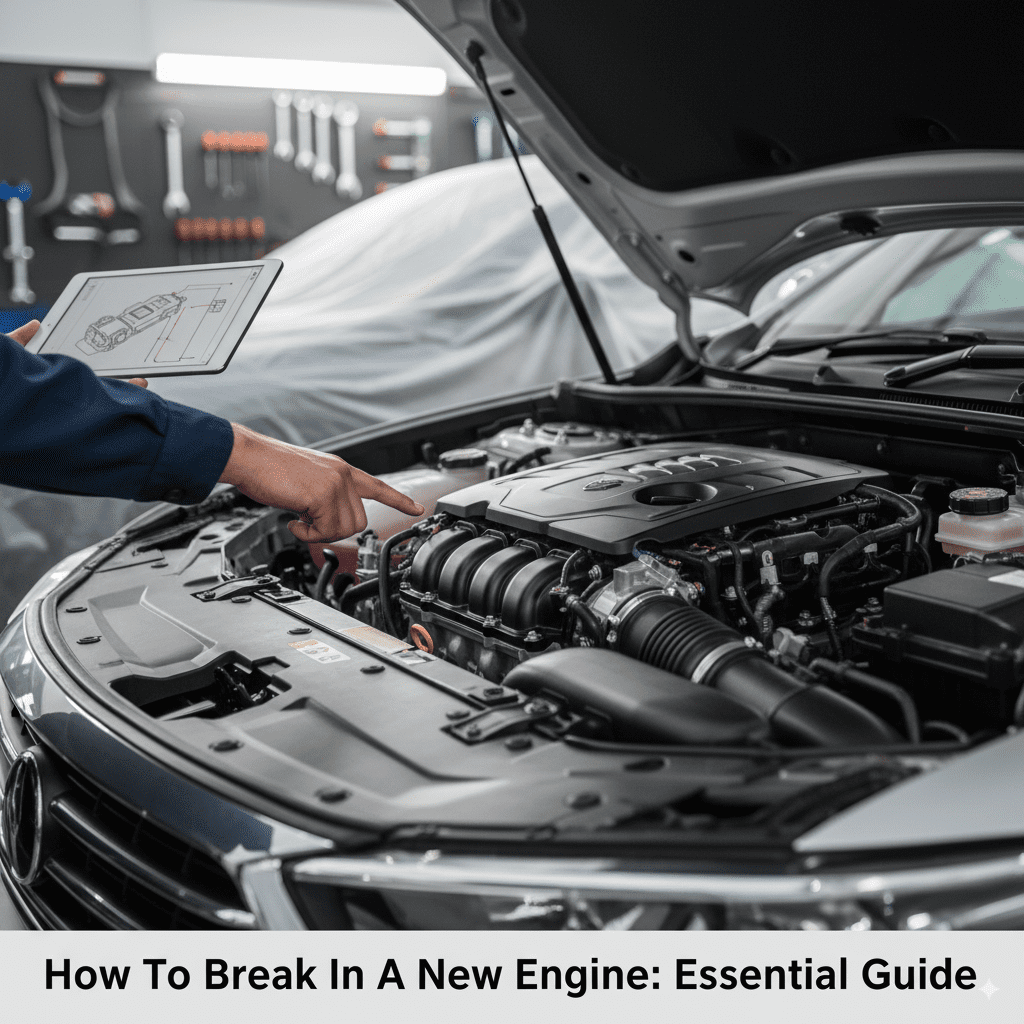
How To Break In A New Car Engine: Essential Guide
Don’t stress about your new car’s engine! Breaking it in correctly is simple and essential for its long life. This guide shows you exactly how to do it, keeping your engine running smoothly for years to come. We’ll cover everything from initial drives to simple checks, making sure your new ride starts its journey right.
So, you’ve got a brand-new car! That new car smell is amazing, and the thought of hitting the open road is even more exciting. But before you floor it and go on an epic road trip, there’s something important most experts recommend: breaking in the engine. For some, this sounds like a complicated task left to mechanics. Others might wonder if it’s even still necessary with modern manufacturing. The good news is, breaking in your new car’s engine is actually quite straightforward and makes a big difference in how reliable and long-lasting your vehicle will be. I’m here to walk you through exactly what you need to do, step-by-step, in plain English. Let’s get your new engine ready for a lifetime of adventure!
Why Is Breaking In A New Car Engine Important?
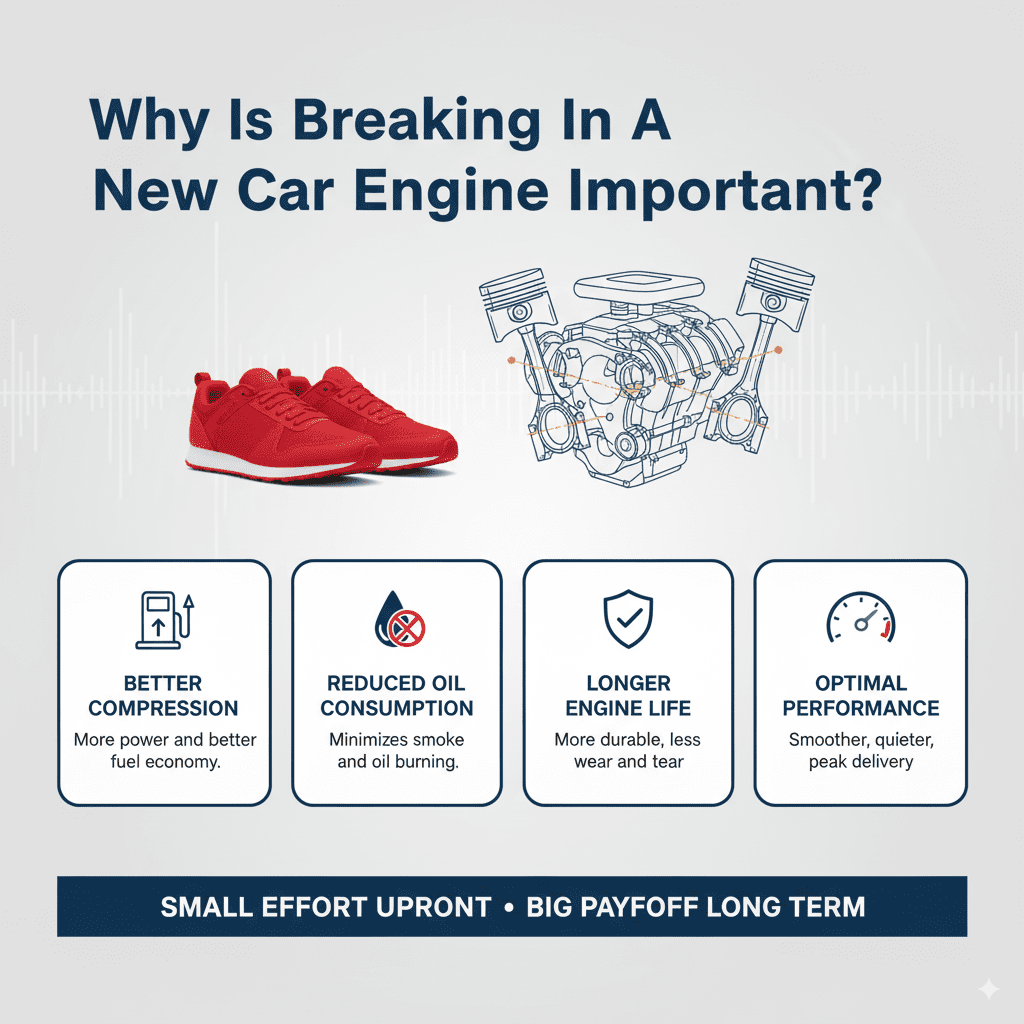
Think of your new engine like a brand-new pair of running shoes. They feel stiff at first, right? You need to wear them around a bit to make them comfortable and perfectly fitted to your feet. A new engine is similar. Inside, there are many finely machined metal parts, like the piston rings and cylinder walls, that need to gradually settle against each other. This process, often called “seating,” allows these parts to form a perfect seal. When this happens correctly, it leads to:
- Better Compression: A good seal means the engine can compress the fuel and air mixture more effectively, leading to more power and better fuel economy.
- Reduced Oil Consumption: Proper seating of piston rings helps prevent oil from leaking into the combustion chamber, minimizing smoke and oil burning.
- Longer Engine Life: A well-broken-in engine is generally more durable and less prone to premature wear and tear.
- Optimal Performance: Your engine will run smoother, quieter, and deliver its best possible performance throughout its life.
While modern manufacturing is superb, a careful break-in period still helps these components mate perfectly. It’s a small effort upfront that pays off big time in the long run for your car’s health and value.
How To Break In A New Car Engine: A Step-by-Step Guide
Breaking in a new car engine is all about varying the load and speed during the first few thousand miles. This gentle approach allows the internal components to wear in smoothly. Here’s what you need to do:
1. Read Your Owner’s Manual (Seriously!)
This is the absolute first step and the most crucial. Your car’s manufacturer knows best. The owner’s manual will have specific instructions tailored to your vehicle’s make and model. Some might have slightly different recommendations based on engine type or technology. Always prioritize what the manual says.
Key things to look for in your manual:
- Recommended mileage for the break-in period.
- Specific speed or RPM limits.
- Any restrictions on towing or heavy loads.
- Information about the first oil change.
2. Vary Your Speeds and RPMs
The main goal is to avoid prolonged periods at a single speed or engine RPM (Revolutions Per Minute). This means:
- Avoid Cruise Control: Especially on highways, turn off cruise control so your engine speed naturally fluctuates.
- Mix Up Your Driving: Combine city driving (with its stop-and-go traffic and varying speeds) with highway driving.
- Don’t Lug the Engine: Downshift if you feel the engine struggling at low RPMs.
- Don’t Redline: Keep your RPMs below a certain point. Your owner’s manual will specify this, but generally, staying below 3,000-4,000 RPM is a good rule of thumb for most cars.
Imagine you’re driving on a winding country road versus a straight interstate. The varied speeds and gear changes on the country road are great for engine break-in.
3. Keep Initial Drives Short and Varied
For the first few hundred miles, it’s best to keep your drives relatively short and varied. This allows the engine to warm up and cool down a few times, which is also beneficial for the break-in process. Avoid very long, continuous highway drives right away.
4. Avoid Hard Acceleration and Braking
The first 1,000 miles or so are not the time for aggressive driving. This means:
- Gentle acceleration: Press the accelerator smoothly.
- Easy braking: Allow the car to slow down naturally when possible, and brake gently.
This helps the engine and other components, like the transmission and brakes, settle in without undue stress.
5. Limit High-Performance Driving and Towing
Unless your owner’s manual specifically states otherwise, it’s wise to avoid:
- High-performance driving: No track days or aggressive performance testing.
- Heavy loads: Avoid towing trailers or carrying very heavy loads.
- Long idling: Minimize extended periods of the engine running while stationary.
These activities put extra strain on a new engine that is still in its critical breaking-in phase.
6. Monitor Fluid Levels
It’s a good habit to check essential fluid levels regularly, especially in a new car. Keep an eye on:
- Engine Oil: This is the most critical. Ensure it’s at the proper level on the dipstick.
- Coolant: Make sure the coolant reservoir is within the optimal range.
- Brake Fluid: Check the brake fluid level.
While leaks are rare in new vehicles, being proactive can catch any minor issues early. For detailed instructions on how to check these fluids, you can refer to reliable automotive resources and your owner’s manual. For example, the U.S. Department of Energy’s FuelEconomy.gov often provides general tips on vehicle maintenance that can indirectly support engine longevity.
7. Plan for the First Oil Change
Most manufacturers recommend a first oil change anywhere between the first 500 to 5,000 miles. Your owner’s manual will specify the exact interval. This first oil change is important:
- It removes any microscopic metal particles that may have worn off during the break-in process.
- It replaces the initial factory fill oil with fresh oil that’s ready for regular service.
When you go for this change, consider asking your mechanic to specifically check for anything unusual during the oil drain, like excessive metal shavings.
Break-In Period Recommendations: A General Table
While your owner’s manual is the ultimate guide, here’s a general table that outlines common recommendations for breaking in a new engine. Always cross-reference this with your vehicle’s specific requirements.
| Mileage Range | Key Recommendations | What to Avoid |
|---|---|---|
| 0-200 miles | Gentle acceleration and braking. Vary speeds frequently. Keep RPMs moderate (under 3,000-4,000). | Hard acceleration, sudden braking, prolonged high RPMs, cruise control. |
| 200-500 miles | Continue varying speeds. Start introducing slightly higher, but still moderate, RPMs occasionally. Gentle towing (if absolutely necessary and within limits). | Aggressive driving, redlining the engine, heavy towing. |
| 500-1,500 miles | Can drive more normally but still avoid extremely hard acceleration or pushing the engine to its limits. Consider first oil change around 1,000 miles, depending on manufacturer. | Redlining, excessive high-speed driving in one gear, heavy-duty towing. |
| 1,500+ miles | Continue normal driving habits. Engine is generally considered “broken in.” Follow manufacturer’s recommended maintenance schedule. | None specific to break-in, but always drive responsibly. |
Note: The exact mileage for recommendations can vary significantly. Always defer to your owner’s manual.
What About Modern Engines? Is Break-In Still Necessary?
This is a common question, and the answer is generally yes, though the intensity of the break-in period has decreased over the years due to advancements in manufacturing. Today’s engines are built with much tighter tolerances and highly durable materials, meaning the critical physical “mating” of parts is less pronounced than it was decades ago. However, the principles of varying load and RPMs still hold true:
- Variability is Key: Even with modern precision, allowing piston rings to seat properly against cylinder walls under varied conditions ensures the best possible seal.
- Component Wear: Other components like the transmission, brakes, and differentials also benefit from a gentler initial period.
- Manufacturer Recommendations: Car manufacturers still provide break-in procedures for a reason – it contributes to the long-term reliability and performance they design into the vehicle.
So, while you might not need to baby your new car quite as excessively as older models, following the break-in guidelines is still a wise practice for optimal engine health and longevity.
Common Misconceptions About Engine Break-In
There are a few myths floating around about breaking in new car engines. Let’s clear them up:
-
Myth: You have to drive like a grandma for thousands of miles.
Reality: It’s not about being overly slow, but about varying your speed and RPMs. Occasional moderate acceleration is fine, but sustained hard acceleration or extremely high RPMs should be avoided. -
Myth: Modern engines don’t need a break-in period at all.
Reality: As discussed, while much improved, the benefits of a varied break-in period for ensuring optimal wear and sealing still apply. -
Myth: You must change the oil immediately after buying the car.
Reality: Most manufacturers recommend waiting for a specific mileage interval for the first oil change, often between 1,000 and 5,000 miles. The initial factory oil is formulated for this initial period. -
Myth: You can’t use cruise control at all during the break-in.
Reality: While it’s best to avoid prolonged use of cruise control, occasional use on flatter stretches of highway is generally acceptable, especially in later stages of the break-in period. The key is to still vary your RPMs as much as possible during your overall driving.
Tools You Might Need (For Checking Fluids)
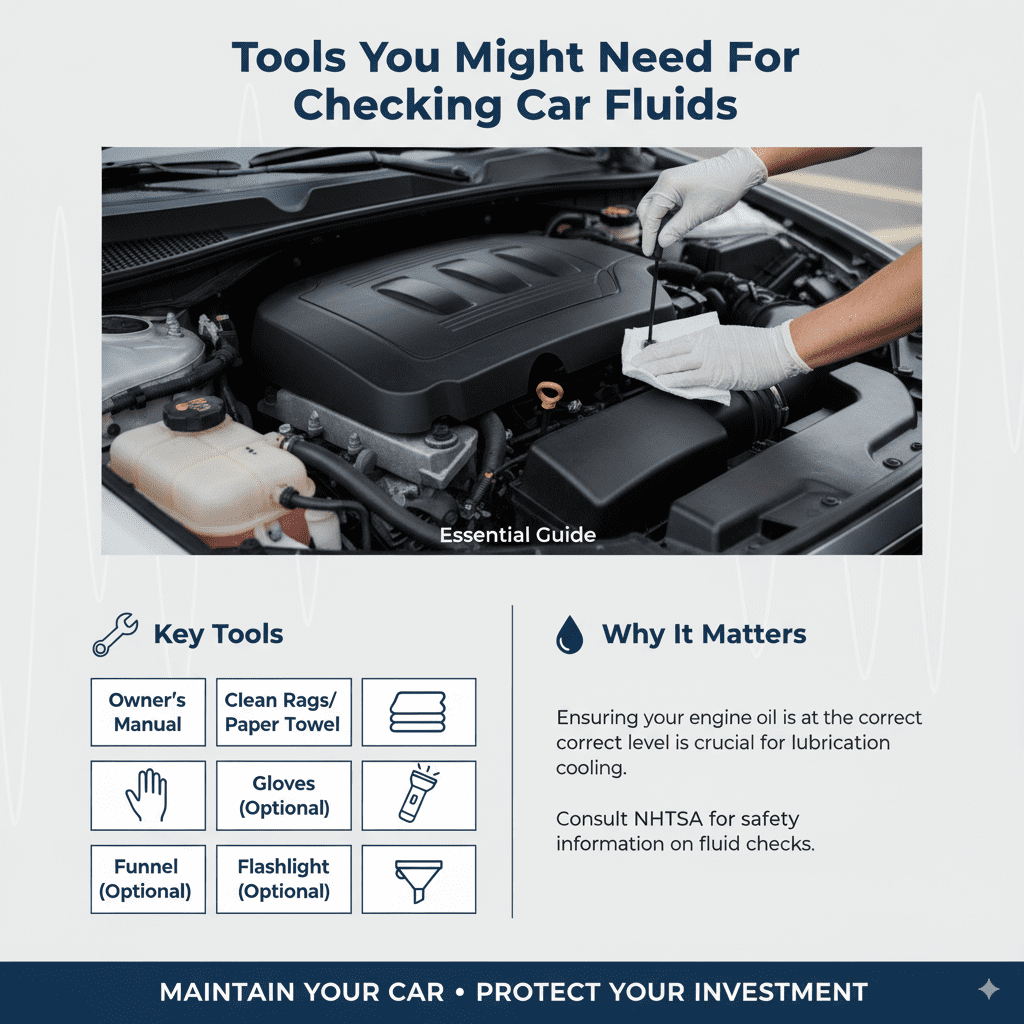
For basic fluid checks, you usually won’t need many specialized tools. Most of what you need is already in your car or easily accessible, but here’s a quick list:
- Owner’s Manual: Your most important tool!
- Clean Rags or Paper Towels: For wiping dipsticks and any minor spills.
- Gloves (Optional): To keep your hands clean. Disposable latex or nitrile gloves work well.
- Flashlight (Optional): Helpful for seeing fluid levels in darker engine bays.
- Funnel (Optional, for adding fluids): If you need to top anything off, a funnel prevents mess.
Ensuring your engine oil is at the correct level is crucial for lubrication and cooling. For detailed safety information on checking engine fluids, consult resources like NHTSA’s vehicle safety information, which emphasizes driver awareness and basic vehicle checks.
Frequently Asked Questions (FAQ)
Q1: How long does the engine break-in period typically last?
A1: The break-in period typically lasts for the first 500 to 1,500 miles, though some manufacturers recommend up to 3,000 miles for certain components. Always check your owner’s manual for the exact duration specific to your vehicle.
Q2: Can I use my new car for long road trips during the break-in period?
A2: It’s generally best to avoid very long, continuous highway trips during the initial 1,000 miles or so. Mix your driving with city and highway conditions to vary speeds and RPMs. If you must take a road trip, try to incorporate stops and take routes that aren’t just flat, unchanging highways.
Q3: What happens if I don’t break in my new engine properly?
A3: While modern engines are robust, improper break-in can lead to reduced engine efficiency, increased oil consumption, and potentially a shorter overall lifespan. It might not cause immediate problems, but it can affect the engine’s performance and durability over time.
Q4: Can I tow a small trailer during the break-in period?
A4: It’s usually recommended to avoid towing or carrying heavy loads during the first 500-1,000 miles. Check your owner’s manual for specific guidance, as some vehicles may have different recommendations depending on their design and intended use.
Q5: What RPM range is generally considered safe for breaking in a new engine?
A5: As a general guideline, try to keep your engine RPMs below 3,000 to 4,000 RPM during the break-in period. Avoid redlining the engine at all costs. Your owner’s manual will provide precise limits.
Q6: Is it okay to let my new car idle for long periods during break-in?
A6: It’s best to minimize prolonged idling during the break-in period. Idling means the engine is running but not generating much power or varying its internal pressures, which isn’t ideal for seating components. Drive the car rather than letting it sit and idle.
Q7: Does driving in different weather conditions affect engine break-in?
A7: Not significantly. The most important factor is varying your speed and engine load. Whether it’s hot or cold outside, the principle of gentle, varied driving remains the same for breaking in your engine.
Conclusion
Taking a little extra care during the first few thousand miles of your new car’s life makes a significant difference in its long-term health and performance. Breaking in your engine isn’t a difficult or time-consuming process; it’s simply about mindful driving. By varying your speeds, avoiding extreme conditions, and paying attention to your owner’s manual, you’re setting your new car up for a smooth, reliable, and long-lasting journey. Enjoy that new car feeling, knowing you’re giving it the best possible start!