How to Check a Car Alternator: Expert Guide
Have you ever found yourself stuck on the side of the road with a car that just won’t start? It’s a frustrating experience, and often the culprit is a faulty alternator.
Your car’s alternator is a crucial component that keeps your battery charged and your vehicle running smoothly. But how can you tell if it’s working properly? Knowing how to check a car alternator can save you time, money, and hassle.
In this guide, you’ll discover simple steps to assess your alternator’s health, so you can avoid unexpected breakdowns and costly repairs. By the end, you’ll feel confident in your ability to ensure your car’s electrical system is in top shape. Ready to take control of your car’s performance? Let’s dive in.
Signs Of Alternator Problems
Dimming lights can mean alternator trouble. Your car lights should stay bright. If they dim, it may be the alternator. This happens because the alternator is not giving enough power.
The battery warning light is important. This light may come on when the alternator is bad. It shows a battery symbol on your dashboard. Never ignore this light. It means your car needs checking.
Strange noises can also mean trouble. Whining or grinding sounds may point to the alternator. These sounds come from the engine area. If you hear them, it is wise to check the alternator soon.
Tools Needed For Testing
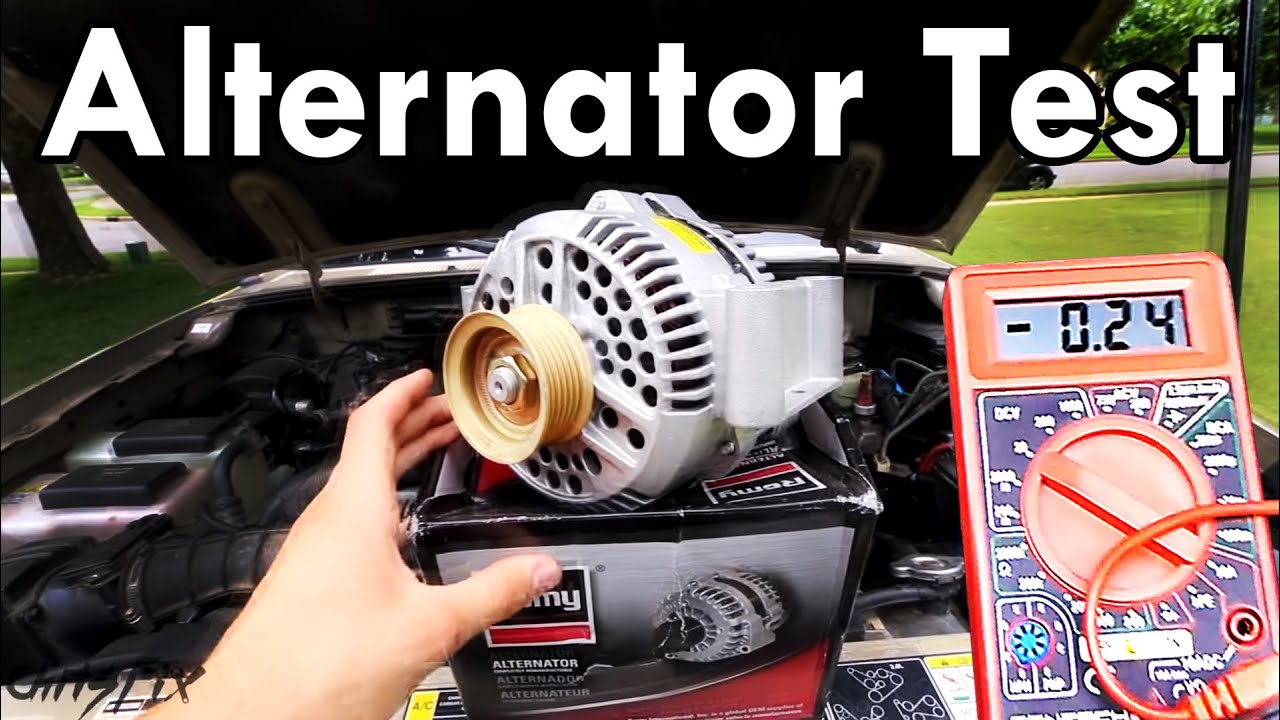
A multimeteris a key tool for testing alternators. It helps measure voltage and current. Set the multimeter to measure DC voltage. Connect the positive and negative probes to the battery terminals. The reading should be around 12.6 volts when the car is off. If the car is running, it should show 13.5 to 14.5 volts. This shows if the alternator is working well.
Wearing protective gearkeeps you safe. Always use safety goggles. They protect your eyes from sparks. Use gloves to protect your hands. They keep you safe from sharp parts. Also, wear a long-sleeve shirt. It helps protect your arms. Safety is very important when checking car parts.
Visual Inspection
Begin by looking at the connections on the alternator. Make sure they are tight and clean. Loose or dirty connections can cause problems. Use a brush to clean the terminals. Be gentle. A wire brush works well. Check for any broken wires. Fix any that you find.
Look at the belts around the alternator. They should be tight and not cracked. A loose belt might slip and not work well. Press the belt to check its tension. It should only move a little. If the belt is cracked or worn, it needs a replacement. A good belt makes the alternator work better.

Credit: www.instructables.com
Battery Voltage Test
First, find your car’s battery. It’s usually under the hood. Get a multimeter from your toolbox. Turn the dial to DC volts. Set it to 20 volts. This setting helps measure battery voltage. Check the multimeter screen. It should be clear and easy to read. Put the black probe on the battery’s negative side. It’s marked with a minus sign (-). Place the red probe on the positive side. It’s marked with a plus sign (+).
Look at the numbers on the screen. A healthy battery shows 12.6 volts or more. If it’s below 12.4 volts, the battery might be weak. Charge it and test again. If the battery is fine, the alternator might be the problem. Keep testing to find the right answer. This simple test helps find issues quickly. It’s important to check regularly.
Load Testing The Alternator
Gather your toolslike a multimeter and safety gear. Park the car on a flat surface. Ensure the car engine is offbefore starting. Open the hood and locate the alternator. Check that all wires and connections are tight. This helps avoid errors in the test.
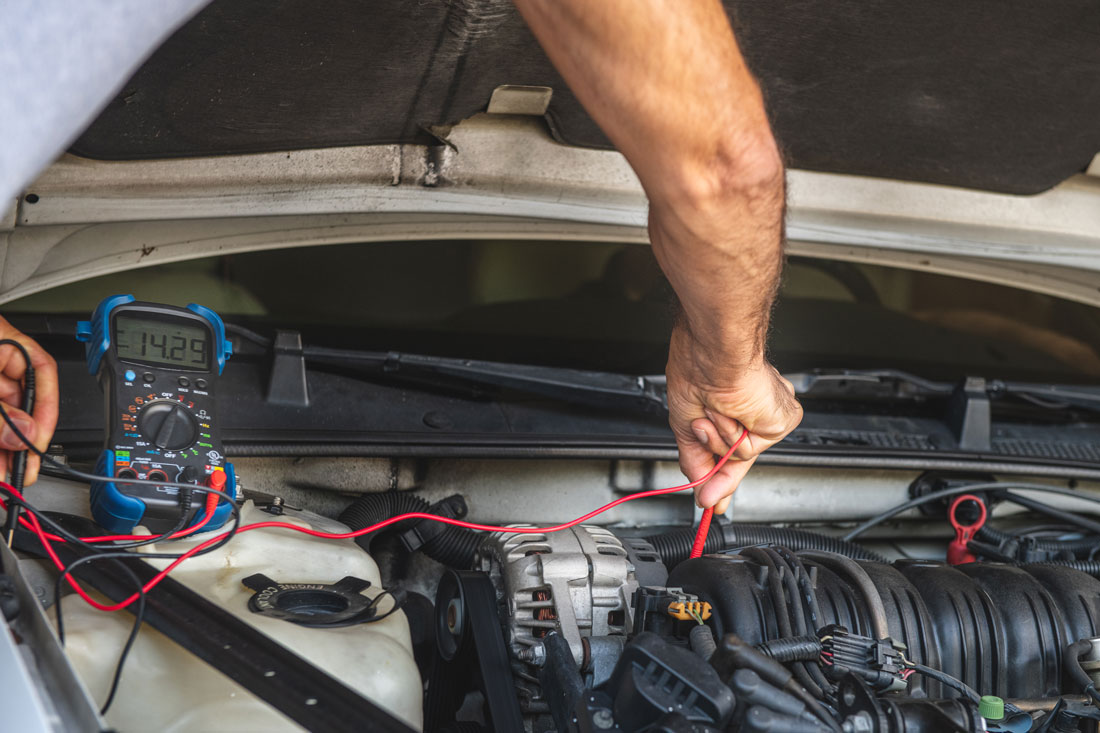
Start the car engine and let it idle. Connect the multimeter to the battery terminals. Set the multimeter to measure voltage. Read the voltage on the screen. It should show 13.8 to 14.4 volts. Turn on car accessories like lights and radio. Check if the voltage drops. A big drop means a weak alternator.
Credit: www.autozone.com
Alternator Bench Testing
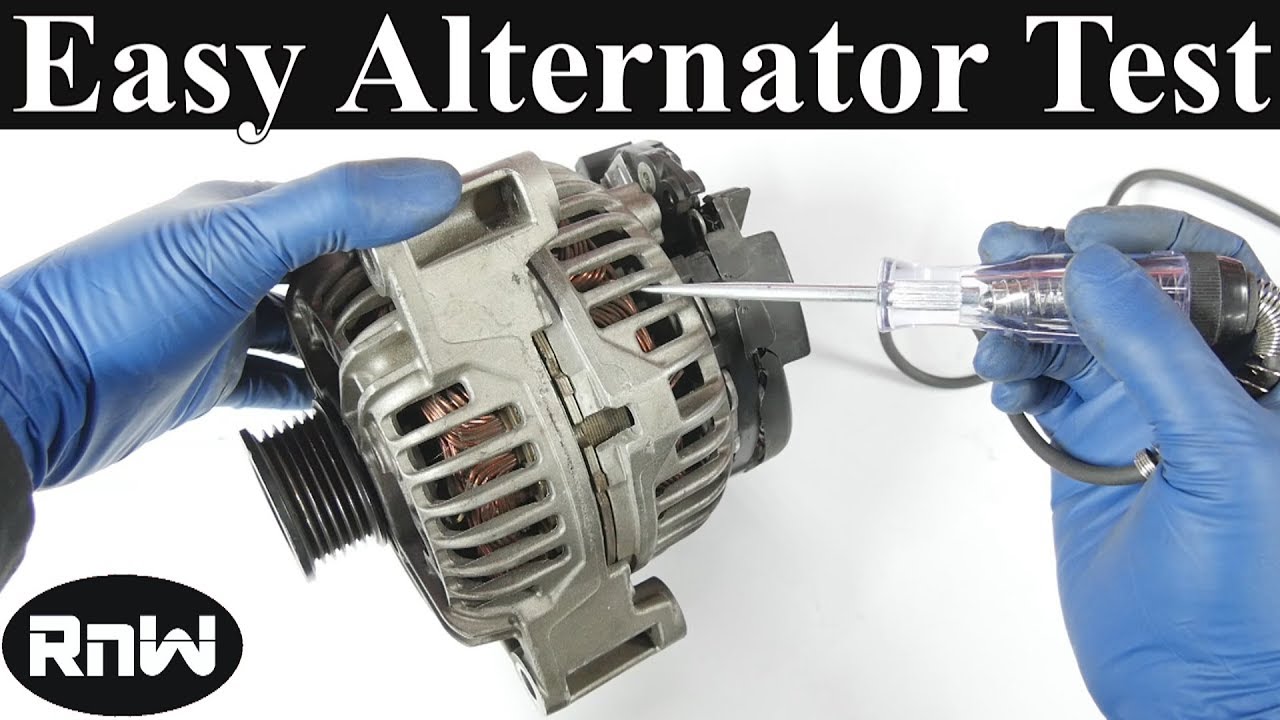
First, disconnect the car battery. This stops electric shocks. Locate the alternator. It’s near the engine. Use a wrench to loosen the bolts. Carefully remove the alternator. Handle it gently. It’s heavy. Place it on a workbench.
Get a multimeter. This tests electricity. Set it to measure voltage. Connect the multimeter to the alternator. Look at the screen. Numbers show the power. Check the readings. They must be within normal range. If not, the alternator is faulty.
Common Alternator Issues
Spotting issues with a car alternator involves checking for dimming headlights and battery failure. Listen for strange noises from the engine. Use a multimeter to test voltage output, ensuring it stays between 13. 8 to 15 volts while running. Detecting problems early can prevent larger electrical failures.
Worn Brushes
Brushes help the alternator create power. Old brushes cause the alternator to fail. Low power and flickering lights are signs of worn brushes. Brush wear happens over time. Regular checks can catch this early. Replace them to keep the alternator working well.
Faulty Voltage Regulator
The voltage regulator controls power flow. Faulty regulators cause too much or too little power. Battery problems and dim lights are common signs. These can lead to bigger issues. Checking the regulator can prevent car troubles. Ensure it works right for a smooth ride.
Alternator Replacement Tips
Checking a car alternator is essential for maintaining vehicle health. Begin by inspecting the alternator belt for wear. Listen for unusual noises while the engine runs. Use a multimeter to check the voltage output; it should be between 13. 5 and 14.
5 volts.
Choosing The Right Alternator
Picking the right alternator is very important. Check your car’s manual first. This book tells what you need. Look for the right size and power. Make sure the alternator fits your car. Buying the wrong one can cause problems. Choose a brand that is known for quality. A good alternator lasts longer. Ask a mechanic if you need help. They know which one is best. Do not rush the decision. Take your time and choose wisely.
Installation Process
First, turn off the car and wait. Safety is very important. Use tools to take out the old alternator. Be careful with wires and bolts. Keep them safe. Put the new alternator in the right place. Make sure it fits well. Attach the wires back carefully. Double-check everything before you finish. Start the car to see if it works. If unsure, ask an expert to help. It’s better to be safe.
Credit: www.youtube.com
Frequently Asked Questions
How Do You Check To See If Your Alternator Is Bad?
Check battery voltage with a multimeter. Low reading indicates alternator issues. Listen for unusual noises. Inspect belts for wear. Look for warning lights on the dashboard.
How Can I Test My Alternator Without A Tester?
Start the engine and disconnect the negative battery cable. If the engine stalls, the alternator might be faulty. Reconnect the cable immediately to avoid damage. Ensure headlights stay bright when the engine revs. Dim lights may indicate a weak alternator.
Always exercise caution during this test.
How Does Autozone Test An Alternator?
AutoZone tests alternators using specialized tools. Technicians connect the alternator to a machine that checks voltage output. They ensure the alternator provides sufficient power and identify any faults. This free service helps diagnose charging system issues. Regular testing can prevent unexpected vehicle failures.
What Is The Main Symptom Of A Bad Alternator?
A bad alternator often causes dim or flickering headlights. It struggles to maintain consistent electrical power. This symptom indicates reduced alternator efficiency. Additionally, it can lead to a drained battery. Proper diagnosis and timely repair prevent further vehicle issues. Ensure regular checks to maintain optimal performance.
Conclusion
Checking your car alternator is crucial for vehicle health. Regular inspection ensures it runs smoothly. Simple tools can help you assess its condition. Listen for unusual noises. Look for warning lights on the dashboard. Notice any dimming headlights? These are signs of a failing alternator.
Early detection can save costly repairs. Don’t ignore these symptoms. Take action promptly. Your car’s performance depends on a healthy alternator. Keep it in top shape for reliable rides. Maintain it regularly. Your car will thank you.