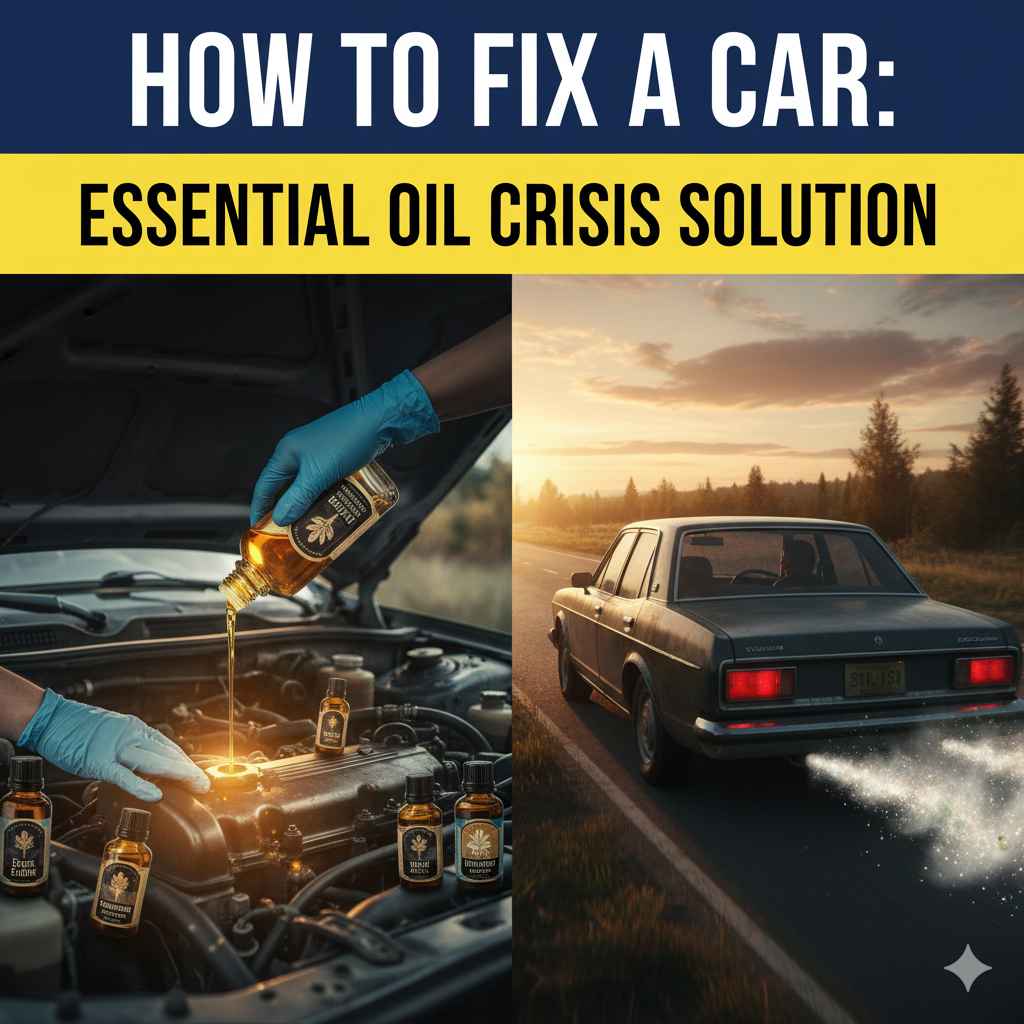
How to Fix a Car: Essential Oil Crisis Solution
If your car ran out of oil, stop driving immediately to prevent severe engine damage. Fixing this involves adding oil and checking for leaks. Serious issues may require professional help, but for minor cases, you can often resolve it yourself with these easy steps.
What to Do When Your Car Runs Out of Oil: An Essential Guide
It’s a moment that can send a jolt of panic through any driver: the oil pressure warning light flashes, or perhaps you notice a strange noise and smell. Your car has run out of oil. This situation feels like a true crisis, potentially leading to expensive repairs if not handled correctly. But don’t worry! As your trusted guide, Md Meraj, I’m here to demystify this problem. We’ll go through simple, step-by-step solutions that can help you get back on the road safely and confidently, without needing a mechanic for every little thing.
Running out of engine oil isn’t just an inconvenience; it’s a serious warning sign. Engine oil is like blood for your car’s engine. It lubricates moving parts, prevents friction and heat buildup, and keeps everything running smoothly. When there’s no oil, metal grinds against metal, which can cause catastrophic damage. The good news is that by acting fast and following a few key steps, you can often mitigate the worst of the damage and understand what needs to be done next. Let’s dive into how to tackle this “essential oil crisis” head-on.
Why Running Out of Oil is a Crisis
Think of your engine as a tiny city with millions of moving parts, all working in harmony. Engine oil is the unsung hero that keeps these parts from grinding each other to dust. It creates a thin film between components like pistons, crankshafts, and camshafts, allowing them to slide effortlessly. Without this lubricant:
- Friction: Metal-on-metal contact creates intense heat and wear.
- Overheating: Oil also helps to cool the engine. Lack of it leads to rapid temperature spikes.
- Seizure: In extreme cases, the engine can literally seize up, becoming inoperable. This is a very expensive fix, often meaning a complete engine replacement.
The oil pressure warning light, often an icon that looks like an old-fashioned oil can, is your first and most crucial alert. If this light comes on, pull over as soon as it’s safe to do so. Continuing to drive can turn a minor issue into a major, wallet-draining disaster.
Immediate Steps: When You Realize You’re Low or Out of Oil
This is the critical moment to act. Your primary goal is to stop any further potential damage to the engine.
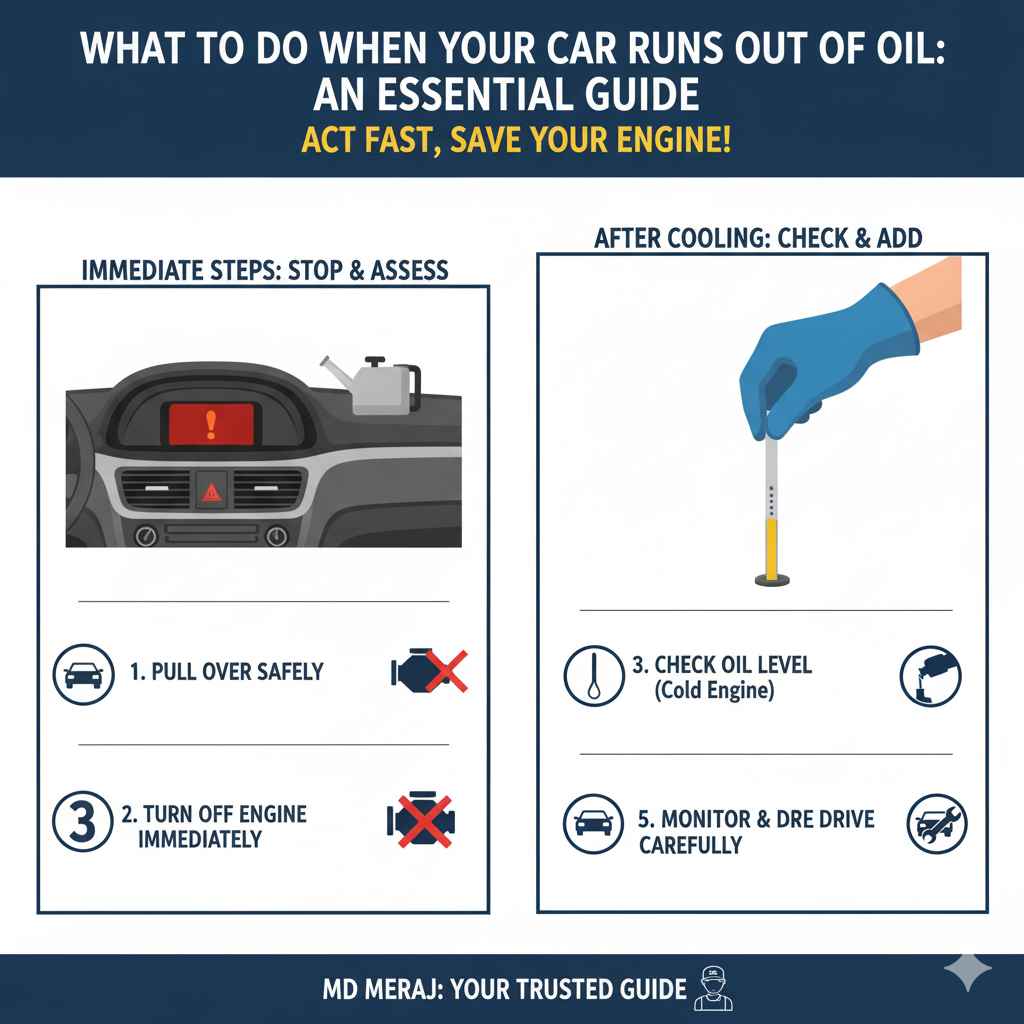
1. Pull Over Safely
As soon as you see the oil warning light or hear unusual noises suggesting an oil problem, find a safe place to stop. This means getting off the main road, onto the shoulder, or into a parking lot. Turn off the engine immediately. Do not try to drive back home or to a mechanic if you are far away. Every second the engine is running without oil compounds the problem.
2. Let the Engine Cool
Give the engine at least 15-30 minutes to cool down. This makes it safe to open the hood and check the oil level without risking burns. It also allows any remaining oil to settle to the bottom of the oil pan, giving you a more accurate reading.
3. Locate the Engine Oil Dipstick
Open the hood and locate the engine oil dipstick. It’s usually a brightly colored loop or handle (often yellow, orange, or red) sticking out of the engine block. Consult your car’s owner’s manual if you’re unsure of its location.
4. Check the Oil Level
Pull the dipstick out completely. Wipe it clean with a rag or paper towel. Reinsert the dipstick all the way back into its tube, then pull it out again. Examine the end of the dipstick. There will be markings indicating the proper oil level, typically labeled with ‘MIN’ and ‘MAX’ or ‘ADD’ and ‘FULL’. If the oil level is at or below the ‘MIN’ mark, your car is dangerously low or out of oil.
5. Assess the Oil’s Condition
While you’re checking the level, also look at the oil’s color and consistency.
- Normal Oil: Usually amber or brown.
- Dirty Oil: Dark brown or black. This indicates it’s time for an oil change but doesn’t necessarily mean the “crisis” was caused solely by the dirty oil unless it’s extremely thick or sludgy.
- Milky or Foamy Oil: This is a serious sign of coolant leaking into the oil. This requires immediate professional attention!
- Metal Shavings: If you see small metal particles in the oil, it indicates internal engine wear. This also warrants professional inspection.
How to Add Engine Oil (The Solution!)
If your dipstick reading confirms you’re low on oil, the immediate solution is to add the correct type and amount of oil. But where do you get it, and how much do you add?
Choosing the Right Oil
This is crucial! Using the wrong type of oil can cause more harm than good. Always refer to your car’s owner’s manual for the specific oil viscosity (e.g., 5W-30, 10W-40) and type (conventional, synthetic blend, full synthetic) recommended for your vehicle. You can usually find this information in the maintenance section or on a sticker under the hood. Most auto parts stores carry a wide range of oils, and their staff can help you find the correct one if you provide your car’s make, model, and year.
For a temporary fix in an emergency, if you absolutely cannot find the exact recommended oil, a conventional motor oil of a common viscosity might suffice to get you to a service station or home. However, be aware this is not ideal for long-term use. Consult reliable sources like AAA for general automotive advice: AAA Oil Recommendations.
Where to Get Oil
If you’re stranded, your options are limited:
- Nearest Gas Station: Most gas stations sell motor oil.
- Auto Parts Store: If you can get your car towed or have someone bring you oil.
- Roadside Assistance: If you have a service like AAA, they might be able to bring you a quart of oil.
How Much Oil to Add
Never just pour a whole gallon in! You need to add oil gradually.
- Add a small amount: Start by adding about half a quart (about half a liter) of oil.
- Wait and Re-check: Wait a minute or two for the oil to drain down into the oil pan.
- Re-check the dipstick: Use the dipstick to check the level again.
- Repeat if necessary: Continue adding small amounts (half a quart at a time) and re-checking until the oil level is between the ‘MIN’ and ‘MAX’ markers. Aim for the ‘MAX’ or ‘FULL’ mark, but do not overfill. Overfilling can also damage your engine.
Adding the Oil: The Procedure
Find the oil filler cap on top of the engine. It’s usually marked with an oil can symbol.
- Locate the filler cap: Remove the oil filler cap.
- Pour slowly: Carefully pour the oil into the opening. Use a funnel if you have one to avoid spills.
- Replace the cap: Once you’ve added the necessary amount and reached the correct level, securely replace the oil filler cap.
- Start the engine: Start the engine and let it run for a few minutes.
- Check for leaks: While the engine is running, look under the car for any signs of oil leaks around the oil pan or filter.
- Re-check dipstick: Turn off the engine, wait a few minutes, and check the dipstick one last time to ensure the level is correct and hasn’t dropped.
Important: Check for Leaks
Running out of oil isn’t just about a lack of fluid; it often means there’s a leak somewhere. After adding oil and starting the engine, a leak becomes even more critical to identify.
Common Places for Oil Leaks
- Oil Drain Plug: This plug at the bottom of the oil pan can loosen, or its washer can wear out.
- Oil Filter: If the oil filter wasn’t tightened properly or its rubber gasket is old, it can leak.
- Valve Cover Gasket: This seals the top of the engine. Age and heat can cause it to degrade.
- Oil Pan Gasket: Similar to the valve cover gasket, it seals the oil pan to the engine block.
- Rear Main Seal: This seal is located at the back of the engine where it connects to the transmission. Leaks here are more serious.
What to Do If You Find a Leak
If you notice an oil leak, even a small one after adding oil:
- For minor leaks (e.g., slight seepage): You might be able to drive cautiously to a mechanic. Keep a close eye on your oil level and add oil as needed.
- For significant leaks (e.g., dripping steadily): Do not drive the car. Call for a tow truck. Driving with a significant leak can quickly deplete your new oil and cause the same problems you were trying to avoid.
The Critical Importance of an Oil Change
Even if you’ve managed to add oil and haven’t noticed a major leak, getting your car to a mechanic for a full service is paramount. Running an engine low or out of oil, even for a short period, can cause internal wear. The mechanic should:
- Perform an oil change: Replace all the old oil with fresh, correct-spec oil.
- Replace the oil filter: An oil filter can become clogged, especially if it contributed to the problem.
- Inspect for damage: A good mechanic can often spot signs of internal engine damage that you might miss.
- Check for leaks thoroughly: They have the tools and expertise to find even elusive leaks.
Can I Drive My Car After It Ran Out of Oil?
The short answer is: only if absolutely necessary and for the shortest possible distance after adding oil. Here’s a breakdown:
Scenarios and Recommendations:
| Situation | What to Do | Risk Level |
|---|---|---|
| Oil light just came on, and you immediately add oil. | Add oil, drive immediately to nearest safe place or mechanic. Monitor oil level and listen for noises. | Low to Moderate |
| Engine made noises, and oil light was on. You added oil. | Do NOT drive. Have the car towed to a mechanic for inspection. Significant damage likely occurred. | High |
| Car completely lost power, and symptoms of no oil were present. Added oil. | Do NOT drive. Tow to a mechanic. Engine may be seized or severely damaged. | Very High |
| Found a significant leak after adding oil. | Do NOT drive. Tow to a mechanic. Driving will immediately drain new oil. | High |
It’s always better to err on the side of caution. The cost of a tow truck is far less than the cost of a new engine. Resources like the National Highway Traffic Safety Administration (NHTSA) offer valuable consumer advisories on vehicle maintenance and safety: NHTSA Vehicle Safety Information on Tires and Equipment (while this link is about tires, NHTSA.gov is an excellent resource for all vehicle safety and maintenance information).
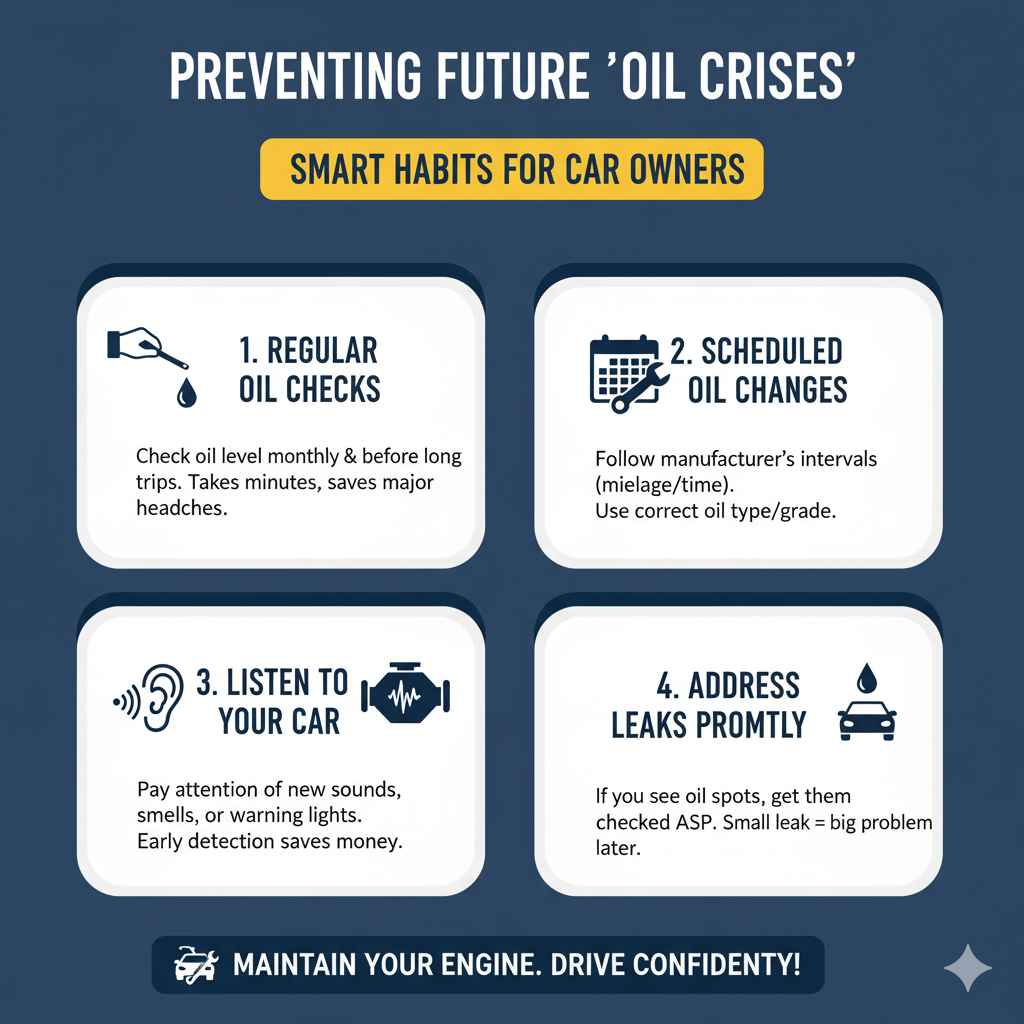
Preventing Future “Oil Crises”
The best way to “fix” this problem is to prevent it from happening in the first place. Regular maintenance is key!
Regular Oil Checks
Make it a habit to check your oil level at least once a month, and always before a long road trip. It takes only a few minutes and can save you from a major headache.
Scheduled Oil Changes
Follow your car manufacturer’s recommended oil change intervals. This is found in your owner’s manual. These intervals are based on mileage or time, whichever comes first. Using the correct type and grade of oil at these intervals is vital for engine longevity.
Listen to Your Car
Pay attention to any new sounds, smells, or warning lights. Don’t ignore them. Early detection of a problem is almost always easier and cheaper to fix.
Addressing Leaks Promptly
If you notice any oil spots under your car, get them checked out immediately. A small leak can become a big problem if left unaddressed.
Conclusion
Running out of engine oil can seem like a scary car crisis, but by remaining calm and taking the right immediate steps, you can often prevent the worst-case scenario. Remember to pull over safely, turn off the engine, check your oil level, and add the correct type and amount of oil if needed. Crucially, even if you manage to add oil and the car seems fine, it’s essential to have a mechanic inspect your vehicle. They can ensure there’s no internal damage and find any underlying leaks that caused the problem. By incorporating regular oil checks and scheduled maintenance into your routine, you can significantly reduce the risk of ever facing this “essential oil crisis” again. You’ve got this!
Frequently Asked Questions (FAQs)
What is the most important thing to do if my car runs out of oil?
The absolute most important thing is to stop driving your car immediately. Turn off the engine as soon as it is safe to do so. Continuing to drive without oil can cause catastrophic engine damage.
How do I check my car’s oil level?
Locate your car’s oil dipstick (usually a colored loop or handle). Pull it out, wipe it clean, reinsert it fully, then pull it out again. Check the oil level against the markings on the dipstick to see if it is between the ‘MIN’ and ‘MAX’ lines.
What kind of oil should I add to my car?
Always use the specific type and viscosity of oil recommended in your car’s owner’s manual. Using the wrong oil can be harmful. If you’re unsure, ask an auto parts store employee or consult your manual.
Can I drive my car if it ran out of oil and I just added some?
You should only drive the car for a very short distance to get to a safe location or the nearest mechanic after adding oil. It’s critical to monitor the oil level and listen for any unusual engine noises. If you suspect any damage or see leaks, it’s best to have it towed.
How much oil should I add if my car is low?
Add oil in small increments, about half a quart (or half a liter) at a time. Wait a few minutes for the oil to settle, then re-check the dipstick. Repeat until the level is between the ‘MIN’ and ‘MAX’ marks. Do not overfill.
What does it mean if my oil looks milky?
Milky or foamy oil is a serious sign that coolant is mixing with your engine oil, often due to a blown head gasket or other internal leak. This problem requires immediate professional repair and you should not drive the car.
How often should I check my car’s oil?
It’s a good practice to check your oil level at least once a month, and always before a long trip. This simple habit can prevent major issues down the line.