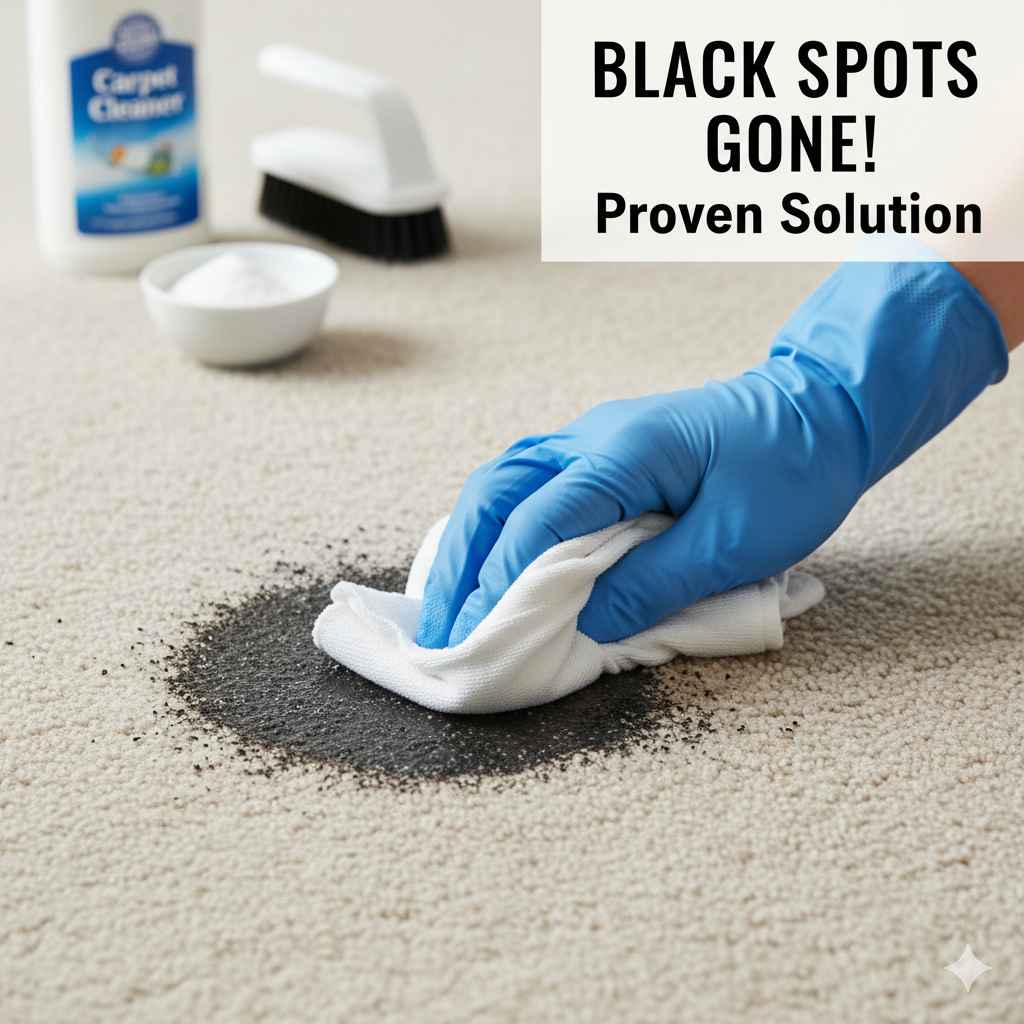
How to Get Rid of Black Spots on Carpet: Proven Solution
To get rid of black spots on carpet, act fast! Most common spots can be tackled with simple household cleaners like dish soap, vinegar, or baking soda. For tougher stains, a specialized carpet cleaner or a steam cleaner might be needed. Always blot, never rub, and test cleaners in an inconspicuous area first to protect your carpet.
Seeing those unwelcome black spots appear on your carpet can be frustrating, right? They seem to pop up out of nowhere, and no matter how clean you try to keep things, they just won’t disappear. You might be worried about expensive cleaning services or even having to replace your entire carpet. But don’t worry, most of these common carpet blemishes are easier to deal with than you think. We’re going to walk through some simple, effective ways to tackle these spots, bringing your carpet back to its best, step by step.
Understanding Black Spots on Your Carpet
Before we dive into cleaning, it’s helpful to know what kind of black spots we’re dealing with. Often, these aren’t just random marks. They can be caused by a variety of things:
- Dirt and Grime Buildup: Especially in high-traffic areas, dirt can get ground into the carpet fibers. Over time, this accumulated grime can appear as dark patches.
- Grease and Oil Stains: Spilled food, cooking oil, or even automotive grease can leave dark, oily marks that attract more dirt, making them look black.
- Mold and Mildew: If your carpet gets wet and doesn’t dry properly, mold and mildew can start to grow. This often appears as black or dark green spots and can have a musty odor. You can learn more about preventing mold damage from the U.S. Environmental Protection Agency (EPA).
- Ink and Dye Stains: Pens, markers, or colored liquids can leave stubborn dark marks.
- Pet Accidents: Dried pet urine can leave dark stains that become more visible over time.
- Soot: From fireplaces or candles, soot can settle on carpets and look like dark smudges.
The good news is that with the right approach, most of these can be removed successfully. The key is to identify the stain type if possible and choose the right cleaning solution and method. We’ll start with the gentlest methods and move to stronger solutions if needed.
Essential Tools and Supplies
Before you begin tackling those black spots, gather your cleaning arsenal. Having everything ready will make the process smoother and more effective. Here’s a list of items that will be very helpful:
Basic Cleaning Supplies
- Clean white cloths or paper towels (white is important so you can see how much dirt is transferring)
- Spray bottles
- Bucket
- Water (warm and cold)
- Vacuum cleaner
- Spoon or dull knife (for scraping away excess)
- Protective gloves (optional, but recommended for some cleaners)
Common Cleaning Solutions
- Mild dish soap (like Dawn or Palmolive)
- White vinegar
- Baking soda
- Blotting paper or clean towels
- Rubbing alcohol (for ink stains)
- Hydrogen peroxide (for tougher stains, use with caution)
- Commercial carpet stain remover (choose one appropriate for your carpet type)
- Carpet extraction cleaner or steam cleaner (for deep cleaning or stubborn stains)
Always remember to test any cleaning solution on a small, inconspicuous area of your carpet first. This is usually the part of the carpet that’s hidden under furniture. Wait a few minutes to see if it causes any discoloration or damage before applying it to the visible stain.
Gentle Methods for Common Black Spots
Let’s start with the least aggressive cleaning solutions. These are excellent for fresh stains or general dirt buildup.
Method 1: Dish Soap and Water
This is a fantastic first step for many types of stains, especially greasy ones. It’s gentle and widely available.
- Prepare the Solution: Mix about 1/4 teaspoon of mild dish soap with 1 cup of warm water in a spray bottle or bucket. Don’t use too much soap, as it can leave a residue that attracts dirt.
- Test Area: Spray or dab a small amount of the solution onto an inconspicuous spot of your carpet. Let it sit for a minute, then blot with a clean white cloth. Check for any adverse reactions.
- Apply to Stain: Lightly dampen a clean white cloth with the soap solution.
- Blot the Stain: Gently blot the black spot with the damp cloth. Start from the outside of the stain and work your way inward. This prevents the stain from spreading further. You should see some of the discoloration transferring to the cloth.
- Rinse: Dampen another clean cloth with plain cool water and blot the area to rinse out the soap residue.
- Dry: Blot the area with a dry cloth or paper towels to absorb as much moisture as possible. You can place a stack of paper towels weighted down with something heavy (like a book) on the spot overnight to draw out remaining moisture.
- Vacuum: Once completely dry, vacuum the area to help restore the carpet’s texture.
Method 2: White Vinegar Solution
Vinegar is a natural cleaner and deodorizer, effective against many common stains. Its acidity can help break down dirt and grime.
- Prepare the Solution: Mix equal parts white vinegar and cool water in a spray bottle.
- Test Area: As always, test this solution on an hidden spot of your carpet first.
- Apply to Stain: Spray the vinegar solution onto the black spot, making sure not to oversaturate the carpet.
- Let it Sit: Allow the solution to work on the stain for about 5-10 minutes.
- Blot the Stain: Using a clean white cloth, blot the stain gently from the outside in.
- Rinse: Dampen a clean cloth with plain water and blot the area to remove any vinegar residue.
- Dry: Blot thoroughly with dry cloths or paper towels until most of the moisture is gone.
- Vacuum: Once dry, vacuum the carpet. The vinegar smell will dissipate as it dries.
Method 3: Baking Soda Paste
Baking soda is a fantastic absorbent and mild abrasive. It’s great for lifting grease and odors.
- Prepare the Paste: Mix baking soda with a small amount of water to create a thick paste.
- Apply the Paste: Gently spread the paste over the black spot, ensuring it covers the entire stain.
- Let it Dry: Allow the paste to dry completely. This can take several hours. As it dries, it will absorb the stain and odor.
- Remove the Paste: Once dry, scrape away the hardened paste gently with a spoon or dull knife.
- Vacuum: Vacuum the area thoroughly to remove all baking soda residue.
- Address any Residue: If any discoloration remains, you can repeat the process or try the dish soap method.
Tackling Stubborn Black Spots
Sometimes, the simpler methods aren’t enough for deeply set or specific types of black stains.
Method 4: Hydrogen Peroxide (for Light-Colored Carpets)
Important Note: Hydrogen peroxide has mild bleaching properties. It’s best suited for light-colored carpets, and you must test it in an inconspicuous area first. If you have a dark or brightly colored carpet, skip this method or use it with extreme caution.
- Prepare the Solution: Use standard 3% hydrogen peroxide, readily available at drugstores. You can dilute it with an equal part of water if you’re concerned about its strength.
- Test Area: Apply a small amount to an hidden part of your carpet. Let it sit for 10 minutes, then blot. Check for any color change.
- Apply to Stain: Dampen a clean white cloth with the hydrogen peroxide solution.
- Blot Gently: Blot the black spot. You might see some bubbling, which is normal.
- Let it Sit: Allow the solution to sit on the stain for about 10-15 minutes (but not longer than 30 minutes).
- Rinse: Blot with a clean cloth dampened with plain water.
- Dry Thoroughly: Blot with dry cloths to remove excess moisture.
- Vacuum: Once dry, vacuum the area.
Method 5: Rubbing Alcohol (for Ink and Dye Stains)
Rubbing alcohol (isopropyl alcohol) is excellent for breaking down ink and dye-based stains.
- Test Area: Always test rubbing alcohol on a hidden spot first. Some carpet dyes can be affected.
- Apply to Stain: Dampen a clean white cloth or cotton ball with rubbing alcohol.
- Blot the Stain: Gently blot the ink or dye stain with the alcohol-dampened cloth. The ink should begin to transfer to the cloth.
- Repeat: Use a clean section of the cloth or a new cotton ball as it picks up the ink. Continue blotting until no more ink transfers.
- Rinse: Once the stain is gone or no longer transferring, blot the area with a cloth dampened with cool water.
- Dry: Blot with dry cloths.
- Vacuum: Once dry, vacuum.
Method 6: Commercial Carpet Stain Removers
If DIY solutions aren’t cutting it, a good quality commercial carpet cleaner can be very effective. These products are formulated to break down specific types of stains.
- Choose Wisely: Select a cleaner designed for the type of stain you have (e.g., pet stains, grease, general grime) and for your carpet material (e.g., synthetic, wool). Consult your carpet manufacturer’s care guide if possible for recommended cleaning products.
- Read Instructions: Carefully read and follow all instructions on the product label.
- Test Area: Apply a small amount to an inconspicuous spot to check for colorfastness and any adverse reactions.
- Apply: Apply the cleaner according to the product’s directions. This might involve spraying, dabbing, or using a special applicator.
- Wait: Allow the cleaner to work for the recommended dwell time.
- Blot or Extract: Blot the stain thoroughly with a clean cloth. Some products may require rinsing or extraction with a wet vacuum.
- Rinse and Dry: Rinse if instructed, and blot thoroughly with dry cloths.
- Vacuum: Once dry, vacuum.
For very tough or widespread stains, or if you’re dealing with potential mold, consider renting or purchasing a carpet extraction cleaner or a steam cleaner. These machines use hot water and cleaning solutions to deep clean carpet fibers and can often remove stains that surface treatments can’t. Always follow the manufacturer’s instructions for the machine and cleaning solution.
Carpet Care Best Practices to Prevent Black Spots
The best offense is a good defense! Protecting your carpet from getting dirty in the first place is always easier than cleaning it later.
Regular Vacuuming is Key
Make vacuuming a regular habit, ideally once or twice a week for most homes. High-traffic areas might need vacuuming more often. Regular vacuuming removes dry soil and debris before it can be ground into the carpet fibers and become a stubborn stain. Using a vacuum with good suction and the right attachments can make a big difference.
Deal with Spills Immediately
Accidents happen! The key is to tackle them the moment they occur. Blot up liquids immediately with a clean, absorbent cloth or paper towels. For solid spills, gently scrape up as much as possible with a spoon or dull knife before treating any remaining mark.
Use Doormats and Entry Rugs
Place doormats inside and outside entryways to catch dirt, mud, and moisture before it’s tracked onto your carpet. Regularly clean these mats as well.
Consider Protective Treatments
Many carpet manufacturers offer or recommend applying stain-repellent treatments. These treatments create a barrier on carpet fibers, making them more resistant to spills and easier to clean. You can often find DIY carpet protector sprays, but be sure they are compatible with your carpet type.
Maintain Good Indoor Air Quality
For mold and mildew prevention, ensure good ventilation in your home, especially in damp areas like bathrooms and basements. Fix any leaks promptly. If you live in a humid climate, a dehumidifier can help keep moisture levels down.
When to Call a Professional
While these DIY methods are effective for many situations, there are times when professional carpet cleaning is the best option:
- Large or Old Stains: If a stain is very large, has been there for a long time, or you’re unsure of its origin, a professional might have more advanced tools and solutions.
- Delicate Carpet Fibers: Some carpets, like silk or wool, require specialized cleaning methods that only professionals typically have. Incorrect cleaning can permanently damage these fibers.
- Mold Infestation: If you suspect significant mold growth, it’s a health hazard and should be addressed by professionals who can safely remove it and prevent its return.
- Unknown Stains: If you have no idea what caused the black spot, a professional carpet cleaner may be able to identify it and use the appropriate treatment.
- Restoring Old Carpets: For a deep clean that can revive the look of an older carpet, professional cleaning services offer powerful equipment and expertise.
Professionals have access to industrial-grade equipment and a wide range of specialized cleaning solutions. They can also often pinpoint the cause of mysterious stains and remove them without damaging your carpet.
FAQ: Your Carpet Spot Questions Answered
Q1: What is the fastest way to get rid of black spots on my carpet?
For fresh spills that are turning black, blot up as much as you can immediately. For typical grime spots, a quick solution of dish soap and water, applied with a cloth and blotted well, will often work fast. Always test first!
Q2: Can I use bleach to remove black spots from my carpet?
It is generally NOT recommended to use chlorine bleach on carpets, as it can permanently discolorize and damage the fibers. A diluted hydrogen peroxide solution can be a safer alternative for light-colored carpets, but always test it in a hidden spot first.
Q3: My black spots are in the high-traffic area of my living room. What’s the best approach?
High-traffic areas usually accumulate dirt and grime. Start with a dish soap and water solution. If that doesn’t work, try a white vinegar and water mix for more cleaning power. Regular vacuuming and eventually a professional deep clean can help prevent these spots from reappearing.
Q4: I spilled coffee and it left a black stain. How do I remove it?
Coffee stains can be tricky. After blotting up excess liquid, try the dish soap and water method first. If that doesn’t fully remove it, a vinegar and water solution can be effective. For stubborn coffee stains, a commercial carpet stain remover might be necessary.
Q5: How do I prevent black spots from returning after I clean them?
Regular vacuuming is your best bet. Also, address spills immediately, use doormats, and consider a carpet protector spray. Keeping the areas around your carpet clean can also help reduce the amount of dirt that transfers.
Q6: Can I use my pet’s stain remover on general black spots?
Many pet stain removers are designed to break down organic matter and odors, which can be effective on some types of black spots. However, it’s always best to check the product label to ensure it’s safe for general carpet cleaning and to test it in an inconspicuous area first, especially if the stain isn’t pet-related.
Conclusion: A Cleaner Carpet Awaits!
Don’t let those black spots on your carpet get you down. By understanding the potential causes and using the right techniques, you can effectively tackle most common stains. Remember to start with the gentlest methods, always test your cleaning solutions, and blot rather than rub. Regular maintenance, like frequent vacuuming and immediate spill cleanup, will go a long way in keeping your carpets looking fresh and clean.
If you encounter a particularly stubborn or mysterious stain, don’t hesitate to call in the professionals. With a little effort and the right approach, you can restore your carpet’s beauty and enjoy a cleaner, more welcoming home.