How to Start a Car in Cold Weather: Proven Tips
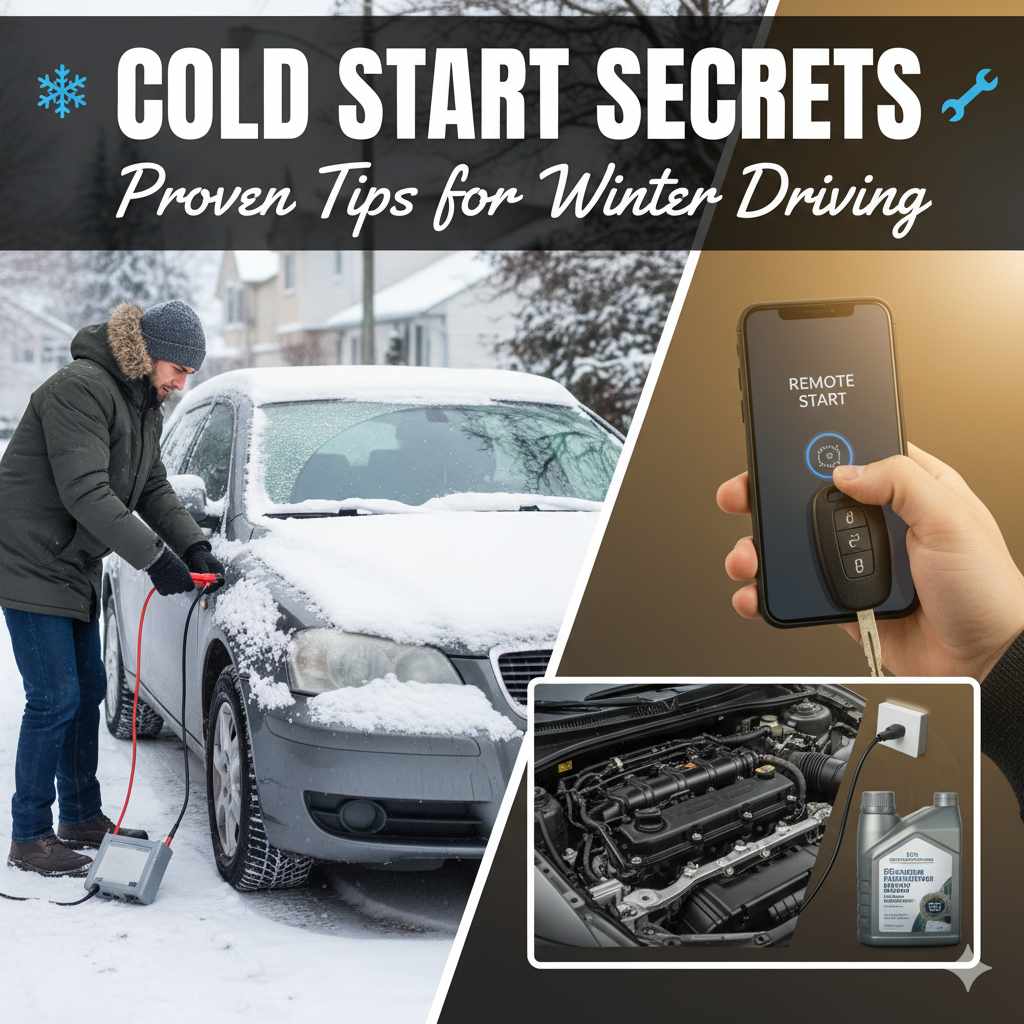
To start a car in cold weather, try letting the engine rest a moment before cranking, ensure your battery is charged, use the right fuel, and check for frozen components. If it struggles, gentle acceleration while cranking can help. Simple checks and preparation make a big difference!
Brrr! That feeling when you turn the key in your car on a freezing morning and all you hear is a weak click, or worse, nothing at all. It’s frustrating, right? Cold weather can be tough on our vehicles, and no one wants to be stranded. But don’t worry! Starting your car in the cold doesn’t have to be a battle. With a few simple tips and a little preparation, you can get your car running smoothly, even on the chilliest days. We’ll walk through easy steps to help you out.
Why Cold Weather is Tricky for Cars
Cold temperatures can make your car’s engine and electrical system work harder. Engine oil becomes thicker, making it harder for the engine to turn over. The battery, which is essential for starting your car, loses some of its power in the cold. Rubber and plastic parts can also become stiff and brittle. These factors combined can make starting your car a challenge.
Before You Even Turn the Key: Pre-Starting Checks
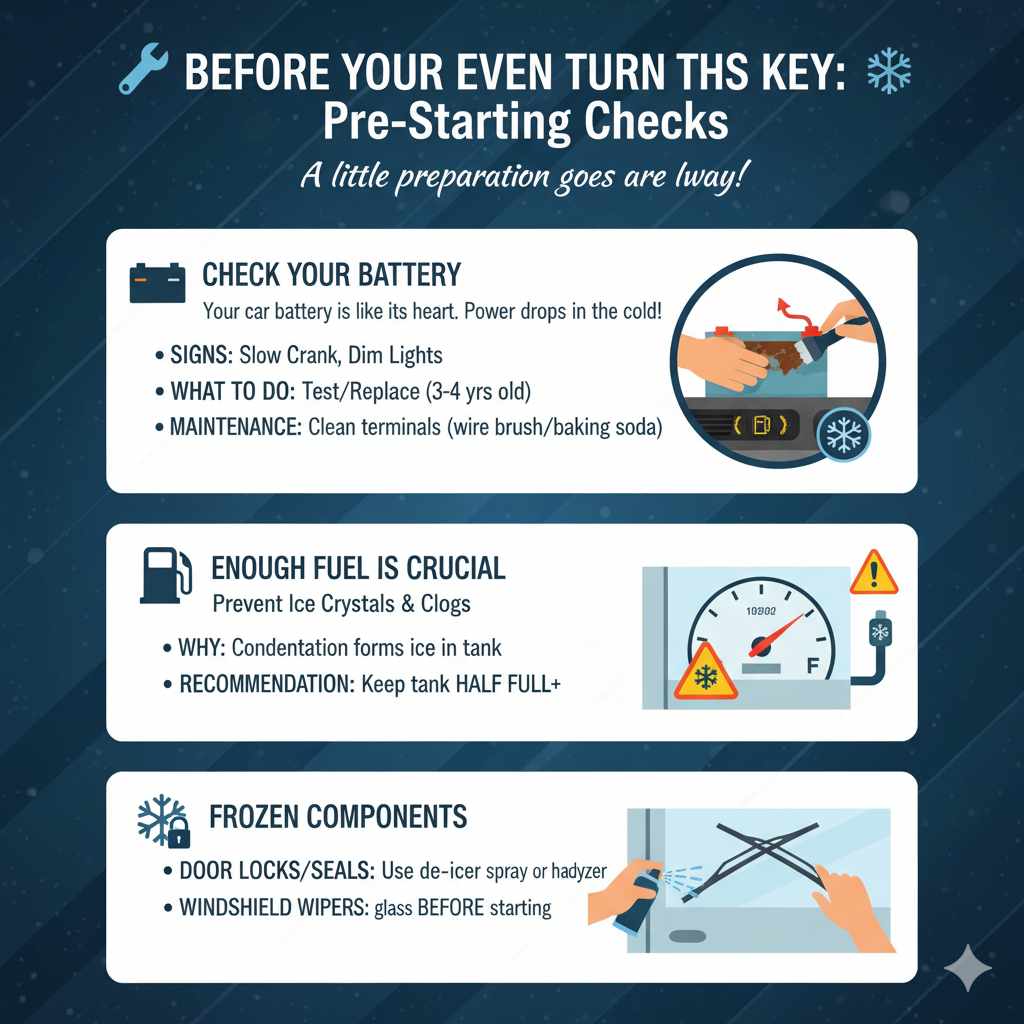
A little preparation goes a long way! Before you even think about turning that key, there are a few things you can do and check to make the process much easier.
1. Check Your Battery
Your car battery is like its heart. When it’s cold, batteries can lose up to 50% of their power. A weak battery might not have enough juice to crank the engine.
- Signs of a weak battery: Slow engine crank, dim headlights, or dashboard lights flickering.
- What to do: If your battery is old (more than 3-4 years) or you suspect it’s weak, consider testing it at an auto parts store. They can often do this for free. If it’s truly on its last legs, replacing it before winter hits is a smart move.
- Battery Maintenance: Ensure the battery terminals are clean and free of corrosion. You can clean them with a wire brush and a baking soda/water paste.
2. Ensure You Have Enough Fuel
This might sound obvious, but it’s crucial. In very cold weather, a near-empty fuel tank can be problematic.
- Why it matters: The remaining fuel in the tank can condense and form ice crystals. These can travel to your fuel lines and clog them, preventing fuel from reaching the engine.
- Recommendation: Try to keep your fuel tank at least half full during winter months. This also helps prevent condensation inside the tank.
3. Check for Frozen Components
Sometimes, the problem isn’t with the engine itself, but with things that are frozen shut.
- Door Locks and Seals: If your doors are frozen shut, don’t force them. Try using a de-icer spray on the lock cylinder or the rubber door seals. A hairdryer (carefully!) can also work if you have access to power.
- Windshield Wipers: Make sure your wipers aren’t frozen to the windshield. Lift them off the glass before trying to start your car.
The Step-by-Step Guide to Starting Your Car in Cold Weather
Okay, you’re ready to try starting your car. Follow these steps for the best chance of success.
Step 1: Give It a Moment
When it’s very cold, engine oil becomes thick like molasses. Forcing the engine to crank right away can be hard work for the battery and the starter motor.
- What to do: Before turning the key to crank the engine, turn the key to the “ON” position (just before starting) for about 10-15 seconds. This allows the fuel pump to prime the system and deliver fuel to the engine. It also gives any internal engine components a brief moment to get some initial lubrication.
Step 2: Crank the Engine (The Right Way)
This is where you turn the key to start the engine.
- Gentle Crank: Turn the key to the “START” position. Don’t hold it there for too long if the engine doesn’t immediately fire up. If it doesn’t start after about 5-10 seconds, stop trying.
- Wait and Try Again: Let the starter motor rest for at least 30 seconds to a minute. This prevents it from overheating and gives the battery time to recover a little power. Then, try cranking again.
- The Accelerator Trick (Use Sparingly): If your car is struggling, you can try gently pressing the accelerator pedal a little bit while you crank. This introduces a bit more air into the engine, which can help some older or carbureted engines start. For most modern cars with fuel injection, this isn’t usually necessary and can sometimes flood the engine if overdone. If you have a modern car, try this only if other methods fail, and press the pedal very lightly.
Step 3: If It Starts, Let It Warm Up Briefly
Congratulations, your car is running! Now, don’t immediately gun it.
- Gentle Idle: Let the engine idle for a minute or two. This allows the engine oil to circulate properly and warm up the engine components. Newer cars don’t need as long a warm-up as older ones, but a brief period is still beneficial.
- Drive Gently: When you start driving, ease into your acceleration. Avoid hard braking or sharp turns until your engine and transmission fluids have reached a more optimal operating temperature.
Troubleshooting: What If It Still Won’t Start?
If you’ve tried the steps above and your car still refuses to start, it might be time to look for other causes. Here are common culprits:
Dead Battery
This is the most common reason. If you hear a rapid clicking sound when you turn the key, or nothing at all, your battery is likely dead or very weak.
- Solution: You’ll need a jump-start from another vehicle or a portable jump starter. If the battery is old, it might need replacement. For information on jump-starting, you can find reliable guides from resources like NHTSA (National Highway Traffic Safety Administration), which offers general vehicle maintenance advice.
Frozen Fuel Line
As mentioned, moisture in the fuel can freeze.
- Symptoms: The engine might crank but not start, or it might sputter and die.
- Solution: You can try warming the fuel filter (if accessible) or the fuel lines using a hairdryer, or wait for warmer temperatures. Using a fuel additive designed to absorb water can prevent this in the future.
Ignition or Fuel System Issues
Less common, but possible. Problems with spark plugs, ignition coils, or the fuel pump itself can prevent starting.
- Solution: These issues usually require professional diagnosis and repair.
Frozen Exhaust Pipe
This is less common but can happen, especially if your car is parked where snow can pile up around the rear of the vehicle. A blocked exhaust pipe can prevent the engine from running.
- Solution: Check the exhaust pipe and clear any visible obstructions.
Preventative Measures for Winter Driving
The best way to deal with cold weather starting issues is to prevent them! Here are some excellent habits to adopt:
1. Winterize Your Battery
A healthy battery is your first line of defense.
- Regular Testing: Get your battery tested annually, especially before winter.
- Keep it Clean: Regularly check battery terminals for corrosion and clean them as needed.
- Consider a Battery Blanket:** In extremely cold climates, some people use battery blankets, which are heated wraps that help maintain optimal battery temperature.
2. Use the Right Oil
Engine oil viscosity (how thick it is) changes with temperature. In cold weather, thicker oil is harder to pump.
- Check Your Owner’s Manual: It will recommend the correct oil viscosity for your car and climate. For colder regions, using a multi-viscosity oil labeled with a lower “W” (Winter) number, like 5W-30 or 0W-20, is crucial.
- Synthetic Oil: Synthetic oils generally perform better in extreme temperatures, staying more fluid when cold and offering better protection when hot.
Table: Oil Viscosity Recommendations for Cold Weather
| Typical Ambient Temperature Range | Recommended “W” Oil Viscosity | Notes |
|---|---|---|
| Below -20°F (-29°C) | 0W-20, 5W-20 | Synthetic oil is highly recommended. |
| -20°F to 0°F (-29°C to -18°C) | 5W-20, 5W-30 | Consider synthetic for better flow. |
| 0°F to 50°F (-18°C to 10°C) | 5W-30, 10W-30 | Standard oils may suffice, but 5W is better for sub-zero temps. |
Always consult your vehicle’s owner’s manual for the exact specifications recommended by the manufacturer.
3. Keep Your Gas Tank Full
We’ve touched on this, but it bears repeating. A fuller tank means less air in the tank, which reduces the chance of condensation and freezing fuel lines.
4. Inspect Belts and Hoses
Cold temperatures can make rubber brittle. Check your car’s belts and hoses for cracks or signs of wear. A broken belt can prevent your car from starting or running.
5. Use a Block Heater (If Applicable)
For those living in extremely cold climates, a block heater is a lifesaver. This device heats the engine block and the coolant, making it much easier to start the car and reducing wear and tear. You’ll typically need to plug it into an outdoor electrical outlet a few hours before you plan to drive.
You can learn more about the benefits and use of block heaters from resources like automotive blogs or local auto repair shops that specialize in cold-weather preparation.
6. Consider a Battery Tender or Maintainer
If your car is stored for extended periods during winter, or if you have very old batteries, a battery tender can help keep it at optimal charge, preventing it from draining completely. This is especially useful if your car is parked outside and exposed to cold.
Your Cold Weather Car Care Checklist
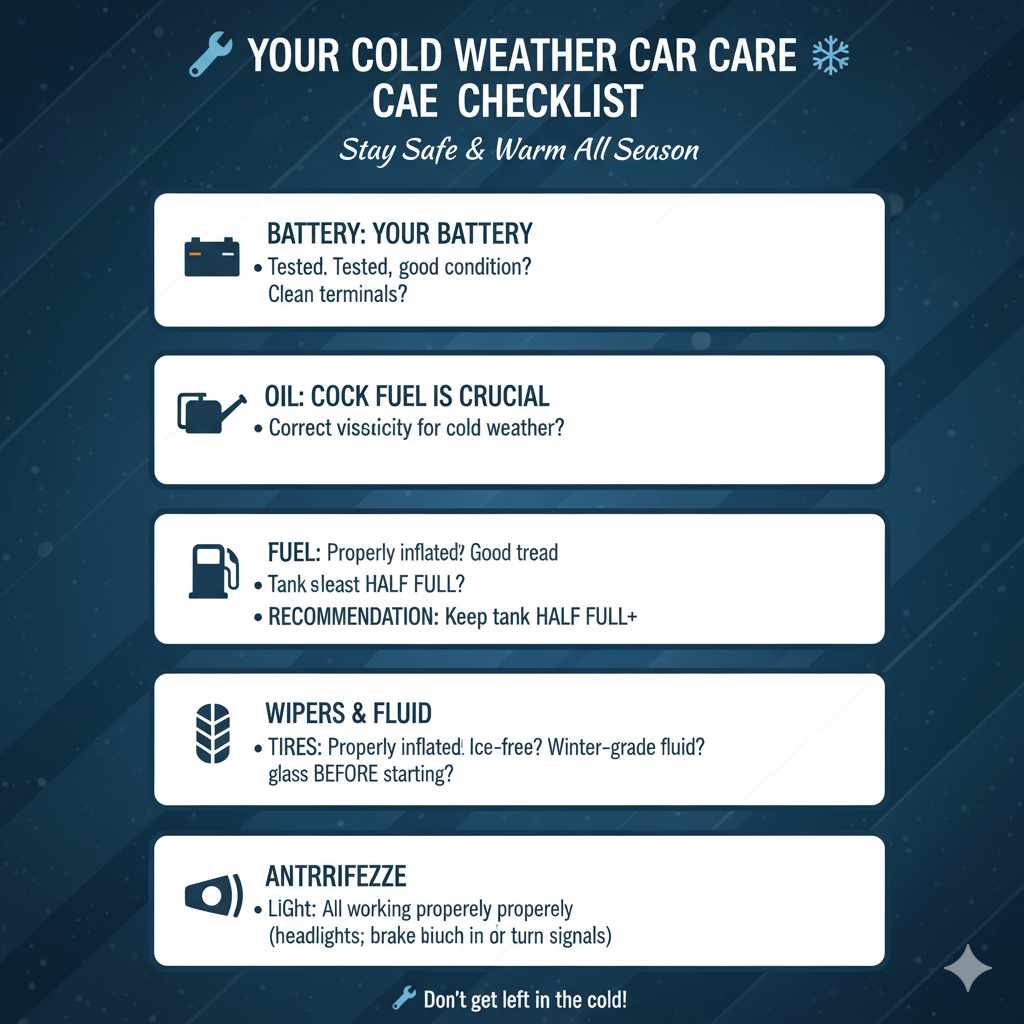
Here’s a quick checklist to help you prepare for those chilly mornings:
- Battery: Tested and in good condition? Terminals clean?
- Oil: Correct viscosity for cold weather?
- Fuel: Tank at least half full?
- Tires: Properly inflated and in good condition?
- Wipers & Fluid: Wipers free from ice? Winter-grade washer fluid?
- Antifreeze: Coolant level and mixture checked and appropriate for the temperature?
- Lights: All working properly?
Frequently Asked Questions (FAQ): Starting Your Car in Cold Weather
Q1: My car won’t start in the cold. Is it definitely the battery?
It’s the most common reason, but not the only one. Other possibilities include frozen fuel lines, a weak starter motor, or ignition system problems. However, test your battery first, as it’s the easiest to check and the most frequent culprit.
Q2: How long should I let my car warm up in freezing temperatures?
For modern cars, 30 seconds to a minute is usually enough for the oil to circulate. Older cars might benefit from a couple of minutes. The most important thing is to drive gently until the engine reaches its normal operating temperature.
Q3: Can I use starting fluid to start my car in the cold?
Starting fluid (ether) can be used in emergencies, but it should be done sparingly and according to instructions. It’s highly flammable and can damage your engine if used incorrectly or too frequently. It’s better to address the underlying issue, like a weak battery or fuel problem.
Q4: My car started, but it’s running rough. What should I do?
This can happen if some cylinders aren’t firing properly due to cold or moisture. Try letting the engine idle for a bit longer. If the problem persists after it warms up, it might indicate a more significant issue with spark plugs, fuel injectors, or even air intake problems that need professional attention.
Q5: Is it bad for my car if I try to start it multiple times?
Trying to start your car repeatedly without letting the starter motor cool down can overheat and damage it. It can also drain your battery completely. Always wait at least 30 seconds to a minute between attempts if the engine doesn’t immediately fire up.
Q6: What’s the difference between a battery charger and a battery tender?
A battery charger actively recharges a dead or low battery. A battery tender (or maintainer) provides a small, continuous charge to keep a healthy battery topped up, preventing it from losing charge over time, especially during long periods of inactivity. It won’t overcharge the battery.
Conclusion
Starting your car in cold weather might seem daunting, but by understanding the challenges and preparing your vehicle, you can make those chilly mornings much smoother. From ensuring your battery is in top shape and your fuel tank is adequately filled, to using the right oil and gently cranking your engine, each step contributes to a reliable start. Remember, preventative maintenance is your best tool for avoiding winter woes. Keep these tips in mind, perform those simple checks, and you’ll be well-equipped to conquer the cold and keep your car performing at its best. Happy (and warm) driving!