Leather Cleaner vs All-Purpose Interior Cleaner: Safety Guide
For finished leather seats, leather cleaner is often the safer default. Use an all-purpose interior cleaner only if its label says it is safe for coated leather or leatherette, and test a hidden spot first. The wrong product can dry the finish, leave streaks, or pull dye from the surface. This guide compares both cleaners by finish safety, stain power, and seat condition so you can choose the least risky option.
Leather cleaner vs all-purpose interior cleaner: which is safer for seats?


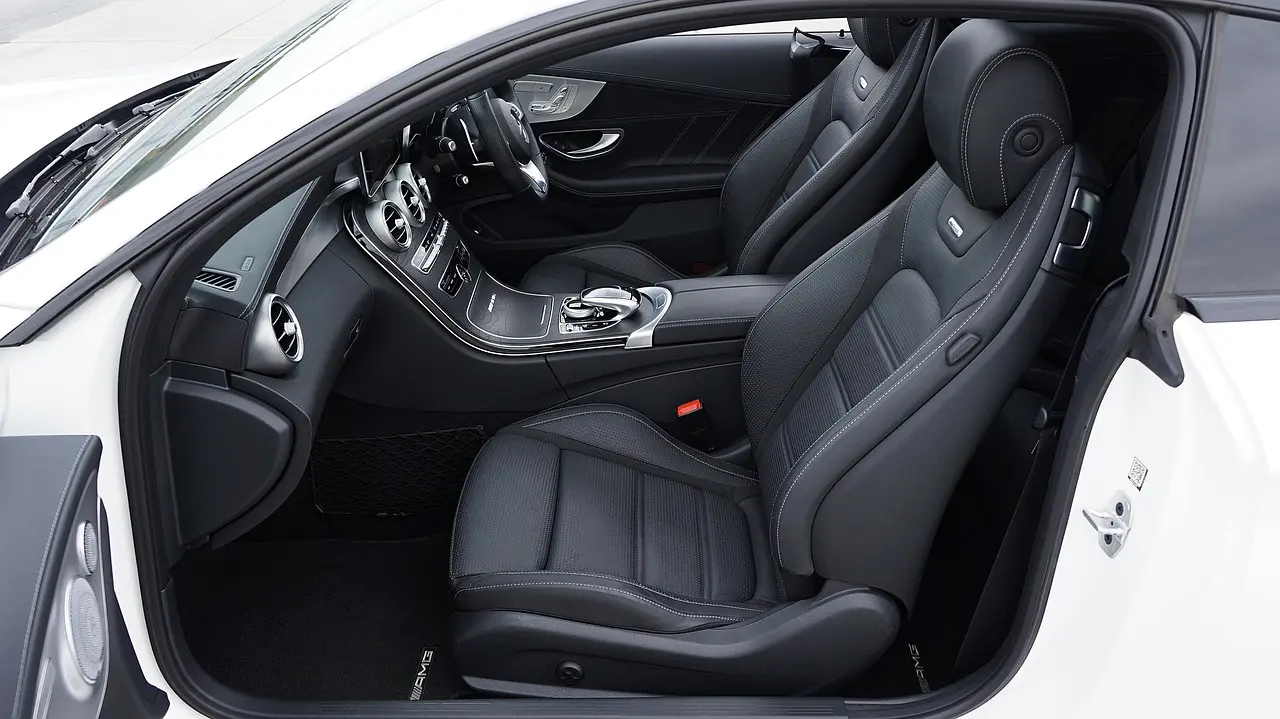
The safer option for most car seats is the one that protects the finish first, not the one that cleans hardest. Finished automotive leather typically has a protective topcoat, so judge the cleaner against that surface layer rather than only the material beneath it.
Leather cleaner is made for that kind of use. All-purpose interior cleaner can be stronger on grease and road film, but that extra cleaning force raises the risk on leather finishes, especially if the product leaves heavy residue or uses harsher solvents.
| Decision factor | Leather Cleaner | All-Purpose Interior Cleaner | Winner |
|---|---|---|---|
| Finish safety on coated leather | Designed for finished automotive leather and wipe-dry cleanup | Can be safe on some coated leather if the label allows it, but risk varies by formula | Leather Cleaner |
| Cleaning strength on grease and mixed grime | Moderate; better for routine soil and body oils | Often stronger on greasy high-touch areas and mixed interior soils | All-Purpose Interior Cleaner |
| Risk of residue or drying | Lower when used as directed | Higher if the formula leaves film or contains stronger degreasers | Leather Cleaner |
| Best use case | Leather seats and other finished leather surfaces | Plastic, vinyl, trim, and some leatherette or coated surfaces if the label approves | Depends on surface |
Finish safety on coated leather
Leather cleaner wins here because it is formulated around the way automotive leather is usually finished. That matters more than the hide itself, since the topcoat can dull, soften, or streak before the leather beneath is ever reached.
All-purpose interior cleaner can still be acceptable on coated leather, but only when the label specifically allows it. If the product is built around heavier degreasing, it becomes a weaker choice for seat surfaces than for vinyl or hard trim.
Cleaning strength on grease and mixed grime
All-purpose interior cleaner usually has the edge when the seat has oily touch points, sunscreen residue, or mixed dirt from a daily driver. It can cut through grime faster, which is useful on bolsters, steering-wheel-adjacent leather, and other high-contact areas.
That strength is also the trade-off. If the cleaner is too aggressive for the finish, the surface may look patchy or feel grabby after drying.
Risk of residue or drying
Leather cleaner is often easier to wipe dry cleanly, which can matter on seats with seams, perforations, and stitching. A cleaner that leaves less residue reduces the chance of slick spots, sticky film, or a dull patch after buffing.
All-purpose cleaner is more likely to leave a film if it is meant for dashboards and plastics as well as leather. On seats, film is not harmless; it can attract dust and make the finish look tired.
📊 Samples from Leather Hide Store cost $0.99 each. Source: Leatherhidestore.
What automotive leather and leatherette need from a cleaner
Finished leather, unfinished leather, and leatherette do not have the same cleaning risk. Automotive seats are often finished leather with a protective topcoat, while leatherette is synthetic and may tolerate different chemistry than a natural hide. Mixed-material interiors add another layer because leather may sit next to vinyl, plastic, or painted trim.
Finished leather versus unfinished leather
Finished automotive leather is the main case for this comparison. The protective topcoat is what you are cleaning, so a pH-balanced leather cleaner with controlled residue is usually the least risky path.
Unfinished leather is different and less common in modern seats. It absorbs liquids more easily, so neither cleaner should be used casually there; a specialty leather-care product and manufacturer guidance matter more.
Leatherette, vinyl, and mixed-material trim
Leatherette is not leather, and it does not carry the same absorption and finish concerns as a natural hide. Many all-purpose interior cleaners are designed with vinyl and plastic in mind, so they can fit leatherette better than genuine leather in some cases.
That does not mean every interior cleaner is safe for every leatherette seat. Labels still matter, and the test spot comes first.
Perforations, stitching, seams, and wear zones
Perforated leather and stitched seams need less liquid, not more. Cleaner that pools in holes or soaks into seams can leave residue, soften adjacent material, or make drying uneven.
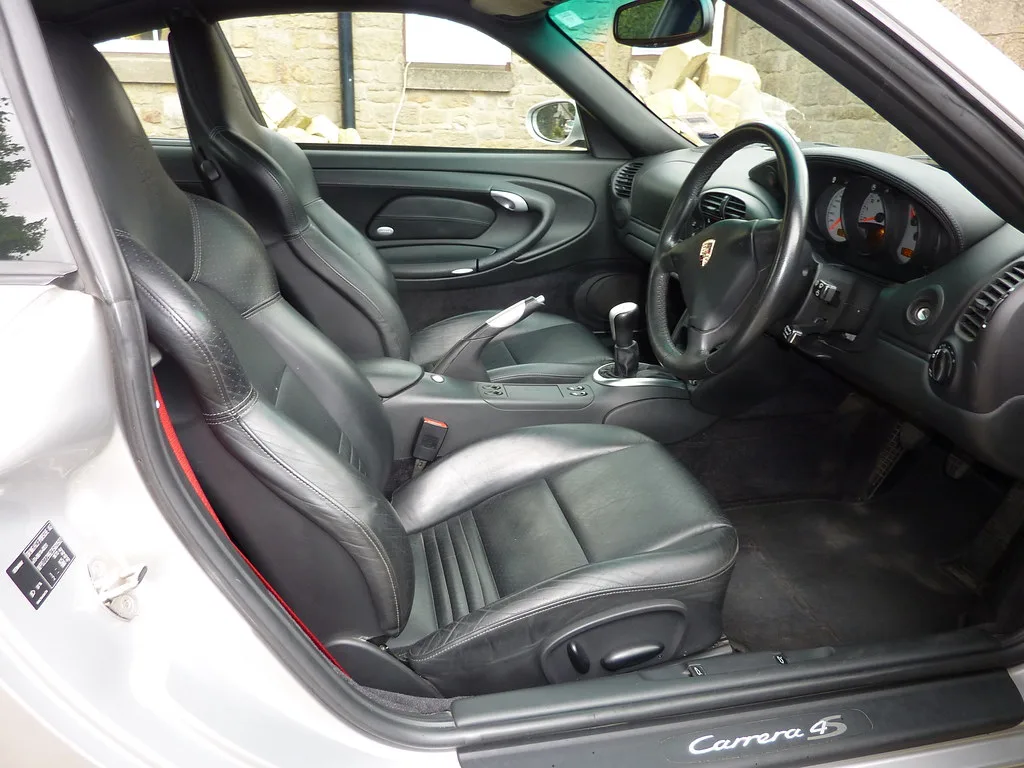
Wear zones on bolsters and seat bottoms also need lighter application because the finish there is already stressed by sun, sweat, and friction. Apply with a microfiber towel or a soft detailing brush, then dry buff.
How the two cleaners differ in formula and risk
Leather cleaner is often a pH-balanced formula intended for finished automotive leather, with residue that is meant to wipe off cleanly. It is meant to clean first, not condition by itself.
All-purpose interior cleaner is made for multiple surfaces, so its chemistry may include stronger detergents or degreasers. That versatility is useful on plastics and vinyl, but it increases the chance of stripping finish or leaving the seat looking thirsty.
Leather cleaner: pH balance, leather-targeted use, and wipe-dry residue
A pH-balanced cleaner is often a good choice because automotive leather finishes may be sensitive to harsh chemistry. A product that cleans without leaving much residue is easier to control on seats, especially around stitching and perforations.
Some leather cleaners come in spray or foam format. Foam can be easier to control on vertical seat backs and bolsters because it limits excess liquid.
All-purpose interior cleaner: multi-surface use, degreasing strength, and residue risk
All-purpose interior cleaner can be the better tool for grease, but that same force can be a problem on coated leather. Heavy degreasers, strong solvents, and high-residue formulas are the traits most likely to cause dulling, drying, or a sticky feel.
If the label does not explicitly include leather or leatherette, keep it on trim, vinyl, and plastics instead of seat faces. That is the safer default.
Can I use all-purpose interior cleaner on leather car seats?
Yes, sometimes, but only when the product label explicitly says it is safe for coated leather or leatherette and you test a hidden spot first. On finished leather seats, the main issue is not whether the cleaner works, but whether it leaves the finish dry, dull, or tacky after it flashes off.
When the label is vague, assume the product is better suited to plastics and vinyl. If the seat is older, dry, or already showing wear, the risk of finish damage is higher.
Suppose a two-year-old SUV has coated black leather with a light sunscreen smear on the driver’s bolster. A diluted interior cleaner might be acceptable after a hidden test spot, but only if the cloth comes away clean and the finish stays even. If the area looks dull or grabs under your finger, stop and switch to a dedicated leather cleaner.
A common first-timer mistake is using the same cleaner on a leather seat, a vinyl console, and a perforated insert without adjusting application. The console may look fine while the seat edge gets streaked or sticky, which is exactly why you test a hidden spot first.
When it may be acceptable on coated leather
It can work on finished leather when the stain is light, the product is labeled for coated surfaces, and the cleaner is used sparingly. A microfiber towel or interior applicator should carry the product, not soak the seat.
When it should stay on plastics, vinyl, and trim instead
If the formula is strong on grease, contains heavy solvents, or leaves a noticeable film, keep it off leather seats. Those traits are more suited to hard interior surfaces than to a leather topcoat.
How to dilute, test, and stop before damage appears
- Check the label for leather or leatherette compatibility.
- Apply to an inconspicuous spot only.
- Wipe with a microfiber towel, then dry buff.
- Stop if you see color transfer, dulling, stickiness, or softening.
Which cleaner should you choose in these four scenarios?
Start with the seat’s condition, not the product category. New coated leather, older dry leather, greasy high-touch seats, and mixed-material interiors all push the decision in different directions.
| Scenario | Use | Avoid | Test spot first |
|---|---|---|---|
| New coated leather | Leather cleaner | Strong all-purpose degreasers | Under the seat or low on the seatback; stop if gloss changes or cloth picks up dye |
| Older dry leather | Leather cleaner, then conditioning if needed | Harsh interior cleaner or repeated strong cleaning | Hidden bolster edge; stop if the finish looks dull, chalky, or feels stiff |
| Greasy high-touch seats | Lightly diluted interior cleaner only if the label allows leather; otherwise leather cleaner with repeat passes | Flooding or scrubbing hard | Seam edge or low backrest; stop if the finish softens or stays tacky after drying |
| Mixed-material interiors | All-purpose interior cleaner on trim, leather cleaner on seats | One-product cleaning without surface checks | Each material separately; stop if either surface streaks or darkens |
New coated leather
New coated leather usually needs the least aggressive approach. A leather cleaner is the better match because the finish is intact and you are trying to preserve that factory look.
Older dry leather
Older leather has less margin for error. Use the gentlest leather cleaner that will remove soil, then condition after cleaning if the seat looks dry, but do not use conditioner as a substitute for cleaning.
Greasy high-touch seats
Greasy seats tempt owners to grab the strongest bottle in the cabinet. That is where failure starts most often, because aggressive degreasers can attack the finish faster than they remove the grime.
Mixed-material interiors
When leather sits next to plastic, vinyl, or trim, split the job by surface. All-purpose interior cleaner can stay on the compatible non-leather areas, while the seats get a leather-specific product.
Choose leather cleaner if… / choose all-purpose interior cleaner if…
Choose leather cleaner when the seat is finished automotive leather, the soil is routine, or the interior already shows dryness, sun wear, or delicate stitching. Choose all-purpose interior cleaner only when the label explicitly supports leatherette or coated leather, the stain is greasy or mixed, and you can test a hidden area first.
Choose leather cleaner if…
- The seat is genuine leather with a protective topcoat.
- You want the lowest risk of dulling, residue, or finish softening.
- The car is older, dry, or parked in strong sun often.
- You clean seats regularly and only need light soil removal.
Choose all-purpose interior cleaner if…
- The surface is vinyl, plastic, or leatherette and the label allows it.
- The seat has greasy transfer or mixed interior grime.
- You need one product for several interior materials, not leather alone.
- You can dilute, test, and stop at the first sign of dulling or stickiness.
How to test a cleaner safely before full use
A test spot is a prudent step because the same cleaner can behave differently on coated leather, leatherette, and worn seam edges. The goal is not to see whether it cleans; it is to see whether the finish changes in a bad way.
Pick an inconspicuous test spot
Use a hidden edge, low seatback corner, or under-seat area. Avoid visible center panels first, especially on perforated sections or bolster wear zones.
Use a microfiber towel or soft brush
Put the cleaner on the towel or brush, not directly on the seat when possible. That limits liquid around seams and perforations and gives you more control over residue.
Watch for color transfer, dulling, stickiness, or softening
If the cloth picks up dye, stop immediately. If the leather looks flatter, feels tacky, or seems soft after drying, the product is too aggressive for that finish.
Dry buff and check seams and perforations
After wiping, dry buff the area and inspect seams, stitching, and hole edges. Residue hiding there is often the first sign that the cleaner is too heavy for the seat.
Frequently asked questions
Can I use all-purpose interior cleaner on leather car seats?
Sometimes, but only if the label explicitly says it is safe for coated leather or leatherette and you test first. Leather seats usually have a protective topcoat, and a stronger interior cleaner can leave them dull, sticky, or dry if the formula is too aggressive.
Is leather cleaner better than all-purpose cleaner for real leather?
Yes, for finished automotive leather, leather cleaner is usually the safer choice because it is made for that topcoat and is less likely to leave residue. All-purpose cleaner may clean more aggressively, but that advantage is less important than finish safety on real leather seats.
Will all-purpose cleaner dry out or damage leather seats?
It can. The risk depends on the solvent package, the amount used, and whether the seat is already old or dry. Signs of trouble include dulling, sticky residue, color transfer, and a finish that feels softer or rougher after drying.
What should I use on perforated leather or leatherette seats?
Use the least liquid possible and start with a test spot. Perforated leather needs controlled application and quick dry buffing, while leatherette often tolerates more cleaners than genuine leather, but still should be checked against the product label before full use.
Do I need conditioner after using a leather cleaner?
Not every time, but cleaning should come before conditioning. If the seat still looks dry after cleaning, a conditioner can help the surface feel more supple, yet it does not replace cleaning and it should never be used to hide dirt or residue.
Is a pH-balanced cleaner important for car leather?
Yes. A pH-balanced formula is a good fit for finished automotive leather because it is less likely to attack the topcoat than harsh solvents or strong degreasers. That does not remove the need for testing, but it does lower the risk on seat surfaces.
What ingredients in interior cleaners are unsafe for leather?
High-risk traits include strong degreasers, heavy solvents, and formulas that leave a lot of residue. Those ingredients can strip the finish, make the leather look dull, or leave a film that attracts dust and grime on the next drive.
How often should leather seats be cleaned with leather cleaner?
Cleaning frequency depends on maintenance habits, sun exposure, climate, and sweat or oil buildup. Seats in a daily driver may need routine light cleaning more often than garage-kept seats, but the right interval is the one that removes soil before it bonds to the finish.
What should I use on perforated leather or leatherette seats?
Use a product that matches the surface and the label, then apply it lightly with a microfiber towel or soft brush. Perforated leather needs less liquid and more control; leatherette may accept some interior cleaners, but only after a hidden test spot shows no streaking or softening.
Products related to this article
Sponsored / affiliate links. As an Amazon Associate I earn from qualifying purchases. I may earn additional commission from eligible campaigns.
 Ethos FRESH - All Purpose Interior Cleaner Detailing Kit Interior Cleaner - Car Interior Detailing - Car Interior Cleaners for Cars, Trucks, SUVs, Jeeps, Motorcycles, RVs & More
 Ethos FRESH - All Purpose Interior Cleaner - Detailing Kit Interior Cleaner - Car Detailing - Car Interior Cleaner for Cars, Trucks, SUVs, Jeeps, Motorcycles, RVs & More - 2 Pack