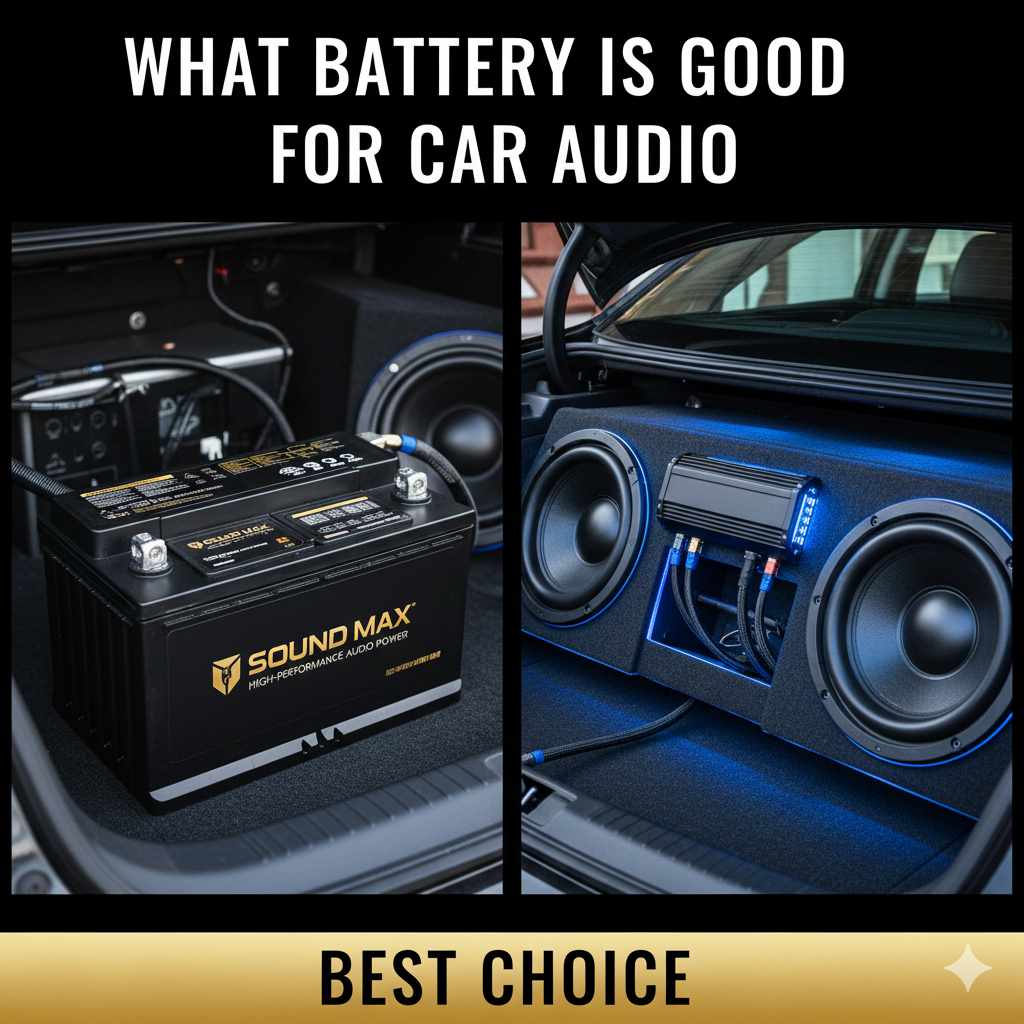
What Battery Is Good For Car Audio: Best Choice
For better car audio, choose a battery designed for high electrical demands and stable voltage. Look for deep-cycle batteries or high-performance AGM (Absorbent Glass Mat) batteries. They offer more power, last longer, and can handle the extra strain from upgraded sound systems, ensuring a clear and powerful audio experience without draining your car’s electrical system.
What Battery Is Good For Car Audio: Finding the Best Choice for Your Sound System
Are you dreaming of a car audio system that truly rocks your ride, but worried your current battery can’t keep up? It’s a common hitch. Upgrading your speakers, adding a subwoofer, or installing a new head unit can put a surprising amount of extra demand on your car’s electrical system. When your battery struggles, you might notice your lights dimming when the bass hits, or worse, your system cutting out. Don’t let a weak battery dim your sound! This guide will help you understand what makes a car battery great for audio, making it easy for you to choose the best one for your car and your music.
We’ll break down the key features to look for, explore different types of batteries, and give you the confidence to pick a power source that will keep your tunes blasting, loud and clear, for years to come. Let’s dive in and find the perfect battery to boost your car’s sound!
Understanding Your Car’s Electrical Needs for Audio
Your car’s battery does more than just start the engine. It’s the heart of your car’s electrical system, powering everything from your headlights and air conditioning to your sophisticated audio setup. When you add a powerful stereo system, especially one with amplifiers and subwoofers, you’re asking your battery to do a lot more work.
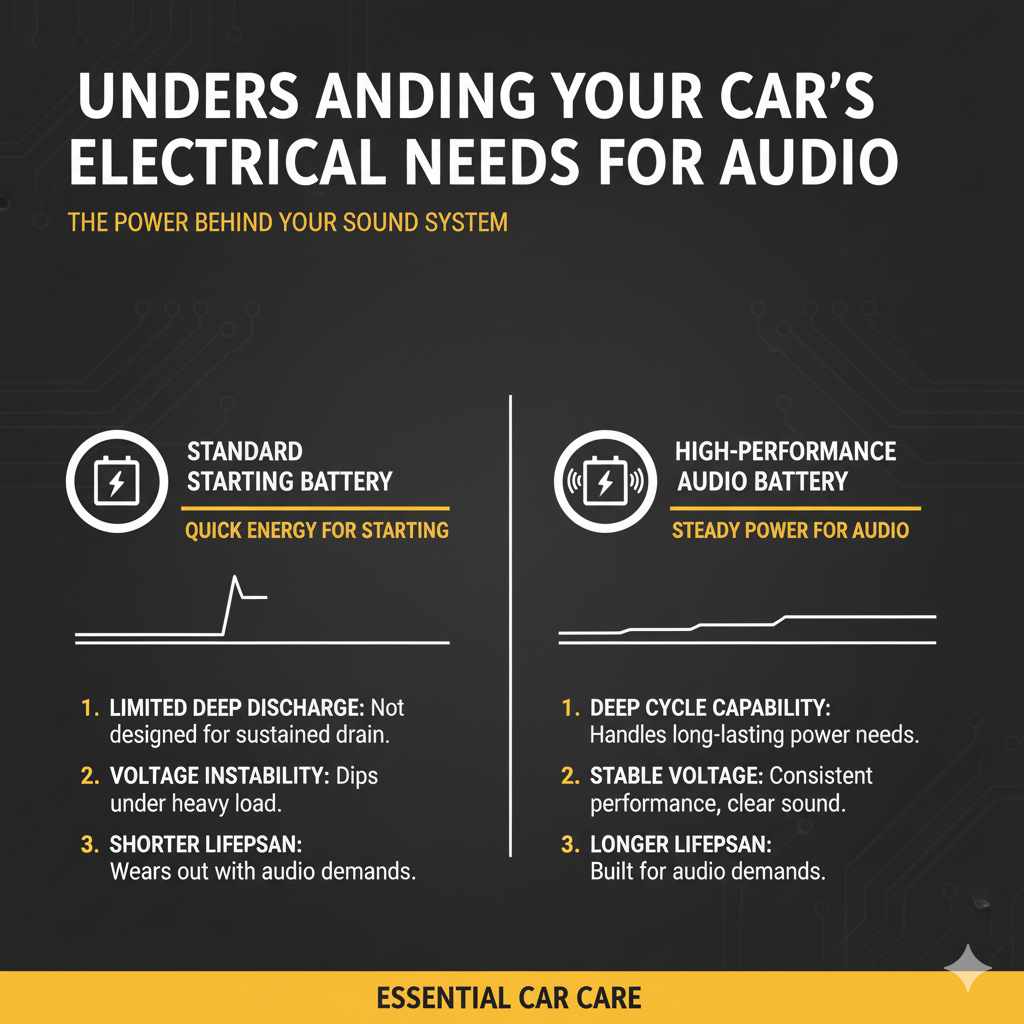
Think of it like this: your engine is a sprinter that needs a quick burst of energy to get going. Your audio system, however, is more like an endurance runner, needing a steady, powerful supply of energy over longer periods, especially during loud playback. A standard car battery is designed primarily for that initial starting power. It’s not always built to handle the consistent, heavy draw of a high-end audio system.
Why Standard Batteries Can Struggle with Car Audio
Most factory-installed car batteries are “starting batteries.” Their main job is to deliver a massive jolt of power for a few seconds to crank the engine over. Once the engine is running, the alternator takes over to power the car’s systems and recharge the battery. This is a brilliant system for everyday driving, but it has limitations:
- Limited Deep Discharge Capability: Starting batteries aren’t designed to be drained repeatedly. If your audio system draws a lot of power for an extended period (like while parked with the engine off), it can significantly reduce the lifespan of a standard starting battery.
- Voltage Instability: Under heavy load, a standard battery might struggle to maintain a consistent voltage. This can lead to dips in performance for your amplifier and potentially affect the sound quality, causing distortion or a weaker bass response.
- Shorter Lifespan with Audio Demands: Constantly pushing a starting battery to its limits with audio equipment will wear it out much faster than it would under normal starting conditions.
So, while your car’s original battery might be fine for regular driving and a stock stereo, it’s often the weakest link when you step up your audio game. Luckily, there are better options out there!
Key Features to Look for in a Car Audio Battery
When you’re shopping for a battery to power your sound system, there are a few key specifications and features that make a big difference. Focusing on these will help you find a battery that can handle the extra load and deliver the best sound.
1. Cold Cranking Amps (CCA) and Cranking Amps (CA)
These terms refer to the battery’s ability to start an engine in cold temperatures. While crucial for starting, for audio, they indicate the battery’s overall power output capability. Higher CCA/CA generally means a more robust battery, but it’s not the only factor for audio.
2. Reserve Capacity (RC)
This is a critical metric for audio enthusiasts. Reserve Capacity tells you how long a battery can deliver a specific amount of amperage (usually 25 amps) before its voltage drops below a usable level. A higher RC means your battery can power your audio system for longer periods, especially without the engine running or with the alternator working overtime.
- Measure: In minutes.
- What to look for: The higher, the better. A good starting point for a moderate audio upgrade might be 90 minutes or more. For serious systems, aim for 120 minutes or higher.
3. Ampere-Hour Rating (Ah)
The Ampere-Hour rating is a measure of how much energy a battery can store and deliver over time. It’s a direct indicator of the battery’s capacity. While often used for deep-cycle marine or RV batteries, it’s a good indicator of overall energy storage for car audio power.
- Measure: Amperes per hour.
- What to look for: Generally, a higher Ah rating means more potential power storage. This is particularly important if you plan to use your audio system frequently with the engine off.
4. Voltage Stability Under Load
Your amplifiers need a stable voltage supply to perform optimally. Some batteries are designed to maintain a more consistent voltage even when they are being heavily discharged. This is where advanced battery technologies often shine.
5. Durability and Vibration Resistance
Car audio systems, especially those with powerful subwoofers, can create significant vibrations. A battery that is robustly built and resistant to vibration will last longer and perform more reliably. Look for features like solid internal construction and secure terminals.
6. Size and Terminal Type
Ensure the battery you choose will physically fit in your car’s battery tray and that its terminals (top post, side post) match what your car’s cables require. This is a practical consideration that’s easy to overlook but essential for installation.
Types of Batteries for Car Audio: The Best Choices
When you’re upgrading your car audio, you generally have two main types of batteries to consider beyond the standard starting battery: Deep-Cycle Batteries and High-Performance AGM Batteries. Both offer significant advantages for audio systems.
1. Deep-Cycle Batteries
These batteries are designed to be discharged and recharged many times without significant damage to their internal plates. They are built for sustained power output, making them ideal for applications like trolling motors on boats or RV house power – and, happily, for car audio systems.
Pros of Deep-Cycle Batteries for Audio:
- Excellent for Sustained Power: Can be discharged deeply without immediate harm, ideal for long listening sessions.
- Longer Lifespan (if used correctly): Designed for frequent charge/discharge cycles.
- Stable Voltage Output: Generally better at maintaining voltage under load compared to standard starting batteries.
Cons of Deep-Cycle Batteries for Audio:
- Heavier: They are often more substantial and heavier than standard batteries.
- May Not Have High CCA: Some deep-cycle batteries may not have the extremely high CCA rating needed for very cold climates or large gasoline engines, though specific models can address this.
- Can Be More Expensive: Generally a higher upfront cost.
Important Note: Traditional flooded “wet cell” versions of deep-cycle batteries require maintenance (checking water levels) and can vent corrosive gasses. For car use, sealed versions are preferred. If you go the deep-cycle route, look for high-quality, sealed units.
2. Absorbent Glass Mat (AGM) Batteries
AGM batteries are a type of sealed lead-acid battery that is often considered the sweet spot for car audio upgrades. The electrolyte is absorbed into thin fiberglass mats that are packed tightly between the lead plates. This design offers several benefits, making them a popular choice for performance applications.
Pros of AGM Batteries for Audio:
- Excellent Vibration Resistance: The compressed internal structure makes them very durable and resistant to shock and vibration.
- Spill-Proof and Maintenance-Free: Sealed design means no gassing and no need to add water. Can be mounted in various positions.
- Low Internal Resistance: This allows them to accept a charge faster and deliver power more efficiently, leading to better voltage stability under load.
- Higher Power Density: Often provide more power for their size and weight compared to traditional batteries.
- Good for High Demands: Can handle the high current demands of amplifiers and subwoofers effectively.
- Good Starting Power: Many performance AGM batteries also offer very high CCA ratings suitable for starting engines in any weather.
Cons of AGM Batteries for Audio:
- Can Be Pricier: They are typically more expensive than standard flooded lead-acid batteries.
- Sensitive to Overcharging: Require a compatible charging system or voltage regulator to prevent damage. Most modern car alternators are fine, but it’s worth checking.
- Can Degrade with Deep Discharges: While better than standard starting batteries, they are not true deep-cycle batteries. Repeatedly draining them to very low levels can still shorten their lifespan significantly. For extreme audio use, a dedicated deep-cycle battery might still be superior.
Many enthusiasts find that a high-quality AGM battery offers the best blend of performance, durability, and ease of use for car audio upgrades.
Comparing Battery Types: Which is Best for You?
Let’s break down how these battery types stack up for car audio needs. It’s not always a one-size-fits-all situation, and your specific audio setup can influence the best choice.
| Feature | Standard Starting Battery | Deep-Cycle Battery (Sealed) | High-Performance AGM Battery |
|---|---|---|---|
| Primary Design Purpose | Engine starting (high short burst power) | Sustained power delivery (deep discharge capability) | Balanced performance: starting, deep discharge, vibration resistance |
| Reserve Capacity (RC) | Lowest | Highest | High (often competitive with deep-cycle, excellent for its class) |
| Voltage Stability Under Load | Moderate; can dip significantly | Good to Excellent | Excellent |
| Deep Discharge Tolerance | Poor; repeated deep discharges shorten life significantly | Excellent; designed for many deep cycles | Good; better than standard, but not true deep-cycle |
| Vibration Resistance | Moderate | Moderate to Good | Excellent |
| Maintenance | Maintenance-free (unless flooded) | Maintenance-free (sealed) | Maintenance-free |
| Cost | Lowest | Moderate to High | Moderate to High |
| Weight | Lightest | Heaviest | Moderate to Heavy (often lighter than equivalent deep-cycle) |
| Best For: | Stock systems, very budget-conscious upgrades with minimal power draw. | Extremely powerful systems, long listening sessions with engine off, systems where budget allows for dedicated power. | Most aftermarket audio upgrades, balanced performance, users wanting durability and a modern solution. |
When to Choose a Deep-Cycle Battery:
- You have a very powerful audio system with multiple amplifiers and large subwoofers that require substantial, sustained power.
- You frequently use your audio system with the engine off for extended periods.
- You are willing to invest in a dedicated power solution and possibly a battery isolator or capacitor for optimal performance and battery health.
When to Choose a High-Performance AGM Battery:
-
- You’re upgrading speakers, adding a moderate subwoofer, or installing a new head unit and amplifier.
- You want a good balance of power, longevity, and reliability without the maintenance concerns of a flooded battery.
- You appreciate the vibration resistance and spill-proof nature for a car environment.
- You want a battery that also excels at starting your engine, even in harsh weather.
This is the most common and often recommended choice for the majority of car audio enthusiasts.
Can You Use a Standard Starting Battery?
For very minor upgrades, like just changing the head unit or adding slightly more efficient speakers, your original starting battery might be sufficient. However, as soon as you add amplifiers or subwoofers, you’re pushing its limits. It’s generally not the “best choice” for anything beyond a very basic system, as it will likely reduce the lifespan of the battery and potentially limit your audio’s performance.
Installing a New Battery for Your Car Audio
Replacing your car battery is a manageable DIY task for most car owners. Safety is paramount, so always take precautions. If you’re ever unsure, it’s best to have a professional handle it.
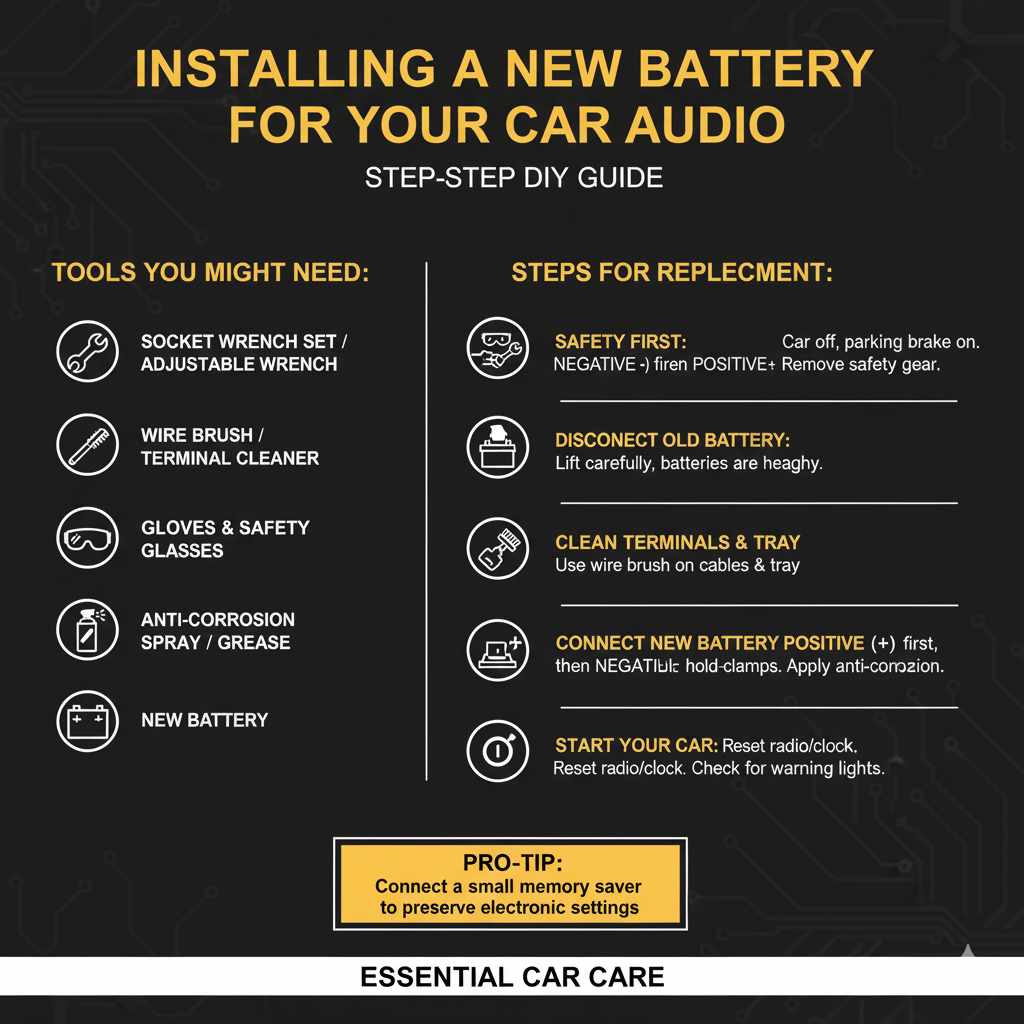
Tools You Might Need:
- Socket wrench set or adjustable wrench
- Wire brush or battery terminal cleaner
- Gloves
- Safety glasses
- Anti-corrosion spray or grease
- New battery
Steps for Replacement:
- Safety First: Ensure your car is turned off and the parking brake is engaged. Wear safety glasses and gloves.
- Disconnect the Old Battery: Always disconnect the NEGATIVE (-) terminal first. This prevents accidental short circuits. Then, disconnect the POSITIVE (+) terminal. Remove any hold-down clamps or brackets securing the battery.
- Remove the Old Battery: Carefully lift the old battery out. They can be surprisingly heavy!
- Clean the Terminals and Tray: Use a wire brush and terminal cleaner to thoroughly clean the battery cable terminals. Also, clean out the battery tray.
- Install the New Battery: Place the new battery into the tray, ensuring it’s properly seated and facing the correct direction for your cables. Reinstall any hold-down clamps to secure the battery firmly.
- Connect the New Battery: Connect the POSITIVE (+) terminal first, then the NEGATIVE (-) terminal. Apply anti-corrosion spray or grease to the terminals to help prevent corrosion.
- Start Your Car: Start your engine. You may need to reset your radio presets and clock.
Pro-Tip: If you have sensitive electronics, some people like to connect a small memory saver device to the OBD-II port or cigarette lighter to keep settings preserved during the battery swap. Consult your vehicle’s manual or a professional if you’re unsure about this.
Beyond the Battery: Supporting Your Car Audio Power
While a great battery is essential, it’s often just one piece of the puzzle for a high-performance car audio system. You might also want to consider these complementary upgrades:
1. High-Performance Alternator
Your alternator generates power while the engine is running. If your audio system is drawing more power than the stock alternator can supply, it will still strain the battery. Upgrading to a higher-output alternator can ensure your charging system can keep up with your audio demands.
2. Power Capacitors (Supercapacitors)
A capacitor acts like a small, fast-charging battery that sits between your alternator/battery and your amplifier. It stores energy and can deliver quick bursts of power to the amplifier when the bass hits hard. This helps prevent voltage dips and can improve bass response and overall clarity. They are especially useful when a full alternator upgrade isn’t feasible.
For more on how capacitors work and their role in car audio, check out resources from organizations like the Consumer Electronics Association (CEA) or reputable car audio forums that often discuss these components in detail.
3. Heavy-Gauge Wiring and Fuses
Using appropriate wiring (gauge) and fuses for your amplifiers and connections is crucial. Undersized wires can overheat, cause voltage drops, and even pose a fire risk. Always follow the amplifier manufacturer’s recommendations for wire gauge and fuse rating. The National Electrical Code (NEC), while not directly for cars, outlines principles of safe electrical wiring that highlight the importance of proper sizing for preventing hazards