What Is Normal Amps for a Car Battery? (400-800 CCA Explained)
Most car batteries run between 400 and 800 Cold Cranking Amps (CCA) — heavy-duty trucks and diesels often need 1,000+ CCA to start reliably. Installing a battery below your engine’s CCA requirement can cause slow cranks or no-starts in cold weather, and may void a warranty claim. This guide covers normal CCA ranges by vehicle type, how to read your battery’s label, and how to test your battery’s amps at home with a multimeter.
Quick Answer
A normal car battery has 400 to 800 Cold Cranking Amps (CCA) for most passenger cars, and 700 to 1,000+ CCA for trucks, SUVs, and diesels, according to AutoZone. Check your battery’s label or owner’s manual for the exact CCA your vehicle needs — never install a battery rated below that number.
Understanding Car Battery Amps: More Than Just a Number
When we talk about car battery amps, we’re usually referring to a few different measurements, but the one most drivers encounter on a battery label is Cold Cranking Amps (CCA). Think of it as the battery’s superpower to get your engine going, especially when it’s cold outside. This is crucial because when the temperature drops, your engine oil gets thicker, making it harder for the starter motor to turn the engine. Your battery needs to provide a strong burst of power to overcome this resistance. If you’re unsure whether your vehicle needs a specialty AGM battery instead of a standard flooded one, check your owner’s manual first — the amp ratings below apply to both types.
What Are Cold Cranking Amps (CCA)?
Cold Cranking Amps (CCA) is the most important amp rating for your car battery. It tells you how many amps a battery can deliver for 30 seconds at 0°F (-18°C) while maintaining a voltage above 7.2 volts. Essentially, it’s a measure of your battery’s ability to start your car in cold weather. A higher CCA rating means a stronger ability to start in the cold. Most passenger cars today use batteries rated between 400 and 800 CCA.
Why is this important for you? Well, if you live in a region that experiences cold winters, having a battery with an adequate CCA rating is essential. Trying to start your car in freezing temperatures with a battery that doesn’t meet the CCA requirement can lead to a slow, struggling start, or worse, no start at all. This could leave you stranded.
“A higher CCA rating ensures your battery can deliver the necessary power to start the engine.”
Reserve Capacity (RC) vs. CCA
While CCA is king for starting your engine, you might also see another rating called Reserve Capacity (RC). Reserve Capacity tells you how long, in minutes, a fully charged battery can deliver 25 amps at 80°F (27°C) before its voltage drops below 10.5 volts. This rating is more about how long your battery can power your car’s electrical accessories (like headlights, radio, and air conditioning) if the alternator isn’t working.
- CCA: Power for starting, especially in the cold.
- RC: Power for accessories if the alternator fails.
For most everyday drivers, focusing on the CCA rating is the primary concern for ensuring reliable starts. However, understanding RC can give you peace of mind for those times when you might need to run accessories for a bit without the engine on.
Amp-Hours (Ah): The Third Rating You Might See
Amp-hours (Ah) is a capacity rating that tells you how much total energy a battery stores, not how fast it can deliver power. Most car batteries fall between 45 and 100 Ah, depending on vehicle size — a compact car needs less than a full-size SUV. Unlike CCA, which measures a quick burst of starting power, Ah measures endurance: how long the battery can run before it’s depleted. You’ll see Ah listed less often than CCA on passenger-car batteries, but it matters more for accessories, off-grid power, and marine or RV batteries that run electronics for extended periods without the engine running. If you regularly leave a phone charger, dash cam, or trickle charger amp draw connected, Ah is the number worth checking too.
What is a “Normal” Amps Car Battery?
So, what does “normal” mean in the world of car battery amps? As we touched upon, it’s all about CCA. For most gasoline-powered passenger vehicles, a normal range for CCA is between 400 and 800 amps. However, this is a broad range, and the specific needs of your car depend on several factors.
Factors Influencing Your Car’s Battery Needs
Here’s what influences the “normal” amps for your specific car:
- Engine Size: Larger engines generally require more power to turn over, especially in cold weather. This means they often need batteries with higher CCA ratings. A V8 engine will likely need a higher CCA than a 4-cylinder engine.
- Climate: If you live in a cold climate, you’ll want a battery with a higher CCA rating to ensure reliable starting in freezing temperatures. For warmer climates, the CCA requirement might be slightly lower, though it’s still important to meet the manufacturer’s recommendation.
- Vehicle Features: Modern cars are packed with electronics — navigation systems, heated seats, premium sound systems, and more. These accessories draw power, so your battery needs to be robust enough to handle them. This often translates to needing a battery with a good CCA and sufficient reserve capacity.
- Manufacturer Recommendations: The most crucial factor is what your car’s manufacturer recommends. They design the electrical system and know exactly what kind of power the starter motor and other systems need. You can usually find this information in your owner’s manual.
Typical CCA Ranges by Vehicle Type
To give you a better idea, here’s a general overview of typical CCA requirements, though your owner’s manual is always the best source:
| Vehicle Type | Typical CCA Range |
|---|---|
| Small Cars (4-cylinder engines) | 400-650 CCA |
| Mid-size Cars (6-cylinder engines) | 500-750 CCA |
| Full-size Sedans/SUVs (V8 engines) | 650-900 CCA |
| Trucks/Heavy Duty Vehicles | 750-1200+ CCA |
These are just estimates and vary by source and battery brand. For instance, a high-performance sports car, even with a smaller engine, might have a higher CCA requirement due to its demanding starter design. Conversely, a very small economy car might get by with a battery on the lower end of the spectrum.
📊 Typical car batteries range between 400 and 800 Cold Cranking Amps (CCA), though heavy-duty truck batteries can deliver well over 1,000 CCA. — Source: AutoZone, “How Many Amps Is a Car Battery?”
Normal Amps While Driving vs. Cold Cranking Amps
CCA only measures how many amps your battery can deliver for a 30-second burst at 0°F — it has nothing to do with how many amps actually flow through your car once you’re driving. Two other amp figures matter here, and confusing them with CCA is a common mistake.

How Many Amps Does It Take to Start a Car?
Starting the engine draws far more than the battery’s resting CCA rating implies. A starter motor typically pulls 100 to 300 amps during cranking — about 125 to 150 amps for a 4-cylinder engine, up to 175 amps for a V6, and 200-plus amps for a V8, according to automotive starter-testing data. Cold weather, a weak battery, or a worn starter can push that draw even higher.
How Many Amps Does a Car Use While Running?
Once the engine is running, the alternator — not the battery — supplies power. A typical alternator produces roughly 30 to 100 amps to recharge the battery and run accessories like headlights, the radio, and air conditioning. The battery’s CCA rating is irrelevant at this point; it only matters again the next time you start the car.
Where to Find Your Car Battery’s Amperage Information
Identifying the correct battery specifications for your car is straightforward if you know where to look. Don’t guess — always verify with your vehicle’s documentation. Here are the primary places to find this information:
- Your Car’s Owner’s Manual: This is the most reliable source. Your manual will specify the recommended CCA and Reserve Capacity, and sometimes even the exact battery group size your vehicle needs. Look in the sections related to maintenance or specifications. For a digital version, you can often find PDFs online by searching for “[Your Car Make Model Year] owner’s manual PDF”.
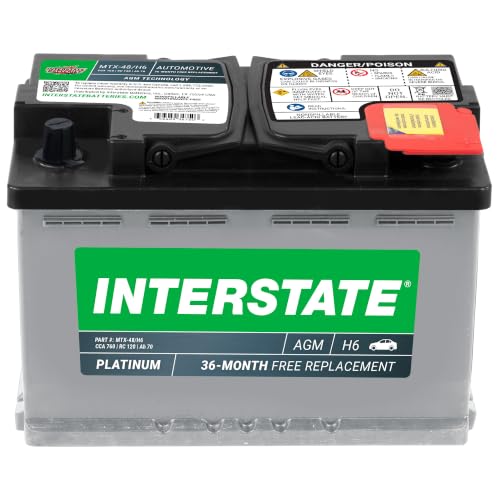
- The Old Battery Itself: Most car batteries have their specifications printed directly on the label. You’ll likely see “CCA” followed by a number. Sometimes, the battery will also have a “Group Size” (like 24F, 35, 51R, etc.). This is a standardized dimension and terminal configuration that ensures the battery physically fits your car’s battery tray and that the connections are correct. If you’re not sure how to read these codes, our guide on how to identify your car battery type breaks down group sizes and chemistry labels in more detail.
- Online Auto Parts Retailers: Websites for major auto parts stores (like AutoZone, Advance Auto Parts, O’Reilly Auto Parts) have a “fitment guide” or “vehicle selector.” You enter your car’s year, make, and model, and they will show you compatible batteries, including their CCA ratings and group sizes. This is a great tool for cross-referencing.
- Aftermarket Battery Manufacturer Websites: Companies like DieHard, Optima, and Interstate Batteries have online tools where you can input your vehicle’s information to find the correct battery.
It’s a good practice to jot down the recommended CCA and the battery group size. This makes future battery purchases much easier and ensures you get the right fit. You can store this information in your phone’s notes or even on a small sticker inside your owner’s manual.
Signs Your Car Battery Needs Attention
Car batteries don’t last forever. They typically last between 3 to 5 years, depending on usage, climate, and maintenance. Pay attention to these signs, which might indicate your battery is weakening and could be ready for a replacement — our guide on how to check car battery health covers the full voltage-testing routine:
- Slow Engine Crank: This is the most common sign. When you turn the key, the engine turns over slower than usual, often accompanied by a “grinding” sound.
- Dimming Lights: Headlights, interior lights, or dashboard lights might appear dimmer than usual, especially when the engine is off or at idle.
- Electrical Issues: Power windows might operate slower, the radio might cut out, or other electrical components may behave erratically.
- Warning Light: Your car’s dashboard might display a battery warning light, indicating a problem with the charging system or the battery itself.
- Swollen or Bloated Battery Case: If the battery case looks puffy or distorted, it’s a sign of internal damage, often caused by extreme heat or overcharging. This battery should be replaced immediately and handled with caution.
- Foul Smell: A rotten egg smell coming from the battery can indicate it’s leaking or has been overcharged, which can damage internal components.
- Age: If your battery is over 3 years old and you start noticing any of the above symptoms, it’s a good idea to have it tested.
A mechanic can perform a load test on your battery to accurately assess its health and determine if it needs replacement. Many auto parts stores also offer free battery testing services.
Can You Use a Battery with Higher Amps?
This is a common question, and the answer is generally yes, you can often use a battery with a higher CCA rating than what your car manufacturer recommends. In fact, it’s usually a good thing, especially if you live in a colder climate.
Benefits of a Higher CCA Battery
- Improved Cold Weather Starting: A higher CCA rating provides more power to crank the engine in frigid temperatures, leading to more reliable starts.
- Longer Lifespan: A battery that isn’t working as hard to start your engine, especially in demanding conditions, might last longer.
- Powering Accessories: If your car has many high-draw accessories, a battery with a higher CCA might also have a better reserve capacity, offering more power for those systems.
Potential Downsides or Considerations
While generally safe, there are a few things to keep in mind:
- Physical Fitment: Ensure the higher CCA battery is the correct group size for your vehicle. A battery that is too large won’t fit in the battery tray or connect properly.
- Cost: Batteries with higher CCA ratings often come with a higher price tag.
- Alternator Output: Your car’s alternator is designed to charge the battery. It can handle charging batteries with higher CCA ratings; the alternator will simply work a bit harder initially but will regulate the charging voltage correctly.
The key takeaway is that going below the manufacturer’s recommended CCA is generally not advisable, as it can lead to starting problems. Going above is usually fine and can offer benefits, as long as the battery fits.
What About Lower Amps?
Using a battery with a CCA rating lower than what your car’s manufacturer recommends is generally a bad idea. Here’s why:
- Difficulty Starting: In cold weather, the engine will be harder to turn over. The battery might struggle to provide enough power, leading to slow cranks, failed starts, and potentially leaving you stranded.
- Reduced Battery Life: Constantly straining a battery that’s not powerful enough can significantly shorten its lifespan.
- Drain on Electrical System: A weak battery can put extra stress on your car’s entire electrical system.
It’s important to match the CCA rating to at least the manufacturer’s recommendation, and ideally slightly higher if you want added reliability, especially in challenging climates. Always consult your owner’s manual or a reliable auto parts store for the correct specifications.
How Car Batteries are Tested for Amps
When you take your car battery to a shop or mechanic, they typically perform a load test. This is the most accurate way to check a battery’s health and its ability to deliver the amps needed for starting. Here’s a simplified idea of how it works:
- Initial Voltage Check: A technician will first check the static voltage of the battery. A healthy battery should read around 12.6 volts or higher when fully charged and the engine is off.
- Applying a Load: A load tester is connected to the battery terminals. This device artificially draws a significant amount of current from the battery, usually equivalent to about half of its CCA rating.
- Monitoring Voltage Under Load: While the load is applied, the technician monitors the battery’s voltage output.
- Interpreting Results: A healthy battery will maintain its voltage above a certain threshold (typically around 9.6 volts) during the load test. If the voltage drops significantly below this figure, it indicates that the battery cannot maintain its cranking power when it’s needed most, suggesting it’s weak or failing.
This test is crucial because a battery might show a good voltage reading when resting but fail under the strain of trying to start an engine. Many auto parts stores offer this testing service for free as a courtesy.

How to Test Your Battery’s CCA at Home with a Multimeter
You don’t need a shop visit to get a rough read on your battery’s condition. Here’s how to check it yourself with a basic digital multimeter, and where a dedicated tester or a quick check of what your resting voltage should read can tell you more:
- Turn off the engine and all accessories: Let the car sit for at least 30 minutes so the reading isn’t skewed by recent charging or driving.
- Set the multimeter to DC volts: Choose the 20V range on the dial.
- Connect the leads to the terminals: Red lead to positive, black lead to negative.
- Read the resting voltage: A healthy, fully charged battery reads 12.6 volts or higher; anything under 12.4 volts suggests a partial charge.
- Have a helper crank the engine while you watch the meter: A sustained voltage drop below roughly 9.6 volts under cranking load points to weak CCA output and a battery that may need replacing.
A multimeter only estimates battery health — it can’t replicate a full CCA load test the way a dedicated tester can. If the reading looks borderline, a free load test at an auto parts store gives a more definitive answer.
Best Battery Tester Pick
ANCEL BA101 Digital Battery Load Tester (100-2000 CCA)
Tests actual CCA output, State of Health, and cranking/charging performance — not just resting voltage.
- Best for: Getting an accurate CCA and State-of-Health reading without a shop visit
- Why we picked it: Tests CCA directly (100-2000 CCA range) instead of just voltage, so it catches a weak battery a basic multimeter would miss
- Main drawback: Bulkier than a standard multimeter and single-purpose — it only tests batteries, not general electrical circuits
Compare more battery-testing and maintenance options
 Option 1 AstroAI True RMS Automotive Digital Multimeter
|
 Option 2 Battery Terminal Cleaner Tool Kit
|
 Option 3 NOCO GENIUS1 Smart Battery Charger and Maintainer
|
As an Amazon Associate we earn from qualifying purchases.
Frequently Asked Questions (FAQs)
What is the CCA rating on my car battery?
The CCA rating is typically printed on the battery’s label. It stands for Cold Cranking Amps and indicates the battery’s starting power in cold weather. For most passenger cars, this rating usually falls between 400 and 800.
How do I know what CCA rating my car needs?
Your car’s owner’s manual is the best place to find the recommended CCA rating. The sticker on your old battery or online auto parts selectors can also help you find the correct specifications for your vehicle.
Can I use a battery with a higher CCA than recommended?
Yes, generally you can use a battery with a higher CCA rating. It usually provides better starting power, especially in cold climates, and is safe for your car’s electrical system. Just ensure it’s the correct physical size (group size).
Is it okay to use a battery with a lower CCA rating?
No, it is not recommended to use a battery with a lower CCA rating than what your car manufacturer specifies. It can lead to difficulty starting, especially in cold weather, and may shorten the battery’s lifespan and put extra strain on your car’s system.
What does Reserve Capacity (RC) mean?
Reserve Capacity (RC) tells you how long, in minutes, a battery can supply 25 amps at 80°F (27°C) before its voltage drops too low. It’s an indicator of how long your battery can power accessories if the alternator isn’t working.
What’s the difference between CCA and amp-hours (Ah)?
CCA measures how much power your battery can deliver in a short burst to start the engine; amp-hours (Ah) measure how much total energy the battery stores over time. A battery can have a high CCA for quick starts but a modest Ah rating, or vice versa — check both if you run accessories with the engine off.
Can I test my car battery’s CCA myself, or do I need a shop?
You can get a rough read with a digital multimeter by checking resting voltage (12.6V or higher when healthy) and watching for a steep voltage drop while the engine cranks. For an exact CCA number, use a dedicated battery tester or get a free load test at most auto parts stores or local repair shops.
Conclusion: Keeping Your Car Powered Up
Understanding your car battery’s amperage ratings, particularly CCA, is a vital part of good car maintenance. It’s what ensures your engine roars to life, even on the iciest mornings. Remember that “normal” varies by vehicle, engine size, and climate, but for most passenger cars, 400-800 CCA is typical, with trucks and diesels often needing 1,000+. Always refer to your owner’s manual for the precise specifications your vehicle needs. By paying attention to the signs of a weakening battery and choosing a replacement that meets or exceeds the recommended specifications — while ensuring it fits your car — you can maintain reliable starts and keep your vehicle running smoothly for years to come.
Products related to this article
Sponsored / affiliate links. As an Amazon Associate I earn from qualifying purchases. I may earn additional commission from eligible campaigns.