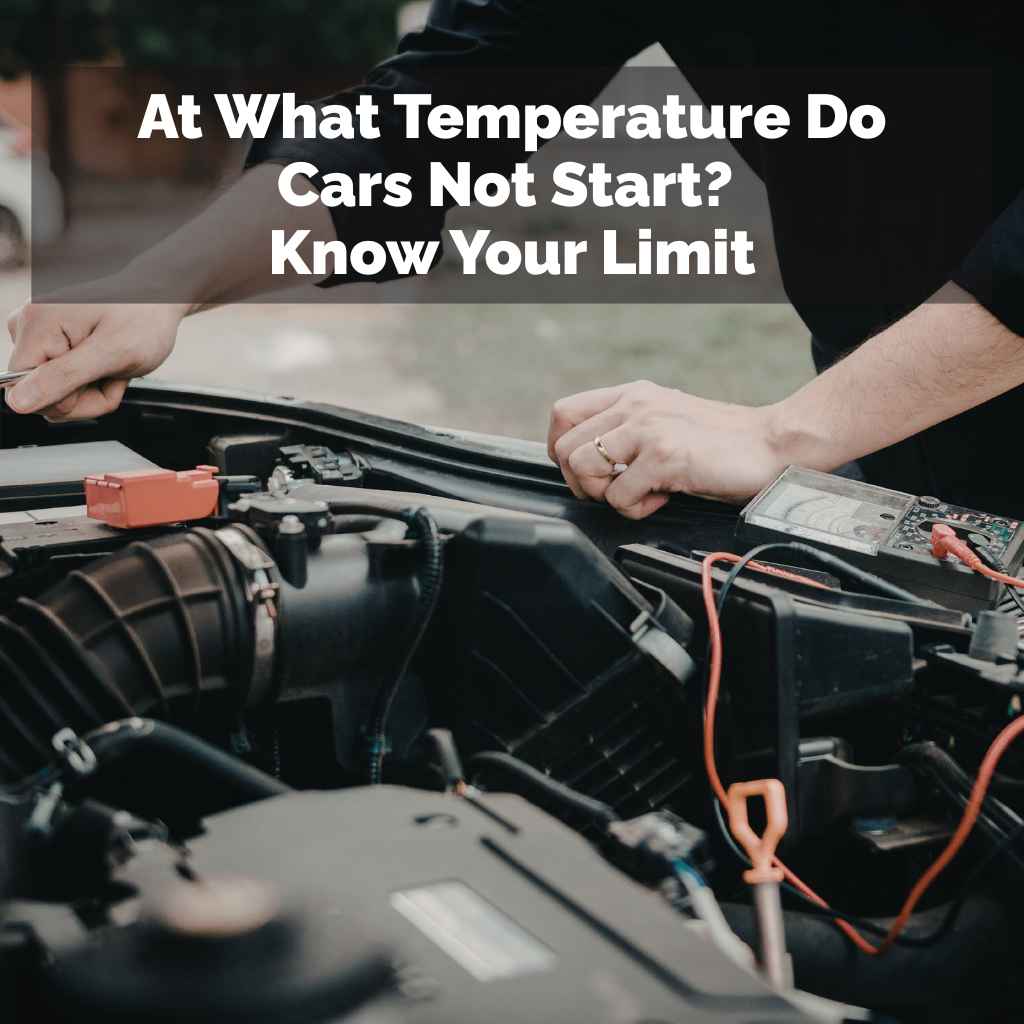
At What Temperature Do Cars Not Start? Know Your Limit
Most cars struggle to start reliably below 0°F (-18°C). However, battery performance drops significantly even above this. Extreme cold, below -20°F (-29°C), can prevent starting entirely for many vehicles without special preparations.
Understanding Cold Weather Starting
Your car needs a lot to start. It needs a strong battery. It needs fuel.
It needs oil to flow. Cold weather makes all of these things harder. Think of it like trying to run a race when you’re freezing.
Everything slows down.
A car engine is a complex machine. It needs a spark to ignite fuel. This spark comes from the spark plugs.
The battery powers the starter motor. This motor turns the engine over. It needs to turn fast enough to get air and fuel mixed.
Then, the spark ignites the mixture. This explosion pushes pistons. This makes the engine run.
When it’s very cold, several things happen. The battery loses power. This is the biggest issue.
Cold thickens the engine oil. This makes it harder for the starter to turn the engine. Fuel can also have trouble.
Water in the fuel system can freeze. This blocks the fuel lines.
When Does Your Car Battery Give Up?
Car batteries are rated in Cold Cranking Amps (CCA). This is how much power they can give when it’s cold. A battery’s ability to deliver this power drops as the temperature falls.
At 32°F (0°C), a battery might be at 80% of its capacity. At 0°F (-18°C), it can be down to 50% or less. Below -20°F (-29°C), many batteries are barely able to crank an engine.
I remember one winter in Chicago. It was brutally cold. I think it was -15°F.
My neighbor’s car wouldn’t start. His battery was only a year old. It just didn’t have the juice to turn the engine over.
He had to get a jump start. Even then, it took a few tries.
The chemical reactions inside a battery slow down in the cold. This means less electrical energy is produced. Also, the starter motor itself works harder when the oil is thick.
This draws even more power from the already weak battery. It’s a double whammy.
Many factors affect battery life. Age is one. A five-year-old battery is more likely to fail in the cold than a one-year-old one.
How often you drive matters too. Short trips don’t fully recharge the battery. Leaving lights on drains it.
Battery Health Check in Winter
Test Before the Freeze: Get your battery tested at an auto shop before winter hits. Many offer this for free.
Clean Terminals: Corrosion on battery terminals can block electrical flow. Clean them with a wire brush.
Secure Fit: Make sure the battery is held tightly. A loose battery can get damaged.
Consider a Winter Battery: If you live in a very cold area, a battery with a higher CCA rating might be worth it.
Engine Oil: The Cold Makes it Thick
Engine oil is like the blood of your engine. It lubricates moving parts. It also helps cool the engine.
In cold weather, oil gets thicker. This is called viscosity. Thicker oil is harder to pump.
The oil pump has to work harder. This uses more battery power.
When the engine is cold, the oil is at its thickest. This is why manufacturers specify oil grades like 5W-30 or 0W-20. The ‘W’ stands for winter.
The number before the ‘W’ tells you how it flows in the cold. A lower number means it flows better when it’s cold. So, 0W oil is much thinner than 5W oil in freezing temperatures.
If you use oil that is too thick for your climate, starting can be a real problem. The starter motor might not be able to turn the engine fast enough. This is because the thick oil resists the movement of engine parts.
It’s like trying to stir very cold honey. It takes effort.
I saw this happen once with a friend’s classic car. He used a really thick oil in it. He lived in a place that got surprisingly cold.
One morning, it was about 10°F. He tried to start it. The engine just wouldn’t turn over.
It made a horrible groaning sound. The starter was trying, but the oil was like glue.
Using the correct oil for your car and climate is super important. Check your car’s owner’s manual. It will tell you the recommended oil viscosity for different temperatures.
It’s a simple step that can prevent big problems.
Oil Viscosity Explained
What is Viscosity?: It’s a measure of how thick a liquid is. Think of honey versus water. Honey has high viscosity; water has low viscosity.
The “W” Number: The number before the ‘W’ (e.g., 5W) indicates the oil’s viscosity at cold temperatures. Lower is better in the cold.
The Second Number: The number after the hyphen (e.g., 30) indicates viscosity at normal engine operating temperatures. Higher usually means better protection at high heat.
Owner’s Manual is Key: Always use the oil type recommended by your car’s manufacturer for your region.
Fuel System Woes in the Cold
Your car needs a steady supply of fuel to start. Cold weather can interfere with this. One common issue is water in the fuel system.
This water can come from condensation. It can form inside the fuel tank. When temperatures drop low enough, this water can freeze.
Frozen water in the fuel lines can block the flow of gasoline — see our full explainer on whether gas can actually freeze in a car for the real freezing points. This means the engine won’t get the fuel it needs to ignite. This can lead to no-start conditions or stalling.
It’s a frustrating problem because it’s not always obvious.
To prevent this, many people use fuel additives. These are often called “fuel de-icers” or “fuel dryers.” They help absorb any water in the fuel system. You add them to your gas tank.
It’s a good idea to use them preventatively if you live in a cold climate.
Another factor is the fuel itself. In colder months, gas stations often sell a “winter blend” of gasoline. This blend is designed to perform better in cold temperatures.
It typically has a lower boiling point. This makes it easier to vaporize and ignite.
Diesel engines have their own specific fuel issues in the cold. Diesel fuel can “gel” or thicken at low temperatures. This is because of waxes present in diesel fuel.
This gel can clog fuel filters. This prevents the engine from running. Diesel owners often use anti-gel additives in winter.
They may also use a block heater to keep the fuel warm.
Fuel System Tips for Cold Weather
Keep Your Tank Full: A fuller tank means less space for condensation to form. Aim to keep it at least half full.
Use Fuel Additives: Consider a fuel dryer or de-icer, especially if you suspect moisture.
Winter Fuel Blends: In colder regions, gas stations automatically switch to winter blends. These are designed for better cold-weather performance.
Check Your Fuel Filter: A clogged fuel filter can worsen starting problems in any weather, but especially the cold.
Spark Plugs and Ignition System
Your car’s ignition system is what creates the spark. This spark ignites the fuel. Spark plugs are crucial.
If they are old or worn, they might not produce a strong enough spark. This is especially true in cold weather when the engine needs a robust spark.
Cold temperatures can also affect other parts of the ignition system. For example, spark plug wires can become brittle. They can develop small cracks.
This can allow the spark to “leak” to the engine block instead of reaching the cylinder. This weakens the spark or prevents it altogether.
In very damp or humid conditions, moisture can also affect the ignition system. This can lead to misfires. It makes the engine run rough.
It can also prevent starting if the moisture is severe enough.
If your car has trouble starting, and it’s cold, checking the spark plugs is a good idea. Worn plugs are a common culprit for starting issues. They are also relatively inexpensive to replace.
It’s a maintenance item that many people overlook until it causes a problem.
The Engine Itself: Compression and Timing
While less common as a direct cause of cold starting issues, the engine’s internal health is always important. Your engine needs good compression. This means the piston rings and valves seal well.
This allows the engine to create the pressure needed for combustion.
Timing is also critical. The ignition spark needs to happen at the exact right moment. If the engine timing is off, even slightly, it can make starting difficult.
This is especially true when the engine is cold and needs everything to be perfect.
These are usually longer-term issues. They tend to affect the car’s performance year-round. However, in extreme cold, any weakness in the engine’s internal mechanics will be amplified.
A worn engine might crank but not catch. This is because it can’t build enough compression or get the spark at the right time.
What’s the Absolute Coldest A Car Can Start?
There’s no single magic number. It truly depends on the vehicle. A modern car with a strong battery, fresh oil, and good maintenance might start at -20°F (-29°C).
Some specialized vehicles or those with extreme cold weather packages could start even colder.
However, for most everyday vehicles, starting becomes extremely difficult below 0°F (-18°C). At -10°F (-23°C), many cars will struggle significantly. Below -20°F (-29°C), you’re really pushing your luck.
Many cars simply won’t start without some form of assistance or preparation.
One winter, I was visiting family up in northern Maine. The temperature dropped to -30°F. My aunt’s pickup truck, a big Ford, just wouldn’t turn over.
It was a tough diesel. She had to plug it into a block heater all night. That’s what saved it.
Without that, it was a lost cause.
It’s not just about turning over. Even if it turns over, it might not “catch” and run. The engine needs to reach a certain temperature for optimal operation.
Very cold starts put immense stress on all components. The goal is to get the engine running smoothly, not just to make a noise.
When is it Too Cold to Even Try?
It’s generally not recommended to try starting a car if the temperature is approaching -30°F (-34°C) or colder without special preparations. Trying to crank a deeply frozen engine can actually damage it. The starter motor can overheat.
You can strain the engine components.
If you’re facing extremely low temperatures, the best approach is to prevent the problem. This means using a block heater. It keeps the engine and oil warm.
It makes a huge difference. It’s like giving your car a warm blanket.
Also, ensure your battery is in top shape. A battery that’s already weak will likely fail completely in extreme cold. Consider bringing the battery inside overnight if it’s a removable type.
Car batteries lose their charge faster when they are very cold.
My Personal Cold Start Nightmare
It was a few years ago, right before Christmas. I lived in Denver then. We had a sudden, brutal cold snap.
The temperature plummeted to -15°F overnight. I had a fairly new car, maybe two years old. I thought I’d be fine.
I went out to start it to go to work. Turned the key. A pathetic whirring sound.
It barely turned the engine. I tried again. Same thing.
I could feel the panic rising. I was going to be late. My boss wouldn’t be happy.
I sat there for a minute. The cold air was biting through my jacket, even with the window cracked. I remembered my neighbor had a battery charger.
I went over and asked if I could borrow it. He was a lifesaver.
I hooked up the charger. It said the battery was almost dead. I let it charge for about an hour.
Then I tried starting it again. It turned over slowly at first, then faster. It finally caught!
The engine sputtered a bit, then settled into a rough idle. I let it run for a good 20 minutes to warm up before driving.
That experience taught me a lot. Even newer cars can be affected. Battery health is critical.
And having a backup plan, like a charger or jumper cables, is essential in a cold climate.
Real-World Scenarios and How They Play Out
Let’s look at a few common situations where cold weather impacts starting:
Scenario Spotlight: The Morning Commute
Environment: Residential driveway, sub-zero Fahrenheit temps.
Habits: Car parked outside overnight, infrequent short trips during the week.
Design/Materials: Standard car battery, conventional 10W-30 oil (maybe too thick).
User Behavior: Turns key expecting immediate start, little maintenance done.
Outcome: Weak crank, no start. Battery likely depleted, oil too viscous. Needs jump start or charging.
Scenario Spotlight: The Rural Farm Truck
Environment: Open rural area, dropping to -10°F (-23°C).
Habits: Truck used daily for work, sometimes sits for a few days.
Design/Materials: Diesel engine, older battery, possibly standard diesel fuel without anti-gel.
User Behavior: Hopes it will start, hasn’t changed fuel filter recently.
Outcome: Engine cranks very slowly, then stops. Fuel gelled in filter. Needs warming, possibly fuel additive.
Scenario Spotlight: The City Commuter
Environment: Underground parking garage, temperature around 40°F (4°C).
Habits: Daily commute, car mostly used for short trips.
Design/Materials: Newer car with synthetic oil, good battery.
User Behavior: Regular maintenance, aware of battery health.
Outcome: Starts instantly. The warmer garage environment makes a huge difference. Battery is well-maintained.
What This Means For Your Car
So, how does all this cold affect your car, and what should you watch out for?
When it’s normal to struggle: If your car is an older model, hasn’t had recent maintenance, or if the temperature is well below freezing (think 0°F or -18°C and colder), a bit of hesitation or a slower crank is fairly normal. It’s the engine telling you it’s working hard.
When to worry: If your car makes a rapid clicking sound and doesn’t crank, that’s often a dead or very weak battery. If it cranks very slowly and weakly, it’s also a battery issue, or possibly a starter struggling against thick oil. If the engine cranks but just won’t “catch” and run, it could be a fuel delivery problem or ignition issue.
Simple checks you can do:
- Listen carefully: What sound does the starter make?
- Check your lights: Are they bright or dim when you try to start? Dim lights suggest a weak battery.
- Observe the crank speed: Is it fast and strong, or slow and labored?
These simple observations can give you clues before you even call for help. They help you understand if the issue is likely electrical (battery), mechanical (oil/starter), or fuel-related.
Quick Fixes and Tips for Cold Starts
If you find yourself in a tricky cold start situation, here are some things to try:
- Wait a bit: If the engine cranks weakly, turn the key off. Let the battery rest for a few minutes. It might regain just enough power for one more try.
- Press the gas pedal gently: For older cars with carburetors, this used to be key. For modern fuel-injected cars, it’s usually not recommended. However, some drivers report success by very lightly pressing the accelerator while cranking. It’s a last resort.
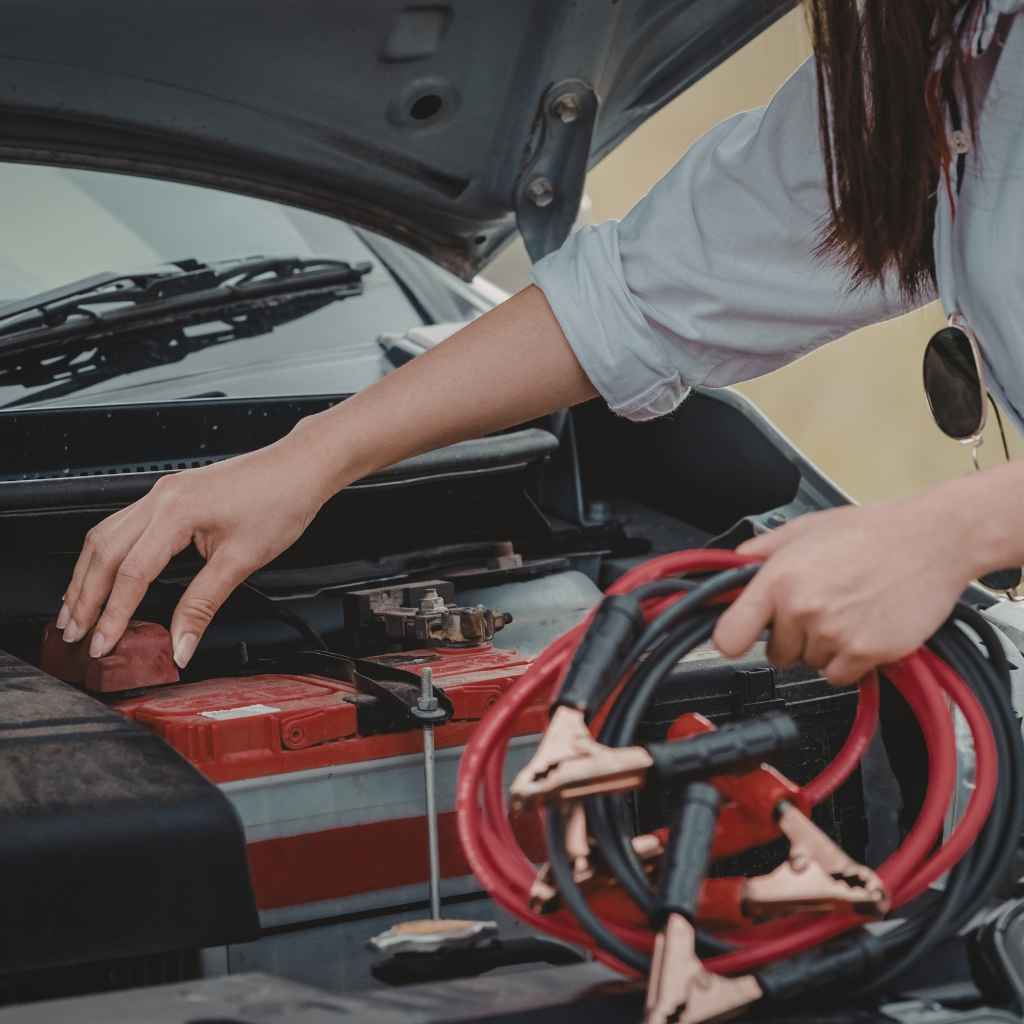
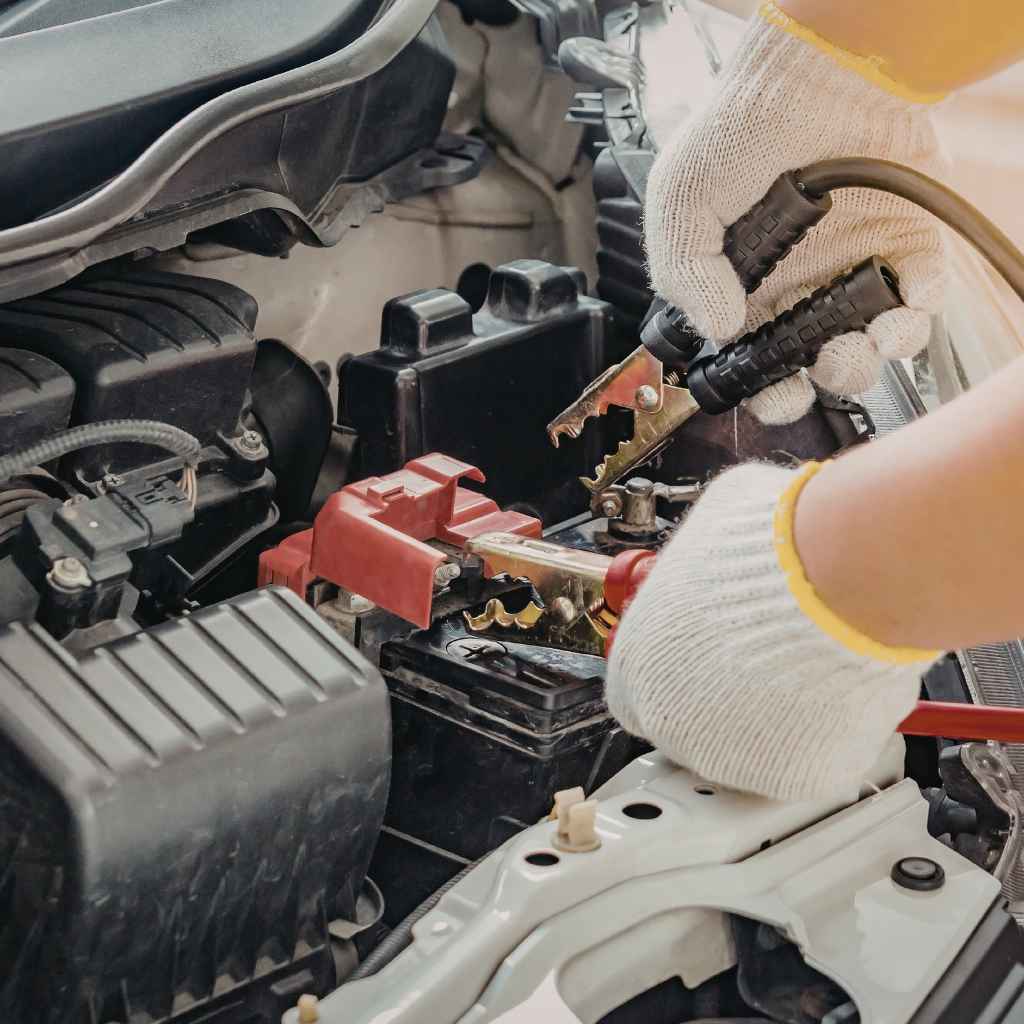
- Use jumper cables: If you have another car, this is the go-to. Make sure you know how to connect them correctly.
- Consider a battery warmer: If you live in a very cold area, these electric blankets for your battery can help.
- Block heater: If your car is equipped with one, plug it in! This is the single best preventative measure for extreme cold.
Remember, these are temporary fixes or ways to get started when things go wrong. The best approach is always preventative maintenance.
Frequently Asked Questions
At what temperature do most car batteries fail?
Most car batteries start to struggle significantly below 0°F (-18°C). At -20°F (-29°C), many batteries will have insufficient power to reliably start a car.
Can very cold weather damage my car if it won’t start?
Yes, repeated attempts to start a frozen engine can strain the starter motor and engine components. It’s better to let the car warm up if possible or use jump-starting methods.
What is the best engine oil for cold weather?
The best oil has a low “W” number, like 0W-20 or 5W-30. Check your owner’s manual for the specific recommendation for your car and climate.
How can I prevent water from freezing in my fuel line?
Using a fuel additive designed to absorb water, often called a fuel dryer or de-icer, is very effective. Keeping your gas tank at least half full also helps reduce condensation.
Is it bad to let your car idle for a long time in the cold?
While it feels good to warm up your car, excessive idling in very cold weather can be hard on the engine and is often discouraged by manufacturers. Modern cars warm up faster by driving gently. It also wastes fuel and can be bad for the environment.
What does a rapid clicking sound mean when I try to start my car in the cold?
A rapid clicking sound usually means your car battery is very low on charge or is completely dead. It doesn’t have enough power to turn the starter motor.
Conclusion
Understanding the temperature limits for your car is crucial for avoiding a cold morning headache. It’s a combination of battery power, oil viscosity, and fuel system health. Being prepared with the right maintenance makes a world of difference.
Stay warm and drive safe!
Products related to this article
Sponsored / affiliate links. As an Amazon Associate I earn from qualifying purchases. I may earn additional commission from eligible campaigns.