What Psi to Wash Car: Essential Guide
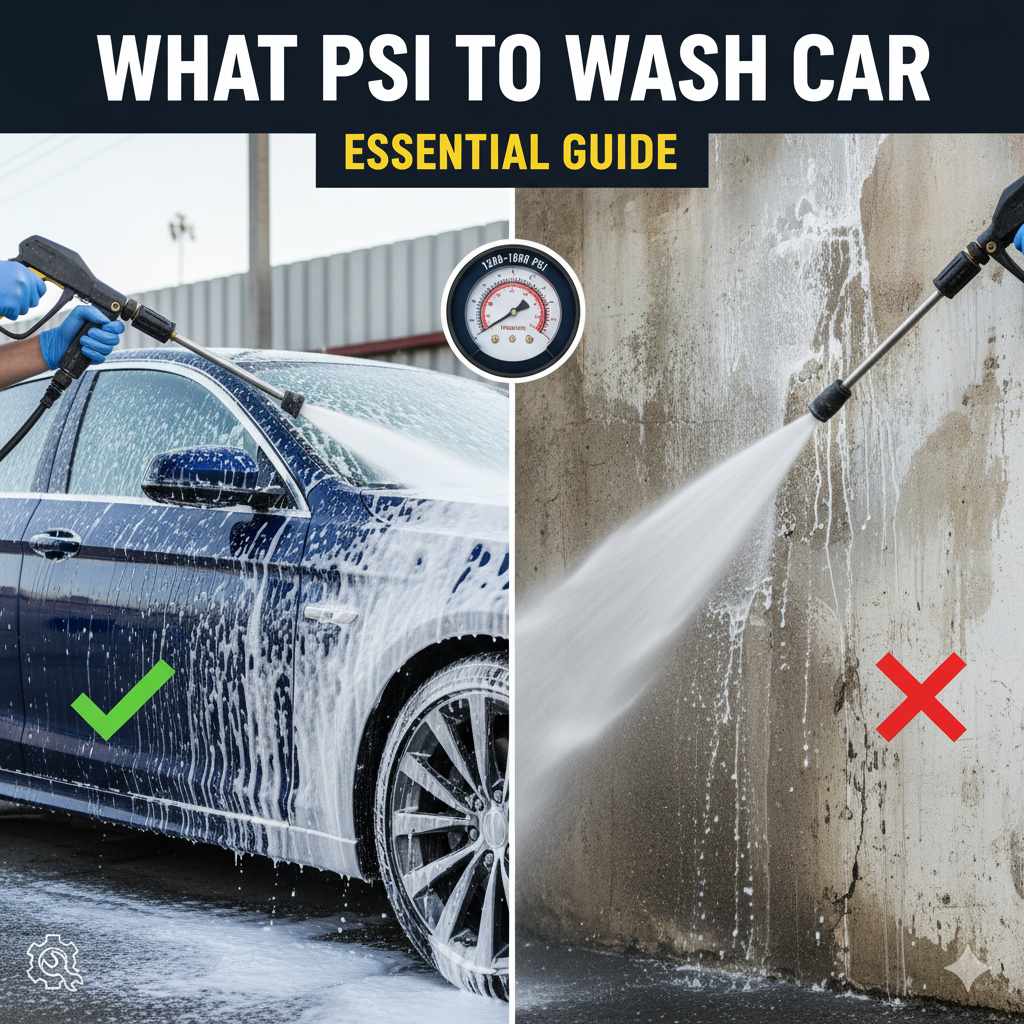
To wash your car safely and effectively, aim for a pressure washer setting between 1200 and 1900 PSI. Anything higher risks damaging your car’s paint, trim, or windows. Lower PSI might not be powerful enough to remove dirt. This guide will help you find the sweet spot for a sparkling clean car without causing harm.
It can be a bit confusing when deciding how much pressure to use when washing your car. You want it to be clean, but you don’t want to accidentally hurt the paint or plastic. Many people wonder, “What PSI is just right?” It’s a common worry, and it’s smart to think about! We’ll walk through this together, step by step, so you can wash your car with confidence. You’ll learn exactly what PSI to use and how to get that showroom shine safely.
Why Pressure Matters for Car Washing
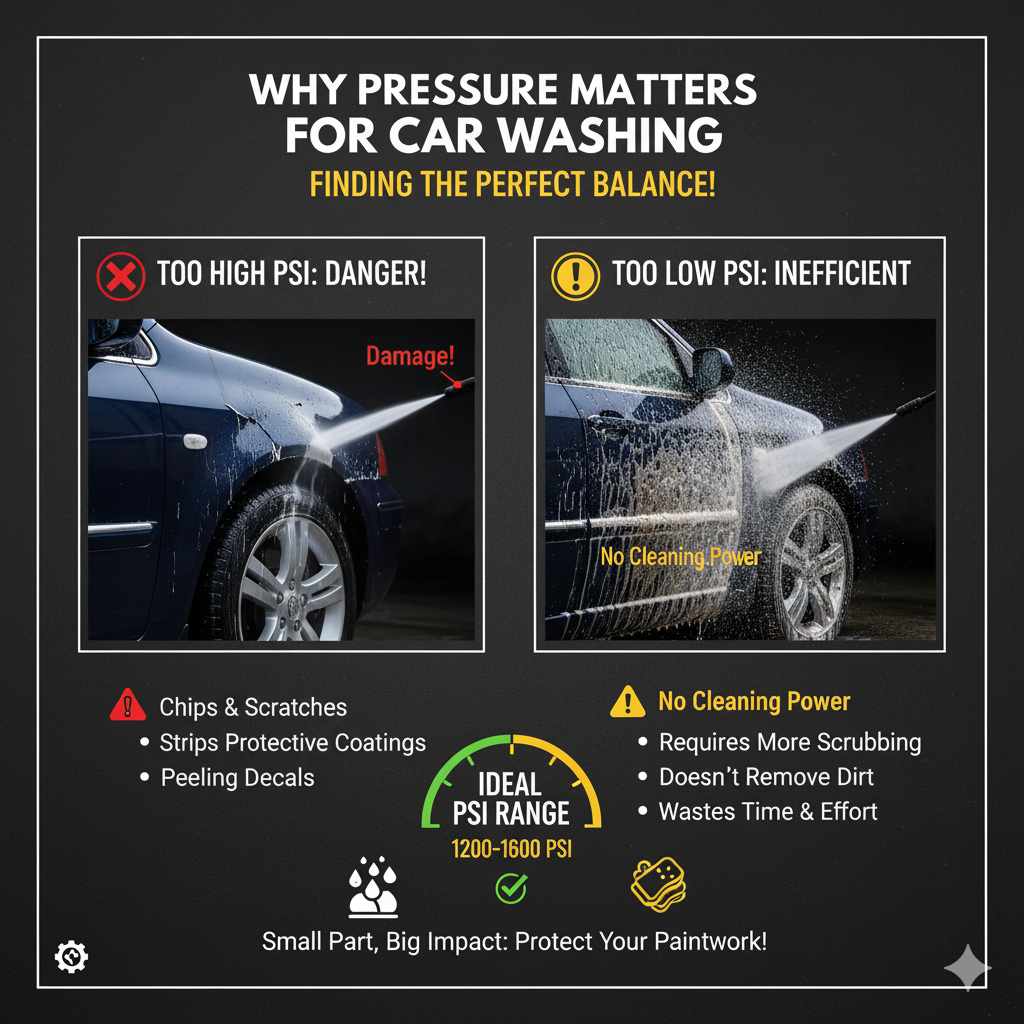
Using a pressure washer can make cleaning your car a breeze, much faster and more effective than a garden hose. But, the key is using the right amount of force. Too much “oomph” from a pressure washer can be like turning a gentle tap into a fire hose – it can cause real damage. Think of your car’s paint as a delicate layer; it needs care. The wrong PSI can chip, scratch, or even strip away protective coatings or decals. On the other hand, if the PSI is too low, you might find yourself scrubbing harder than necessary, defeating the purpose of using a pressure washer in the first place. It’s all about finding that perfect balance.
Understanding Pressure Washer PSI
PSI stands for “Pounds per Square Inch.” It’s a measurement of how much force the water is being pushed out with. When you look at a pressure washer, you’ll often see two numbers: PSI and GPM (Gallons Per Minute). While GPM tells you how much water is coming out, PSI is about the force of that water stream. For car washing, the PSI is your primary concern. Different parts of your car can handle different levels of pressure. A powerful blast might be good for cleaning tough grime off a driveway but can be too much for your car’s delicate surfaces.
How PSI Affects Your Car’s Finish
Your car’s paint is made up of several layers, including the primer, base coat (the color), and a clear coat on top. This clear coat is what gives your car its shine and protects the color underneath.
Too High PSI: High pressure can etch into the clear coat, leaving dull spots or even removing it completely. It can also force water into tiny cracks, potentially leading to rust later. Delicate parts like rubber seals, plastic trim, and emblems can be easily damaged, torn, or dislodged.
Too Low PSI: A pressure that’s too low won’t remove caked-on dirt, brake dust, or road grime effectively. This means you’ll have to get much closer to the car or scrub harder, which can also lead to scratches if you aren’t careful.
What PSI is Generally Recommended for Cars?
Most experts and car care professionals suggest a PSI range that is powerful enough to clean but gentle enough to protect.
General Recommendation: For washing cars, a pressure washer with a PSI setting between 1200 and 1900 PSI is considered the sweet spot.
This range allows you to effectively remove dirt and grime without risking damage to your car’s finish. It’s powerful enough for a good clean but significantly less aggressive than industrial-level pressure washers.
Choosing the Right Pressure Washer for Your Car
Not all pressure washers are created equal, and your choice can impact how you wash your car. For most home car washing needs, an electric pressure washer is usually the best bet.
Electric vs. Gas Pressure Washers
Electric Pressure Washers: These are generally lighter, quieter, and easier to use. They typically offer a PSI range that is perfect for car washing (often 1200-1900 PSI). They are also more environmentally friendly.
Gas Pressure Washers: These are more powerful and can reach higher PSI levels (often 2000+ PSI). While great for heavy-duty tasks like cleaning decks or driveways, they can be overkill and too powerful for car washing unless you use a very low PSI setting and the right nozzle.
For beginners and for peace of mind when washing your car, an electric pressure washer is usually the safer and more practical choice.
Key Features to Look For
When selecting a pressure washer for car care, keep these features in mind:
Adjustable Pressure Settings: Some models allow you to dial in the exact PSI, giving you more control.
Multiple Nozzle Attachments: This is crucial! Different nozzles spray water in different patterns and at different pressures.
Low GPM: A lower Gallons Per Minute (GPM) rating, typically between 1.4 to 1.8 GPM, is usually better for car washing. It means the water is more concentrated and forceful, making cleaning effective without using excessive water.
Understanding Pressure Washer Nozzles
The nozzle is what controls the spray pattern and, consequently, the impact force of the water. Using the wrong nozzle is one of the quickest ways to damage your car.
Common Nozzle Types and Their Uses
Pressure washer nozzles are typically color-coded, and the angle of the spray determines how intense the pressure is.
Here’s a breakdown of common nozzle types:
| Nozzle Color | Spray Angle | PSI Intensity | Best Use For Cars |
|---|---|---|---|
| Red | 0 degrees (pencil jet) | Very High | NEVER use on car paint. Use only for extreme cleaning on hard surfaces far from vehicles. |
| Yellow | 15 degrees | High | Use with extreme caution. Can be used on very durable parts like wheels (from a distance) or heavily soiled undercarriages, but too close can still damage paint. |
| Green | 25 degrees | Medium-High | Generally too intense for direct paint application on most cars. Can be used carefully on durable parts like wheel wells or engine bay components if done from a safe distance. |
| White | 40 degrees | Medium | Often the best choice for general car washing. Provides a wider spray pattern that distributes pressure more evenly, making it safer for paintwork, glass, and trim when held at the correct distance. |
| Black | Soap/Detergent nozzle | Low | Used for applying soap. It has a very wide, low-pressure spray pattern designed to cover the car in foam or soap solution. Essential for pre-washing. |
The Importance of Nozzle Selection for Car Safety
For car washing, you want to avoid the narrow, high-pressure jet nozzles (red, yellow, and often green). They concentrate all the force into a tiny spot, which is a recipe for disaster on paint.
The 40-degree (white) nozzle is usually your go-to for rinsing and general washing. It spreads the water over a broader area, reducing the direct impact on any single point.
The soap nozzle (black) is vital for applying your car wash soap or foam. It delivers the soap gently, allowing it to break down dirt and grime without pressure.
Always start with the widest angle nozzle you have (usually the 40-degree white one) and test it on an inconspicuous area if you’re unsure.
Step-by-Step Guide: Washing Your Car with a Pressure Washer
Now that you understand the PSI and nozzles, let’s get to the actual washing! This guide will help you do it safely and effectively.
Step 1: Preparation is Key
Before you even pick up the pressure washer, gather everything you need and prepare your car.
Gather Your Supplies:
Pressure washer (electric recommended for cars)
Appropriate nozzles (start with 40-degree/white, and soap nozzle/black)
Car wash soap or pressure washer soap solution
Two buckets (one for soap, one for rinsing your wash mitt)
Wash mitt (microfiber is best)
Wheel cleaner and brushes (if needed)
Microfiber drying towels
Hose with a spray nozzle (for rinsing and for areas where the pressure washer might be too much)
Park in a Suitable Location: Choose a shaded area. Direct sunlight can dry soap and water too quickly, leaving streaks or water spots. Ensure you have access to a water source and a power outlet (for electric models).
Rinse the Car: Start by rinsing the entire car with a regular garden hose or a low-pressure setting on your pressure washer (e.g., using the soap nozzle from a distance) to remove loose dirt, dust, and debris. This prevents you from grinding grit into the paint when you start scrubbing.
Step 2: Apply Car Wash Soap
This is where the soap nozzle comes in handy.
1. Attach the soap nozzle (usually black) to your pressure washer wand.
2. Fill the soap reservoir or siphon tube with your chosen car wash soap or a dedicated pressure washer soap solution. Follow the manufacturer’s instructions for dilution.
3. Stand at a safe distance (at least 1-2 feet, or about arm’s length) from the car and spray the soap evenly over the entire vehicle, starting from the top and working your way down.
4. Let the soap dwell: Allow the soap to sit on the car for a few minutes (but don’t let it dry!). This dwell time allows the soap to break down the grime and lubricate the surface for washing.
Step 3: Wash the Car (The Gentle Way)
After the soap has done its work, it’s time for the contact wash.
1. Switch to the 40-degree (white) nozzle on your pressure washer.
2. Rinse off the soap: Starting from the top of the car, use the pressure washer to rinse away the soap suds. Keep the spray moving and maintain a consistent distance of at least 12-24 inches (30-60 cm) away from the paint. Work your way down the car.
3. Pre-rinse again: Do a final pre-rinse with the garden hose or the low-pressure soap nozzle to ensure all loose dirt is gone before you touch the paint.
4. The Contact Wash: Now, fill your two buckets. One with your car wash soap solution, and the other with clean water for rinsing your wash mitt.
Dip your wash mitt into the soap bucket.
Gently wash one panel of the car at a time (e.g., the roof, then a door).
After washing a panel, rinse your wash mitt thoroughly in the clean water bucket to remove dirt and grit.
Dip the mitt back into the soap bucket and move to the next panel.
This “two-bucket method” is crucial for preventing scratches and swirl marks.
5. Focus on Badges and Trim: Be extra gentle around emblems, badges, and rubber seals. Use your wash mitt gently, and if you need to use the pressure washer on these areas, ensure you are using a wide spray (40-degree nozzle) and maintaining a very safe distance.
Step 4: Rinse Thoroughly
Once you’ve washed the entire car, it’s time for a thorough rinse.
1. Switch back to the 40-degree (white) nozzle.
2. Rinse the car from top to bottom, ensuring all soap residue is removed from the paint, crevices, windows, and trim.
3. Pay attention to door jambs, under the hood (if opened for cleaning), and around the trunk lid, as soap can collect in these areas.
4. A final rinse with a regular garden hose, using a “sheeting” effect (letting water flow gently over the surface), can help water beads roll off, making drying easier.
Step 5: Drying the Car
Drying is just as important as washing to prevent water spots.
1. Use clean, high-quality microfiber drying towels. These are highly absorbent and scratch-free.
2. Gently wipe the car down, working section by section. Avoid twisting or wringing out the towel; instead, lay it flat and pull it across the surface.
3. Change towels as they become saturated to avoid spreading moisture.
4. Don’t forget door jambs, mirrors, and wheels.
When NOT to Use a Pressure Washer on Your Car
While pressure washers are fantastic tools, there are times when caution is paramount, or when you should avoid them altogether.
Areas to Be Very Careful With
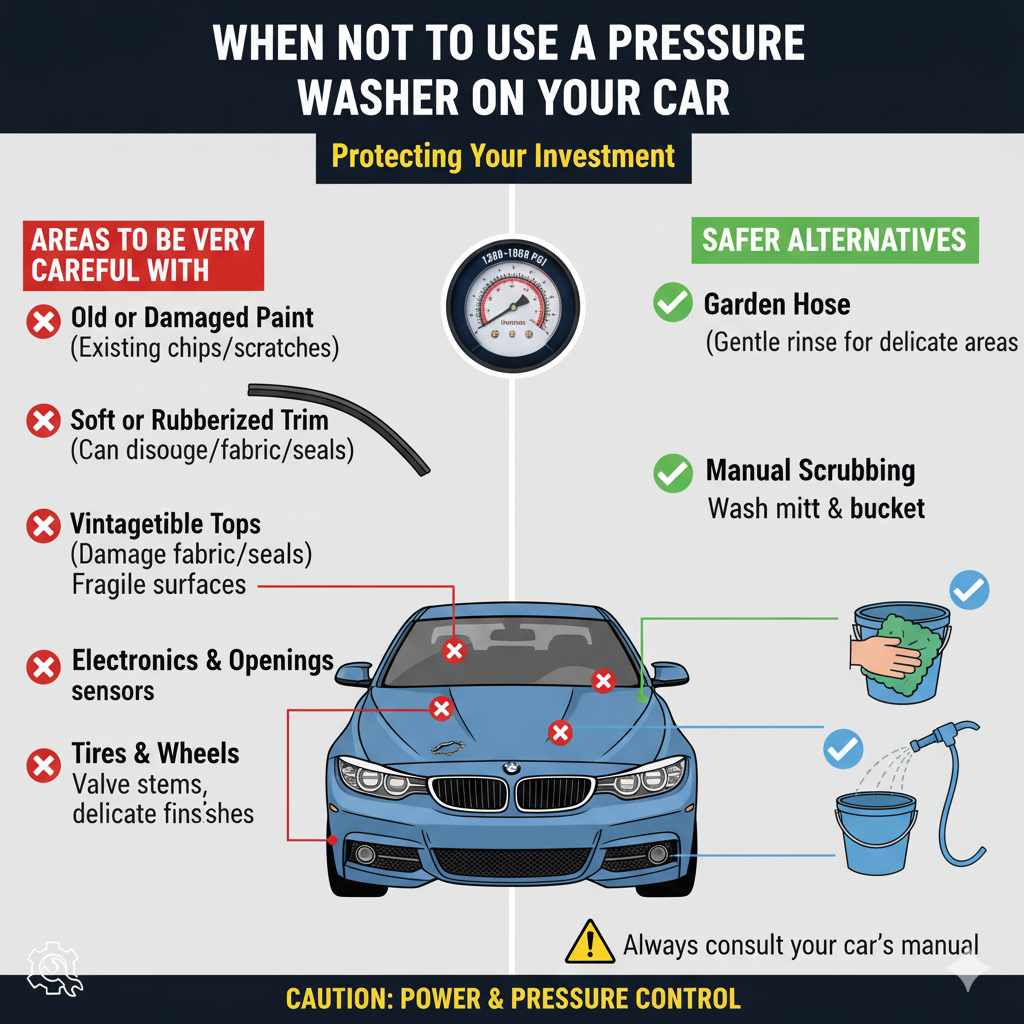
Old or Damaged Paint: If your car has any existing paint chips, scratches, or peeling clear coat, a pressure washer can easily worsen the damage, lifting more paint or extending the chip.
Soft or Rubberized Trim: Some modern cars have plastic or rubber trim that might be less durable. High pressure can damage or dislodge these.
Convertible Tops: Fabric convertible tops can be delicate. High pressure can damage the material, seam seals, and water-repellent coatings. Stick to a gentle hose or specialized fabric cleaner.
Vintage or Classic Cars: These often have more fragile paint and trim. It’s usually best to stick to traditional hand washing methods.
Electronics and Openings: Avoid spraying directly into engine bays with the high-pressure stream, near air intakes, or into electrical components like sensors and fuse boxes. While a gentle rinse might be okay, direct high pressure can force water where it shouldn’t go.
Tires and Wheels: While tough, avoid spraying high-pressure water directly at tire valve stems or delicate wheel finishes from very close range.
Alternatives for Sensitive Areas
Garden Hose: For very delicate areas or if you’re unsure, a regular garden hose with a gentle spray setting is always a safe bet.
Manual Scrubbing: Sometimes, a good old-fashioned wash mitt and bucket are the best and safest way to clean tougher areas like heavily soiled wheels or tight trim.
How to Safely Use Higher PSI Pressure Washers on Cars
If you only have access to a gas pressure washer with a PSI significantly higher than 1900, you can still use it, but you need to be extra careful.
Adjusting Your Technique for High-PSI Washers
1. Use the Widest Nozzle (40-degree or 65-degree): Always start with the least intense nozzle available. A 65-degree nozzle, if your washer has one, offers an even gentler, wider spray than a 40-degree.
2. Increase Distance Significantly: You’ll need to hold the wand much further away from the car – think 3-4 feet (1-1.2 meters) or more. The further away you are, the more the pressure dissipates.
3. Keep the Wand Moving Constantly: Never let the spray linger on one spot. Move it in a consistent, sweeping motion.
4. Use Low-Pressure Soap Mode: Utilize the soap setting on your washer, which inherently uses very low pressure, to apply soap.
5. Consider Pressure Washer “Car Wash” Kits: Some kits include specialized low-pressure tips or foam cannons designed specifically for car washing with higher-powered machines.
6. Test on a Small Area: If possible, test the spray on a part of the car that isn’t as visible or on a sturdy surface nearby to gauge the force.
7. When in Doubt, Don’t: If you’re uncomfortable or still unsure, it’s always better to use a garden hose for the main wash and rinse.
Recommended Tools and Accessories for Safe Washing
Investing in a few key accessories can make your pressure washing experience much safer and more enjoyable.
Foam Cannon: Attaches to your pressure washer, creating a thick layer of foam that encapsulates dirt. This is excellent for pre-soaking and lubricates the surface before contact washing. Chemical Guys offers various foam cannon options.
Pressure Washer Detergent Tanks: Ensure you’re using a soap specifically designed for pressure washers and diluted correctly.
Undercarriage Sprayer Attachment: Useful for cleaning the underside of your car without having to contort yourself. However, use with caution, avoiding sensitive components.
* Surface Cleaner Attachment:** While great for driveways, these are generally too aggressive for car paint.
Frequently Asked Questions (FAQ)
Q1: What is the safest PSI for washing a new car?
A1: For a new car with pristine paint, the safest PSI range is typically between 1200 and 1500 PSI. Always use the widest angle nozzle available (40-degree is common) and maintain a distance of at least 18-24 inches from the paint.
Q2: Can a pressure washer damage my car’s paint?
A2: Yes, it absolutely can. Using a PSI that’s too high, getting too close to the surface, or using a narrow-angle nozzle (like a 0 or 15-degree) can chip paint, dull the clear coat, or even strip paint off the car.