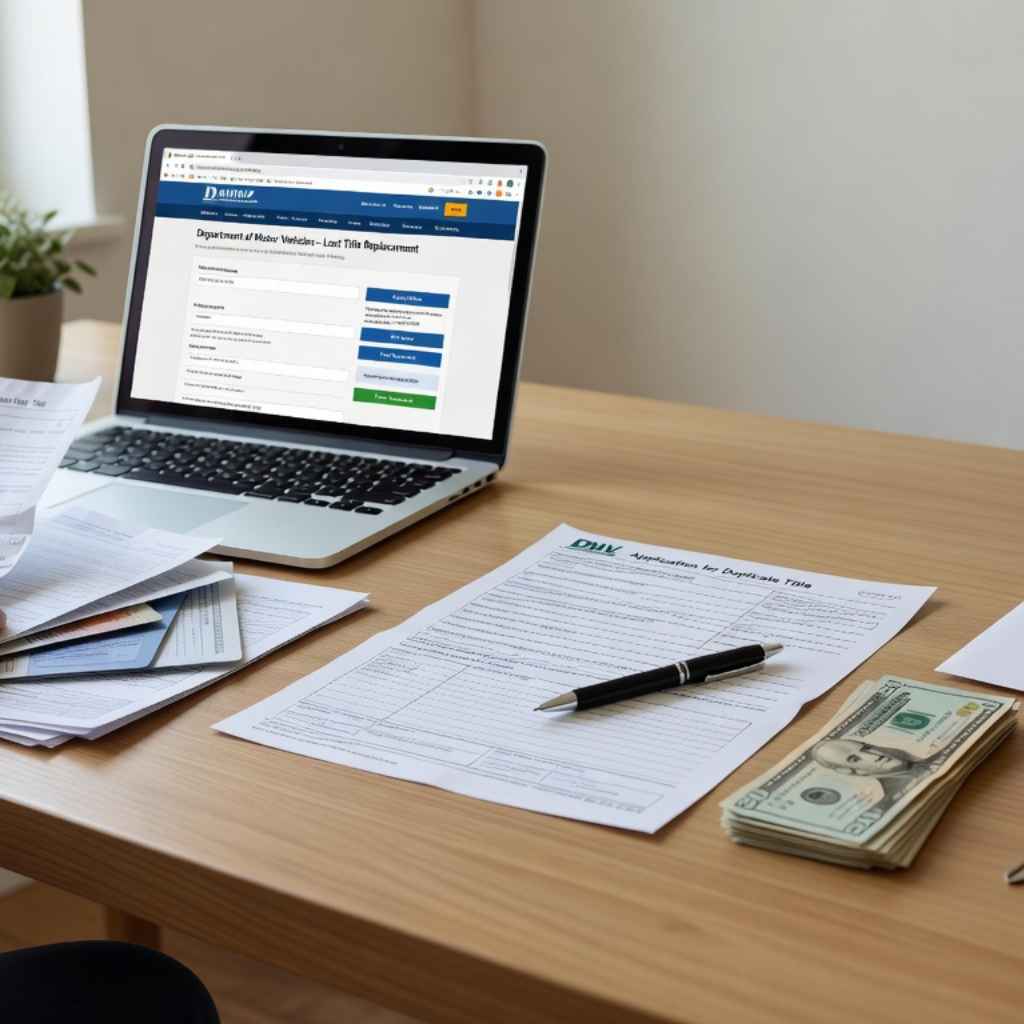
What To Do If You Lost Your Car Title (Step By Step Fix)
If you’ve lost your car title, you’ll need to get a replacement from your state’s Department of Motor Vehicles (DMV). The process usually involves filling out an application, providing proof of ownership, and paying a small fee. It’s important to replace it promptly to avoid issues when selling or transferring your vehicle.
Understanding Your Car Title
What exactly is a car title? It’s like a car’s birth certificate. It proves you own the vehicle.
It has important details. Like the car’s make and model. It also shows the vehicle identification number (VIN).
This number is unique to your car. The title also lists your name. Or the name of the lienholder.
A lienholder is a lender. They helped you buy the car. You can’t sell a car without its title.
It’s a key document.
Think of it as legal proof. It says you are the rightful owner. This is important for many reasons.
If you’re ever in an accident. If you want to trade in your car. Or if you want to junk it.
You will always need that title. Without it, these things are hard. Or even impossible.
So, if it’s gone, don’t wait. Get a new one.
Many people worry about losing it. They keep it in a safe place. But life happens.
Sometimes papers get moved. Or lost in a move. Or during a big clean-out.
It’s a common issue. You are not alone. The good news is, replacing it is usually straightforward.
Why a Car Title Matters
Ownership Proof: It’s the only official document proving you own the car.
Selling Your Car: You can’t legally sell a vehicle without a title.
Loan Payoff: When you pay off a car loan, the title is transferred to you.
State Registration: It’s often needed to register your vehicle.
Identification: It helps identify the vehicle clearly, especially the VIN.

My Own Title Scare
I remember a time I thought I’d lost my car title. It was a few years ago. I had just bought a used car.
It was a great little sedan. I was so excited. The dealer handed me the paperwork.
The title was among it. I put it in a folder. I planned to file it later.
Well, “later” turned into weeks. Then months. I decided to sell that car.
I needed to get a new one. I dug through my filing cabinets. Nothing.
I searched every drawer. My desk, my closet. Panic started to set in.
Where could it be?
I started retracing my steps. Did I leave it in the car? No.
Did I give it to my spouse? No. I felt sick.
I pictured myself trying to sell the car. Without the title. It felt impossible.
I imagined endless trips to the DMV. Long waits and confusing forms. My mind raced with worst-case scenarios.
It was a hot summer day. Sweat beaded on my forehead. Not just from the heat, but from stress.
Then, I remembered. I had been doing some spring cleaning. Before the summer heat.
I had cleared out a box of old insurance papers. I had a small, old box. I usually kept important papers there.
I had moved that box. To a shelf in the garage. I rushed out to the garage.
The air was thick and dusty. I pulled down the box. I opened it slowly.
And there it was. Tucked between an old registration and some repair receipts. My heart did a flip.
Relief washed over me. It was a huge lesson. Keep important papers organized.
And know where they are. Even if it means a quick trip to the DMV.
This experience taught me how crucial that piece of paper is. And how easy it is to lose track of it. For many people, the fear of losing it is real.
But the solution is simpler than you might think. It’s about knowing the steps.
How to Replace a Lost Car Title: The Step-by-Step Plan
Losing your car title is stressful. But don’t worry. Replacing it is a process.
Each state has its own rules. But the main steps are very similar. Let’s break them down.
This will make it easy to follow.
Step 1: Identify Your State’s DMV or Equivalent Agency
First things first. You need to know where to go. Or where to look online.
Most states call it the Department of Motor Vehicles (DMV). Some might call it the Motor Vehicle Division (MVD). Or the Registry of Motor Vehicles (RMV).
You need to find your state’s official agency. A quick search online will help. Search for “ DMV” or “ lost car title”.
This agency handles all vehicle-related documents. They will have the forms you need. They also have specific instructions.
For replacing a lost title in your state. Bookmark their website. It will be your main resource.
Make sure it’s the official government site. Look for .gov at the end of the web address.
Knowing the right agency is key. It saves you time. It points you in the right direction.
Without this, you might go to the wrong place. Or ask the wrong questions. This first step is simple.
But it’s very important.
Step 2: Gather Necessary Information
Before you fill out any forms, gather what you need. You’ll need some personal details. And details about your car.
Here’s what you’ll likely need:
- Your Driver’s License Number: For identification.
- Your Social Security Number (SSN): Some states require this.
- Vehicle Identification Number (VIN): This is found on your car. It’s also on your old registration or insurance papers.
- Vehicle Make, Model, and Year: Basic car information.
- License Plate Number: If the car is currently registered.
- Proof of Insurance: Sometimes required.
- A Valid ID: Like your driver’s license or state ID.
Having this information ready makes the application process smooth. You won’t have to stop and search for it. It’s all there.
Quick Info Checklist
Your Info:
- Driver’s License #
- SSN (if needed)
Car Info:
- VIN
- Make, Model, Year
- License Plate #
Step 3: Obtain the Correct Application Form
Most DMVs have specific forms for lost titles. These are often called an “Application for Duplicate or Replacement Title.” You can usually download this form from your state’s DMV website. Sometimes you can get it in person at a DMV office.
Read the form carefully. Fill it out completely. Double-check all the information you enter.
Errors can cause delays. Make sure you are using the most current version of the form. Websites usually have the latest ones.
Some states let you fill out the form online. Others require a paper copy. Some might even let you mail it in.
Check your state’s specific rules.
Step 4: Complete the Application
This is the main part. You will fill out the form. Be honest and accurate.
You will likely have to sign it under penalty of perjury. This means you are swearing the information is true.
Common sections on the form include:
- Your personal details (name, address, etc.).
- The vehicle’s details (VIN, make, model, year).
- A section where you state the title was lost.
- Your signature and the date.
If you have a lien on the car, you might need extra steps. Or the lienholder’s signature. This is common if you still owe money on the car.
Check your state’s rules for this.
Take your time. Read each question. Answer it clearly.
If you’re unsure about something, call the DMV. Or look for FAQs on their website. It’s better to ask than to guess.
Step 5: Submit the Application and Pay the Fee
Once the form is complete, you need to submit it. You can usually do this in a few ways:
- In Person: Visit your local DMV office. This can be the fastest way. But expect lines.
- By Mail: Mail the completed form to the address provided by the DMV.
- Online: Some states offer online submission.
There will be a fee for the replacement title. This fee varies by state. It’s usually a small amount.
Like $10 to $30. You’ll need to pay this when you submit the application. Check your state’s website for the exact fee and payment methods.
They might accept checks, money orders, or credit cards.
Keep a copy of your application. And your receipt for the fee. This is important proof.
In case anything goes wrong.
Submission Options
In Person:
- Pros: Often fastest.
- Cons: Can have long wait times.
By Mail:
- Pros: Convenient, no travel needed.
- Cons: Slower processing time.
Online:
- Pros: Very convenient.
- Cons: Not all states offer this.
Step 6: Wait for Your New Title
After you submit everything, you wait. The DMV will process your application. This can take time.
It might be a few days. Or it might be several weeks. Processing times vary by state.
And by how busy they are.
Your new title will be mailed to you. Make sure your mailing address is correct on the application. If you move during this time, contact the DMV.
Update your address immediately.
If you need to sell your car urgently, ask the DMV about temporary options. Some states offer temporary permits. Or expedited processing for a higher fee.
What If You Still Have a Lien on the Car?
This is a common situation. Many people finance their cars. If you still owe money on your car, the lender (lienholder) likely has the title.
Or they are listed on it. Even if you can’t find the physical title, the lender’s information is important.
When you apply for a replacement title, you will likely need to involve the lienholder. Your state’s DMV will have specific procedures for this. They might require the lienholder to sign off.
Or they might issue a duplicate title that still lists the lienholder.
Contact your lender first. Explain that you need to replace a lost title. They can tell you what they need from you.
And what they will do. They might have their own process for this.
If you have paid off your car loan, the lienholder must release the lien. They will sign a lien release. This document then needs to be submitted to the DMV.
So they can issue a new title in your name only. If you don’t have the lien release, contact the lender.
Lienholder Scenarios
Scenario 1: Loan Not Paid Off
- Lender holds the title or is listed on it.
- May need lender’s cooperation or signature.
- Contact lender for their specific process.
Scenario 2: Loan Paid Off, No Title Yet
- Lender must provide a lien release.
- Submit lien release to DMV.
- DMV issues title in your name.
Scenario 3: Paid Off, Title Lost Before Receiving
- Contact lender for lien release.
- Apply for duplicate title with lien release.
What If the Car Was Recently Purchased?
If you just bought a car. And the title is missing. This is different.
The seller is responsible for providing you with a valid title. If they can’t, the sale might be problematic.
Here’s what to do:
- Contact the Seller: Ask them to obtain a duplicate title. They should do this before the sale is finalized.
- Check Your Paperwork: Did you sign a bill of sale? Does it mention the title status?
- Don’t Complete the Sale: If the seller can’t produce a title, do not finalize the purchase. You might end up with a car you can’t legally own or drive.
Buying a car without a title is very risky. You need that title to register the car in your name. And to prove ownership.
If you bought a car. And the seller promised the title. But you never received it.
You need to act quickly. Contact your state’s DMV. They can guide you on what steps to take.
This might involve sworn statements. Or legal processes.
Sometimes, private sellers forget. Or make mistakes. A quick call might resolve it.
But if the seller is unreachable. Or unwilling to help. You might need to consider legal advice.
Or report the issue to consumer protection agencies.
Recent Purchase Title Tips
Before Buying: Always ensure the seller has the title. And that it’s properly signed over to you.
If Seller Lost Title: Ask them to apply for a duplicate BEFORE you pay.
After Buying (Seller Promised Title): Contact seller immediately. If no title, do not complete payment.
If Already Purchased (No Title Received):
- Consult your state’s DMV.
- Gather all sales documents.
- Consider legal counsel if issues persist.
When Is a Lost Title a Bigger Problem?
Most of the time, replacing a lost title is just an inconvenience. A bit of paperwork and a small fee. But there are times when it can be a bigger deal.
Reasons it’s more serious:
- You bought the car without a title. As mentioned, this is a huge red flag.
- The car is financed, and you lost the title. You might need to work closely with your bank.
- You need to sell the car urgently. The replacement process takes time.
- You suspect the title was stolen. This is a different situation. You might need to file a police report.
If you find the title after applying for a replacement, don’t try to use the old one. Destroy it. The new one will be the official document.
In rare cases, a stolen title could be used for fraudulent activity. This is why it’s important to act fast. And to report it if you suspect theft.
When to Be Extra Cautious
Buying from a private seller without seeing the title first.
Needing to sell the car within the next week or two.
If the car is relatively new and still financed.
If you can’t find the title and the car is old and paid off.
Preventing Future Title Loss
Now that you know how to replace one, how can you avoid losing it again? A little organization goes a long way.
- Designated Safe Place: Have one specific spot for important documents. A fireproof safe, a secure filing cabinet, or a locked box works well.
- Digital Copies: Take photos or scan your title. Save them to a secure cloud service. Or a USB drive. Ensure it’s encrypted for safety. This is NOT a legal replacement, but it helps you find information quickly.
- Organize Your Files: Use folders or binders. Label them clearly. Car documents, insurance, taxes.
- Update Your Address: If you move, make sure the DMV has your new address. This ensures any mailed documents reach you.
- Review Regularly: Once a year, check your important documents. Make sure they are still where they should be.
It’s easy to think “it won’t happen to me.” But life is unpredictable. Taking small steps now can save you a lot of stress later.
Think of it like putting your keys in the same spot every time. Or keeping your passport safe. It’s about building good habits.
For important things. Your car title is one of those things.
Smart Title Storage Ideas
Home Safe: Protects against fire and theft.
Secure Filing Cabinet: Keep it locked if possible.
Digital Backup: Cloud storage or external drive. Ensure it’s password protected.
Document Organizer: A dedicated folder for all car-related papers.
Frequently Asked Questions About Lost Car Titles
What if I find my original title after applying for a duplicate?
If you find your original title after you’ve applied for a duplicate, please destroy the original one. The duplicate title that the DMV issues will be the legally recognized document. Using the old one can cause confusion or issues with future transactions. So, it’s best to discard it safely.
How long does it usually take to get a replacement title?
Processing times vary greatly by state. It can take anywhere from a few days to several weeks. Some states are faster than others. Check your state’s DMV website for estimated processing times. They often provide this information. You might be able to pay extra for expedited service in some cases.
Can I sell my car without a title?
Generally, no. A car title is the legal document proving ownership. You cannot legally sell a vehicle without transferring the title to the buyer. If you have lost the title, you must get a replacement before you can sell the car. This process can take time, so plan ahead if you intend to sell.
What if my car was stolen and the title is lost too?
If your car was stolen, you should report it to the police immediately. This report is crucial for insurance purposes and for your state’s DMV. You will need a copy of the police report when you apply for a replacement title. The process might be slightly different when theft is involved, so contact your DMV directly for specific guidance.
Do I need proof of ownership if I lost my title?
Yes, you will need to provide proof of ownership. This can often include your driver’s license, vehicle registration, insurance information, or a bill of sale. The application form itself will ask for details that confirm your ownership and connection to the vehicle. Your state’s DMV will list the exact requirements.
Can someone else get a replacement title for my car?
In most cases, only the registered owner or a legal representative can apply for a
Final Thoughts on Replacing Your Lost Car Title
Losing your car title is never fun. It feels like a big hurdle. But as we’ve seen, it’s a manageable one.
By following these steps, you can get a new title. It just takes a little time and effort.
Remember to always check your state’s specific DMV website. Rules can change. And each state has its own forms and fees.
Stay calm. Gather your info. Fill out the form correctly.
And wait patiently. You’ll have your new title soon.
Products related to this article
Sponsored / affiliate links. As an Amazon Associate I earn from qualifying purchases. I may earn additional commission from eligible campaigns.
![iPhone Car Charger,USB C Fast Car Charger[Apple MFi Certified] Apple Car Charging 38W Dual Port CarCharger Cigarette Lighter Adapter 2x3ft PD&QC 3.0 Lightning Cable for iPhone 14/13/12 Pro/11/Airpods](https://m.media-amazon.com/images/I/41XizrssoiL._SL500_.jpg)