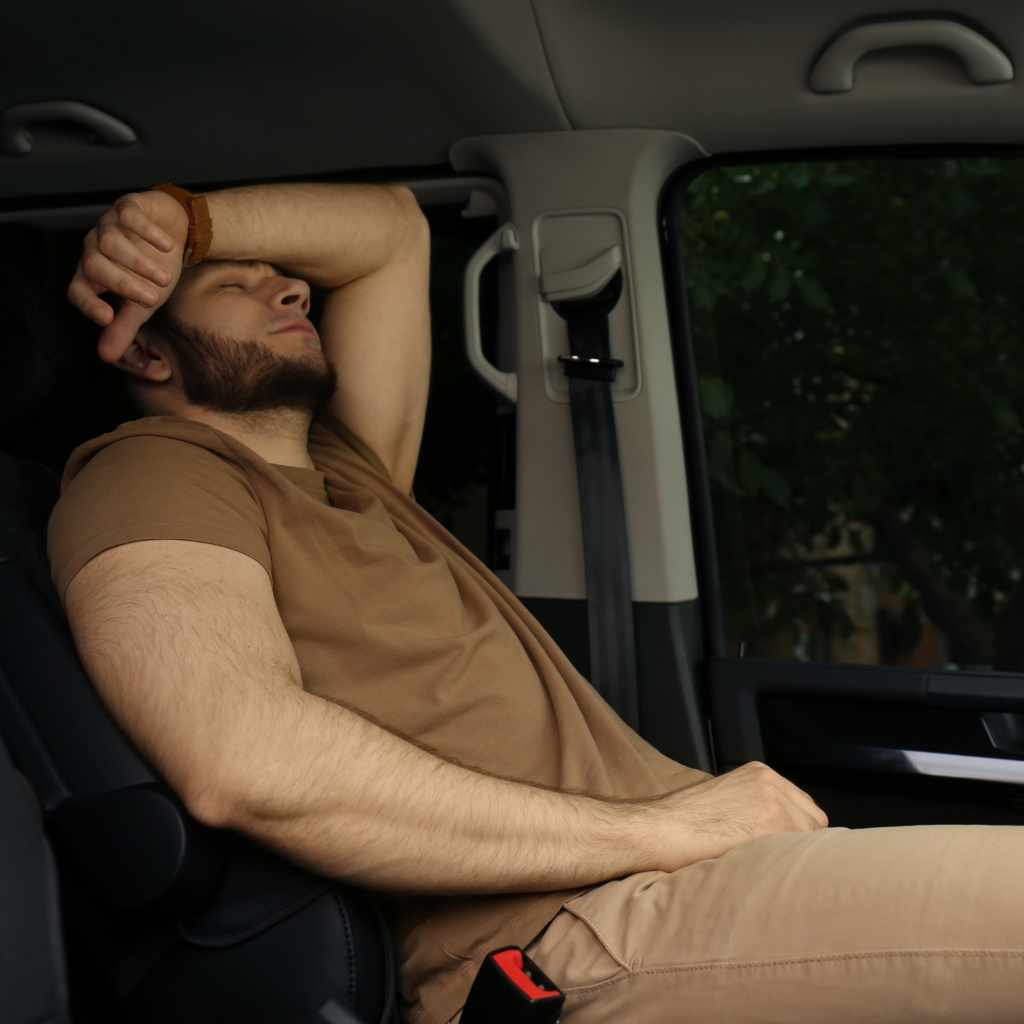
Why Sleeping in Car Dangerous: Shocking Risks You Must Know
Have you ever thought about sleeping in your car to save time or money? It might seem like a simple solution, but it can actually be much more dangerous than you realize.
Your car isn’t designed for a good night’s rest, and staying in it overnight can put your health and safety at serious risk. If you care about your well-being, keep reading to discover the hidden dangers of sleeping in your car—and why it’s better to find a safer option.
Health Hazards
Sleeping in a car can put your health at serious risk. Small spaces and poor ventilation create harmful conditions. These dangers affect your breathing, heart, and overall rest. Understanding these health hazards helps keep you safe.
Oxygen Deprivation
Cars are tight spaces with limited airflow. When you sleep inside, oxygen levels drop quickly. Low oxygen makes you feel tired and dizzy. It can cause headaches and shortness of breath. Breathing in less oxygen harms your brain and body.
Carbon Monoxide Poisoning
Carbon monoxide is a colorless, odorless gas. It comes from running engines and heaters. Breathing it in can cause nausea, confusion, or even death. Sleeping with the engine on or poor ventilation raises this risk. This silent danger is deadly without warning signs.
Poor Sleep Quality
Cars are noisy and uncomfortable for rest. Limited space forces awkward sleeping positions. These issues reduce deep, restful sleep. Lack of good sleep weakens your immune system. It also lowers your focus and mood the next day.
Safety Concerns
Sleeping in a car may seem convenient, but it carries many safety risks. These dangers can affect your health and personal security. Understanding these risks helps you make better decisions. Here are some key safety concerns to keep in mind.
Risk Of Theft Or Assault
Cars parked in public places can attract thieves or attackers. Sleeping inside makes you an easy target. Windows offer little protection against break-ins. Strangers may notice you and try to steal valuables. Personal safety is at high risk in unfamiliar areas. Always consider your surroundings before resting in a vehicle.
Accidental Vehicle Movement
Cars can move unexpectedly if not parked correctly. A small shift may cause the vehicle to roll downhill. This movement can injure anyone inside or nearby. Engaging the parking brake is crucial but not foolproof. Mechanical failures or human error increase this danger. Staying alert and cautious reduces the chance of accidents.
Legal Issues And Regulations
Many places have laws against sleeping in cars. Parking overnight may be illegal in some areas. Police can issue fines or ask you to leave. These rules protect public safety and order. Ignorance of local laws does not excuse violations. Always check regulations before deciding to sleep in your car.
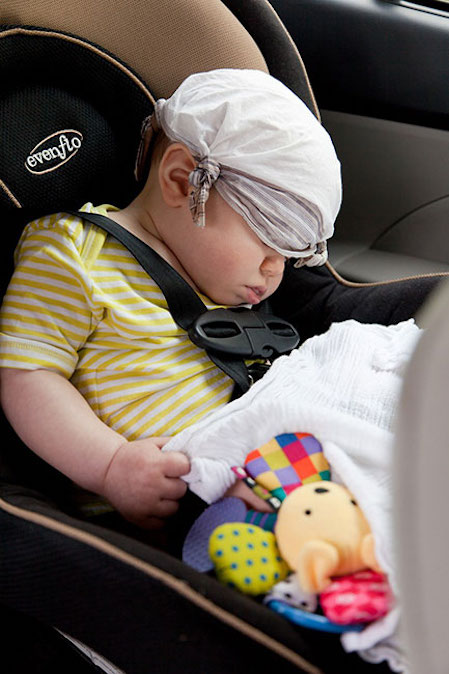
Environmental Factors
Sleeping in a car can expose you to many environmental risks. These factors affect your health and safety. Understanding these dangers helps you make better choices.
Extreme Temperatures
Cars can heat up fast under the sun. Inside temperatures rise quickly, causing heat stroke risks. Cold weather also creates problems. Cars lose heat fast, making it hard to stay warm. Both hot and cold extremes are unsafe for sleeping.
Poor Ventilation
Car windows often stay closed at night. This limits fresh air flow inside. Lack of oxygen can cause dizziness or headaches. Carbon dioxide builds up and makes breathing hard. Poor ventilation increases the chance of health issues.
Exposure To Noise And Pollution
Cars near busy roads face loud noises all night. Constant noise disturbs sleep and raises stress. Pollution from car exhausts also affects health. Breathing polluted air can cause lung problems. Noise and pollution make restful sleep very difficult.
Psychological Effects
Sleeping in a car can affect your mind in many negative ways. It is not just about physical discomfort. The psychological effects can be strong and harmful. These effects reduce your ability to think clearly and handle daily tasks. Understanding these impacts helps reveal why sleeping in a car is unsafe.
Stress And Anxiety
Car sleeping often causes high stress and anxiety levels. The confined space and lack of comfort make it hard to relax. Fear of being caught or unsafe adds to the stress. These feelings build up over time. Persistent stress harms mental health and lowers energy.
Disrupted Sleep Patterns
Sleeping in a car breaks your natural sleep rhythm. Noise, light, and temperature changes disturb deep sleep stages. Poor sleep leads to tiredness and poor concentration. Over time, this disrupts your mood and memory. Consistent sleep disruption can cause long-term mental issues.
Preventive Measures
Sleeping in a car can be risky. Taking steps to stay safe is very important. Small actions can reduce dangers and keep you secure. This section guides you through simple preventive measures. They help protect your health and safety while resting in a vehicle.
Choosing Safe Locations
Pick well-lit places with some activity. Avoid isolated areas or places with bad reputations. Check local laws about overnight parking to avoid fines. Rest areas or designated campgrounds are often safer choices. Stay near emergency services if possible. Trust your instincts about the safety of a location.
Vehicle Preparation Tips
Keep windows slightly open for fresh air. Use sunshades or curtains for privacy and temperature control. Ensure the car is parked on flat ground to avoid rolling. Lock all doors before sleeping. Have a phone and charger within reach. Prepare blankets and pillows for comfort. Avoid running the engine to prevent carbon monoxide risks.
Alternative Sleeping Options
Consider staying in motels or hostels nearby. Use camping sites with proper facilities. Rest in designated sleeping pods or lounges if available. Look for affordable local accommodations for better safety. Share sleeping arrangements with friends for added security. Plan ahead to reduce the need to sleep inside your car.

Frequently Asked Questions
Why Is Sleeping In A Car Dangerous?
Sleeping in a car can cause carbon monoxide poisoning, especially if the engine runs. Poor ventilation increases risks. It also raises chances of hypothermia or heatstroke, depending on weather conditions. Additionally, cars are not designed for restful sleep, which can affect health and safety.
Can Sleeping In A Car Cause Carbon Monoxide Poisoning?
Yes, running the engine while sleeping can release carbon monoxide inside the car. This odorless gas is toxic and can cause unconsciousness or death. Always ensure proper ventilation and never sleep with the engine on in enclosed spaces.
How Does Sleeping In A Car Affect Health?
Sleeping in a car often leads to poor posture and lack of proper rest. It can cause muscle stiffness, fatigue, and stress. Prolonged sleeping in a car also affects mental health due to discomfort and unsafe conditions.
Is It Legal To Sleep Overnight In A Car?
Laws vary by location, but many places restrict overnight sleeping in cars. It may be illegal in residential or private areas. Always check local regulations to avoid fines or legal issues when sleeping in a vehicle.
Conclusion
Sleeping in a car can cause serious risks to your health and safety. Poor air circulation may lead to carbon monoxide buildup. Cars are not designed for safe, long rest or sleep. You may also face dangers from weather changes or theft.
Choosing a safe place to rest is very important. Always prioritize your well-being over convenience. Avoid sleeping in your car whenever possible. Stay safe and protect yourself from harm.