Should A Car Be Running When Adding Brake Fluid? Answered
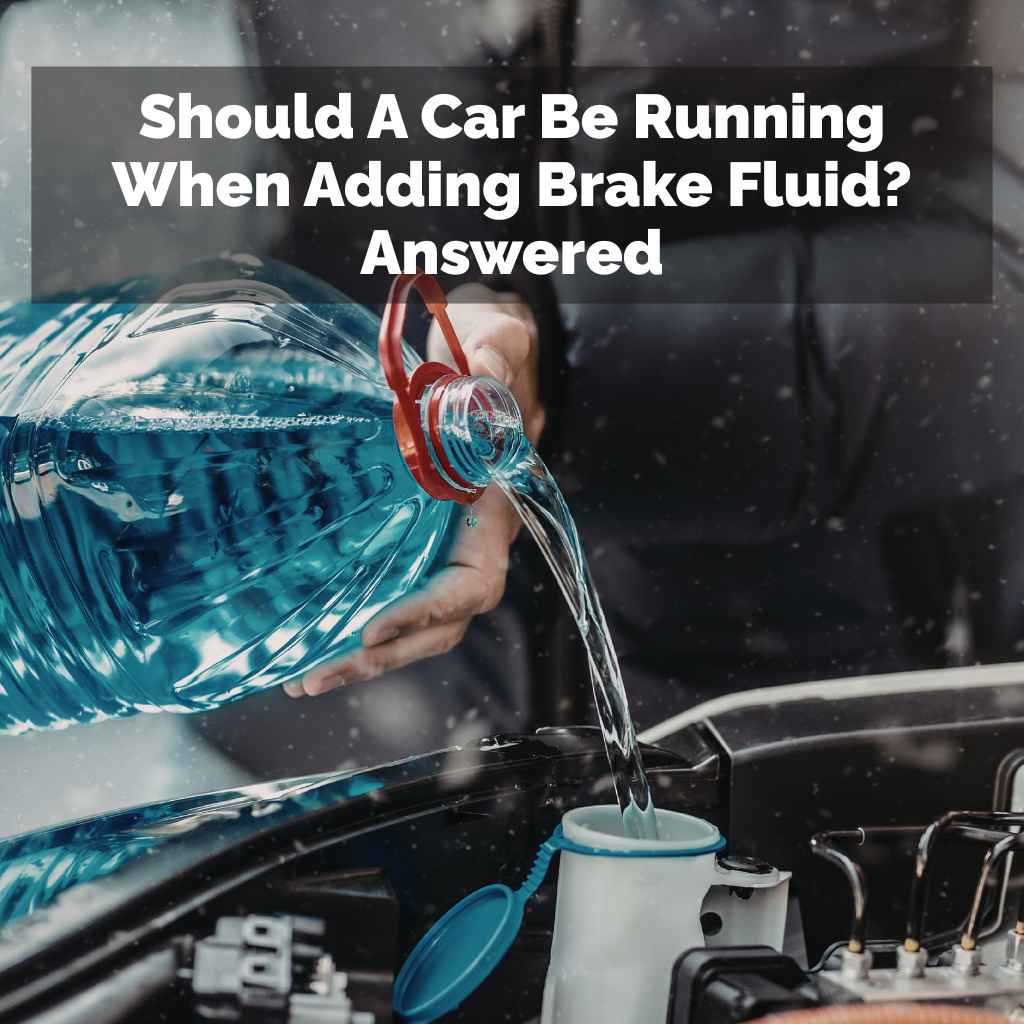
No, a car should not be running when you are adding brake fluid. The engine should be off. Adding fluid to a running engine can lead to spills, air getting into the brake lines, and potentially unsafe braking performance.
Always ensure the engine is completely off and cool before checking or adding brake fluid.
Understanding Brake Fluid and Its Role
Brake fluid is one of the most important liquids in your car. It’s a hydraulic fluid. This means it uses pressure to make things work.
When you push on the brake pedal, you’re not directly moving the brake pads. Instead, you’re pushing on the brake fluid. This fluid then travels through strong metal lines to reach your brakes.
At the brakes, the fluid pushes a piston. This piston then forces the brake pads against the brake rotor. This action creates friction.
This friction slows your wheels down. It’s this simple system that stops your car safely. Every time you brake, this happens.
It relies on the brake fluid to transfer your pedal force.
Brake fluid has some special traits. It needs to handle high temperatures. Braking creates a lot of heat.
The fluid must not boil under this heat. If it boils, it turns into gas. Gas can be squeezed.
This means your pedal will feel soft. You might lose your brakes completely. That’s why using the right fluid is vital.
It also absorbs moisture. This is a problem. Water in the fluid lowers its boiling point.
It can also cause rust inside your brake system. Brake systems are made of metal parts. Rust can make these parts weak.
It can also cause them to stick. This can lead to poor braking or brake failure.
Why The Engine Must Be Off
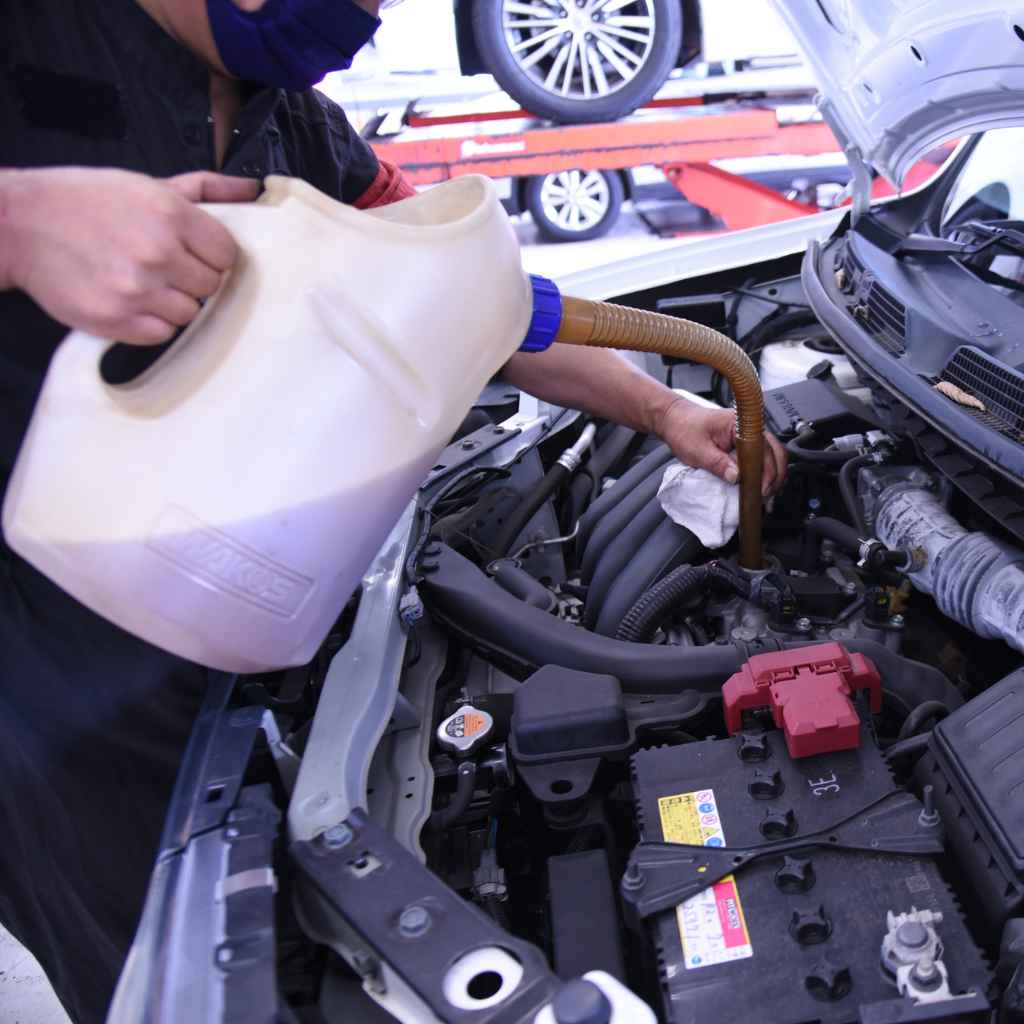
So, why is it so crucial to turn your car off before adding brake fluid? It comes down to safety and system integrity. When the engine is running, many parts of the car are active.
The brake pedal can move. The power steering pump might be running. The alternator is spinning.
All this motion can cause issues if you’re not careful.
Imagine you’re trying to pour a delicate liquid into a moving part of a machine. It’s messy. It’s hard to control.
The same applies here. If the engine is running, the brake pedal might move slightly. You could accidentally push the pedal.
This could push fluid out of the reservoir. It can also force old fluid into the lines when you want to keep it out.
The biggest risk is air. If the pedal moves while you’re adding fluid, you could suck air into the brake lines. Brake lines are designed to carry liquid, not air.
Air is compressible. Liquid is not. If air gets into the lines, your brakes won’t work right.
You’ll feel a spongy pedal. This is a very dangerous situation. It means your car won’t stop as it should.
Think about it like this: you’re trying to fill a glass of water. If the glass is shaking, it’s hard to fill it without spilling. If you’re trying to pour carefully, you want everything to be still.
Your brake system is like that glass. Stillness is key for precision. When the engine is off, the whole system is stable.
My Own Brake Fluid Fumble
I remember a time, early in my car ownership journey, when I first noticed my brake fluid was low. It was a cold, drizzly morning. My car’s dashboard had a little light on, a warning I didn’t fully understand at the time.
I’d seen my dad check the oil before, so I figured checking and topping up the brake fluid would be just as easy.
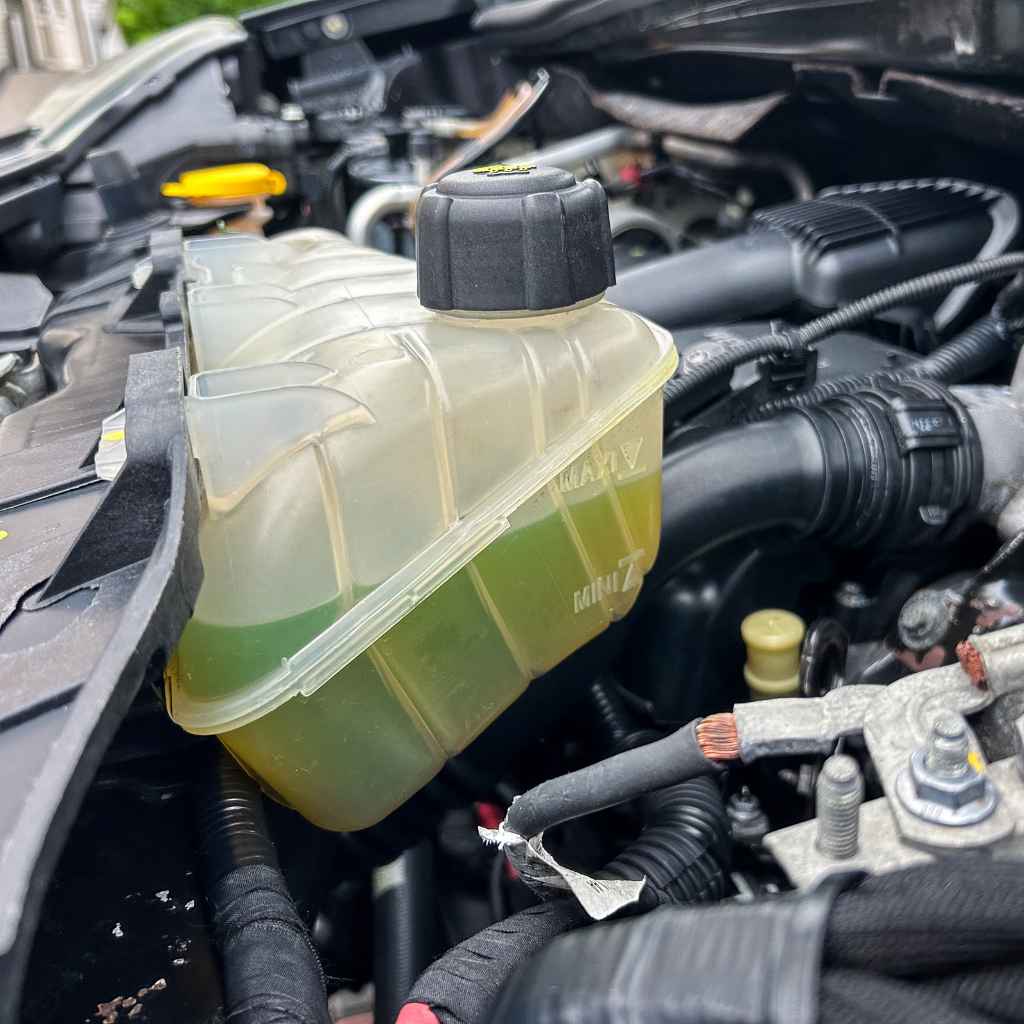
I popped the hood. I found the small, usually clear plastic reservoir. The fluid level was definitely below the “MIN” line.
Feeling a bit of urgency, I grabbed the bottle of brake fluid from my trunk. I unscrewed the cap. I started pouring.
And that’s when I made my mistake. I thought I had to see the system working, even just a little.
In my youthful, misguided enthusiasm, I thought maybe starting the engine for just a second would help the fluid settle or circulate. So, I hopped back in the car, turned the key, and the engine sputtered to life. I immediately heard a faint gurgling sound from the engine bay.
Then, I saw it. A small but noticeable splatter of brake fluid on the side of the reservoir and the surrounding engine parts.
Panic set in. I quickly killed the engine. My heart was pounding.
I hadn’t even added much fluid yet. I looked at the reservoir. It was still low, but now there was this mess.
I grabbed a rag and wiped everything down. I finished adding the fluid, very carefully this time, with the engine completely off. But I was left with a nagging worry.
Later that week, I noticed my brake pedal felt a tiny bit softer than usual. It wasn’t drastic, but it was there. I took it to my mechanic.
He looked it over. He said a small amount of air might have gotten in. He had to bleed the brakes.
It was an extra step and an extra cost I wouldn’t have had if I’d just done it right the first time. That experience taught me a valuable lesson about patience and following simple rules when working on your car.
The Master Cylinder’s Role
Let’s talk a bit more about the heart of the braking system: the master cylinder. This is where the brake fluid is stored in a reservoir. When you press the brake pedal, a piston inside the master cylinder moves.
This piston pushes the brake fluid out. It pushes it into the brake lines that go to each wheel.
The master cylinder has seals. These seals are crucial. They keep the fluid contained and under pressure.
If the engine is running, and especially if the brake pedal is pumped, these seals can be stressed. They might not be designed to handle sudden movements while fluid is actively being added. The system needs to be static and stable.
Think of the master cylinder like a water pump. You want to add water to the pump’s tank. You wouldn’t turn the pump on while you’re pouring.
You’d turn it off. You’d let the water level stabilize. Then you’d turn the pump back on.
The brake system is similar. Stability is key for proper function.
Checking Brake Fluid Level Safely
Checking your brake fluid level is a simple task. You don’t need to be a mechanic. But you do need to follow a few steps.
The most important step is this: make sure your car is off. Park it on a level surface. Engage the parking brake.
This makes sure the car won’t move.
Then, open the hood. Locate the brake fluid reservoir. It’s usually a translucent plastic container.
It’s attached to the master cylinder. You’ll see markings on the side. These are usually “MIN” and “MAX” or lines indicating the proper level.
The fluid should be between these marks.
If the fluid is low, you need to add more. But first, consider why it might be low. Brake fluid level drops slowly as brake pads wear down.
This is normal. If it drops suddenly, there could be a leak. You should get your brakes checked by a professional if you suspect a leak.
Never ignore a sudden drop in fluid level.
When adding fluid, use the correct type. Check your car’s manual. Common types are DOT 3, DOT 4, and DOT 5.1.
They are not all interchangeable. Using the wrong type can damage your brake system. Make sure the new fluid is clean.
Do not use fluid that has been open for a long time. It might have absorbed moisture.
What Kind of Brake Fluid Do I Need?
Check Your Owner’s Manual First: This is always the best place to start. It will tell you the exact DOT rating your car needs.
Common Types:
- DOT 3: Older cars often use this. It’s a glycol-based fluid.
- DOT 4: Many newer cars use DOT 4. It has a higher boiling point than DOT 3. It’s also glycol-based.
- DOT 5: This is silicone-based. It does NOT mix with DOT 3 or DOT 4. Use it only if your manual specifically calls for it.
- DOT 5.1: Despite the name, this is glycol-based. It has a very high boiling point. It can mix with DOT 3 and DOT 4, but always confirm.
Why It Matters: Using the wrong type can cause corrosion or brake failure. The fluid is a critical part of your brake system’s performance and safety.
Common Mistakes to Avoid
Beyond running the engine, there are other common mistakes people make with brake fluid. One is overfilling. The reservoir has a maximum line for a reason.
Overfilling can cause pressure issues. It can also lead to fluid being forced out when things heat up.
Another mistake is using old fluid. Brake fluid is hygroscopic. This means it absorbs water from the air.
Over time, the water content increases. This lowers the fluid’s boiling point. It can also lead to internal corrosion.
Most brake fluid should be replaced every 2-3 years, even if it hasn’t been topped up.
Some people don’t seal the cap properly after adding fluid. The brake fluid reservoir cap is designed to seal out contaminants. It also helps prevent moisture absorption.
Make sure it’s tightly closed. If the cap is damaged, it should be replaced.
Finally, mixing different types of brake fluid without checking compatibility is a big no-no. As mentioned, DOT 3 and DOT 4 are usually fine together. DOT 5 (silicone-based) is very different.
Mixing it with glycol-based fluids can cause serious damage. Always know what you are putting into your system.
What Happens If Air Gets In?
If air does get into your brake lines, it’s a serious problem. Air is compressible. When you press the brake pedal, the fluid should push directly on the brake caliper or wheel cylinder.
If there’s air, the pedal will push against the air first. This air will compress.
This compression means your pedal will feel soft and spongy. You’ll have to push the pedal much further to get the brakes to engage. In some cases, the pedal might go all the way to the floor.
This is called brake fade. It’s incredibly dangerous. You might not be able to stop your car in an emergency.
Getting air out of the brake lines is called bleeding the brakes. It’s a process where you open a small valve at each wheel. You then push fluid through the system.
This forces the air bubbles out. It usually requires two people. One person pumps the pedal.
The other opens and closes the bleed valve.
When Your Brakes Feel Spongy
What it means: A soft or spongy brake pedal usually indicates air in the brake lines. It could also mean very worn brake pads or a problem with the master cylinder.
Action to Take:
- DO NOT DRIVE: If your pedal feels significantly spongy, do not drive the car.
- Check Fluid Level: Make sure the brake fluid reservoir is full.
- Inspect for Leaks: Look for any signs of brake fluid leaks around wheels, lines, and the master cylinder.
- Seek Professional Help: Have your brakes inspected by a qualified mechanic immediately. They will likely need to bleed the brakes.
Safety First: Never ignore changes in your brake pedal feel. It’s a direct warning sign from your car’s safety system.
The Importance of Cleanliness
Working with brake fluid requires a clean environment. Brake fluid is designed to be pure. Even small amounts of dirt or debris can cause problems.
Dirt can clog small passages in the brake system. It can also damage seals.
When you open the brake fluid reservoir, try not to let anything fall into it. Use a clean funnel if you need one. Wipe around the cap before you open it.
This prevents dirt from the outside from getting into the clean fluid. Every little bit of care helps maintain the system.
Brake fluid itself can become contaminated over time. This is why it’s important to use new, sealed bottles of fluid. Old, opened bottles might have absorbed moisture from the air.
This moisture is a major enemy of your brake system. It lowers the boiling point and causes corrosion.
How Brake Wear Affects Fluid Level
As your brake pads get thinner, the brake caliper pistons have to extend further out. This means there is more space in the caliper. This space needs to be filled with brake fluid.
So, as your pads wear down, the brake fluid level in the reservoir will naturally drop.
This is why a low brake fluid level can sometimes be a sign that your brake pads are nearing the end of their life. It’s not always a sign of a leak. When you replace your brake pads, the pistons are pushed back into the caliper.
This pushes fluid back into the reservoir. The fluid level will then rise.
It’s a good idea to check your brake pads when you check your brake fluid. Look at them through the wheels if you can. If they look thin, it might be time for new ones.
This is a great example of how different parts of your car are connected. Understanding these connections helps you maintain your vehicle better.
Brake Pad Wear and Fluid Level
Normal Wear: As brake pads wear, the caliper pistons extend further. This requires more brake fluid to fill the increased caliper volume.
Result: The brake fluid level in the reservoir gradually drops.
When to Check:
- Low Fluid Warning: If the fluid level is low, it’s a good time to inspect your brake pads.
- Pad Replacement: When you replace brake pads, the pistons retract, pushing fluid back up.
Important Note: A sudden drop in fluid is NOT normal wear. It indicates a leak and requires immediate attention.
What the Experts Say (and Why)
Automotive experts and manufacturers are very clear on this point: always work on your brakes with the engine off. This isn’t just a suggestion; it’s a safety requirement. The systems involved in braking are designed to operate under specific conditions.
Introducing power from a running engine when you’re not supposed to can disrupt these conditions.
The primary reason is to prevent air from entering the system. Air is the enemy of hydraulic brakes. It compromises the ability to generate the necessary pressure.
The master cylinder and its seals are designed to be static when fluid is being added. They are not meant to be actively pumping or moving in conjunction with the addition of fluid.
Think of it like medicine. You have a specific dosage and method for taking it. Taking too much, or at the wrong time, can be harmful.
Brake fluid is medicine for your car’s braking system. You need to administer it correctly. The correct way is always with the engine off.
Expert Safety Checklist: Brake Fluid
1. Engine Off: ALWAYS turn off the engine and let it cool.
2. Level Surface: Park on a flat, level spot.
3. Parking Brake: Engage the parking brake securely.
4. Correct Fluid: Use only the DOT-rated fluid specified in your owner’s manual.
5. Cleanliness: Keep everything clean. Avoid dirt and moisture.
6. No Overfilling: Fill only to the MAX line.
7. Seal Cap Tightly: Ensure the reservoir cap is secure.
8. Inspect Pads: Check brake pad thickness when checking fluid.
9. Seek Help: If unsure or if you suspect a leak, consult a professional.
When Is It Okay to Check the Fluid (and Not Add)?
You can check your brake fluid level at any time when the car is parked. The engine can be hot or cold for a simple level check. However, it’s best to let the engine cool down a bit.
This way, you won’t risk burning yourself on hot components under the hood.
The fluid level can rise slightly when the brakes are hot. This is due to thermal expansion. So, for the most precise reading, it’s often recommended to check the fluid when the system is cold.
But for routine checks, a hot reading is usually fine to see if it’s within the normal range.
The key distinction is between checking the level and adding fluid. Checking is a visual inspection. Adding fluid is an action that can introduce problems if not done carefully.
So, while you can check anytime, performing maintenance requires the engine to be off.
Quick Comparison: Checking vs. Adding Fluid
Checking Level:
- Engine: Can be running or off (though off and cool is safest to avoid burns).
- Purpose: To see if the fluid is within the MIN/MAX range.
- Risk: Low, as no fluid is being disturbed or added.
Adding Fluid:
- Engine: MUST be OFF.
- Purpose: To replenish low fluid levels.
- Risk: High if engine is running (air ingress, spills, system damage).
Key Takeaway: Always perform maintenance like adding fluid with the engine completely off.
Real-World Scenarios
Let’s imagine a few common situations. You’re on a road trip, and a brake warning light comes on. Your first instinct might be to pull over and check.
If you do, make sure the engine is off. You find the fluid is low. You have a spare bottle of the correct fluid.
You carefully add it, engine off. You then start the car and see if the light goes off.
Another scenario: you’re getting your oil changed. The mechanic mentions your brake fluid is a bit low. He might offer to top it up.
Make sure he turns the engine off first. It’s a simple step, but it highlights the importance of this rule.
Consider a different situation. You notice a strange smell after driving hard, maybe after going down a steep hill. You might also feel a slight sponginess in the pedal.
This could mean the fluid is overheating or has been contaminated. In this case, you’d check the fluid level (engine off, of course). But if there are other symptoms, it might be time for a brake inspection, not just a top-up.
It’s all about building good habits. When you interact with your car’s fluids, always think about the engine’s state. For most checks, it’s fine.
For any addition or removal of fluid, especially in a critical system like brakes, stillness and a powered-off state are essential.
When to Seek Professional Help
While checking and adding brake fluid can be a DIY task, there are times when you should call a professional. If you find the brake fluid level is consistently low, it’s a strong indicator of a leak. This could be a worn-out brake line, a faulty caliper seal, or a problem with the master cylinder.
These are serious issues that need expert repair.
If you notice your brake pedal feels spongy or goes to the floor, even after adding fluid, do not drive the car. This indicates air in the lines or a more significant hydraulic problem. A mechanic can properly bleed the brakes and diagnose any component failures.
Also, if you’re unsure about the type of brake fluid your car needs, or if you’ve accidentally mixed fluids, it’s best to have a professional flush and refill the system. Tampering with the brake system without the right knowledge can lead to very dangerous outcomes. Your safety and the safety of others on the road are paramount.
If you ever feel uncertain about any aspect of your car’s maintenance, especially something as critical as the braking system, err on the side of caution. A professional mechanic has the tools, knowledge, and experience to ensure everything is done safely and correctly. It’s a small price to pay for peace of mind and reliable brakes.
Summary: Keep It Simple and Safe
The rule about the engine running or not when adding brake fluid is straightforward. Always, always, always ensure your car’s engine is completely off. This simple step is crucial for preventing air from entering the brake lines.
It helps avoid spills. It keeps your brake system working as it should.
Brake fluid is vital for safe stopping. Treat it with respect. Use the correct type.
Keep it clean. Check your fluid level and your brake pads regularly. And when in doubt, call a professional.
A little attention now can save you from a big problem later.
Frequently Asked Questions
Can I add brake fluid while the car is on but in park?
No, you should not add brake fluid while the car’s engine is on, even if it is in park. The engine being on means the hydraulic brake system is active and pressurized. Adding fluid with the engine running can lead to air entering the system, spills, and potential damage.
Always ensure the engine is completely off.
What happens if I accidentally let the brake fluid reservoir run empty?
If the brake fluid reservoir runs empty, it means air has definitely entered the brake lines. This will make your brake pedal feel very soft or go to the floor. You will lose braking power.
The car will become very difficult or impossible to stop safely. You will need to have the entire brake system bled by a professional to remove the air and restore braking function.
Is it okay to use a different type of brake fluid if I’m in an emergency?
It is generally not recommended to use a different type of brake fluid in an emergency unless it is absolutely critical for immediate safety and you know they are compatible. Mixing incompatible fluid types can damage seals and other brake components. Always check your owner’s manual for the correct DOT rating (like DOT 3, DOT 4, or DOT 5.1).
If you must mix, ensure they are compatible (e.g., DOT 3 and DOT 4 usually are, but DOT 5 is not). After an emergency mix, have the system flushed and refilled with the correct fluid.
How often should I check my brake fluid level?
You should check your brake fluid level at least once a month. It’s also a good habit to check it every time you check your car’s oil or other basic fluids. Many cars also have a warning light on the dashboard that will illuminate if the brake fluid level is critically low, but it’s best to be proactive and check manually.
Can I just top off the brake fluid if it’s a little low?
Yes, if your brake fluid level is just a little low, you can usually top it off. Make sure to use the correct DOT-rated fluid specified in your car’s owner’s manual. However, a consistently low fluid level could indicate worn brake pads or a leak.
If you have to top it off often, it’s important to have your brake system inspected by a mechanic.
Does brake fluid expire?
Brake fluid does not technically “expire” in the way food does. However, it is hygroscopic, meaning it absorbs moisture from the air over time. This absorbed water lowers the fluid’s boiling point and can cause corrosion within the brake system.
For this reason, most manufacturers recommend replacing brake fluid every 2 to 3 years, regardless of mileage. An opened bottle of brake fluid should ideally be used within a year or two, stored tightly sealed in a cool, dry place.
Conclusion: Safety First, Always
The simple act of turning off your engine before working on your brake fluid is a cornerstone of safe automotive maintenance. It protects your brake system from damage and, more importantly, ensures your car stops reliably when you need it most. Remember these steps and perform your checks with care.
Products related to this article
Sponsored / affiliate links. As an Amazon Associate I earn from qualifying purchases. I may earn additional commission from eligible campaigns.