Does Coolant Affect Ac In A Car? What You Must Know
It’s a hot day, and you turn on your car’s air conditioning. But instead of cool air, you get warm breezes. This is frustrating.
You might wonder if something simple like your car’s coolant could be the cause. Many people think the engine’s coolant only affects the engine. But it’s actually tied to your car’s air conditioning system in ways you might not expect.
Let’s break down how and why.
The car’s coolant system and the AC system are separate but can interact. Low coolant levels or leaks in the engine cooling system can indirectly impact AC performance by causing the engine to overheat. An overheating engine will often shut down or reduce the performance of non-essential systems like the AC to protect itself.
How Your Car’s Cooling System Works
Your car’s engine gets very hot when it runs. This heat is normal. But if it gets too hot, things can break.
That’s where the cooling system comes in. Its main job is to keep the engine at a safe, steady temperature. It does this using a special liquid called coolant, also known as antifreeze.
This coolant flows through small passages in the engine block. It picks up the extra heat. Then, it travels to the radiator.
The radiator is like a heat exchanger. It has many small fins. Air passes through these fins as the car moves.
This cools the hot coolant down. The cooled coolant then goes back to the engine. This cycle keeps the engine from overheating.
Most cars use a mix of antifreeze and water for coolant. This mix does more than just cool. It also prevents the water from freezing in cold weather.
And it stops the coolant from boiling when the engine is very hot. It also has additives that prevent rust and corrosion inside the engine and cooling system parts. This keeps the system working smoothly for a long time.
How Your Car’s AC System Works
Your car’s air conditioning system is different from the engine’s cooling system. It uses a special gas called refrigerant. This refrigerant changes from a liquid to a gas and back again.
This process removes heat from the air inside your car. It then releases that heat outside the car.
The AC system has several main parts. There’s a compressor. It pumps the refrigerant.
There’s a condenser. It cools the refrigerant down. There’s an expansion valve.
It lowers the refrigerant’s pressure. And there’s an evaporator. It absorbs heat from the cabin air.
When you turn on your AC, the compressor starts. It squeezes the refrigerant gas. This makes it hot.
The hot gas goes to the condenser, usually in front of the car’s radiator. Air flowing over the condenser cools the refrigerant. It turns back into a liquid.
This liquid then goes through the expansion valve. The pressure drops suddenly. This makes the refrigerant very cold.
The cold liquid refrigerant then flows to the evaporator. This part is inside your car’s dashboard. Air from the cabin is blown over the cold evaporator fins.
The refrigerant absorbs the heat from this air. This cools the air. The cooled air is then blown into your car’s cabin.
The refrigerant, now a gas again, goes back to the compressor. The cycle repeats.
The Indirect Connection: Engine Overheating
So, how does the engine’s coolant link to the AC? It’s not a direct link like coolant flowing into the AC lines. Instead, it’s an indirect one related to engine health.
The most common way is through engine overheating.
If your car’s engine starts to get too hot, the car’s computer often steps in. It has safety measures. One of these is to protect the engine.
It can do this by shutting down or limiting non-essential systems. The air conditioning system is often one of the first things to be affected. Why?
Because the AC compressor uses power from the engine.
When the engine is struggling with too much heat, it needs all its power to keep running safely. Turning off the AC reduces the load on the engine. This helps it cool down faster.
So, you might notice your AC blowing warm air when the engine is running too hot. You might even hear the AC compressor click off.
This overheating can happen for several reasons related to the cooling system. A common one is a low coolant level. If there isn’t enough coolant, it can’t absorb and transfer heat effectively.
Another cause is a coolant leak. This can be from a cracked hose, a faulty water pump, or a damaged radiator. A thermostat that’s stuck closed also prevents coolant from circulating properly.
Sometimes, the cooling fan might not be working. This fan helps pull air through the radiator, especially when the car is stopped or moving slowly. If the fan fails, the engine can overheat quickly in these situations, and the AC will likely stop working too.
Signs Your Coolant Might Be Affecting Your AC
You might not always see a low coolant warning light immediately. Sometimes, the first sign that your cooling system is having trouble is your air conditioning acting up. Here are some things to look out for:
AC Performance Changes
Sudden Warm Air: Your AC was working fine, then suddenly it’s blowing warm air, especially when you’re stuck in traffic or going uphill. This can point to an overheating engine.
AC Compressor Cycling Off: You might hear a click, and the AC stops blowing cold air. Then it might come back on later. This is your car protecting itself.
Engine Temperature Gauge Rising: Keep an eye on your dashboard temperature gauge. If it creeps up into the red zone, that’s a clear sign of overheating. This is almost always linked to cooling system issues.
It’s also important to check for signs of coolant issues themselves. Look under your car for colored puddles. Coolant comes in different colors, like green, pink, orange, or yellow.
If you see these, you likely have a leak. Also, check the coolant reservoir. If it’s consistently low, you’re losing coolant somewhere.
Another sign can be a sweet smell. This is often the smell of burning coolant. You might notice this when the engine is hot.
It could mean a coolant leak onto hot engine parts.
Coolant Leaks and AC Performance
Let’s talk more about coolant leaks. A leak means the system isn’t holding the correct amount of coolant. This directly leads to the engine not being cooled properly.
Imagine a leaky bucket; it can’t hold water. A leaky cooling system can’t hold coolant.
When coolant is low, the engine temperature rises. As we discussed, an overheating engine will often shut down or limit the AC. So, a coolant leak is a very common culprit when your AC suddenly stops working on a hot day.
The leak itself might be small, only noticeable over time. But the effect on the engine, and thus the AC, can be fast.
Common places for coolant leaks include hoses. These rubber hoses can crack or become brittle with age. They connect different parts of the cooling system.
The radiator can also develop leaks, especially from corrosion or damage. The water pump is another frequent source of leaks. Its seals can wear out.
Even a small leak can cause significant problems over time. The engine might run hotter more often. This puts stress on all engine parts.
The AC will likely suffer as a direct consequence of the engine’s struggle.
Low Coolant Levels: The Simple Culprit
Sometimes, the issue is simply that the coolant level has dropped too low. This can happen for a few reasons. Small, slow leaks can go unnoticed for a while.
Or, the coolant might have evaporated over time, especially if the cap on the reservoir isn’t sealing tightly. Many car manufacturers also recommend flushing and replacing coolant every few years. If this maintenance is skipped, the coolant might degrade, losing its protective properties.
When the coolant level is low, the engine gets hotter. The cooling system can’t do its job as well. The temperature gauge on your dashboard is a vital clue.
If it’s showing higher than normal, the engine is likely too hot. And, you guessed it, the AC will probably stop working effectively.
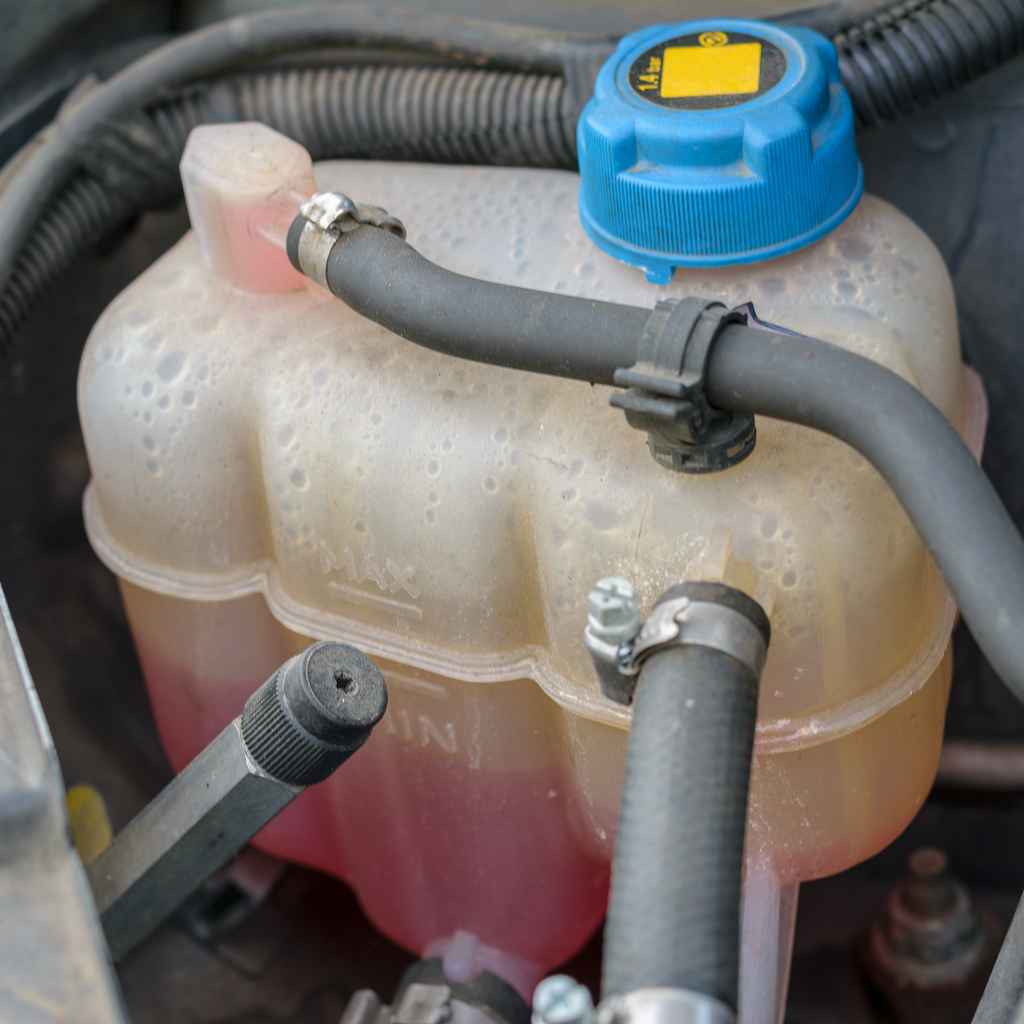
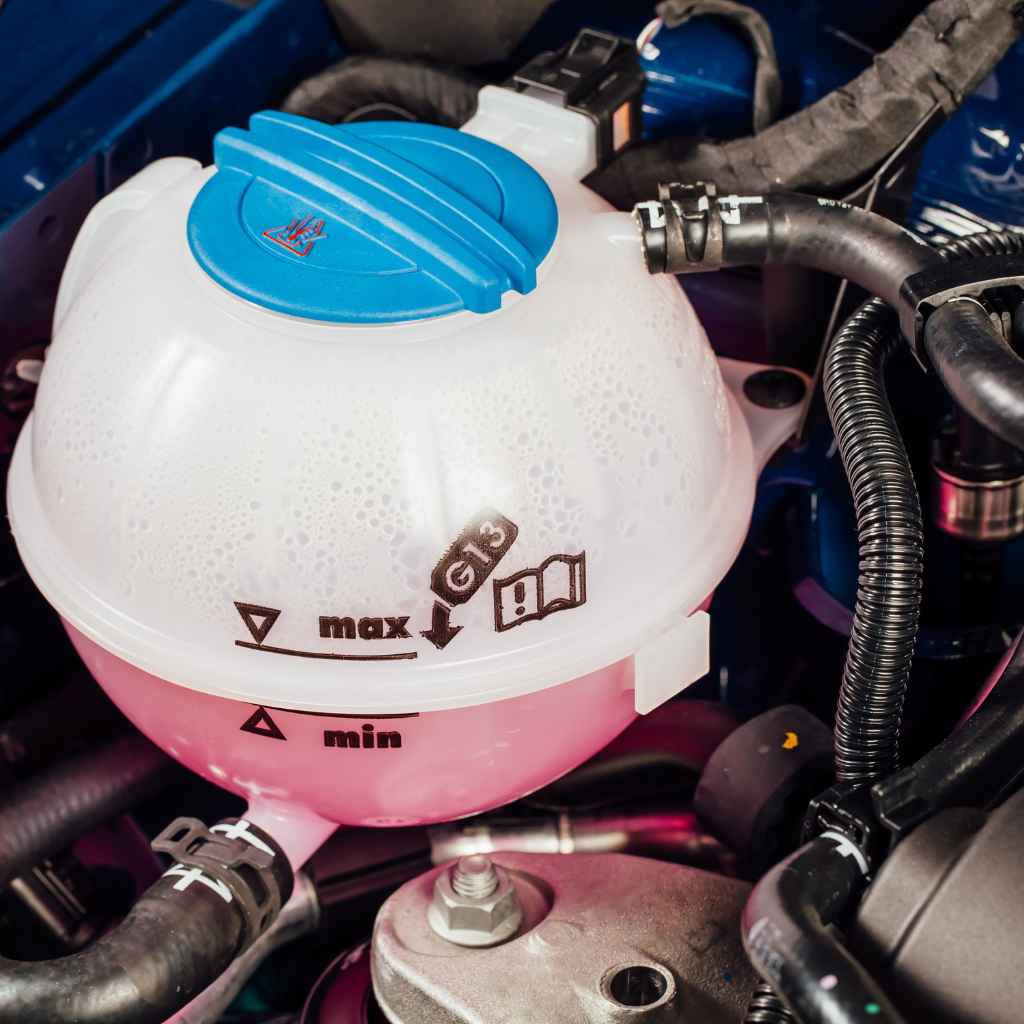
It’s important to check your coolant level regularly. Most cars have a see-through reservoir. You can check the level when the engine is cool.
It should be between the “min” and “max” lines. Never open the radiator cap when the engine is hot. The system is under pressure, and hot coolant can spray out, causing severe burns.
Checking Your Coolant Level
When: Check when the engine is completely cool (parked overnight is best).
Where: Locate the coolant reservoir. It’s usually a translucent plastic tank near the front of the engine.
How: Look for the “MIN” and “MAX” markings. Ensure the coolant level is within this range.
Adding Coolant: If low, add a 50/50 mix of approved antifreeze and distilled water. Use the type recommended in your car’s manual.
If you regularly need to add coolant, it strongly suggests a leak somewhere in the system. This is when you’ll need to take your car to a mechanic to find and fix the leak.
Other Cooling System Components That Can Affect AC
Beyond low levels and leaks, other parts of the cooling system can cause problems that impact your AC. It’s a connected system, so a failure in one area often affects another.
Thermostat: This is a small valve that controls coolant flow. When the engine is cold, it stays closed to help it warm up faster. Once the engine reaches its operating temperature, it opens.
If the thermostat gets stuck closed, coolant can’t reach the radiator. The engine overheats, and the AC will likely shut down. If it gets stuck open, the engine might run too cool, which is less common for AC issues but still a system fault.
Water Pump: This part circulates the coolant through the engine and radiator. If the water pump fails, coolant stops moving. The engine quickly overheats.
You’ll likely notice a whining noise and possibly leaks from the pump area. Overheating leads to AC shutdown.
Cooling Fan: Cars have electric or belt-driven fans. They pull air through the radiator. This is crucial when the car is stopped or moving slowly.
If the fan motor burns out, or the belt breaks, the radiator won’t get enough airflow. The engine temperature will rise, especially in stop-and-go traffic. This will cause the AC to stop cooling.
Radiator Cap: This isn’t just a lid. It holds pressure in the cooling system. This pressure raises the boiling point of the coolant.
If the cap is old or damaged, it can’t hold pressure. The coolant might boil at a lower temperature. This can lead to overheating and AC failure.
Radiator Blockage: Over time, rust, scale, or debris can build up inside the radiator. This blocks coolant flow. It makes the radiator less efficient.
The engine can overheat. This can happen even if the coolant level is full.
Common Cooling System Issues & AC Impact
| Problem Area | Coolant Effect | AC Impact |
| Low Coolant Level | Engine overheats due to poor heat transfer. | AC likely shuts off or blows warm air. |
| Coolant Leak | System loses coolant; engine overheats. | AC shuts off or blows warm air. |
| Stuck Closed Thermostat | Coolant can’t circulate to radiator; engine overheats. | AC likely shuts off. |
| Failed Water Pump | Coolant stops moving; engine overheats rapidly. | AC will stop working quickly. |
| Broken Cooling Fan | Reduced airflow to radiator; engine overheats at low speeds. | AC blows warm air at low speeds or idle. |
| Bad Radiator Cap | System pressure drops; coolant boils easier; engine overheats. | AC may work intermittently or fail. |
My Own Experience with Coolant and AC Woes
I remember one sweltering August day a few years back. My old sedan’s AC was blasting icy air. I was stuck in bumper-to-bumper traffic on the highway, sweat beading on my forehead.
Suddenly, the AC just stopped. The fan was still blowing, but it was hot air. I glanced at my dashboard.
The temperature gauge, which I usually ignored, was creeping up. Way up.
Panic set in. I thought, “Oh no, is the AC completely ruined?” I fiddled with the knobs, hoping for a miracle. Nothing.
Then I saw it. A faint wisp of steam coming from under the hood. That’s when the realization hit: it wasn’t the AC.
It was the engine overheating. The car’s computer had wisely shut down the AC compressor to save the engine.
I managed to pull over safely. After letting the engine cool for a good hour, I checked the coolant reservoir. It was bone dry.
I had a bottle of water in my trunk (thankfully not coolant, as that would have been a bad idea). I slowly added water. It seemed to vanish.
This told me there was a significant leak somewhere.
The next day, a mechanic found a cracked hose near the water pump. He
When Coolant Issues Are NOT the Cause of AC Problems
It’s important to remember that not all AC problems are related to the engine’s cooling system. Many AC issues are internal to the AC system itself. These include:
Common AC-Only Issues
Low Refrigerant: The AC system might have a leak of its own. This means there isn’t enough refrigerant gas to cool the air. This is a very common AC problem.
You might notice the air gets less cold over time, not just suddenly warm.
Faulty Compressor: The AC compressor is the heart of the system. If it fails, the refrigerant can’t be circulated. The AC won’t cool at all.
Clogged Orifice Tube or Expansion Valve: These parts control refrigerant flow. If they get clogged with debris, the system can’t work correctly.
Electrical Problems: Fuses, relays, or wiring issues can prevent the AC system from turning on or functioning properly.
Condenser Problems: The condenser can get blocked by dirt or debris. It might also have damaged fins, reducing its ability to release heat. This makes the AC less effective.
So, if your engine temperature is normal, and you don’t see any signs of coolant leaks or low coolant, the problem is likely with the AC system itself. This requires a different set of diagnostic steps, usually involving checking refrigerant levels, the compressor, and other AC-specific components.
What This Means for You: Simple Checks
Understanding the connection between your car’s coolant and AC can save you time and money. Here’s what you can do:
Your AC-Coolant Checklist
1. Monitor Your Temperature Gauge: This is your first line of defense. If it starts climbing, pay attention.
It might mean your AC will soon follow.
2. Check for Leaks: Periodically look under your car for colored puddles. Note the color.
Also, check hoses for cracks or swelling when the engine is cool.
3. Check Coolant Level: Do this regularly when the engine is cool. Ensure it’s between the MIN and MAX marks on the reservoir.
4. Listen for Odd Noises: Whining from the front of the engine could indicate a water pump issue. Clicking from the AC area could be compressor issues, or it might be the compressor shutting off due to engine heat.
5. Smell Your Car: A sweet smell when the engine is hot is a red flag for coolant issues.
If you notice any of these signs, it’s best to get your car checked. Ignoring small coolant issues can lead to much bigger, more expensive problems down the road. And a major engine repair will definitely impact your car’s AC.
When to Worry About Your AC and Coolant
You should worry if you see any of these:
- Your engine temperature gauge consistently reads higher than normal.
- You have to add coolant frequently.
- You see significant leaks under your car.
- Your AC stops working suddenly, and your engine temperature is high.
- You notice steam or smell a sweet, burning odor from the engine bay.
These are clear indicators that your cooling system needs attention. A qualified mechanic can diagnose the exact problem and recommend the necessary repairs. Don’t wait until the engine overheats severely.
That can cause permanent damage.
If your AC just isn’t blowing as cold as it used to, but your engine temperature is normal, the problem is more likely with the AC system itself. This could be low refrigerant, a faulty part in the AC, or even just a need for an AC service. A mechanic specializing in AC repair can handle these issues.
Quick Tips for Coolant and AC Care
Taking good care of your car’s cooling system is the best way to ensure your AC keeps working. Here are some simple tips:
- Follow Manufacturer Maintenance Schedules: This includes flushing and replacing your coolant at recommended intervals. Check your owner’s manual.
- Use the Correct Coolant: Always use the type of coolant recommended for your specific car make and model. Mixing different types can cause problems.
- Top Off with Distilled Water: If you need to add coolant and don’t have the 50/50 mix, use distilled water. Tap water can contain minerals that build up and cause issues.
- Address Leaks Promptly: Don’t ignore small drips. They can turn into big problems quickly.
- Keep Radiator and Condenser Clear: Remove leaves, bugs, and debris that can block airflow to these essential parts.
These small steps can prevent major headaches later. A well-maintained cooling system means a healthier engine, which in turn means a happier AC.
Frequently Asked Questions about Coolant and AC
Can coolant leak into my AC system?
No, the engine coolant system and the AC refrigerant system are completely separate. They do not share fluid or lines. If you find coolant in your AC, it’s likely a different issue, but direct mixing is not possible.
Why does my AC stop working when my car overheats?
Your car’s computer will often shut down non-essential systems like the AC to protect the engine when it overheats. This reduces the load on the engine, helping it cool down faster.
How often should I check my coolant level?
It’s a good idea to check your coolant level at least once a month, and always before a long trip. More frequent checks are wise if you suspect a leak or have an older vehicle.
What color is car coolant?
Coolant comes in various colors, including green, orange, pink, red, and yellow. The color can tell you a bit about its type, but always use the type specified in your car’s manual.
Is it safe to add water to my cooling system if I have no coolant?
Adding plain water can be a temporary fix in an emergency to prevent overheating. However, it dilutes the antifreeze properties and offers no protection against freezing or boiling. You should have the system properly flushed and refilled with the correct coolant mix as soon as possible.
Can a bad radiator cap affect my AC?
Yes, indirectly. A bad radiator cap cannot maintain the system pressure. This lowers the boiling point of the coolant, leading to overheating.
An overheating engine will cause the AC to shut down or blow warm air.
Conclusion
So, does coolant affect your car’s AC? Yes, it absolutely can, but usually indirectly. A healthy engine cooling system is vital for your AC to function.
When your coolant level is low, or there’s a leak, the engine overheats. This overheating causes the car to protect itself by shutting off the AC. Always keep an eye on your engine temperature and coolant levels.
This simple maintenance can save your AC system and your engine.
Products related to this article
Sponsored / affiliate links. As an Amazon Associate I earn from qualifying purchases. I may earn additional commission from eligible campaigns.