Abs Module Bypass Kit For 1998 Gmc Yukon: Full Guide
It can be super frustrating when a part of your vehicle starts acting up. Especially something as important as your brakes. You might be looking into an ABS module bypass kit for your 1998 GMC Yukon.
This can feel like a complicated fix. But don’t worry, we’ll break it down so it makes sense. We’ll cover what these kits are.
We’ll talk about why someone might need one. And we’ll explain how they fit into your Yukon’s brake system. You’ll get a clear picture of this part of car repair.
A 1998 GMC Yukon ABS module bypass kit can be used to bypass a faulty anti-lock braking system module. This allows the rest of the brake system to function normally. It’s often a temporary fix or a way to keep driving safely while a permanent repair is planned.
What Is an ABS Module Bypass Kit?
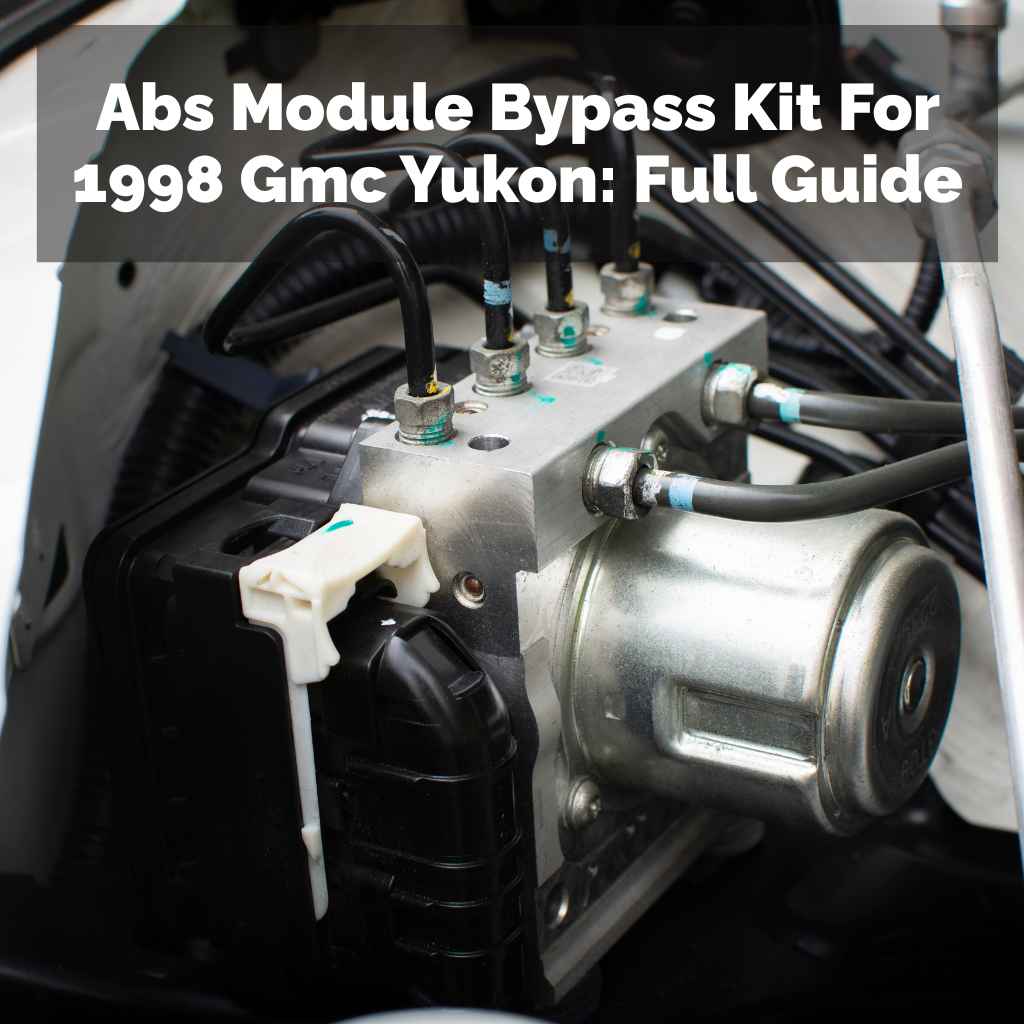
First off, let’s talk about what an ABS module is. ABS stands for Anti-lock Braking System. Your Yukon has this system to help prevent your wheels from locking up when you brake hard.
This lets you keep steering even during sudden stops. The ABS module is like the brain of this system. It reads sensors on each wheel.
It tells the brakes when to pulse. This prevents skidding.
Now, what happens if this brain starts to mess up? That’s where a bypass kit comes in. Think of it like a detour for your brake fluid.
Instead of going through the ABS module, the fluid takes a different, simpler path. This bypasses the part that’s not working right. The goal is to make sure your regular brakes still work.
You lose the anti-lock feature. But you still have stopping power.
These kits are usually pretty simple. They have hoses and connectors. They’re designed to be installed between your master cylinder and your brake lines.
They essentially create a direct line. This skips the electronic ABS module entirely. It’s a way to get your truck stopping again without having to replace the entire ABS unit right away.
It’s a practical solution for many drivers.
Why Would You Need a Bypass Kit for Your 1998 GMC Yukon?
Several reasons might lead you to consider an ABS module bypass kit. The most common one is a faulty ABS module. These modules can fail over time.
They can be affected by age, moisture, or electrical issues. When the module breaks, the ABS warning light on your dashboard will likely come on. This is your truck telling you something is wrong.
Sometimes, replacing an ABS module can be costly. They are often expensive parts. And finding a new one for a 1998 model might even be harder.
This is where the bypass kit becomes a very appealing option. It’s usually much cheaper than a new ABS module. It’s a way to save money while still ensuring your brakes are functional.
Another situation is if you’re working on a project vehicle. Maybe you’re restoring a classic Yukon. Or perhaps you’re building a custom truck.
In these cases, you might choose to remove the ABS system altogether. A bypass kit makes this process simpler. You can easily disconnect the ABS module and reroute the brake lines.
It allows you to control the brake system’s layout.
Also, sometimes the ABS module might be working, but other parts of the ABS system are failing. Like a wheel speed sensor. If the module is fine but the system can’t work correctly due to a sensor, it might trigger errors that affect brake function.
A bypass kit can isolate the issue and restore normal braking. It’s a way to manage complex brake problems.
How Does the ABS System Actually Work?
To truly understand a bypass kit, it helps to know how ABS works. Your 1998 GMC Yukon has an ABS unit. This unit has sensors.
These sensors are at each wheel. They constantly monitor the speed of each wheel. When you hit the brakes hard, the ABS module checks if any wheel is about to lock up.
Locking up means it stops spinning while the truck is still moving.
If a wheel starts to lock, the ABS module rapidly releases and re-applies brake pressure to that specific wheel. It does this many times a second. This pulsing action is what allows the wheel to keep rotating.
Even though you’re braking hard. Keeping the wheels turning means you can still steer your vehicle. This is crucial for avoiding obstacles.
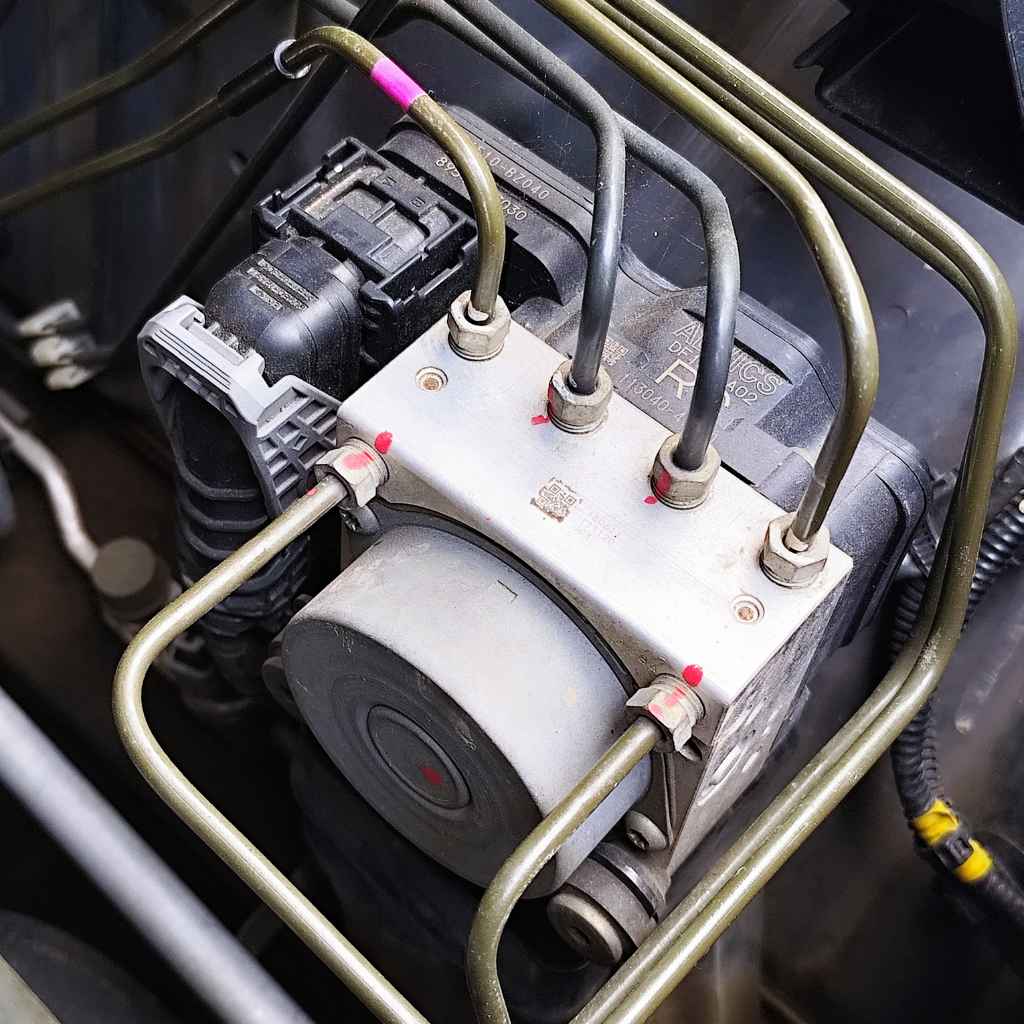
The ABS module itself is an electronic control unit. It also contains hydraulic valves. These valves control the brake fluid pressure.
They can adjust pressure to each wheel individually. When the module senses a wheel is locking, it signals the hydraulic valves. These valves then momentarily reduce the brake pressure.
Then they restore it. This happens very quickly.
Your brake pedal might feel like it’s vibrating or pulsing. This is normal when ABS is working. It’s the system doing its job.
The dashboard light will turn on if there’s a fault. This means the ABS system is not active. But your regular, non-ABS brakes should still work.
This is where the bypass kit becomes useful.
ABS Components in Your Yukon
Master Cylinder: This is where you push the brake pedal. It creates the initial hydraulic pressure.
Brake Lines: These tubes carry brake fluid from the master cylinder to the brakes.
ABS Module: The computer and hydraulic control unit for ABS.
Wheel Speed Sensors: Detect how fast each wheel is spinning.
Hydraulic Valves: Inside the ABS unit, these open and close to control brake pressure.
My Own ABS Woes: A Yukon Story
I remember it clearly. I was driving my old 1998 GMC Yukon one rainy Tuesday. The roads were slick.
I was heading home after a long day. Suddenly, a car in front of me slammed on its brakes. I hit mine hard.
Normally, my Yukon felt very stable. But this time, something felt off. The brake pedal pulsed strangely, but the truck seemed to slide a bit longer than usual.
Then, a little red light blinked on my dashboard. It was the ABS light. My heart sank a little.
I knew that light. It meant trouble. Over the next few days, I noticed my brakes felt… different.
They still worked, but not as confidently. Especially on wet surfaces. I was getting nervous.
Driving without reliable brakes is a scary thought. I took it to my mechanic.
He diagnosed a failing ABS module. He explained it was a common issue for trucks this age. The quote for a new module was high.
It was almost as much as the truck was worth at that point! I was trying to keep this old girl running. Replacing the module felt like a big expense.
I asked him if there were other options. He mentioned the bypass kit.
He explained what it did. It would bypass the faulty module. My regular brakes would work fine again.
I’d lose the anti-lock feature, but I’d have safe, predictable stopping power. For me, at that time, it was the perfect solution. It got me back on the road safely and affordably.
It gave me time to save up for a proper repair or decide what to do next.
Understanding the Bypass Installation
Installing an ABS module bypass kit for your 1998 GMC Yukon isn’t overly complicated. But it does involve working with your brake system. Brake work is serious business.
If you’re not comfortable with it, it’s always best to have a professional do it. Safety is the number one priority.
The basic idea is to disconnect the brake lines that go to the ABS module. These lines normally carry fluid from your master cylinder to the module, and then from the module to your wheels. With a bypass kit, you’ll reroute these lines.
You’ll connect them directly to each other.
You’ll typically remove the ABS module itself. Then, you’ll use the hoses and fittings from the bypass kit. These will bridge the gap.
They’ll create a new pathway for the brake fluid. This new path goes straight from the master cylinder to the brake lines that lead to your wheels. This means the fluid goes directly to your brake calipers or wheel cylinders.
After the physical installation, there’s a crucial step: bleeding the brakes. This is essential for any brake work. Bleeding removes air from the brake lines.
Air in the lines makes your brakes feel spongy and weak. You want to ensure no air is trapped. This part can be a bit tricky.
It often requires two people. One person pumps the brake pedal. The other opens and closes bleed valves on the brake lines.
Steps to Bypass (General Idea)
- Locate the ABS Module: Find it under the hood or near the master cylinder.
- Disconnect Lines: Carefully unbolt the brake lines from the ABS module. Have rags ready to catch fluid.
- Install Bypass Kit: Connect the bypass hoses and fittings as instructed.
- Secure Lines: Make sure all connections are tight and hoses are routed safely.
- Bleed Brakes: Remove all air from the system. This is critical.
It’s important to follow the specific instructions that come with your bypass kit. Different kits might have slightly different designs. Always double-check your work.
A leak in the brake system can be very dangerous.
When Is the ABS Light on?
That little ABS warning light on your dashboard is your truck’s way of communicating. When it illuminates, it means the Anti-lock Braking System has detected a fault. This fault prevents the ABS from working properly.
The system will then disable itself to prevent damage. But it doesn’t mean your regular brakes have stopped working.
What can cause the ABS light to come on? Lots of things! The most frequent culprit is a faulty wheel speed sensor.
These sensors can get dirty, damaged, or simply wear out. If one sensor isn’t sending a signal, the ABS module doesn’t know what that wheel is doing. This triggers the warning light.
As we’ve discussed, the ABS module itself can fail. This is often due to internal electronic issues or hydraulic problems within the module. The hydraulic pump or valves can also malfunction.
Sometimes, it’s something as simple as low brake fluid. If the brake fluid level is too low, it can affect the hydraulic pressure. This can sometimes trigger an ABS light.
It’s always a good idea to check your brake fluid level first.
Issues with the wiring that connects the sensors to the module can also be a cause. Corroded connectors or damaged wires can interrupt the signal. Even a blown fuse for the ABS system can cause the light to come on.
Common ABS Light Triggers
- Wheel Speed Sensor Faults: Most common cause.
- ABS Module Failure: The control unit itself breaks down.
- Low Brake Fluid: Can affect hydraulic pressure.
- Wiring Issues: Damaged wires or corroded connectors.
- ABS Pump or Valve Problems: Internal hydraulic components fail.
- Blown Fuse: A simple electrical connection is lost.
It’s wise to get the exact trouble codes read from your truck’s computer. A mechanic can do this. This helps pinpoint the issue.
Sometimes, the issue is minor. Other times, it points to a more significant problem.
Experience: My Friend’s Yukon and the Bypass
My friend Dave has a 1998 GMC Yukon. He loves that truck. He’s owned it for years.
One winter, the ABS light came on. He noticed his brakes felt a bit weaker, too. He’s not a mechanic, but he’s handy.
He took it to a shop he trusted. They told him it was the ABS module. The repair cost was going to be over $1,000.
Dave was shocked.
He didn’t have that kind of money for his old truck at the time. He was worried about driving it. Especially with winter weather around the corner.
He came over to my place, looking pretty stressed. He explained the situation. I told him about bypass kits.
I had used one on my own Yukon a few years back.
Dave was a bit hesitant. Messing with brakes seemed serious. But the cost of the module was a real barrier.
We decided to look into it. We found a reputable kit online. It came with clear instructions.
We spent a Saturday afternoon on it. It took a few hours. The hardest part was bleeding the brakes properly.
Once we finished, we took it for a careful test drive. The ABS light was off. And the brakes felt much better.
They were firm and responsive again. Dave was so relieved. He could drive his Yukon safely.
He told me later it was the best decision he made. It saved him a ton of money and kept him mobile. He still drives that Yukon today.
What Happens to Your Brakes Without ABS?
So, if you bypass your ABS module, what exactly do you lose? The primary thing you lose is the anti-lock feature. This means that in a hard braking situation, especially on slippery surfaces, your wheels might lock up.
When wheels lock up, they stop rotating. This causes the vehicle to skid. You lose the ability to steer the vehicle effectively.
In everyday driving, you might not notice a big difference. Especially if you don’t often brake very hard. But in an emergency stop, the ABS system is designed to help you.
It helps you maintain control. It allows you to steer around obstacles. Without it, you’re relying solely on your own skill to pump the brakes.
This is called threshold braking.
However, it’s important to remember that the core of your braking system still works. The master cylinder, brake lines, calipers, and brake pads are all still functioning. You still have hydraulic pressure.
You can still stop your truck. You just have to be more aware. You need to anticipate braking situations more.
On dry pavement, with careful braking, you might not see much difference. But on wet, icy, or loose surfaces, the risk of locked wheels and skidding is higher. This is why a bypass kit is often considered a temporary solution.
Or a solution for specific situations where the cost of repair is prohibitive.
Brakes Without ABS: Key Points
- Loss of Anti-Lock: Wheels can lock up during hard braking.
- Potential for Skidding: Locked wheels reduce steering control.
- Requires More Skill: Driver must manage brake pressure manually (threshold braking).
- Regular Brakes Still Work: Hydraulic and mechanical parts remain functional.
- Safety Consideration: Less effective in emergency stops on slippery surfaces.
It’s crucial to understand these differences. It helps you drive your Yukon more safely. Always drive according to the conditions.
And consider the long-term repair options.
Is a Bypass Kit Legal?
This is an important question. The legality of using an ABS module bypass kit can vary. It’s not a simple yes or no answer.
In many places in the U.S., modifying safety systems like ABS can be a gray area.
Some states have laws that require vehicles to be maintained in a safe operating condition. They might also have specific regulations about anti-lock braking systems. If your truck originally came with ABS, removing or bypassing it might be seen as taking away a safety feature.
However, if the ABS module is faulty and the light is on, the system is already not working. A bypass kit restores the basic braking function. Many people use them as a way to keep their older vehicles on the road legally and safely.
It’s often seen as a practical fix when a full repair is too expensive.
It’s a good idea to check your local and state vehicle inspection laws. Some inspections might fail a vehicle with the ABS light on. Others might not care if the ABS system is bypassed, as long as the regular brakes are working correctly.
The key is usually ensuring your fundamental braking ability is sound.
Many manufacturers offer bypass kits for specific models, like your 1998 GMC Yukon. The existence of these kits suggests they are used and accepted in the automotive repair world. However, this doesn’t automatically make them legal everywhere for all situations.
It’s a point to be aware of.
When to Worry and When It’s Okay
Let’s talk about when you should be concerned and when a bypass might be an acceptable solution. If your ABS light comes on, it’s always a signal to pay attention. Your truck is telling you something is wrong with a safety system.
You should be very concerned if your ABS light comes on, AND your brake pedal feels spongy or goes to the floor. This could mean a serious hydraulic leak. Or a failure in the main braking system, not just the ABS.
In this case, do not drive the vehicle. Get it towed to a mechanic immediately.
If the ABS light comes on, but your brake pedal still feels firm, and your regular braking is still strong, that’s a better sign. This usually means the ABS system itself has a fault. But the conventional braking system is likely fine.
This is the scenario where a bypass kit is often considered.
A bypass kit is generally okay to use if:
- The ABS module is confirmed faulty.
- The cost of replacement is prohibitive.
- You need to restore basic braking function quickly and affordably.
- You understand the limitations of not having ABS.
- You are willing to drive more cautiously, especially in bad weather.
It’s not ideal to drive without ABS long-term, especially if you live in an area with varied weather. Modern vehicles rely on ABS for critical safety. But for an older truck like a 1998 Yukon, a bypass kit can be a lifeline.
It keeps it running safely while you figure out the next steps.
Bypass Kit: Best Used When.
Normal Braking Feels Good: Pedal is firm, stopping power is decent.
ABS Module is Faulty: Confirmed by a mechanic or diagnostic codes.
Budget is Limited: Replacement cost is too high for the vehicle’s value.
Temporary Solution Needed: To keep driving while saving for repair.
Understanding of Risks: Driver knows they’ll lose ABS benefits.
Quick Fixes and Tips for Your Yukon’s Brakes
While a bypass kit is a more involved fix, there are some quick checks you can do for your brakes. These might help identify minor issues. They can also help you understand the condition of your system.
- Check Brake Fluid Level: Open your hood. Find the brake fluid reservoir. It’s usually a clear or semi-clear plastic container. Check the level against the “MIN” and “MAX” lines. If it’s low, add the correct type of brake fluid. Be cautious: low fluid can mean a leak or worn brake pads.
- Inspect Brake Pads: If you’re comfortable, you can look at your brake pads through the spokes of your wheels. You should see a decent amount of pad material. If they look very thin, they need replacing. Worn pads can affect braking performance.
- Listen for Noises: Pay attention to any strange sounds when you brake. Grinding or squealing noises can indicate worn pads or other issues.
- Feel the Pedal: Does the brake pedal feel firm and consistent? Or is it soft, spongy, or does it sink to the floor? A firm pedal is what you want.
- Check for Leaks: Look under your truck for any signs of brake fluid leaks. This would be a reddish or brownish fluid.
If you suspect a leak, or if your pedal feels wrong, stop driving and get it checked. A bypass kit is for a faulty ABS module, not for a failing primary brake system.
Frequently Asked Questions about ABS Bypass Kits
Will my regular brakes still work if I bypass the ABS module?
Yes, absolutely. The bypass kit reroutes the brake fluid to bypass the faulty ABS module. This allows your master cylinder to directly supply pressure to your wheel brakes.
You will still have your normal braking capabilities.
What type of brake fluid should I use with a bypass kit?
You should always use the type of brake fluid specified in your 1998 GMC Yukon’s owner’s manual. For most vehicles from this era, it’s DOT 3 brake fluid. Always check your manual to be sure.
Using the wrong type can damage your brake system.
Is it safe to drive without ABS?
It can be safe, but you need to be aware of the risks. ABS helps you maintain steering control during hard braking, especially on slippery surfaces. Without ABS, your wheels can lock up, causing you to skid.
Drive more cautiously and anticipate braking situations, especially in bad weather.
How long does an ABS bypass kit typically last?
The bypass kit itself, being made of hoses and fittings, can last a long time. It’s generally a durable component. However, it is often considered a temporary fix.
The main goal is to restore braking function. Many people use them until they can afford to replace the ABS module, or until they sell the vehicle.
Can I install an ABS bypass kit myself?
If you have some mechanical experience and are comfortable working on brake systems, you might be able to install it yourself. However, brake work is critical for safety. If you are unsure, it is highly recommended to have a qualified mechanic perform the installation and bleed the brakes.
Will the ABS light stay on after installing a bypass kit?
Typically, no. If the ABS light was on solely due to a faulty ABS module, bypassing it should resolve the fault code. The computer will no longer detect the failure within the ABS module.
The light should turn off. However, if there are other ABS-related issues, the light might remain on.
Conclusion
Dealing with a faulty ABS module in your 1998 GMC Yukon can be stressful. The costs can seem high. But an ABS module bypass kit offers a practical way forward.
It lets you keep your truck stopping safely. You’ll regain confidence in your braking. Just remember to drive smart.
Understand what you’re gaining and what you’re losing.
Products related to this article
Sponsored / affiliate links. As an Amazon Associate I earn from qualifying purchases. I may earn additional commission from eligible campaigns.