Can Dents Be Pulled Out Of Chrome Bumpers? Here’S How
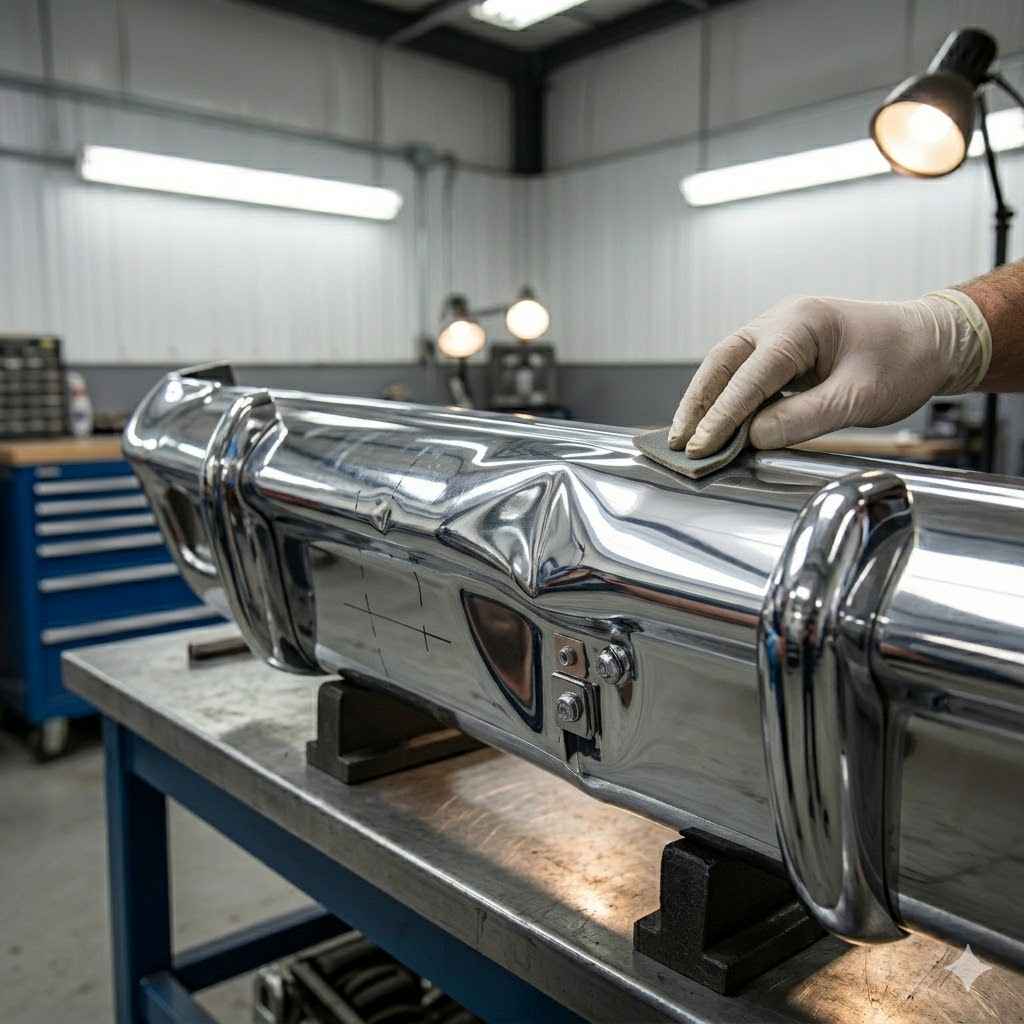
Chrome bumpers look great. They give cars a classic, strong look. But chrome is a plating over metal.
This means it can dent. Dents happen when the bumper takes a hit. This could be a small bump in a parking lot.
It could be a minor fender bender. Even hitting a pothole can sometimes cause damage. The metal underneath the chrome bends.
This creates the dent you see.
The chrome itself doesn’t stretch much. So, when the metal underneath bends, the chrome can crack or peel. This is more common with older chrome plating.
Modern chrome finishes are often more flexible. However, any significant impact can still cause a dent. The shape of the dent matters too.
A shallow ding is usually easier to fix. A sharp crease or a deep gouge is much harder. Sometimes, the chrome might be damaged beyond repair.
We need to think about the material. Chrome plating is a thin layer. It’s applied to steel or other metals.
The bumper’s structure is what gets bent. Fixing the dent means reshaping that metal. Then, we need to make sure the chrome finish is still good.
If the chrome is cracked, it might need more work. Or maybe a full re-chroming.
My Own Chrome Bumper Scare
I remember one time, years ago, I was helping a friend move. We were loading a heavy couch into the back of his old pickup truck. The truck had a cool, shiny chrome bumper.
I wasn’t paying close enough attention. The couch slipped a little as we lifted it. It scraped right across the front chrome bumper.
My friend came around the side of the truck. His jaw dropped. There it was – a long, ugly scratch and a slight bulge where the couch had hit.
I felt terrible. I thought for sure that bumper was ruined. It looked like a big, metallic frown.
My friend, though, was pretty calm. He said, “Don’t worry, we’ll see if we can buff that out.” He grabbed a soft cloth and some polish. It didn’t magically fix the bulge.
But it did make the scratch look less harsh. That’s when I started looking into how these things are actually repaired. I learned that sometimes, a simple scratch isn’t the end of the world.
But a real dent needs more than just polish.
Common Causes of Chrome Bumper Dents
Parking Lot Mishaps: Low-speed impacts from other vehicles or shopping carts.
Low-Speed Collisions: Fender benders where the bumper absorbs impact.
Debris Strikes: Rocks or other objects kicked up from the road.
Accidental Impacts: Hitting curbs, posts, or equipment while parking.
Vandalism: Intentional damage can cause dents and scratches.
Can Dents Be Pulled Out? The Mechanics of Repair
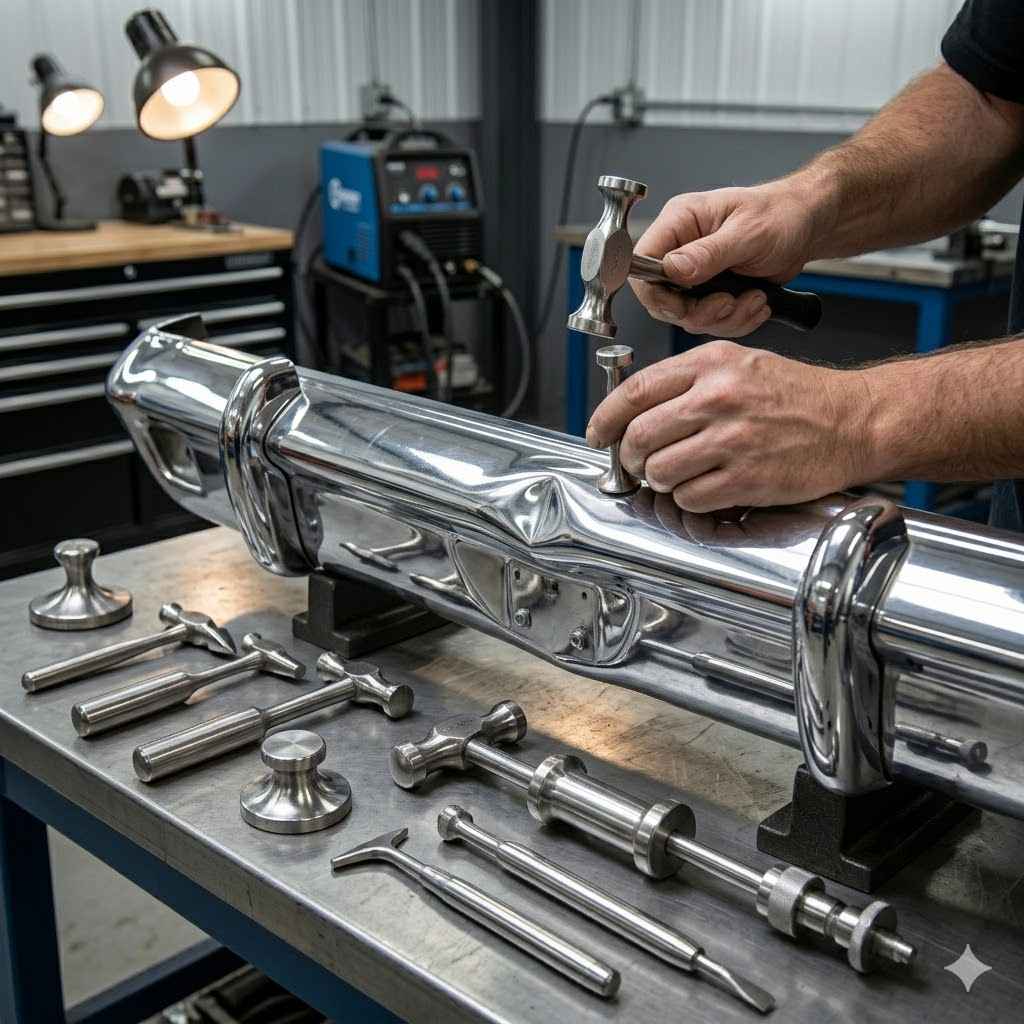
So, can you pull dents out of chrome bumpers? Yes, often you can. The key is to work the metal back into its original shape.
This is similar to fixing dents on any car body panel. However, chrome adds a challenge. The chrome plating can be brittle.
It can crack if you pull too hard or too fast. This is why gentle, controlled pressure is key.
There are a few ways to do this. One common method is using suction cups. These are strong cups that stick to the bumper’s surface.
You then pull on the cup. This gently tugs the metal outward. It’s like a mild vacuum pulling the dent out.
This works best for larger, shallow dents. It’s a less invasive method. It reduces the risk of damaging the chrome plating.
Another technique uses special tools. These tools can grip the edge of the dent. They allow for controlled pulling.
Sometimes, heat is used. Gentle heating can make the metal more pliable. This helps it move more easily.
You can use a heat gun or even hot water. After heating, you can try to push or pull the dent out. Then, rapidly cooling the area can help the metal hold its new shape.
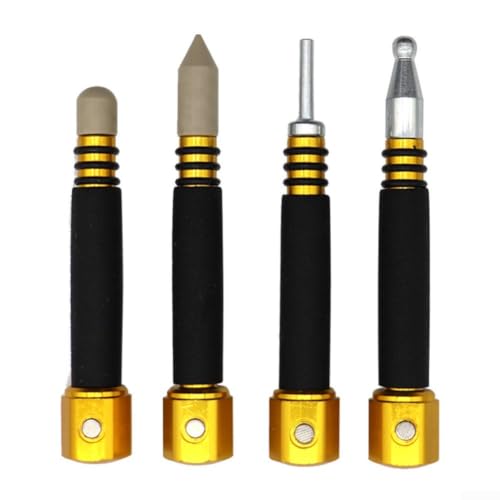
For sharper dents or creases, more skilled work is needed. This often involves metalworking tools. Dent pullers can be used.
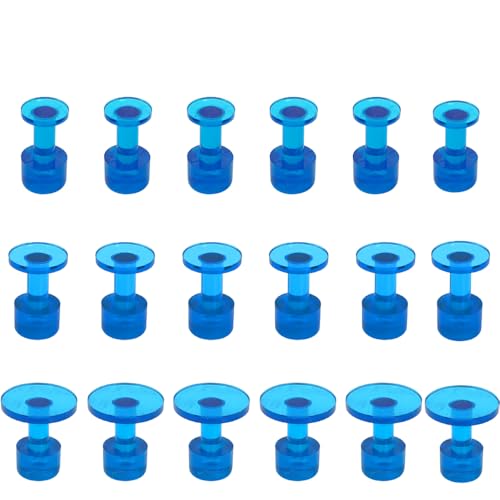
These might involve glue tabs. You glue a tab to the dented area. Then, you use a pulling tool to lift it.
Or, a professional might use specialized rods. These are to push. And how much force to use.
DIY vs. Professional Repair
DIY: Best for small, shallow dents. Uses suction cups or basic dent puller kits. Lower cost.
Risk of making it worse.
Professional: For larger, complex, or creased dents. Uses specialized tools and techniques. Higher cost.
Higher success rate.
When in doubt, always go professional. Fixing a damaged chrome finish is very expensive.
Methods for Pulling Dents from Chrome Bumpers
Let’s dive a bit deeper into the methods you might see or even try yourself. It’s important to know your limits. And the limits of the chrome itself.
Some dents are just too stubborn. Or the chrome is too far gone.
Suction Cup Dent Pullers
These are probably the easiest tools for DIY use. You find them online or at auto parts stores. They work best on flat, smooth surfaces.
Chrome bumpers, especially on older cars, are often quite flat. To use one, you usually wet the rubber cup slightly. Then you press it firmly onto the center of the dent.
You want a good seal.
Then, you pull the handle. You usually pull straight out. For a shallow dent, you might hear a pop.
The metal should start to move. You might need to try several times. Or reposition the cup.
It’s a gentle process. You’re not forcing the metal. You’re coaxing it.
If the dent is too sharp or creased, this method won’t work. The suction cup can’t get enough grip. Or the metal is too rigid there.
What I noticed when I tried these on a small ding on my own car (not chrome) was that patience is key. You can’t just yank. You have to pull steadily.
Sometimes, applying a little warmth with a hairdryer first helps. It makes the metal a bit more giving. It’s a good first step for minor issues.
Glue Tab Dent Pullers
This is a more advanced DIY option. It’s also used by professionals. A special adhesive is used.
You apply it to a plastic tab. This tab has a knob or handle on it. You stick the tab onto the dent.
The glue needs time to set. Once it’s firm, you use a pulling tool. This tool attaches to the tab.
You then pull the tab away from the bumper.
The pulling action lifts the dented metal. You can often adjust the pulling force. This lets you control how much metal you move.
You might need to use several tabs. Or try pulling from different spots. After pulling, you carefully remove the glue.
This usually involves a special solvent. This method can be more effective than suction cups. It can handle slightly deeper dents.
But the glue can be tricky. And if not done right, it can pull off chrome plating.
I saw a video of a guy doing this. He was really careful. He explained that you don’t just rip the tab off.
You pull it slowly. And sometimes you have to gently tap the edges of the dent after pulling. This helps the metal settle.
It stops it from popping back in. It’s about finding the right balance of pull and finesse.
Using Heat and Cold
This method plays on how metal expands and contracts. You can gently heat the dented area. A hairdryer or a heat gun on a low setting works.
You want to warm the metal. You don’t want to make it red hot. Warming it makes the metal expand a bit.
It also makes it more flexible.
Once it’s warm, you can try to push the dent out from behind. If you can access the back of the bumper, this is ideal. If not, sometimes the expansion from heat is enough.
Or you might use a suction cup right after heating. The metal is more willing to move.
After you’ve tried to pop the dent out, you can use compressed air. Turn a can of compressed air upside down. Spray the liquid propellant onto the heated area.
This cools it down very rapidly. The sudden contraction can help the metal snap back into place. This is called thermal shock.
It’s often used on larger, shallow dents.
The risk here is overheating the chrome. Too much heat can cause it to discolor or peel. It’s a delicate balance.
You must be very careful. I’ve heard of people using boiling water too. Pouring boiling water over the dented area.
Then quickly pushing from behind. This is for plastic bumpers mostly. For chrome, I’d stick to a heat gun on low.
Professional Paintless Dent Repair (PDR)
This is where the real experts come in. Paintless Dent Repair (PDR) technicians are artists. They have years of experience.
They use specialized tools. These include long, slender metal rods. They also use special lights.
These lights help them see the contours of the dent clearly.
The technician will gain access to the back of the bumper. They will use their rods. They gently massage the metal from the inside.
They work slowly and precisely. They are essentially pushing the dent out. They feel the metal.
They know when to push. And where to push. They can often fix even complex dents this way.
The key is that they don’t damage the paint or the chrome. If the chrome is intact, PDR is a fantastic option. It preserves the original finish.
This is crucial for chrome bumpers. Because re-chroming is very costly. A good PDR technician can make a dent almost disappear.
They achieve this by meticulously smoothing out the metal. They use their knowledge of metal flow.
I saw a PDR specialist work on a car once. It was amazing to watch. He had a dent that looked like a sharp crease.
He had some tiny tools. He was working from behind the panel. He used a small hook.
He would gently pull or push a millimeter at a time. It took him maybe an hour. The dent was completely gone.
It looked like it had never happened. He explained that the light he used was special. It had lines on it.
These lines helped him see every tiny bump and dip.
Quick Scan: Dent Types and Repair Likelihood
| Dent Type | Chrome Plating Risk | Repair Method | Likelihood of Success |
|---|---|---|---|
| Shallow, Large Ding | Low | Suction Cup, PDR | High |
| Sharp Crease | Medium | PDR, Metalworking Tools | Medium to High |
| Deep Gouge | High | Body Filler, Repainting/Rechroming | Low (for original chrome) |
| Cracked Chrome | Very High | Rechroming, Replacement | Very Low (for original chrome) |
Real-World Context: When It’s Okay and When It’s Not
Not all dents are created equal. Some are minor annoyances. Others are signs of bigger issues.
Let’s talk about when a dent is likely fixable. And when you might be looking at more serious repairs.
When a Dent is Likely Fixable
If the dent is shallow, it’s a good sign. This means the metal hasn’t been severely stretched or creased. If the chrome plating is still smooth and shiny, that’s also good.
It means the impact wasn’t so hard that it cracked the chrome.
Dents that are on a flat part of the bumper are easier. Dents on curves or edges are harder. They require more skill to push back.
If you can access the back of the bumper easily, that’s a big plus. It gives technicians more options.
Things like a small ding from a shopping cart. Or a gentle tap from another car. These often leave dents that can be pulled out.
Especially if the chrome is still in good shape. Think of it like this: if the metal can be pushed back without tearing the chrome, you’re in good shape.
When to Worry About Chrome Bumper Dents
The biggest worry is damage to the chrome itself. If you see cracks, chips, or peeling chrome, that’s a problem. The chrome layer is very thin.
Once it’s compromised, it can start to rust underneath. Water gets in. It ruins the look and the metal.
Sharp creases are also difficult. These are where the metal has been folded. Trying to smooth them out can stress the chrome.
It might lead to cracking later. If the dent is very deep, it means the metal is severely deformed. Pushing it back might not be possible without damaging the chrome.
Also, consider the age and quality of the chrome. Older bumpers might have thicker, more robust chrome. Newer ones, especially aftermarket, might have thinner plating.
This plating is more prone to damage. If the dent is accompanied by rust or corrosion, that’s a sign of deeper issues. The bumper might be beyond simple dent repair.
In my experience, if the dent is right on a sharp body line of the bumper, it’s tough. The metal is already stressed there. Trying to work it can be risky.
I’ve seen people try to fix a crease. They end up cracking the chrome. Then it looks worse than before.
Myth vs. Reality: Chrome Bumper Dents
Myth: All chrome bumper dents can be buffed out.
Reality: Buffing only works for very light scratches, not actual dents. Dents require metal reshaping.
Myth: Chrome is super strong and won’t dent.
Reality: Chrome is a plating. The metal underneath can dent easily.
Chrome itself can crack.
Myth: You can fix any dent with a plunger.
Reality: Plungers lack the seal and pulling power for car dents. Specialized tools are needed.
Myth: DIY dent removal always saves money.
Reality: Mistakes can lead to costly repairs or replacement, costing more than professional PDR.
What This Means for Your Car
So, you’ve got a dent in your chrome bumper. What’s the takeaway? It’s usually not the end of the world.
But it requires careful assessment. Here’s what you need to think about.
Assessing the Damage
First, look closely. Is the chrome cracked or peeling? If yes, this is a major concern.
You might need to consider professional re-chroming or a replacement bumper. If the chrome looks okay, great! Now, feel the dent.
Is it a shallow dip? Or a sharp crease?
Is the dent on a flat section? Or a curved area? Can you get to the back of the bumper?
Knowing these things helps you decide the best path. Take a few clear photos. Zoom in on the dent.
This can help you remember the exact state of the damage.
Think about the value of your car. If it’s a classic car, preserving the original chrome is often a priority. If it’s a daily driver, a good repair that looks great might be enough.
Cost is also a factor. DIY methods are cheaper upfront. Professional repairs cost more but offer better results.
When to Call a Professional
If you’re unsure at all, call a professional. Auto body shops that specialize in PDR are your best bet. They can assess the dent.
They can tell you honestly if it’s repairable without damaging the chrome. They have the tools and skills to do it right.
You should definitely call a pro if:
The dent is deep or creased. The chrome is cracked, chipped, or peeling. You don’t have the right tools or confidence for DIY.
You want the best possible result.
Professionals can often work wonders. They can make a dent that looks impossible to fix simply vanish. They understand how the metal moves.
They know how to avoid stressing the chrome plating. It’s an investment in your car’s appearance. And its value.
Key Considerations for Chrome Bumper Repair
- Chrome Integrity: Always check for cracks or peeling.
- Dent Depth: Shallow dents are easier and safer to fix.
- Location: Flat areas are less complex than curves or edges.
- Access: Being able to work from behind the bumper helps immensely.
- Tooling: Specialized PDR tools are crucial for a clean job.
- Patience: Rushing any repair can lead to worse damage.
Quick Tips for Chrome Bumper Dent Care
While fixing a dent is one thing, taking care of your chrome bumper is another. Here are some quick tips.
Gentle Cleaning
Always use a soft cloth. Microfiber cloths are best. Use a mild car soap.
Avoid abrasive cleaners or scrub brushes. These can scratch the chrome. Rinse thoroughly.
Dry with another soft cloth to prevent water spots.
Protecting the Chrome
Regular waxing can help. A good quality car wax can add a protective layer. It can make the chrome more resistant to minor scratches.
It also makes it easier to clean. For very old or pitted chrome, consider a chrome polish. Use it sparingly.
It can sometimes remove a thin layer of chrome.
Dealing with Minor Scratches
For very light surface scratches, a fine metal polish might help. Apply a small amount to a soft cloth. Rub gently in a circular motion.
Test in an inconspicuous area first. If the scratch is deep enough to feel with your fingernail, it might be too much for polish alone.
I learned the hard way about using the wrong cleaner. I once used a kitchen degreaser on my car’s chrome trim. It seemed to work at first.
But it left a hazy residue. It took a lot of effort and special products to get it back to normal. Lesson learned: stick to products designed for cars.
DIY Dent Repair Toolkit Basics
- Suction Cup Dent Puller: For shallow, large dents.
- Glue Tab Kit: Includes glue gun, tabs, puller tool, and glue remover.
- Heat Gun (low setting) or Hair Dryer: To warm the metal.
- Clean Microfiber Cloths: For cleaning and drying.
- Gloves: To keep oils from your hands off the bumper.
Frequently Asked Questions About Chrome Bumper Dents
Can I use a hair dryer and compressed air to fix a dent in my chrome bumper?
Yes, this method can sometimes work for shallow dents. Gently heat the dent with a hair dryer or heat gun (on a low setting). Then, spray the area with upside-down compressed air for rapid cooling.
This thermal shock can help the metal pop back. Be cautious not to overheat the chrome, which can cause damage.
What is the difference between a dent and a scratch on a chrome bumper?
A scratch is damage to the surface finish. It’s usually a line or mark. A dent is a deformation of the metal underneath the chrome.
It causes the surface to bulge or dip. Scratches can sometimes be polished out. Dents require reshaping the metal.
How much does it cost to repair a dented chrome bumper?
The cost varies greatly. DIY kits can be $20-$50. Professional PDR for a small dent might range from $100-$300.
For larger or more complex dents, or if the chrome needs repair, costs can go up significantly. Rechroming can cost hundreds or even thousands of dollars.
Will pulling a dent damage the chrome plating?
It’s a risk, especially with DIY methods or if the chrome is already compromised. Gentle, controlled pulling is less likely to cause damage. Sharp creases or pulling too hard can crack or peel the chrome.
Professionals are trained to minimize this risk.
When should I just replace my chrome bumper instead of repairing it?
If the chrome is extensively cracked, peeling, or rusted. If the metal is severely creased or torn. If multiple dents are present and difficult to repair.
If the cost of repair approaches the cost of a replacement bumper. Safety is also key; if the bumper’s structural integrity is compromised, replacement is necessary.
Can I fix a dent if the chrome is already slightly pitted?
It’s more challenging. Pitting means the chrome is already degrading. Pulling a dent might worsen the pitting or cause it to spread.
You might still be able to pull the metal, but the chrome finish might not look perfect afterward. Professional assessment is highly recommended in this case.
Conclusion
Seeing a dent on your chrome bumper can be disheartening. But thankfully, dents can often be pulled out. The success depends on the dent’s size, shape, and the condition of the chrome itself.
Gentle methods like suction cups and professional PDR can work wonders. Always assess the damage carefully. When in doubt, trust the experts.
Keeping your chrome looking its best is achievable with the right care and repair.
Products related to this article
Sponsored / affiliate links. As an Amazon Associate I earn from qualifying purchases. I may earn additional commission from eligible campaigns.