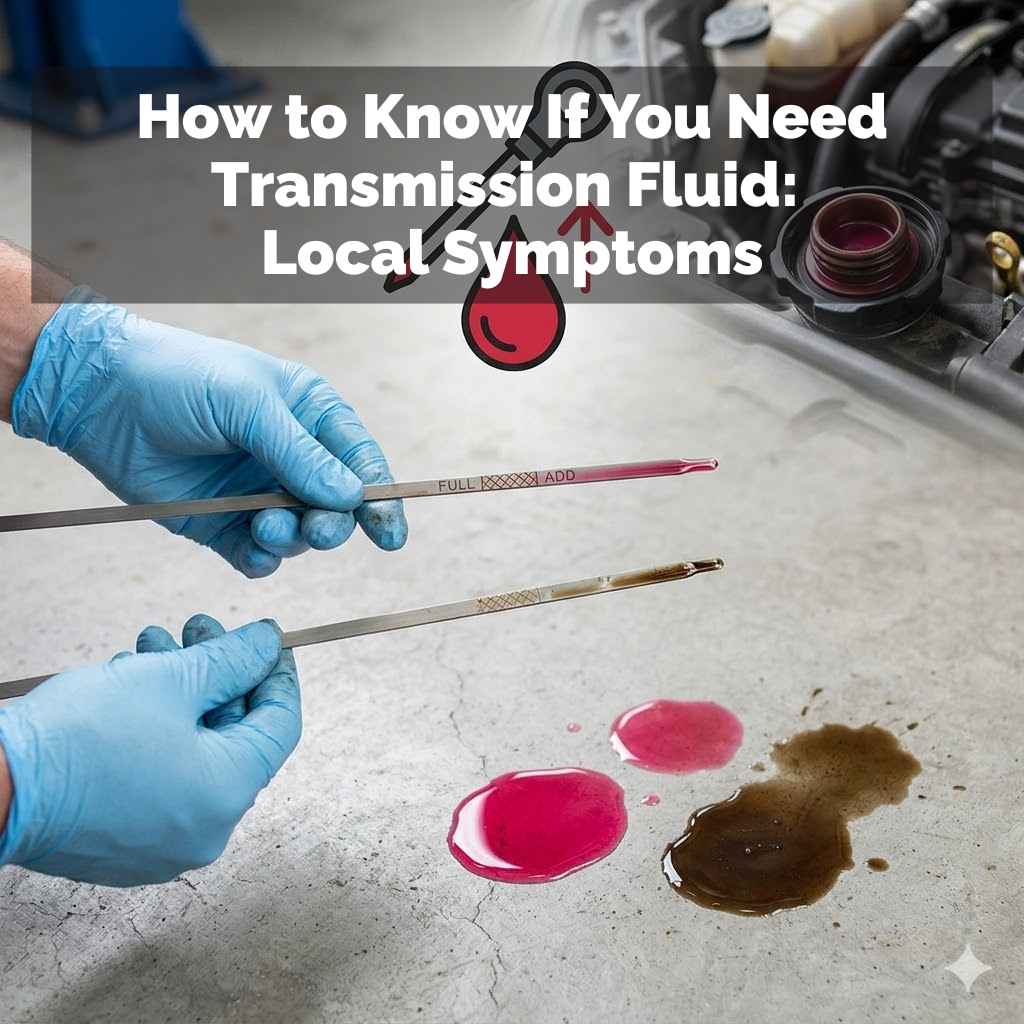
How to Know If You Need Transmission Fluid: Local Symptoms
Figuring out if your car needs transmission fluid can feel tricky, especially if you’re new to car care. Many people wonder about the signs and what they mean for their vehicle. This guide will make it simple.
We’ll walk you through exactly what to look for, step by step, so you can be sure about your car’s needs. Get ready to learn about the clear indicators that tell you it’s time to check your transmission fluid.
Understanding Transmission Fluid and Its Importance
Transmission fluid is the lifeblood of your car’s transmission system. It does a lot more than just lubricate parts. It also cools the transmission, prevents rust and corrosion, and helps to create the hydraulic pressure needed for shifting gears smoothly.
Without enough good quality transmission fluid, your transmission can overheat, wear out faster, and eventually fail. This vital fluid is essential for your car to move from one gear to another correctly.
What Transmission Fluid Does
Transmission fluid has several key jobs. First, it lubricates all the moving metal parts inside the transmission. This reduces friction, which in turn minimizes wear and tear and prevents parts from seizing up.
Second, it acts as a coolant. The transmission generates a lot of heat as it operates, and the fluid absorbs and carries this heat away from critical components, preventing overheating.
Third, transmission fluid helps to prevent rust and corrosion from forming on the internal metal surfaces. It contains additives that protect these parts from moisture and chemical reactions. Fourth, it enables smooth gear changes by acting as a hydraulic fluid.
When you shift gears, the fluid transmits the power needed to engage the correct gear set. This makes your driving experience smooth and efficient.
Why Regular Checks Are Necessary
Just like engine oil, transmission fluid can degrade over time and with use. It can lose its lubricating properties, become contaminated with debris from wear, or simply leak out of the system. Regularly checking your transmission fluid level and condition is a crucial part of preventative car maintenance.
Catching issues early can save you a lot of money and hassle down the road by preventing major transmission repairs or replacements.
Many drivers overlook checking their transmission fluid because it’s not as commonly discussed as checking engine oil. However, the transmission is one of the most complex and expensive parts of your vehicle to repair. Therefore, giving it the attention it deserves through simple checks is a smart move for any car owner.
It helps ensure your car runs reliably for many miles to come.
How to Know If You Need Transmission Fluid Local Symptoms
Spotting the signs that your transmission needs attention is key to preventing bigger problems. These indicators often show up in how your car drives or sounds. Paying close attention to these local symptoms can help you catch an issue early.
Knowing what to listen and feel for will give you confidence when you’re on the road.
Shifting Problems and Sensations
One of the most common signs of low or old transmission fluid is difficulty shifting gears. This can manifest in a few ways. You might notice that your car hesitates or feels sluggish when you try to accelerate or change gears.
The shift might not be smooth; instead, it could be rough, clunky, or accompanied by a noticeable jolt.
Sometimes, the transmission might slip out of gear unexpectedly, especially when you are driving. This is a very serious symptom and means the fluid level is critically low or the fluid is severely degraded. It can feel like your car is suddenly in neutral, even when you’re accelerating.
This requires immediate attention to avoid further damage.
Another symptom is when your car has trouble shifting into certain gears, like reverse or a specific forward gear. The gear might not engage at all, or it might grind as it tries to shift. This often points to a lack of hydraulic pressure, which is directly related to the transmission fluid’s condition and level.
Specific Shifting Issues to Watch For
Hesitation or Delay in Shifting: When you press the gas pedal, your car might take a moment longer than usual to engage the next gear. This delay can range from slight to very noticeable, making acceleration feel less responsive. It’s like the transmission is struggling to “catch” the next gear.
Rough or Jerky Gear Changes: Instead of a smooth transition between gears, you might feel a hard bump or a harsh engagement. This sensation can be felt during both automatic upshifts and downshifts. Some drivers describe it as feeling like someone hit the brakes briefly during the shift.
Transmission Slipping Gears: This is a more severe symptom where the engine revs up, but the car doesn’t seem to gain speed, or it feels like the gear has been disengaged. This can happen randomly and is a clear indication that the transmission is not holding gears properly due to insufficient fluid or pressure.
Inability to Engage a Gear: You might try to put your car in drive or reverse, and it simply won’t engage. The engine might rev, but the vehicle doesn’t move. This is a critical warning sign that requires immediate professional diagnosis.
Unusual Noises from the Transmission
Your car’s transmission can make a variety of noises when the fluid is low or has become contaminated. These sounds are often your transmission’s way of telling you something is wrong. Listening carefully to these noises can provide clues about the problem.
A common noise associated with transmission issues is whining or buzzing. This sound can be heard while driving or sometimes even when the car is in park or neutral. The pitch of the whine might change with your vehicle’s speed.
It often indicates that the transmission’s internal components are not adequately lubricated or are experiencing friction.
Grinding noises are another red flag. These sounds typically occur when you are trying to shift gears. A grinding sound suggests that the gears are not meshing properly, which can be a direct result of insufficient transmission fluid to create the necessary hydraulic force for smooth engagement.
Clunking or thudding sounds when shifting can also signal a transmission problem related to fluid levels or condition.
Types of Transmission Noises and Their Meanings
Whining or Humming Sounds: These noises can vary in pitch and intensity and may be present when accelerating, decelerating, or even idling. A constant whine that changes with engine speed often suggests that the transmission pump is working harder than it should, possibly due to low fluid or internal wear.
Grinding Noises: Most often heard when attempting to shift gears, grinding indicates that gears are not engaging smoothly. This could be due to worn synchros, but often points to a lack of hydraulic pressure from the transmission fluid, preventing proper meshing of gear teeth.
Clicking or Tapping Sounds: While sometimes related to other parts of the car, persistent clicking or tapping sounds originating from the transmission area, especially during gear changes or when shifting from park to drive, can suggest internal issues possibly linked to fluid levels or component wear.
Clunking or Thudding Sounds: These sounds, often heard when shifting from park into drive or reverse, or during gear changes, can indicate a significant issue within the transmission. They might be caused by worn internal components or a lack of fluid pressure to cushion the engagement of gears.
Transmission Fluid Leaks
Transmission fluid leaks are one of the most direct and obvious signs that you need to check your fluid level. If you see reddish or brownish fluid under your car, especially after it has been parked, it’s a strong indicator of a leak. The color can vary depending on the type of transmission fluid and how old it is.
New automatic transmission fluid is typically bright red. However, as it ages and gets used, it can darken to a brownish or even black color. If you see a puddle of this fluid, it’s important to identify the source.
Leaks can occur from various points, including seals, gaskets, the transmission pan, or the cooler lines.
Even small leaks should not be ignored. Over time, they can lead to a significant loss of fluid, causing the transmission to operate with insufficient lubrication and cooling. This can quickly lead to overheating and severe damage.
Regularly inspecting the ground under your parked car can help you catch leaks early.
Identifying and Dealing with Leaks
Color of the Fluid: As mentioned, fresh automatic transmission fluid is bright red. If the fluid you see is dark brown or black and smells burnt, it indicates that the fluid is old and has likely been overheated. This also means the fluid’s lubricating and cooling properties are compromised, and it needs to be replaced.
Location of the Leak: Try to determine where the fluid is coming from under your car. If it’s coming from the front of the engine area, it might be related to the transmission cooler lines. If it’s more towards the middle of the car, it could be from the transmission pan or seals.
Consistency and Smell: Besides the color, transmission fluid has a distinct odor. If it smells burnt or acrid, it’s a sign of overheating. The consistency should be smooth and oily. Any grittiness or unusual texture can indicate internal wear and debris in the fluid.
Checking the Dipstick: The most direct way to confirm a low fluid level is to check the transmission fluid dipstick. If you see a leak, it’s vital to top up the fluid after the leak is fixed to ensure the system is full and properly functioning.
Dashboard Warning Lights
Modern vehicles are equipped with sophisticated warning systems, and your transmission is no exception. If there’s a problem with your transmission, a warning light on your dashboard will often illuminate. The most common light is the check engine light, but some cars may have a dedicated transmission warning light.
When the check engine light comes on, it can be related to a wide range of issues, including transmission problems. This is because the engine control unit (ECU) monitors the transmission’s performance, and if it detects anomalies, it can trigger this general warning. Some cars might display a message on the information screen, such as “Transmission Fault.”
It’s important to take any illuminated warning light seriously. While not every light indicates a transmission fluid issue, it’s always best to get it checked out by a qualified mechanic. They can use diagnostic tools to read the specific error codes generated by your car’s computer, which will help pinpoint the cause of the warning.
Understanding Dashboard Warning Indicators
The Check Engine Light: This is the most frequent warning light. If it illuminates and your car is also exhibiting any of the symptoms mentioned earlier, such as shifting problems or unusual noises, a transmission fluid issue is a strong possibility. Don’t ignore this light; it’s a signal to investigate further.
Transmission Warning Light: Some vehicles have a specific light for transmission issues. This might be a symbol of a gear or the word “Transmission.” If this light comes on, it’s a direct indication of a problem within the transmission system, which could be related to fluid levels, temperature, or internal malfunctions.
Overdrive Off Light: On some older vehicles, if the “O/D Off” light starts blinking, it can indicate a transmission problem. The overdrive gear is typically used for highway driving to improve fuel efficiency. A blinking light suggests the transmission is not functioning correctly and may have disengaged the overdrive gear or is having trouble shifting into it.
Temperature Warning Light: While not exclusively for the transmission, if a temperature warning light illuminates, especially in conjunction with other transmission symptoms, it could mean the transmission is overheating due to low or degraded fluid. Overheating is a major cause of transmission damage.
Changes in Vehicle Performance
Beyond specific shifting issues or noises, you might notice a general decline in your car’s performance if the transmission fluid is low or bad. This can affect how your car accelerates, its fuel efficiency, and its overall responsiveness.
One noticeable change is a loss of power. Your car might feel sluggish, especially when going uphill or trying to pass another vehicle. It might struggle to reach higher speeds or maintain them.
This is often because the transmission isn’t able to transfer power from the engine to the wheels as effectively as it should.
Decreased fuel economy is another symptom. When the transmission isn’t operating efficiently, the engine has to work harder, leading to more fuel consumption. If you find yourself stopping at the gas station more frequently than usual without any changes in your driving habits, your transmission might be the culprit.
Performance Degradation Symptoms
Sluggish Acceleration: The car feels less responsive when you press the gas pedal. It takes longer to get up to speed, and it doesn’t feel as “peppy” as it used to. This is a common symptom of insufficient hydraulic pressure or internal friction.
Reduced Power on Hills: When driving up an incline, the car may struggle to maintain speed or even lose speed, requiring you to press the accelerator harder. This is a sign that the transmission isn’t efficiently delivering engine power to the wheels under load.
Increased Fuel Consumption: Your car might start drinking more gas. This happens because the transmission is working harder to perform its functions, leading to less efficient power delivery and higher fuel usage. Monitoring your gas mileage can reveal this subtle but important change.
Unusual Vibrations: While vibrations can stem from many car issues, if you notice new or unusual vibrations that seem to be related to the transmission or occur during gear changes, it could be a sign of fluid problems. These vibrations might feel like a shaking or shuddering sensation.
Checking Your Transmission Fluid Level and Condition
Now that you know the symptoms, let’s talk about how to actually check your transmission fluid. This is a relatively simple process for most vehicles, but it’s important to do it correctly. Always refer to your car’s owner’s manual for specific instructions, as procedures can vary.
The Step-by-Step Fluid Check
First, ensure your car is parked on a level surface. This is crucial for an accurate reading. For most automatic transmissions, the engine needs to be running and at normal operating temperature.
Some manual transmissions require the engine to be off. Your owner’s manual will specify this.
Locate the transmission fluid dipstick. It’s usually a long, thin rod, often with a brightly colored handle (typically red, yellow, or orange). It might be labeled “Transmission Fluid” or have a gear symbol.
Be careful not to confuse it with the engine oil dipstick, which is usually located elsewhere and has a different handle color.
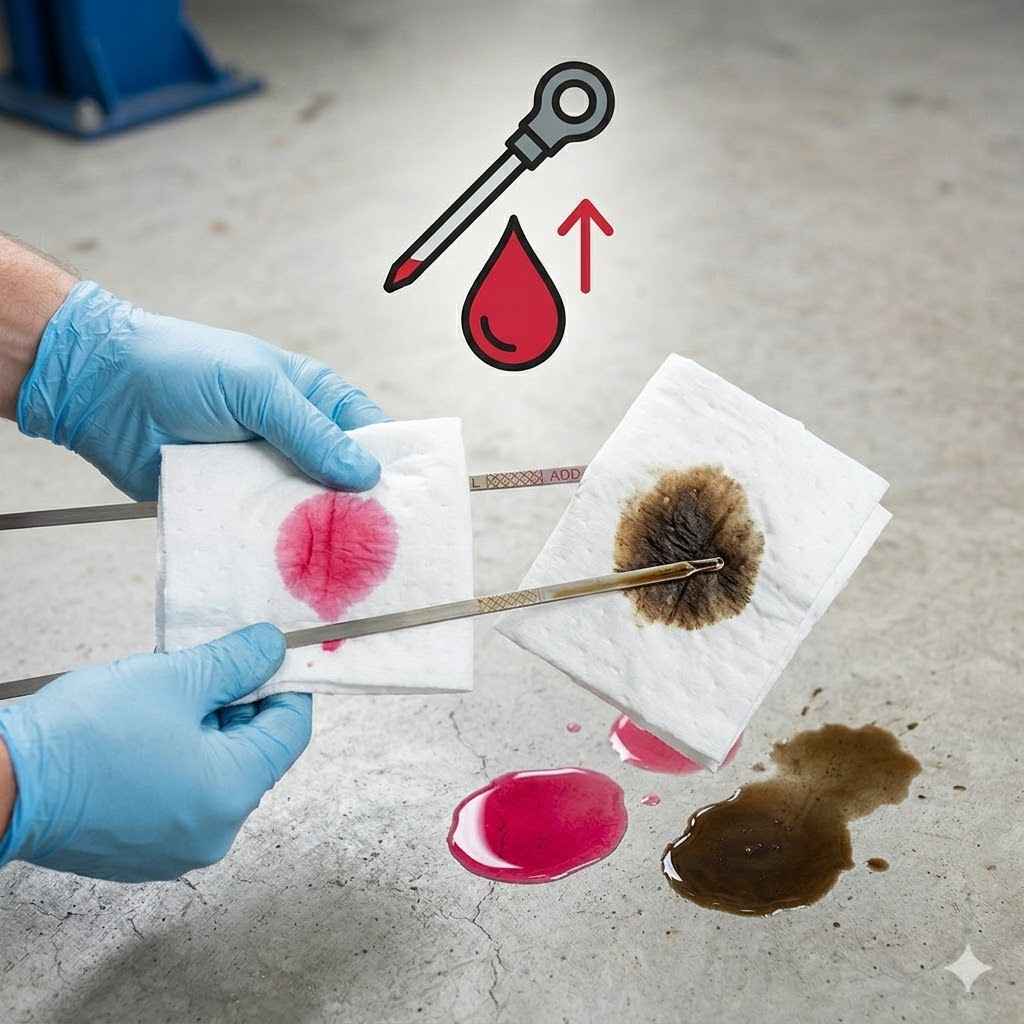
Pull the dipstick out slowly. Wipe it clean with a lint-free cloth or paper towel. Reinsert the dipstick fully, then pull it out again.
Examine the end of the dipstick. You’ll see markings indicating the fluid level, usually with “Hot” and “Cold” ranges or “Full” and “Add” lines.
Detailed Inspection Process
Prepare the Vehicle: Park on a level surface. Ensure the engine is at its normal operating temperature. For most automatic transmissions, the engine should be running while you check the fluid. Turn off the engine if your manual specifies.
Locate the Dipstick: Find the transmission fluid dipstick. It’s often separate from the engine oil dipstick and might be located further back in the engine bay. Consult your owner’s manual for its exact location.
Remove and Wipe the Dipstick: Carefully pull the dipstick out. Use a clean, lint-free cloth to wipe off all the fluid from the end. Avoid using paper towels that might leave lint behind.
Reinsert and Remove Again: Push the dipstick all the way back into its tube, ensuring it’s fully seated. Then, pull it out again. This second removal provides the accurate reading.
Check the Fluid Level: Look at the end of the dipstick. The fluid level should be within the marked range, usually between “Full” and “Add” lines or within specific hot/cold indicators. If it’s below the “Add” line, you need to add fluid.
Inspect Fluid Condition: Note the color and smell of the fluid. Fresh fluid is bright red and has a mild odor. If it’s dark brown or black, or if it smells burnt, it needs to be replaced, and you should also investigate the cause of the degradation.
Adding Transmission Fluid
If you find that your transmission fluid is low, you’ll need to add more. It’s crucial to use the correct type of transmission fluid specified in your owner’s manual. Using the wrong type can cause damage to your transmission.
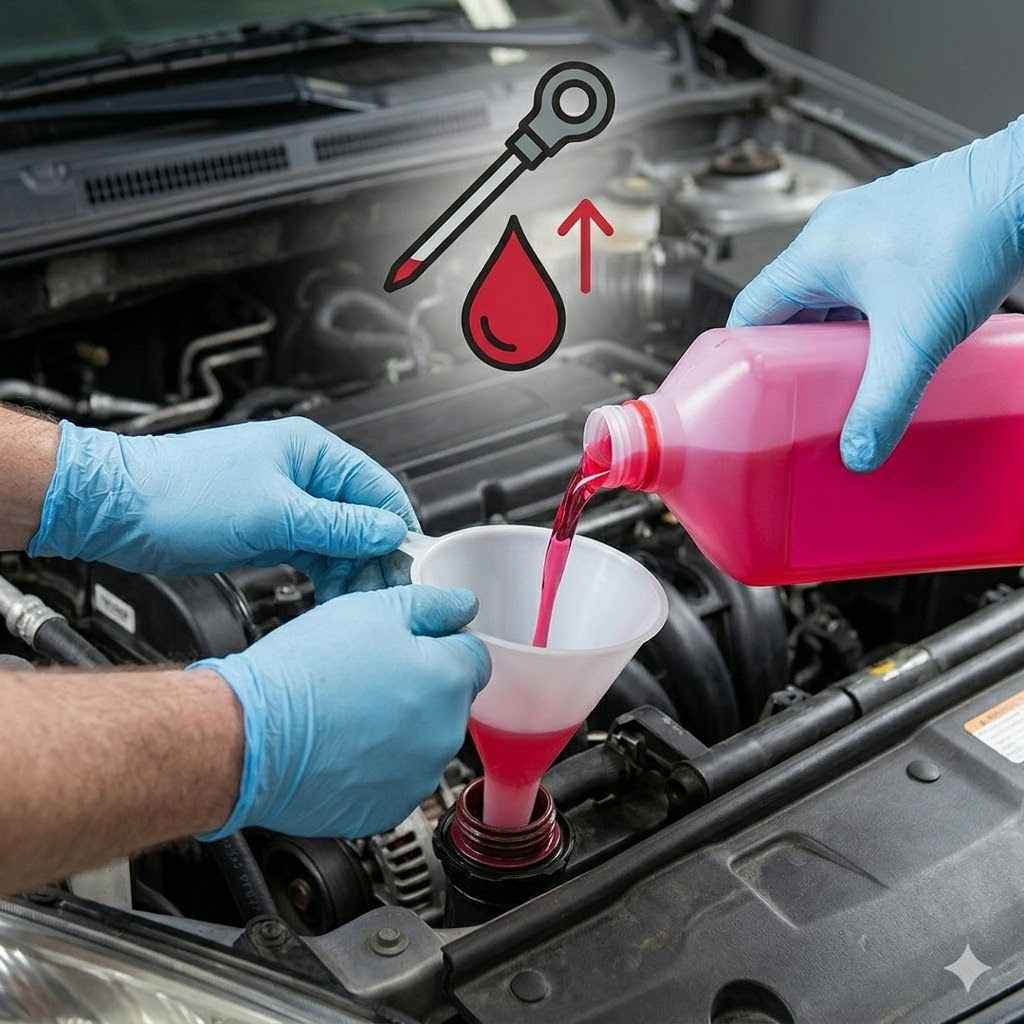
Once you’ve confirmed the correct fluid type, purchase a bottle. Most transmission fluids come in bottles with a long, flexible spout or require a funnel. Carefully insert the spout or funnel into the transmission fluid dipstick tube.
Add fluid slowly, a little at a time. After adding a small amount, wait a minute for it to settle, then recheck the dipstick. Continue adding fluid in small increments until the level reaches the correct mark on the dipstick.
It’s better to add too little and recheck than to overfill, as overfilling can also cause problems.
Best Practices for Topping Up Fluid
Use the Correct Fluid Type: This cannot be stressed enough. Check your owner’s manual for the specific Automatic Transmission Fluid (ATF) or manual transmission fluid your vehicle requires. Mixing different types can be detrimental.
Add Fluid Slowly: Pour the new fluid in gradually. This allows it to flow down into the transmission and ensures you don’t overshoot the proper level. It’s easier to add more than to remove excess fluid.
Recheck Frequently: After each small addition of fluid, wait a minute or two and reinsert the dipstick to check the level. This repeated checking ensures accuracy and prevents overfilling.
Do Not Overfill: Overfilling transmission fluid can create excessive foaming, which reduces its lubricating properties and can lead to leaks or internal damage. Always aim for the full mark, not above it.
When to Seek Professional Help
While checking and topping up transmission fluid is often a DIY task, there are times when you absolutely need to call a professional mechanic. If you see a significant leak, hear loud grinding noises, experience severe shifting problems, or if your dashboard warning lights are on, it’s time for expert help.
Mechanics have specialized tools and knowledge to diagnose complex transmission issues. They can identify the exact cause of leaks, check for internal wear, and perform a transmission fluid flush if necessary. A fluid flush
Don’t delay in seeking professional assistance if you’re unsure about what’s wrong or if the problem seems serious. Ignoring transmission issues can lead to much more expensive repairs or a complete transmission failure, which can cost thousands of dollars. Early detection and professional intervention are key to prolonging your transmission’s life.
Situations Requiring Mechanic Intervention
Persistent or Large Leaks: If you notice a significant amount of fluid leaking from your car, or if the leak continues after you’ve topped up the fluid, it indicates a more serious problem with seals or gaskets that needs professional repair.
Severe Grinding or Clunking Noises: Loud, metallic grinding or violent clunking sounds when shifting gears are not normal and suggest significant internal damage or misalignment within the transmission.
Transmission Warning Lights or Messages: Any dedicated transmission warning light, or a check engine light that persists after you’ve addressed any obvious fluid issues, should be diagnosed by a professional using scan tools.
Complete Failure to Engage Gears: If your car won’t move in any gear, or if specific gears are completely inaccessible, it’s a critical failure that requires immediate expert attention.
Burnt Smelling Fluid: If the transmission fluid smells strongly of burnt toast or chemicals, it means the fluid has been severely overheated and degraded, and the transmission may have sustained damage.
Common Causes of Transmission Fluid Issues
Understanding why transmission fluid problems occur can help you prevent them. Most issues stem from either wear and tear over time or external factors affecting the system. Regular maintenance is the best defense against these common culprits.
Wear and Tear Over Time
Like any mechanical component, transmissions experience wear. As parts move against each other, microscopic metal particles can break off and contaminate the transmission fluid. This contamination degrades the fluid’s properties, reducing its ability to lubricate and cool effectively.
Over time, this wear can lead to leaks as seals and gaskets age and harden.
The heat generated during operation also breaks down the fluid’s additives. These additives are crucial for protecting the transmission from corrosion and wear. When they are depleted, the fluid’s effectiveness diminishes, making the transmission more susceptible to damage.
This is why regular fluid changes are recommended, as they replenish these vital additives and remove contaminants.
External Factors and Driving Habits
Driving habits play a significant role in transmission health. Frequent hard acceleration, aggressive braking, and towing heavy loads put extra stress on the transmission, generating more heat and wear. This accelerated wear means the transmission fluid will degrade faster and may require more frequent replacement.
External factors like driving in extreme temperatures can also impact the transmission. Very hot weather can cause the transmission to overheat more easily, especially if the fluid level is low. Conversely, very cold weather can make the fluid thicker, affecting its ability to flow and lubricate properly until it warms up.
The Importance of Maintenance Schedules
Your car’s manufacturer provides a recommended maintenance schedule for a reason. Adhering to this schedule, particularly for transmission fluid changes, is the most effective way to prevent issues. Manufacturers base these intervals on extensive testing and data to ensure optimal transmission longevity.
Skipping scheduled maintenance might save a little money in the short term, but it greatly increases the risk of expensive transmission repairs later on. Think of it as an investment in keeping your vehicle running smoothly and reliably for years to come. A simple fluid change is far less costly than a complete transmission rebuild.
| Common Transmission Fluid Issues | Cause | Potential Symptoms |
|---|---|---|
| Low Fluid Level | Leaks, evaporation over time | Shifting problems, overheating, slipping gears |
| Degraded Fluid | Age, heat, contamination | Rough shifting, whining noises, decreased performance |
| Contaminated Fluid | Internal wear, debris | Grinding noises, sluggish acceleration, dark fluid |
| Overheating | Low fluid, heavy loads, external heat | Burning smell, warning lights, loss of power |
Frequently Asked Questions
Question: How often should I check my transmission fluid?
Answer: It’s a good idea to check your transmission fluid every time you check your engine oil, which is typically every oil change or every few months. Regular checks help you catch potential problems early.
Question: What happens if I overfill my transmission fluid?
Answer: Overfilling can cause the fluid to foam, reducing its ability to lubricate and cool properly. It can also lead to leaks or damage to seals and the transmission itself.
Question: Can I use any type of fluid for my transmission?
Answer: No, it’s critical to use only the specific type of transmission fluid recommended by your vehicle’s manufacturer. Using the wrong fluid can cause significant damage.
Question: Is it normal for transmission fluid to smell burnt?
Answer: No, a burnt smell indicates that the fluid has been overheated and degraded. This is a serious sign that the transmission may be damaged and requires immediate attention.
Question: How much does it typically cost to fix a transmission fluid leak?
Answer: The cost can vary greatly depending on the location and severity of the leak. Simple seal replacements might be a few hundred dollars, while more complex line repairs or gasket replacements could be more.
Summary
Knowing how to spot the signs of low or bad transmission fluid is essential for your car’s health. Watch for shifting issues, strange noises, leaks, warning lights, and performance changes. Checking the fluid level and condition yourself is straightforward.
If you find problems, address them promptly, adding the correct fluid or seeking professional help when needed.
Products related to this article
Sponsored / affiliate links. As an Amazon Associate I earn from qualifying purchases. I may earn additional commission from eligible campaigns.