
Car Repossession Fee Cost: What You’ll Really Pay
A repossessed car often costs roughly $300 to $2,000 to recover, though the total can be higher if storage days add up or the lender adds legal and auction-prep charges. Wait too long and the total can exceed what the car is worth, while the lender may sell it and still pursue a deficiency balance. This guide breaks down the timeline, the repo fees, and the state-dependent extras so you can estimate the true out-of-pocket cost.
Repo reclaim cost worksheet
Use this worksheet to separate the core recovery charges from extras that may depend on state law, lender policy, or how long the car sits in storage. The quickest way to cut the bill is to sort the fixed line items from the charges that grow by the day, then question anything that looks off before you pay.
| Fee type | Who charges it | Mandatory or negotiable | Typical range | When it starts accruing | Questions to ask |
|---|---|---|---|---|---|
| Towing / repossession | Repo company or tow operator | Usually mandatory if the car was recovered | $100 to $400 for towing to lot; repossession fees typically $300 to $1,500 | At pickup or dispatch | How much is the tow, and does the price change with distance, vehicle size, winching, or special equipment? |
| Storage / impound | Storage yard or impound lot | Mandatory while the car stays there | $15 to $50 per day | Usually the first full day the vehicle stays on site | What is the daily rate, and does a second lot add a new daily charge? |
| Administrative / processing | Lender, servicer, or recovery vendor | Often charged; sometimes disputable | Up to $250 | When the account is processed for release | What paperwork fee is included, and is it the lender’s charge or the yard’s charge? |
| Notice / redemption paperwork | Lender or servicer | Depends on state law and contract terms | Some lenders charge $50 to $200 for redemption | After repossession notice or redemption statement request | Does the payoff statement list the redemption deadline and every charge separately? |
| Auction / sale preparation | Lender, auction house, or repo vendor | Depends on the stage of the case | Up to $500+ | Before sale or disposition | What prep, sale, or auction fees will be added if the car is not redeemed? |
| Legal / attorney | Lender or its attorney | Usually state- and contract-dependent | May reach $1,000 in one cost table | If the lender sends the account to counsel or litigation | Are attorney charges already added, or only threatened after default or sale? |
What does a repossession fee include?
A repossession fee usually includes towing, storage, paperwork, and sometimes auction-related charges. It can also include legal or attorney costs if the lender uses counsel, plus release or redemption charges that appear when you try to get the vehicle back. The mix changes with the lender, the yard, and state rules.
Tow truck charges
Towing is the first cost most borrowers see. One pricing guide puts towing to the lot at $100 to $400, and the final number can move with distance, vehicle size, winching, or special equipment needed for low-clearance or disabled vehicles.
Say your SUV is parked in a tight apartment garage and the tow operator needs extra equipment to pull it out safely. That one extra step can push the recovery cost above a simple hook-and-go tow from a curbside pickup.
Storage and impound charges
Storage fees usually run $15 to $50 per day, and one guide lists storage or impound fees at $15 per day on the low end. That daily charge is why the timeline matters so much: a same-day pickup can cost far less than a recovery that waits a week.
Some facilities also add lot access charges or transfer charges if the vehicle is moved to another yard. That can happen when a lender uses one lot for intake and another for holding, which is why the first call should always confirm the car’s exact location.
Administrative, notice, and processing fees
Administrative and processing fees can run as high as $250. Some lenders also charge a redemption fee of $50 to $200. These charges are not always the same thing as the tow bill or storage bill, so ask for each item in writing before paying anything.
Auction or sale-related charges
If the vehicle is not redeemed before sale, auction fees or sale costs can range up to $500+. Legal or attorney fees may reach $1,000 in one cost table. Those amounts matter because they can be added before the car is sold and again when a deficiency balance is calculated after the sale.
How much does it cost to get a car back after repo?
The cost to get a car back after repo depends mostly on timing. Same-day recovery can stay near the lower end of the bill, a seven-day delay can add several days of storage, and a post-auction recovery may no longer be available at all. If it is, the total is usually much higher.
| Scenario | Estimated total | What drives the total |
|---|---|---|
| Same-day recovery | $300 to $700 | Tow charge plus minimal storage and basic processing |
| 7-day recovery | $405 to $1,550 | Tow charge, seven days of storage, and possible admin or redemption fees |
| Post-auction | $900 to $2,500+ | Storage, sale prep, legal charges, and possible deficiency exposure |
Same-day recovery cost range
Same-day recovery is the least expensive path because storage has little or no time to build. A practical estimate is the tow charge plus a small amount for intake or processing, which is why acting immediately can keep the bill near the lower end of the common range.
Seven-day recovery cost range
After seven days, storage becomes a major part of the total. At about $15 to $50 per day, a week of storage adds about $105 to $350 before any paperwork, release, or redemption charges. That is how a bill that looked manageable on day one can grow fast by day seven.
Post-auction cost range
After auction, the question often changes from redemption to deficiency balance. The car may already be sold, so the borrower may face not only storage and sale costs but also a shortfall between the auction price and the amount owed. That is where collection risk and a possible lawsuit enter the picture.
How redemption amounts are calculated
The redemption amount is usually the full loan balance plus past-due payments, fees, and costs that the lender is allowed to collect. Some states allow redemption within 10 to 30 days after repossession, but the deadline and required notices vary. Always ask for a written payoff or redemption statement before paying.
Past-due payments and late charges
Past-due installments are usually the first piece of the redemption amount. Late charges may also be added if the contract allows them. This is separate from the repossession bill itself, so the amount to redeem the car can be much higher than the amount needed to cure just the missed payment.
Remaining loan balance
Some lenders require the entire remaining balance for redemption, not only the missed payments. That is why the answer to “can you get your car back without paying the full loan balance?” depends on the loan terms and state law. In some cases, the borrower must pay the full payoff amount to stop the sale.
Fees, costs, and written payoff details
Ask for an itemized payoff or redemption statement that lists towing, storage, processing, auction prep, release fees, and any redemption fee. The statement should show what is due now, what continues to accrue, and whether the amount changes by day. Without that paper trail, it is hard to judge whether the quote is complete.
Redemption deadline and timing
The redemption window controls how long the borrower has to pay before sale. Some states allow redemption within 10 to 30 days after repossession, while others set different deadlines or notice steps. If the car has already been sold, the redemption right may be gone.
Why storage fees change the total fast
Storage fees change the total fast because they add up every day the car stays in the lot. The daily rate may be modest, but the total can jump quickly if there is a delay in getting the payoff statement, confirming the location, or arranging payment and release. Time matters more than most owners expect.
Daily rate mechanics
A daily storage charge means each extra day increases the bill. At about $15 to $50 per day, a three-day delay adds about $45 to $150, while a longer delay can create a much larger balance. The storage clock is one of the few parts of the bill that keeps moving while the owner waits for paperwork.
Impound lot rules
Some yards charge a gate fee, after-hours release fee, or weekend pickup fee. Others require payment in certified funds or by cashier’s check, which can slow release if the borrower does not have the right payment method ready. Ask for the release rules before you head to the lot.
Second-lot transfers and added charges
If the vehicle is moved to a second lot, new fees can appear. That can include another storage charge, a handling fee, or a transport charge between facilities. Always confirm the current location, because the original yard may no longer be the place that can release the car.
How to slow the clock
- Request the written payoff or redemption statement the same day you learn of the repossession.
- Confirm the car’s exact location and whether it has been moved to another lot.
- Ask what payment methods the yard accepts and what time release is available.
- Check whether the statement already includes storage through today or only through the last billing day.
- Pay only after the itemized amounts match the release instructions in writing.
Can you get the car back without paying the full loan balance?
Sometimes, yes, but not always. In some states and under some loan terms, you can redeem the car by paying past-due amounts, repossession costs, and other allowed fees instead of the full remaining balance. If the lender has already sold the vehicle, that option may disappear and a deficiency balance may follow.
When redemption is possible
Redemption is usually possible during the state-law redemption window, before the sale takes place. That window is often short, and some states require the lender to give notice before the deadline runs. The earlier you ask for the redemption amount, the more likely you are to stop the storage clock.
When the lender can require more than missed payments
The lender may require more than the missed payments because repossession adds direct recovery costs. That can include towing, storage, processing, and sometimes attorney fees. The key question is not only “what did I miss?” but also “what charges does the state allow the lender to add right now?”
What changes after the sale
After the sale, the borrower may owe a deficiency balance if the auction price does not cover the debt and allowed costs. The lender may pursue collection efforts and, in some cases, file a lawsuit. That is why waiting for sale can shift the problem from recovery costs to collection risk.
Picture a sedan sold at auction after 12 days in storage. The owner may no longer be able to redeem the car, yet the lender can still send a bill for the remaining shortfall if the sale price falls below the loan balance and added charges.
How state repossession law changes the bill
State repossession law changes both the timeline and the price. Notice requirements, the right to redeem, and the amount of time before sale can differ by state, and UCC Article 9 supplies the basic commercial framework in many consumer auto cases. That means two owners with the same loan can face different deadlines and different charges.
Notice requirements
Some states require written notice before the vehicle is sold, and the notice may need to list the redemption deadline and the amount due. If that notice is missing or late, the borrower may have a dispute about the sale or some added charges. Keep every letter and envelope.
Right to redeem
The right to redeem is the right to recover the vehicle before sale by paying the amount the law and contract require. Some states give borrowers a narrow window, while others allow different timing based on the lender’s notice. The state rule controls whether the payoff is limited to missed payments or expands to the full balance.
UCC Article 9 basics
UCC Article 9 is commonly cited as governing many secured transactions involving repossession and the sale of collateral. In practice, that means the lender usually must dispose of the car in a commercially reasonable way and send the notices the law requires. The borrower’s cost exposure often turns on whether those steps were handled correctly.
State-by-state timing differences
Some states allow redemption within 10 to 30 days after repossession, but that is not universal. Timelines vary by state, and some states layer on extra notice rules or court steps before sale. The only safe move is to read the notice and ask for the exact deadline in writing.
What to ask before you pay
Before you pay any release amount, confirm who has the car, who is charging each fee, and whether the car can still be redeemed. A borrower-focused checklist is the quickest way to catch missing charges, duplicate charges, or a fee that belongs to the lender rather than the yard.
- What is the exact total due today, and what changes each day?
- Which charges are towing, storage, processing, redemption, auction, or legal fees?
- Who is holding the car right now, and has it been moved to another lot?
- What is the redemption deadline, and when does it expire?
- What payment methods are accepted for immediate release?
- Will you provide an itemized payoff or redemption statement in writing?
- If the car is not redeemed, what sale or auction charges will be added next?
Frequently asked questions
How much are repossession fees?
Repossession fees typically range from $300 to $1,500, but the total can be higher once storage, processing, and sale charges are added. The bill depends on tow distance, vehicle type, how long the car sits in storage, and whether the lender adds legal or auction-related costs.
How much to pay to get car back after repo?
To get the car back, you may need the past-due payments, towing, storage, processing, and sometimes a redemption fee or the full loan balance. The exact amount depends on state law and the lender’s payoff statement, so ask for the total in writing before you go to the lot.
How much does it cost to get a car out of repo?
The cost to get a car out of repo often lands in the hundreds, but it can reach into the thousands if storage runs for days or the lender adds legal and auction charges. Same-day pickup is usually cheaper than waiting a week or more.
What fees are included when a car is repossessed?
Common fees include towing, storage or impound charges, administrative or processing fees, auction or sale costs, and sometimes legal or attorney fees. Some lenders also add a redemption fee. The itemized statement should show which charges are already due and which ones will keep growing.
How long do storage fees keep adding up after a repo?
Storage fees keep adding up each day the vehicle remains in the lot, and they can continue until the car is redeemed, released, or sold. Because some states allow redemption within 10 to 30 days after repossession, the total can rise quickly if you wait for paperwork.
Can I get my car back after repossession without paying the full loan balance?
Sometimes, yes. In some states, redemption means paying the missed payments, allowed fees, and costs rather than the full remaining balance. In other cases, the lender can require the full payoff amount, especially if the sale is near or the loan contract says so.
Products related to this article
Sponsored / affiliate links. As an Amazon Associate I earn from qualifying purchases. I may earn additional commission from eligible campaigns.
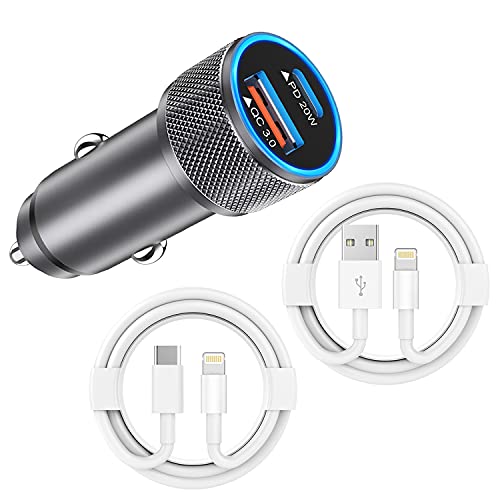 iPhone Car Charger,USB C Fast Car Charger[Apple MFi Certified] Apple Car Charging 38W Dual Port CarCharger Cigarette Lighter Adapter 2x3ft PD&QC 3.0 Lightning Cable for iPhone 14/13/12 Pro/11/Airpods
 Auto Car Dent Repair Puller Head Paintless-Dent Repair Removal Kit for Slide Hammer Pulling Tab Adapter Pulling Tabs Car Aluminum-alloy Puller Head Adapter Screw Glue-tabs for Slide Hammer and