How Much Antifreeze Does a Car Hold: Essential Guide
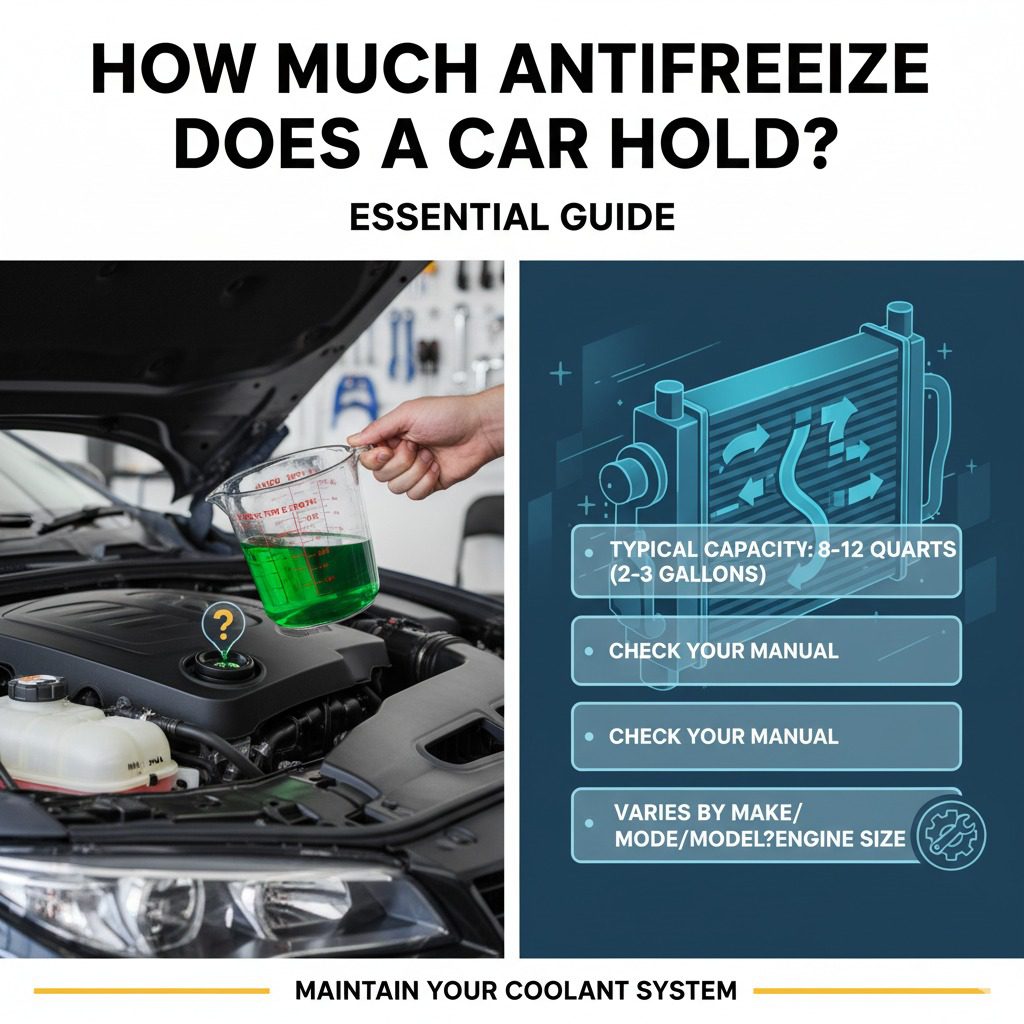
Your car’s cooling system typically holds between 2 to 5 gallons of coolant (antifreeze mixed with water). The exact amount varies by make and model. This guide will help you find your car’s specific capacity and understand why it’s important for protection and performance.
Ever noticed that little graphic on your dashboard that looks like a thermometer? That’s your engine’s temperature gauge, and it’s crucial for your car’s health. Keeping that temperature just right is the job of the coolant, often called antifreeze, which circulates through your engine. But if you’re wondering, “How much antifreeze does a car hold?” you’re not alone. It’s a common question, and getting it right is key to preventing overheating in the summer and freezing in the winter.
Don’t worry if you’re new to car maintenance. Figuring out your car’s coolant capacity is easier than you think. We’ll walk through it step-by-step, so you can feel confident about keeping your engine cool and protected. Ready to dive in and learn all about your car’s cooling system capacity?
Understanding Your Car’s Cooling System
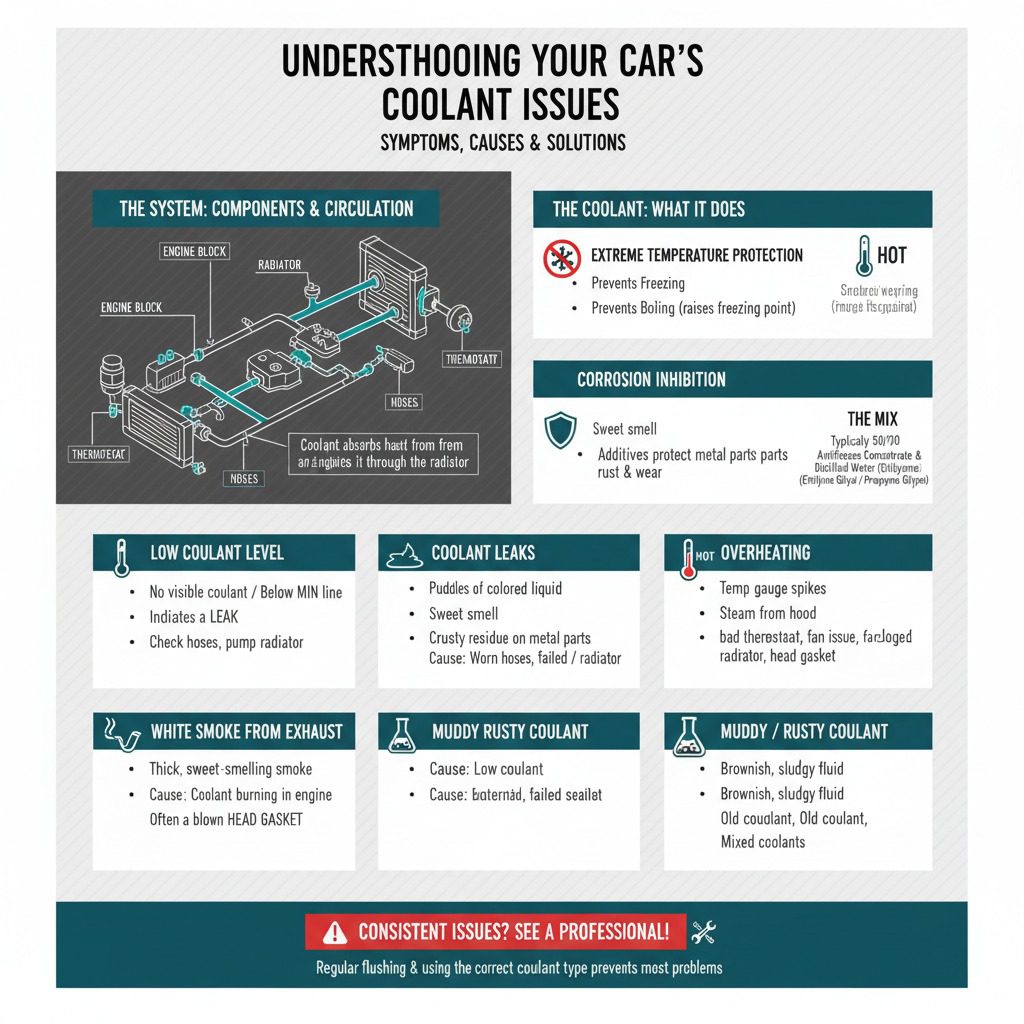
Your car’s engine generates a tremendous amount of heat when it runs. Without a proper cooling system, this heat would quickly cause critical engine parts to warp, melt, or seize up. The cooling system’s main job is to absorb this excess heat and dissipate it into the air. The star player in this system is the coolant, a special mixture designed to withstand extreme temperatures.
Coolant is typically a 50/50 mix of antifreeze concentrate and distilled water. Antifreeze itself is usually ethylene glycol or propylene glycol. This mixture is vital because it:
- Prevents Freezing: Pure water freezes at 32°F (0°C). Antifreeze lowers the freezing point of the mixture, stopping it from freezing and expanding inside your engine during cold weather – a catastrophic event that can crack the engine block.
- Prevents Boiling: Pure water boils at 212°F (100°C). The pressurized cooling system, along with antifreeze, raises the boiling point significantly, preventing the coolant from boiling over even in hot conditions.
- Inhibits Corrosion: Coolant contains additives that protect the metal components of your cooling system (like the radiator, water pump, and engine block) from rust and corrosion.
The coolant circulates through the engine block and cylinder head, absorbing heat. It then travels to the radiator, where air flowing through its fins cools the hot coolant. A thermostat regulates the coolant flow, ensuring the engine warms up quickly and maintains an optimal operating temperature.
How Much Antifreeze Does a Car Hold? The Big Question
The amount of coolant your car can hold, often referred to as its “cooling system capacity” or “coolant capacity,” isn’t a single, universal number. It varies significantly from one vehicle to another. Think of it like the fuel tank capacity – different cars need different amounts of gas.
Generally, most passenger cars and light-duty trucks hold somewhere between 2 to 5 gallons (approximately 7.5 to 19 liters) of coolant. This includes the coolant in the radiator, engine block, heater core (which warms your car’s cabin), and the overflow reservoir or expansion tank.
Several factors influence this capacity:
- Engine Size: Larger engines usually have larger cooling systems and therefore require more coolant.
- Vehicle Type: A small compact car will likely hold less coolant than a full-size SUV or a heavy-duty truck.
- Design of the Cooling System: The specific design and size of the radiator, engine block passages, and heater core all play a role.
Where to Find Your Car’s Specific Coolant Capacity
Knowing the exact amount of coolant your car needs is crucial for several reasons, especially when you’re topping it off or performing a flush and fill. Too little coolant means the system won’t be effective; too much can also cause problems. Here’s how to find your car’s specific capacity:
1. Owner’s Manual: Your Best Friend
The most accurate and recommended source of information is your vehicle’s owner’s manual. Car manufacturers provide detailed specifications for all essential fluids, including the cooling system capacity. Look in the index under “Cooling System,” “Capacities,” or “Specifications.”
If you can’t find your physical manual, many manufacturers offer digital versions on their official websites. You’ll usually need to enter your car’s Year, Make, and Model to access it.
2. Online Resources and Automotive Databases
If the owner’s manual is missing, your next best bet is a reliable online automotive resource. Many websites offer detailed specifications for a vast range of vehicles. Search for your car’s year, make, model, and engine size, followed by “coolant capacity.”
Reputable automotive parts retailers often have tools on their websites where you can input your vehicle information to find compatible products, and these often include system capacities.
3. Consult a Professional (or a Trusted Mechanic)
If you’re still struggling to find the information or are unsure about it, don’t hesitate to ask a qualified mechanic. They have access to extensive databases and service manuals and can quickly tell you the correct capacity for your vehicle.
Typical Coolant Capacities by Vehicle Type
To give you a general idea, here’s a look at typical coolant capacities for different types of vehicles. Remember, these are averages, and your specific car might fall slightly outside these ranges. Always verify with your owner’s manual.
| Vehicle Type | Typical Coolant Capacity (Gallons) | Typical Coolant Capacity (Liters) |
|---|---|---|
| Compact Cars | 2.0 – 3.0 | 7.5 – 11.3 |
| Mid-Size Sedans | 2.5 – 3.5 | 9.5 – 13.2 |
| Full-Size Sedans & SUVs | 3.0 – 4.5 | 11.3 – 17.0 |
| Pickup Trucks (Light-Duty) | 3.0 – 5.0 | 11.3 – 19.0 |
| Heavy-Duty Trucks / Performance Vehicles | 4.0 – 6.0+ | 15.0 – 22.7+ |
Some sources, like the U.S. Department of Energy’s Fuel Economy website, might offer general maintenance tips that indirectly touch upon fluid capacities when discussing vehicle upkeep.
Why Getting the Coolant Level Right Matters
Maintaining the correct coolant level is more than just following a number; it’s about ensuring your engine runs efficiently and reliably, especially in challenging weather. Here’s a breakdown of why it’s so important:
1. Preventing Overheating
When the coolant level is too low, there isn’t enough fluid to absorb and transport heat away from the engine. This can lead to the engine temperature gauge on your dashboard climbing into the red zone, a clear sign of impending overheating. Overheating can cause severe damage, including warped cylinder heads, blown head gaskets, and cracked engine blocks – all very expensive repairs.
2. Preventing Freezing
In colder climates, a proper mix of antifreeze and water is essential. If the coolant concentration is too low (meaning too much water), the mixture’s freezing point will rise. When temperatures drop below freezing, the coolant can turn to ice, expanding and potentially cracking the engine block or radiator. A full and correctly mixed system prevents this disaster.
3. Proper System Pressure
The cooling system operates under pressure, which raises the boiling point of the coolant. The overflow reservoir or expansion tank is designed to safely manage this pressure by allowing excess coolant to expand into it as it heats up and drawing it back into the system as it cools. An improperly filled system can’t maintain the correct pressure, leading to inefficiency and potential damage.
4. Optimal Heater Performance
The heater in your car uses hot coolant from the engine to warm the cabin air. If the coolant level is too low, the heater core may not receive enough hot coolant, resulting in weak or no heat, especially on colder days.
5. System Longevity
Corrosion inhibitors in the coolant protect vital metal components from rust and degradation. Maintaining the correct level ensures these inhibitors are present throughout the system, prolonging the life of your radiator, water pump, and other cooling system parts.
DIY: Checking and Topping Off Your Coolant
Checking your coolant level is a straightforward maintenance task that most car owners can do themselves. It’s recommended to check it periodically, especially before long trips or when the weather is extreme.
When to Check:
- When the engine is COLD: This is critical for safety. The cooling system is under high pressure when the engine is hot.
- Regularly: A good habit is to check it once a month or before any significant road trip.
What You’ll Need:
- Gloves: Coolant can be slightly toxic.
- Safety Glasses: To protect your eyes.
- Distilled Water: For dilution if needed, and for topping off.
- Pre-mixed 50/50 Antifreeze/Water Solution: If your level is low and you need to add more. Ensure it’s the correct type for your car (e.g., OAT, HOAT, P-HOAT).
- Clean Funnel: To avoid spills.
- Rag or Paper Towels: For cleanup.
How to Check the Coolant Level:
- Ensure the Engine is COLD: Park your car on a level surface and let the engine cool down completely for at least 3-4 hours, or preferably overnight. Never open a hot radiator cap.
- Locate the Coolant Reservoir: This is usually a translucent plastic tank attached to the radiator or the firewall. It will have “Min” and “Max” or “Low” and “Full” lines marked on its side.
- Visually Inspect the Level: Look at the coolant level inside the reservoir. It should be between the “Min” and “Max” marks.
- Check the Radiator Cap (If Necessary): If the reservoir is empty or very low, or if you have an older car without a distinct reservoir, you might need to check the radiator cap directly. Make sure the engine is completely cold. Carefully turn the radiator cap counter-clockwise one-quarter turn to release any residual pressure, then push down and continue turning counter-clockwise to remove it. The coolant level should be right to the top of the radiator neck. If not, you’ll need to add coolant.
How to Top Off Your Coolant:
- Choose the Right Type: Consult your owner’s manual to ensure you use the correct color and type of antifreeze (e.g., green, orange, pink, blue). Using the wrong type can cause corrosion and damage. A common specification to look for is based on American ASTM International standards for automotive coolants.
- Use Pre-mixed Solution: For topping off, it’s usually best to use a 50/50 pre-mixed antifreeze and distilled water solution. This ensures the correct mixture ratio.
- Add Coolant to the Reservoir: Slowly pour the pre-mixed coolant into the reservoir until it reaches the “Max” or “Full” line. Do not overfill.
- Add Coolant to the Radiator (If Checked Directly): If you checked the radiator directly, add the pre-mixed coolant until it reaches the neck of the radiator. Then, replace the radiator cap securely.
- Dispose of Old Coolant Properly: Never pour used coolant down drains or onto the ground. It’s toxic. Many auto parts stores and recycling centers accept used coolant for proper disposal.
When to Perform a Coolant Flush and Fill
Over time, the additives in coolant break down, and it can become less effective at protecting your engine. It can also pick up rust and sediment from inside the cooling system. This is why manufacturers recommend a coolant flush and fill at specific intervals.
Signs Your Coolant Needs Changing:
- According to Maintenance Schedule: This is the most important indicator. Check your owner’s manual for the recommended service interval (e.g., every 30,000 miles or 2-3 years for conventional coolants, longer for extended-life coolants).
- Cloudy or Dirty Coolant: If the coolant in the reservoir looks murky, discolored, or has debris floating in it, it’s time for a change.
- Rust or Scales: Visible rust or scale deposits in the reservoir or radiator neck indicate corrosion is occurring.
- Engine Overheating: If your car is starting to overheat more frequently, even with a seemingly correct coolant level, the coolant might be old or degraded.
The Coolant Flush and Fill Process:
A coolant flush involves draining the old coolant, filling the system with a flushing agent (sometimes just plain water or a specialized cleaner) and running the engine for a while to clean out the system, then draining that flush solution, and finally refilling the clean system with fresh, properly mixed coolant.
This process can be done at home by experienced DIYers, but it requires a bit more knowledge and specific tools, including a drain pan, hose, and possibly a drain plug wrench. If you’re not comfortable with this, it’s a service best left to a professional mechanic who can ensure the system is properly bled of air afterward, which is crucial for optimal performance.
Common Antifreeze Types and Colors
You’ll notice that antifreeze comes in different colors. While color can be an indicator, it’s not a foolproof way to identify the type. Different manufacturers use different dye colors for their specific formulations. Always confirm the type recommended by your car’s manufacturer.
Common Types:
- IAT (Inorganic Additive Technology): Often traditional green or blue. These are older formulations with inorganic inhibitors (silicates, phosphates) that can corrode over time and require frequent changes.
- OAT (Organic Acid Technology): Often orange, red, or pink. These have organic acid inhibitors that last longer and don’t deplete as quickly. They are generally not compatible with IAT coolants.
- HOAT (Hybrid Organic Acid Technology): Often orange, yellow, blue, or green. These combine IAT and OAT properties, offering longer life than traditional IAT but may contain silicates or phosphates.
- P-HOAT (Phosphate Hybrid Organic Acid Technology): A variation often used by Asian manufacturers.
Crucial Note: Mixing different types of antifreeze can cause the inhibitors to clump together, reducing their effectiveness, clogging the cooling system, and potentially leading to corrosion and overheating. Always use the type specified in your owner’s manual.
Troubleshooting Common Coolant Issues
Even with careful maintenance, you might encounter some issues. Here are a few common ones and what they might mean:
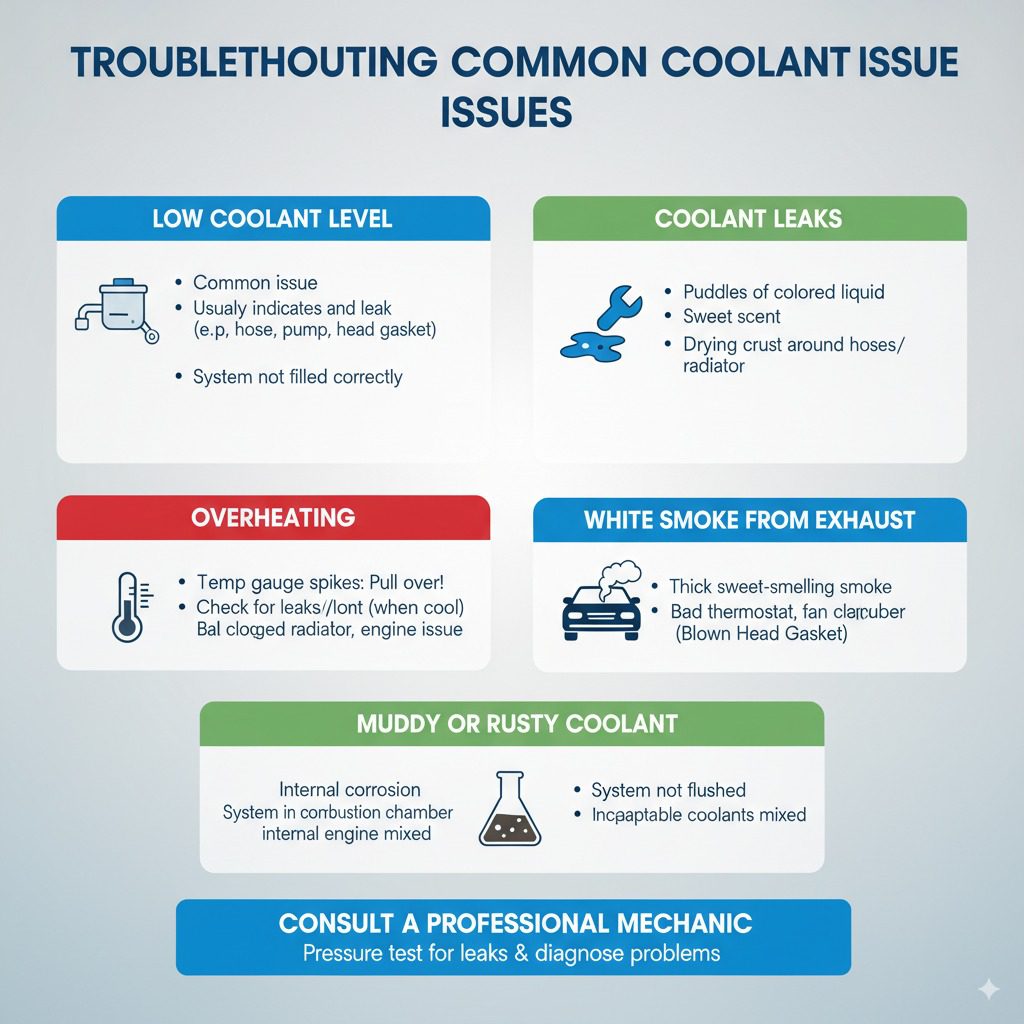
- Low Coolant Level: As discussed, this is the most common issue. It usually indicates a leak somewhere in the system (e.g., radiator hose, water pump seal, heater core, head gasket) or that the system wasn’t filled correctly after service.
- Coolant Leaks: You might see puddles of colored liquid under your car, smell a sweet scent, or notice signs of drying coolant crust around hoses or the radiator.
- Overheating: If the temperature gauge spikes, pull over safely and turn off the engine. Check for obvious signs of leaks or low coolant once it’s cooled. It could be a bad thermostat, a malfunctioning cooling fan, a clogged radiator, or a more serious internal engine issue.
- White Smoke from Exhaust: Thick, white, sweet-smelling smoke can indicate that coolant is leaking into the combustion chamber, often due to a blown head gasket.
- Muddy or Rusty Coolant: This suggests internal corrosion is happening. The system might not have been flushed at the recommended intervals, or incompatible coolants were mixed.
If you suspect a leak or are experiencing consistent overheating, it’s best to have your car inspected by a professional mechanic. They can pressure test the system to find leaks and diagnose other potential problems.
Frequently Asked Questions (FAQ)
Q1: How much antifreeze do I need to buy if I’m doing a full flush?
A: The amount of antifreeze you need depends on your vehicle’s cooling system capacity. Here’s how to figure it out:
- Check your owner’s manual – It will list the total cooling system capacity in quarts or liters.
- Full flush requirement – If you’re doing a full flush, you’ll usually need enough antifreeze to completely refill the system, often a little extra to account for any spillage.
- Mixing ratio – Most antifreeze is mixed 50/50 with water (unless you buy pre-mixed). So if your system holds 10 quarts (9.5 liters) total, you’d need 5 quarts antifreeze + 5 quarts water if mixing yourself. If you use pre-mixed, you’ll need the full 10 quarts of pre-mixed antifreeze.
Tip: It’s always better to buy slightly more than the exact capacity—you can store leftover antifreeze for future top-ups.