How Much Brake Fluid Is Normal For A Car? What To Know
It’s a question that pops into many drivers’ minds, often when they’re already feeling a bit uneasy about their car: “How much brake fluid should be in my car?” Seeing the fluid level dipping can be a real worry. You rely on your brakes every single day. Knowing if everything is as it should be can bring a lot of peace of mind.
This guide is here to help. We’ll break down what a normal brake fluid level looks like. We’ll also talk about why it might be low.
Plus, we’ll cover what you can do. You’ll feel more confident about your car’s safety. Let’s get your brake system understood.
The typical brake fluid level in a car’s reservoir is between the “MIN” and “MAX” lines marked on the reservoir itself. A slight drop over time can be normal due to pad wear, but a significant decrease often signals a leak or another issue that needs checking.
Understanding Your Car’s Brake Fluid Level
Brake fluid is the lifeblood of your braking system. When you press the brake pedal, it’s this special fluid that pushes the brake pads against the rotors. This action stops your wheels.
So, the amount of fluid is super important for safe driving.
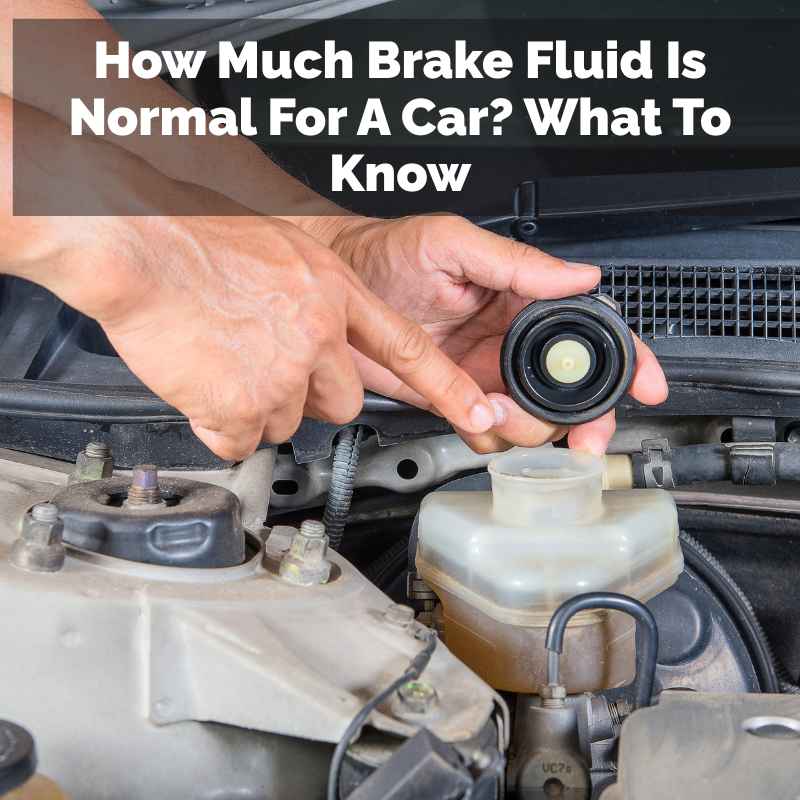
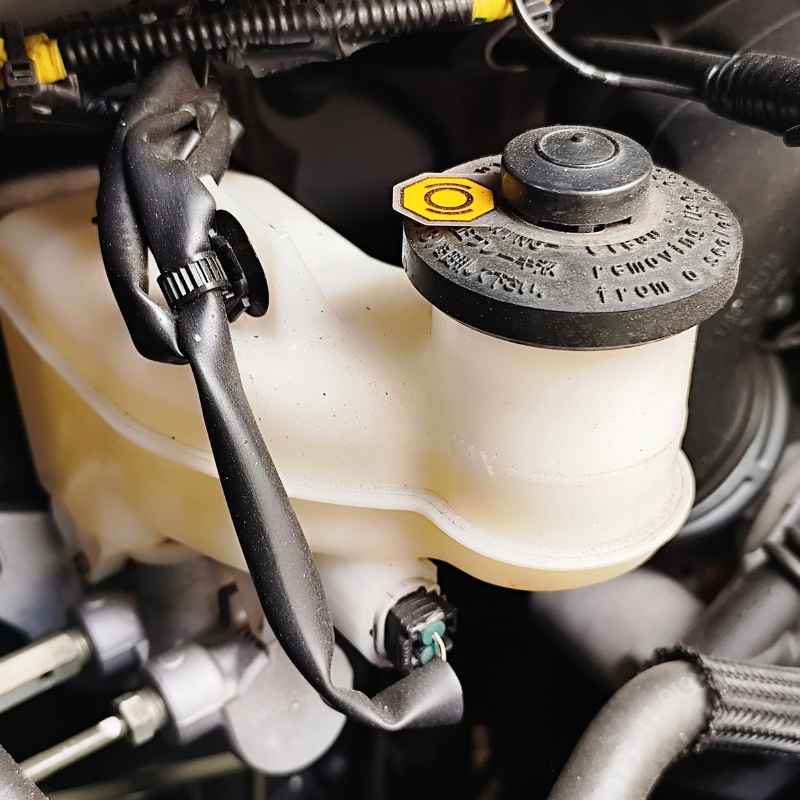
The master cylinder is where you’ll find the brake fluid reservoir. It’s usually a small, translucent plastic tank. Most of these reservoirs have clear markings on their sides.
These marks are typically labeled “MIN” and “MAX”. Your brake fluid level should always be somewhere between these two lines. It’s a simple visual check that tells you a lot.
Think of it like the oil dipstick in your car. It gives you a quick reading of a vital fluid. Seeing the fluid level near the “MAX” line is ideal.
It means your system is full and ready to work. As your brake pads wear down over time, the brake fluid level will naturally drop a little. This is because the brake calipers have to extend further to grip the rotors.
This uses up a bit more fluid in the system. So, a small dip isn’t always a red flag.
However, if the fluid level drops significantly, or if it’s below the “MIN” line, that’s when you need to pay attention. It could mean there’s a leak somewhere. Or, it might point to another problem that needs fixing.
The system is designed to keep the fluid contained. Any noticeable drop usually means something isn’t quite right. It’s your car’s way of telling you it needs a look.
My Own Brake Fluid Scare
I remember one crisp autumn evening. I was driving home from a friend’s house. The road was a bit winding, and the leaves were starting to fall.
As I slowed down for a turn, my brake pedal felt… soft. It didn’t feel as firm as usual. My heart did a little jump.
My mind immediately went to the brake fluid.
I pulled over safely and popped the hood. I’d recently had my brake pads replaced, and I knew the fluid level had been checked then. I found the reservoir.
It was one of those moments where your hands shake just a tiny bit. I squinted to see the lines. And it was definitely lower than I expected.
Not critically low, but lower than “MAX”. I felt a wave of unease. What if it was a leak?
What if I couldn’t get home safely? The thought was scary. Luckily, I was only a few miles from home.
I drove very carefully, feathering the brakes. When I got to my garage, I called my mechanic right away. It turned out there was a very small weep from one of the brake lines.
It wasn’t a gushing leak, but enough to make the pedal feel different. It was a good reminder that even small changes matter.
Why Brake Fluid Level Matters
Function: Brake fluid transmits force from the pedal to the brakes.
Safety: Proper level ensures effective stopping power.
Warning: Low fluid often means a leak or worn parts.
When is Brake Fluid Level Normal?
So, what exactly counts as “normal”? For most cars, when the engine is off and the car is on a level surface, the brake fluid level should sit comfortably between the “MIN” and “MAX” markers on the reservoir. If it’s close to the “MAX” line, that’s generally a good sign.
It means there’s enough fluid to operate the braking system effectively.
As brake pads wear, they get thinner. To compensate, the pistons in the brake calipers have to push further out. This movement of the pistons uses up a small amount of brake fluid from the reservoir.
Think of it like a piston in a syringe. When it moves further, it takes up more space. This causes the overall fluid level in the reservoir to drop slightly.
This is a gradual process. It happens over thousands of miles.
For example, if your brake pads are about halfway worn, you might see the fluid level drop maybe an inch or so below the “MAX” line. This is perfectly normal. Your mechanic will check this during regular service.
They might even top it up a bit to bring it back closer to the “MAX” line. However, they’ll also be looking to see why it dropped. Is it just normal wear, or something else?
It’s also important to note that you should not just top up brake fluid without checking why it’s low. Brake fluid absorbs moisture from the air over time. This can lower its boiling point.
This makes it less effective in hot braking conditions. Replacing old brake fluid is part of regular maintenance. Simply adding more fluid without addressing potential issues can mask a problem.
The type of brake fluid also matters. DOT 3, DOT 4, and DOT 5.1 are the most common. They are glycol-based.
DOT 5 is silicone-based and not compatible with others. Always use the type recommended in your car’s owner’s manual. Mixing types can damage your braking system.
So, “normal” also means having the correct fluid type.
Signs Your Brake Fluid Level Isn’t Normal
Your car often gives you clues when something isn’t right. With brake fluid, there are a few common signs to watch out for. These are things you might notice during your regular driving, or during a quick check under the hood.
1. Soft or Spongy Brake Pedal: This is a big one. If your brake pedal feels mushy or sinks closer to the floor when you press it, it could mean there’s air in the brake lines.
Air can get in if the fluid level is too low, or if there’s a leak. This is a serious safety concern. It means your brakes aren’t working as well as they should be.
2. Brake Warning Light: Most cars have a dashboard warning light that looks like a brake disc or says “BRAKE”. This light can come on for several reasons.
One reason is low brake fluid. The sensor in the reservoir detects the low level and alerts you. Don’t ignore this light.
It’s a direct signal that something needs immediate attention.
3. Leaks Under Your Car: If you notice small, colored puddles under your car, especially near the wheels or the master cylinder area, this could be brake fluid. Brake fluid is typically yellowish or amber.
It might look a bit oily. If you see these puddles regularly, it’s a strong indicator of a leak. This is a critical issue.
4. Visible Drop in Reservoir Level: As we talked about, the reservoir has MIN and MAX lines. If you check and see the fluid level is significantly below the MIN line, or even empty, that’s not normal.
This means a large amount of fluid has been lost. This almost certainly points to a leak or a major system failure.
5. Strange Noises: While not directly a fluid level sign, sometimes a brake system issue related to low fluid can cause grinding or squealing noises. This is because the pads might not be engaging properly, or there’s air causing issues in the lines.
Common Brake Fluid Issues to Watch For
- Soft Pedal Feel: Indicates air in lines or low fluid.
- Brake Warning Light: Dashboard alert for system problems.
- Fluid Puddles: Leaks under the car, often near wheels.
- Low Reservoir Level: Significantly below MIN line.
Why Does Brake Fluid Level Drop?
There are a few main reasons why your brake fluid level might be lower than it should be. Understanding these can help you pinpoint the problem. It’s not always the same cause for everyone.
Let’s look at the most common culprits.
1. Normal Brake Pad Wear: As I’ve mentioned, this is the most common and often the only “normal” reason for a slight, gradual decrease in brake fluid level. When brake pads wear down, the caliper pistons have to move further out to apply pressure.
This action draws more fluid from the reservoir into the caliper. Over time, this can lower the level in the master cylinder reservoir. If your car has many miles on it and you notice the fluid is closer to the MIN line, it’s often just a sign your pads need changing soon.
It’s important to have your mechanic check the pad thickness at the same time.
2. Leaks in the Brake System: This is the most serious cause. Leaks can happen in several places:
- Brake Lines: These are metal or rubber hoses that carry the fluid. They can corrode, rust, crack, or get damaged from road debris. If a line has a hole, fluid will escape.
- Calipers: The brake calipers themselves have seals. If these seals fail, fluid can leak out from around the piston within the caliper.
- Wheel Cylinders: In some older drum brake systems, wheel cylinders can also develop leaks.
- Master Cylinder: The master cylinder itself has seals. If these fail internally, fluid can leak out, sometimes into the brake booster or onto the firewall.
Any leak means you are losing brake fluid. This reduces the system’s ability to stop your car effectively. A leak is something that needs immediate repair.
3. A Faulty Master Cylinder: The master cylinder is the heart of the brake system. It converts the force from your foot on the pedal into hydraulic pressure.
If the seals inside the master cylinder are damaged, it can fail to hold pressure. This can lead to a slow leak internally, or a loss of fluid that’s harder to spot. Sometimes, a faulty master cylinder will cause the pedal to slowly sink under pressure, even if the fluid level doesn’t drop dramatically.
4. Evaporation (Very Rare): Brake fluid is designed to be stable. However, in extremely old systems with compromised seals, a tiny amount of evaporation might occur over many, many years.
This is not a common cause for a noticeable drop in fluid level. It’s far more likely to be a leak or wear and tear.
Common Causes for Low Brake Fluid
Normal Wear
Brake pads get thinner, pistons extend, fluid level drops slightly.
Brake Line Leaks
Hoses or metal lines can corrode or get damaged.
Caliper Issues
Seals in the brake calipers can fail.
Master Cylinder Fault
Internal seals can wear out, causing leaks.
How to Check Your Brake Fluid Level
Checking your brake fluid level is a simple task that anyone can do. It’s a great habit to get into. You don’t need to be a mechanic to do this.
Make sure your car is parked on a flat, level surface. Also, ensure the engine has been off for a while, so the fluid is cool. Hot fluid expands, which can give you a false reading.
Safety first!
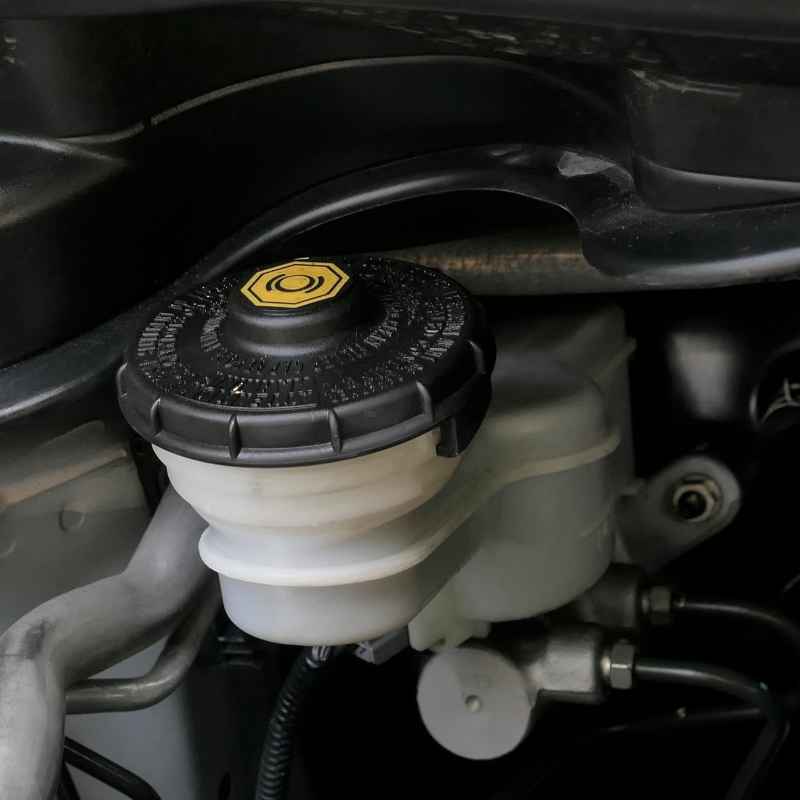
Step 1: Locate the Brake Fluid Reservoir. It’s usually on the driver’s side of the engine bay. It’s a small, often black or grey, plastic container with a cap. The cap usually has a brake symbol on it.
It’s often near the firewall, which is the metal wall separating the engine from the cabin.
Step 2: Look for the MIN and MAX Lines. The reservoir will have markings on its side. These lines indicate the acceptable range for the brake fluid level. Take a good look.
You should be able to see the fluid level clearly.
Step 3: Assess the Level. Is the fluid level between the MIN and MAX lines? If it’s near the MAX line, that’s great. If it’s somewhere in the middle, that’s usually fine too.
If it’s close to or below the MIN line, that’s a signal to investigate further. You might need to add fluid or get it checked for leaks.
Step 4: Check the Fluid Color. While you’re there, take a look at the fluid’s color. New brake fluid is usually clear or slightly amber. Over time, it can darken.
If it looks very dark, almost black, or cloudy, it might be time for a brake fluid flush. Old fluid loses its effectiveness and can hold moisture.
Important Note: When you check the fluid level, do not open the reservoir cap unless you intend to add fluid or bleed the brakes. The cap creates a seal. Opening it can allow moisture and dirt to enter the system.
This can contaminate the fluid. If you see the level is low, and you decide to add fluid, make sure you use the correct type specified in your owner’s manual. Do not overfill past the MAX line.
If you’re unsure at any point, it’s best to consult a qualified mechanic.
Simple Brake Fluid Check Steps
- Park on a level surface.
- Turn off the engine and let it cool.
- Locate the brake fluid reservoir (usually near the firewall).
- Find the MIN and MAX lines on the reservoir.
- Observe the fluid level – is it between the lines?
- Note the fluid color – clear/amber is good; dark/cloudy needs attention.
What to Do If Your Brake Fluid is Low
If you’ve checked your brake fluid and found it to be low, don’t panic. But also, don’t ignore it. Your next steps depend on how low it is and what you suspect the cause might be.
Scenario 1: Fluid is slightly below the MAX line, but still well above MIN.
This might be normal wear. The best course of action is to schedule an appointment with your mechanic. They can inspect your brake pads and the rest of the braking system.
They’ll confirm if it’s just pad wear. They can also top up the fluid if needed. This is a good time to ask them about the fluid’s age.
If it’s old, a flush might be recommended.
Scenario 2: Fluid is close to the MIN line, or just below it.
This is a more significant drop. It suggests a potential issue beyond normal wear. You should have your car inspected by a mechanic as soon as possible.
Driving with critically low brake fluid is dangerous. While waiting for your appointment, drive very cautiously. Avoid long trips or driving in heavy traffic if possible.
Avoid adding fluid yourself unless you know exactly what you’re doing and what type to use.
Scenario 3: Fluid is well below the MIN line, or the reservoir is empty.
This is a critical situation. Do not drive your car. If you do, you risk brake failure. Call for a tow truck to take your car to a mechanic.
This level of fluid loss indicates a serious leak or a major component failure. Driving it could lead to a dangerous accident. Your brakes need to be fixed before the car is driven again.
Adding Brake Fluid (If Necessary and Advised):
If your mechanic advises you to add fluid, or if you’re in an emergency and need to top it up slightly to reach a service center (and you have confirmed the correct fluid type), here’s how:
- Ensure the engine is off and cool.
- Carefully open the reservoir cap.
- Slowly pour in the correct type of brake fluid.
- Do not fill past the MAX line. Overfilling can cause problems.
- Replace the cap securely.
Again, this is a temporary measure if you are certain it is safe and appropriate. The underlying cause must be addressed.
Brake Fluid Flush:
Brake fluid absorbs moisture. Over time, this lowers its boiling point. This means it can boil under heavy braking, leading to brake fade (a soft pedal).
Most manufacturers recommend flushing and replacing brake fluid every 2-3 years, regardless of mileage. If your fluid is old and dark, this service is essential for maintaining optimal braking performance and preventing corrosion within the system. This isn’t just about the level; it’s about the fluid’s quality.
Immediate Steps for Low Brake Fluid
Slightly Low: Schedule mechanic visit. Pad wear likely.
Moderately Low: Get inspected ASAP. Drive cautiously.
Critically Low/Empty: Do NOT drive. Tow to mechanic.
Fluid Flush: Consider every 2-3 years for fluid quality.
Real-World Context: The Impact of Low Brake Fluid
Let’s paint a picture of what happens in a real car when brake fluid levels aren’t right. Imagine driving on a busy highway. Cars are braking ahead of you.
You need to slow down smoothly and safely. If your brake fluid is low, the hydraulic pressure needed to engage the brakes effectively is reduced. This means your pedal might feel spongy, or you might need to push harder to get the same stopping power.
In a sudden stop situation, this difference is critical. The milliseconds it takes for the brakes to engage properly, or the extra distance needed to stop, can be the difference between a close call and an accident. Mechanics see this all the time.
A vehicle comes in after a minor fender-bender, and upon inspection, they find extremely low or contaminated brake fluid. It was a contributing factor.
Consider the environment where you drive. If you live in an area with steep hills, like San Francisco or parts of the Appalachian region, your brakes are under more stress. Descending a long, steep grade causes friction and heat.
If your brake fluid has absorbed too much moisture (lowered boiling point), it can actually start to boil. This creates vapor bubbles in the lines. Vapor is compressible, unlike liquid.
So, when you press the pedal, it compresses the vapor instead of pushing the brake pads. This is called “brake fade,” and it can lead to a complete loss of braking power. This is why regular fluid replacement is so important, not just checking the level.
The design of modern cars also plays a role. Anti-lock Braking Systems (ABS) and Electronic Stability Control (ESC) rely heavily on precise hydraulic pressure from the brake fluid. If the fluid level is compromised, these advanced safety systems may not function correctly.
They can become unreliable, or they might not activate at all. This means you lose the benefit of these important safety features. It’s a domino effect.
A simple issue like low brake fluid can compromise multiple safety systems.
Understanding the Risks of Low Brake Fluid
- Reduced Stopping Power: Takes longer to stop your car.
- Brake Fade: Especially on hills; fluid can boil, leading to lost brakes.
- Compromised Safety Systems: ABS and ESC may not work properly.
- Increased Accident Risk: Higher chance of collision in emergencies.
When is a Low Brake Fluid Level NOT a Cause for Alarm?
As we’ve discussed, the primary reason for a slight, gradual dip in the brake fluid level is normal wear of your brake pads. If your car is due for new brake pads, and the fluid level has dropped accordingly, this is generally considered normal. It’s not a sign of a leak or a system failure.
Let’s say you took your car in for an oil change, and the mechanic mentioned your brake pads are about 50% worn. They might also point out that the brake fluid level is down a bit, maybe an inch from the MAX line. In this scenario, it’s highly probable that the fluid level drop is directly related to the worn pads.
The system is functioning as intended, drawing more fluid into the calipers to compensate for the thinner pads.
When this happens, the “fix” isn’t to just top up the fluid. The mechanic will likely recommend replacing the brake pads. Once new, thicker pads are installed, the pistons in the calipers will retract further.
This will push the fluid back into the reservoir, bringing the level back up to the normal range. So, the low fluid level was actually a preview of upcoming maintenance. It told you your brake pads were wearing out.
Another situation might be if your car has been sitting for a very long time. If it was stored improperly and the seals have degraded, you might see a small amount of fluid loss over a prolonged period. However, this is less common than pad wear and should still be investigated to ensure no active leaks.
The key is context. If the fluid level drops suddenly, or if there are other symptoms like a soft pedal or warning lights, it’s never normal. But a gradual decrease that correlates with visible wear on your brake pads is usually the expected behavior of a healthy, albeit aging, brake system component.
Always have a trusted mechanic confirm this.
Quick Fixes and Tips for Brake Fluid
While there aren’t really “quick fixes” for brake system problems, there are important tips and preventative measures you can take. It’s more about maintenance and being aware than a quick patch-up job.
Tip 1: Regular Inspections Are Key. Make it a habit to glance at your brake fluid reservoir every few weeks, especially if you’re under the hood for other reasons. Just a quick look to see if the level is within the normal range. This simple check can catch issues early.
Tip 2: Know Your Fluid Type. Always use the brake fluid type recommended in your car’s owner’s manual. It will specify DOT 3, DOT 4, or sometimes DOT 5.1. These fluids are not interchangeable.
Using the wrong type can damage your seals and other brake components. If you’re unsure, ask a mechanic.
Tip 3: Don’t Top Up Unless Necessary. If your fluid level is slightly low due to normal pad wear, don’t just add more fluid. Wait until your brake pads are
Tip 4: Understand Fluid Age. Brake fluid degrades over time, especially with heat and moisture absorption. Even if the level is fine, old fluid can cause corrosion inside your brake lines and ABS components. Follow your car manufacturer’s recommendation for brake fluid flushes, typically every 2 to 3 years.
Tip 5: Keep the Reservoir Clean. When checking or adding fluid, try not to let dirt or debris fall into the reservoir. Use a clean rag to wipe around the cap before opening it. Contaminants can damage the brake system.
Tip 6: Address Leaks Immediately. If you suspect a leak, don’t delay. Have it repaired by a qualified mechanic. Driving with a leak is extremely dangerous.
Small leaks can quickly become big ones, leading to brake failure.
Essential Brake Fluid Care Tips
- Inspect Often: Check reservoir level routinely.
- Use Correct Fluid: Always use the DOT type specified.
- Avoid Unnecessary Topping Up: Wait for pad replacement.
- Scheduled Flushing: Replace fluid every 2-3 years.
- Maintain Cleanliness: Prevent dirt from entering reservoir.
- Repair Leaks Promptly: Safety first!
Frequently Asked Questions About Brake Fluid Levels
Is it normal for brake fluid to be at the MAX line?
Yes, it is normal and ideal for the brake fluid level to be at or near the MAX line when your brake pads are new or recently replaced. As the pads wear down, the level will naturally decrease.
How often should I check my brake fluid level?
It’s a good idea to check your brake fluid level at least once a month, or more often if you notice any changes in your brake pedal feel or see any warning lights. You can also check it every time you check your oil.
Can I use any type of brake fluid if mine is low?
No, you must use the specific type of brake fluid recommended by your car’s manufacturer, usually found in the owner’s manual. Using the wrong type (e.g., DOT 3 with DOT 4 or DOT 5) can damage your braking system.
What happens if I drive with very low brake fluid?
Driving with very low brake fluid is extremely dangerous. It can lead to significantly reduced stopping power, a spongy or soft brake pedal, and even complete brake failure, greatly increasing your risk of an accident.
My mechanic said I need a brake fluid flush. What is that?
A brake fluid flush involves draining all the old brake fluid from the system and replacing it with new fluid. This is recommended typically every 2-3 years because brake fluid absorbs moisture over time, reducing its effectiveness and potentially causing corrosion.
Is a little bit of brake fluid loss normal over years?
A noticeable drop in brake fluid level over years that isn’t related to normal brake pad wear is usually not normal. It typically indicates a leak somewhere in the brake system that needs to be found and repaired.
Final Thoughts on Brake Fluid
Understanding your car’s brake fluid level is more than just a routine check. It’s a vital part of ensuring your safety on the road. A level between the MIN and MAX marks is what you want to see.
Small drops are often due to normal brake pad wear. But any significant decrease or the appearance of warning lights means it’s time to get professional help.
Regular checks, using the right fluid, and adhering to maintenance schedules will keep your braking system in top shape. Your brakes are one of your car’s most important safety features. Giving them the attention they deserve means you can drive with confidence, knowing you can stop when you need to.
Products related to this article
Sponsored / affiliate links. As an Amazon Associate I earn from qualifying purchases. I may earn additional commission from eligible campaigns.