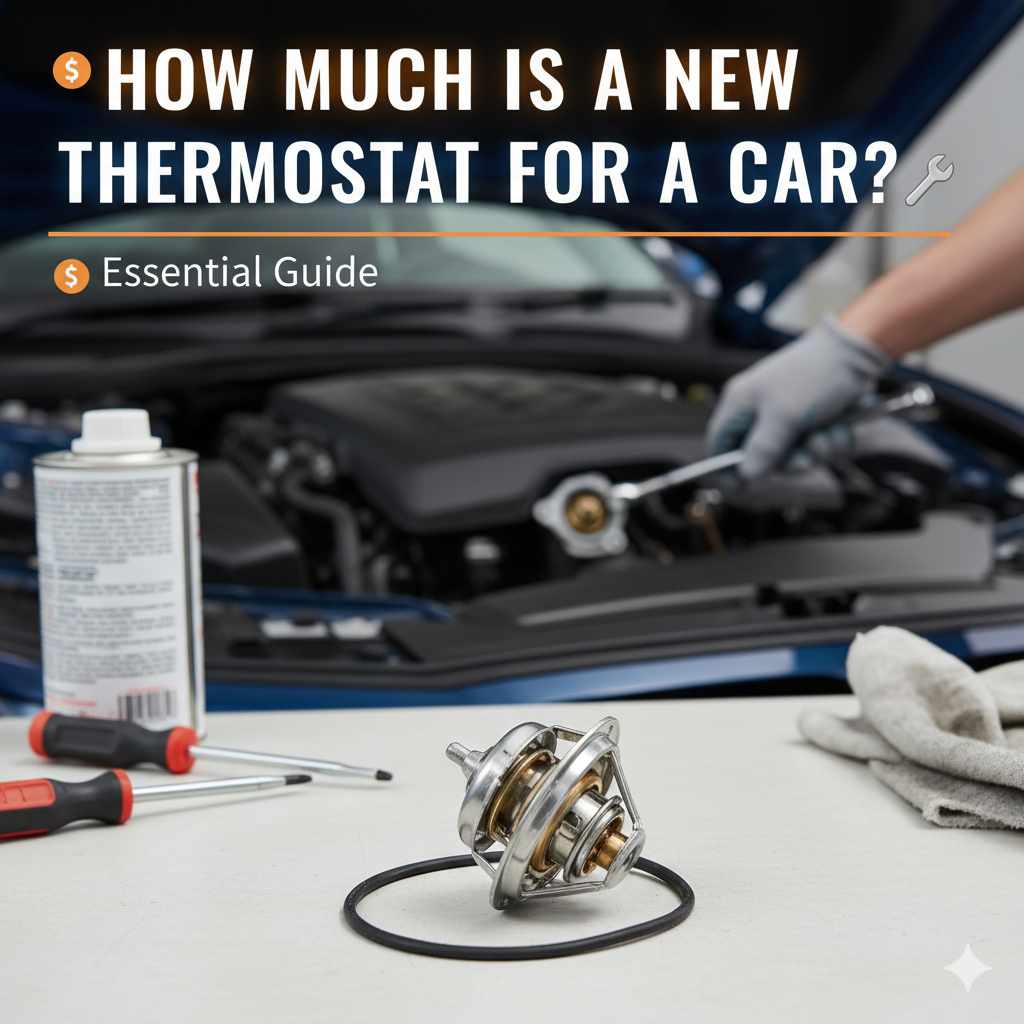
How Much Is a New Thermostat for a Car? Essential Guide
A new car thermostat typically costs between $20 and $100 for the part, with professional installation adding another $75 to $200. DIY replacement can save you labor costs, but the total expense for parts and service usually ranges from $95 to $300 depending on your vehicle and location.
Hey there, car friends! Md Meraj here. Ever notice your car’s temperature gauge acting a little… dramatic? It might shoot up to hot, then back down to cool, or just stay stuck in one place. Often, this points to one small but mighty part: your car’s thermostat. It’s like the tiny gatekeeper of your engine’s temperature, making sure it stays just right. When it’s not working, your engine can get too hot or too cold, which is no good for its health and your wallet. Don’t worry if this sounds a bit technical; we’re going to break down how much it costs to get a new thermostat and what goes into that price. We’ll cover parts, labor, and how you can tackle this yourself if you’re feeling adventurous. Stick around, and you’ll know exactly what to expect!
What Is a Car Thermostat and Why Does It Matter?
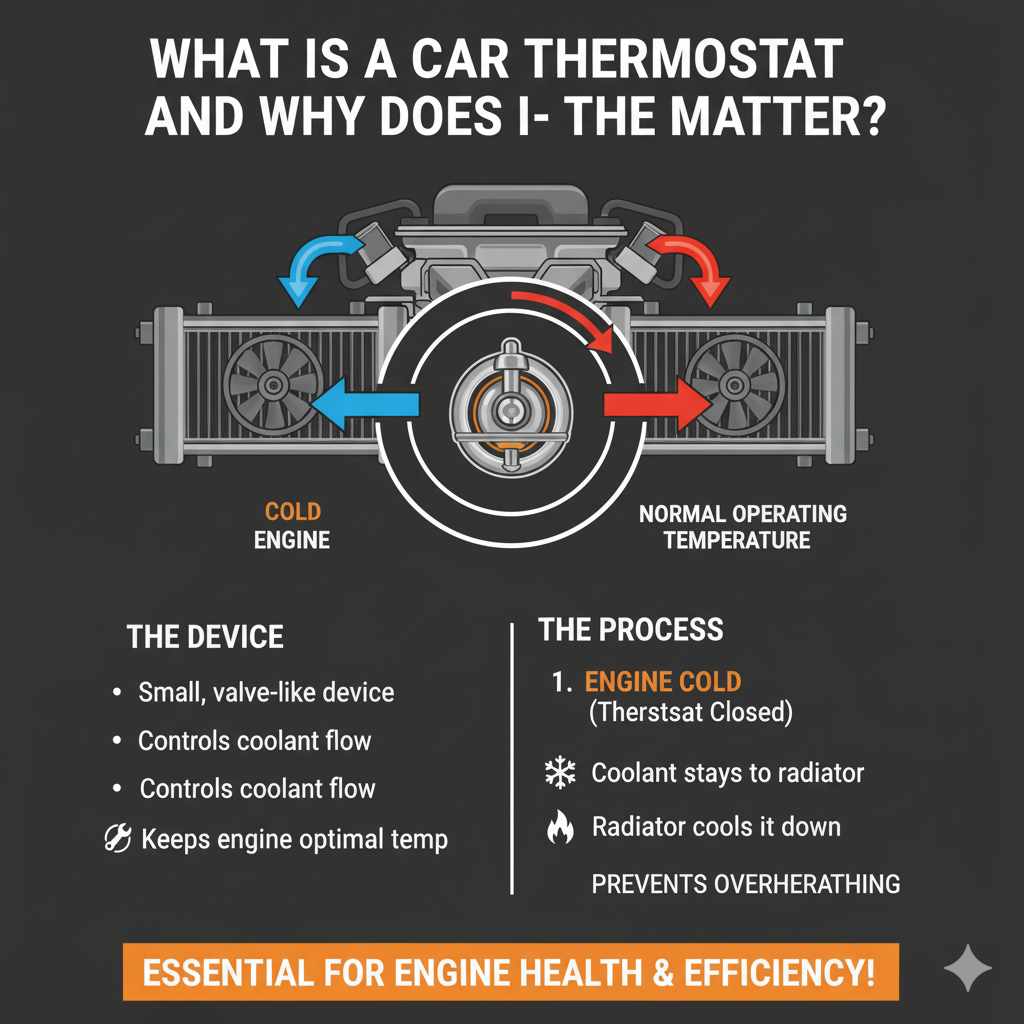
Think of your car’s thermostat as a small, valve-like device that controls the flow of coolant (that’s the liquid that keeps your engine from overheating) around your engine. It’s usually located where the upper radiator hose meets the engine. Its main job is to keep your engine at its optimal operating temperature.
When your engine is cold, the thermostat stays closed, preventing coolant from flowing to the radiator. This allows the engine to warm up faster, which is important for efficiency and reducing wear. Once the engine reaches its normal operating temperature (usually around 200-220°F or 93-104°C), the thermostat opens, allowing coolant to circulate through the radiator. The radiator then cools the coolant down, and it flows back into the engine. This continuous cycle keeps your engine from getting too hot.
Signs of a Failing Car Thermostat
A failing thermostat can cause a few noticeable problems. Recognizing these signs can help you address the issue before it leads to more serious damage.
Engine Overheating: This is the most common sign. If your temperature gauge constantly reads in the red zone, your thermostat might be stuck closed, preventing coolant from cooling.
Engine Not Reaching Operating Temperature: Conversely, if your car’s temperature gauge never seems to get to the middle or stays on the lower end, especially after driving for a while, the thermostat might be stuck open. This means your engine isn’t warming up properly, which can hurt fuel efficiency and emissions.
Steam Coming from Under the Hood: This is a serious sign of overheating and usually means coolant is escaping or boiling.
Poor Heater Performance: Your car’s heater uses hot coolant from the engine. If the thermostat isn’t allowing the coolant to heat up the engine properly, your heater might blow cold air.
Coolant Leaks: Sometimes, a faulty thermostat can leak coolant around its housing.
Check Engine Light: Modern cars have sensors that can detect if the engine temperature is outside the normal range, triggering the “Check Engine” light.
How Much Does a New Car Thermostat Cost? The Breakdown
When you’re asking “how much is a new thermostat for a car?” it’s important to understand that the total cost involves a few different factors. We can break it down into two main parts: the cost of the part itself and the cost of labor if you’re not doing it yourself.
1. Cost of the Thermostat Part
The thermostat is a relatively small and simple mechanical part. As such, the cost of the part itself is usually quite affordable.
Basic Thermostat: For most standard cars, a new thermostat part will cost between $20 and $50.
Premium or Specialized Thermostats: Some vehicles, especially newer models or luxury cars, might use more advanced thermostats or have integrated thermostat assemblies that can cost more, sometimes ranging from $50 to $100+. These might be electronic or include other sensors.
The best way to know the exact cost for your car is to look up the specific part for your year, make, and model. You can usually find this information on auto parts websites like RockAuto or directly from manufacturers. Remember, the price can also vary slightly depending on the brand quality – OE (Original Equipment) parts from the car manufacturer might be pricier than aftermarket parts from reputable brands.
2. Cost of Installation (Labor)
This is where a significant portion of the cost can come in, especially if you take your car to a professional mechanic.
Mechanic Labor Rates: Most mechanics charge by the hour. The time it takes to replace a thermostat can vary greatly depending on the car’s make and model. For some cars, it’s a straightforward job that takes less than an hour. For others, it might be buried deep within the engine, requiring more disassembly and taking 1-2 hours or even more. Mechanic labor rates vary by region but typically fall between $75 and $175 per hour.
Total Installation Cost: Considering the labor rates and the time involved, professional installation for a thermostat replacement can typically cost anywhere from $75 to $200.
3. Total Estimated Cost (Parts + Labor)
Putting it all together, the total estimated cost for a new car thermostat replacement by a professional mechanic usually falls within this range:
| Service | Average Cost Range | Factors Affecting Cost |
|---|---|---|
| Thermostat Part | $20 – $100 | Vehicle make and model, OE vs. aftermarket quality, electronic vs. mechanical type |
| Professional Installation | $75 – $200 | Labor rates, difficulty of thermostat access, local shop pricing |
| Total Estimated Cost | $95 – $300 | Combination of part price, labor time, and shop fees |
It’s always a good idea to get a quote from your mechanic before authorizing any work. Just be aware that some shops might quote a slightly higher price to account for unforeseen issues.
Factors That Influence The Price
Several things can make the final bill higher or lower. Understanding these can help you manage your expectations and budget.
Vehicle Make and Model: As mentioned, luxury cars, European models, or vehicles with complex engine layouts often have higher parts and labor costs. Some cars have thermostats that are harder to access.
Thermostat Type: Basic wax-pellet thermostats are cheaper than electronic or smart thermostats that might be integrated with other engine management systems.
Location: Labor rates can differ significantly based on where you live. Mechanics in major cities usually charge more than those in rural areas.
Shop Type: Dealerships typically have higher labor rates than independent repair shops. However, independent shops may vary greatly in their pricing and expertise.
Additional Repairs: Sometimes, when replacing a thermostat, mechanics will also recommend replacing the coolant, thermostat housing, or hoses if they look worn or damaged. This will, of course, add to the overall cost. It’s often a good idea to do these preventive measures if they’re needed.
Urgency: If you need an emergency repair, you might end up paying more than if you schedule the appointment during a less busy time.
Can You Replace a Car Thermostat Yourself? (DIY vs. Professional)
Replacing a car thermostat is a job that many DIY-ers can tackle. If you’re comfortable working on your car, this can be a great way to save money. The savings can be substantial, as you’ll only be paying for the cost of the thermostat part, usually $20 to $100.
DIY Replacement: What You Need and How to Do It (Simplified)
If you decide to go the DIY route, here’s a simplified overview of what’s involved. Safety first! Always ensure your engine has cooled down completely before starting any work on the cooling system.
Tools You’ll Likely Need:
New thermostat and gasket (make sure it’s the correct one for your car!)
Wrench set and/or socket set
Pliers
Drain pan or bucket (for coolant)
Distilled water and the correct type of coolant for your vehicle (you’ll need to flush and refill the system)
Funnel
Safety glasses and gloves
Rags or shop towels
Basic Steps:
1. Drain the Coolant: Locate the radiator drain plug or a lower radiator hose and place a drain pan underneath. Carefully drain the old coolant. Dispose of old coolant responsibly – it’s toxic!
2. Locate the Thermostat Housing: This is usually attached to the engine where the upper radiator hose connects.
3. Remove the Old Thermostat: Unscrew the bolts holding the thermostat housing, remove the housing, and then carefully take out the old thermostat and gasket. Note the orientation of the old thermostat; it needs to go back in the same way.
4. Clean the Housing: Clean the mating surfaces on the engine and the housing to ensure a good seal for the new gasket.
5. Install the New Thermostat: Place the new thermostat and gasket in the housing, making sure it’s oriented correctly (usually with a spring side facing the engine). Reattach the housing and tighten the bolts evenly and securely.
6. Refill the Coolant: Once the housing is secured, refill the cooling system with the correct mixture of coolant and distilled water.
7. Bleed Air from the System: This is crucial! Your cooling system needs to be free of air bubbles. Systems have different bleeding procedures, often involving running the engine with the heater on high and radiator cap off (or special bleeder screws). Consult your car’s manual or a reliable online guide for your specific model.
8. Check for Leaks: Start the engine, let it warm up, and check carefully for any coolant leaks around the thermostat housing and hoses. Keep an eye on the temperature gauge to ensure it’s operating correctly.
When to Call a Professional:
Lack of Tools or Confidence: If you don’t have the right tools or don’t feel comfortable with the process.
Difficult Accessibility: On some vehicles, the thermostat is very hard to reach, requiring removal of other engine components.
Encountering Complications: If you run into unexpected issues or can’t seem to get it right.
No Time: If you need the repair done quickly and can’t dedicate several hours to it.
Average Lifespan of a Car Thermostat
A car thermostat is a mechanical part that experiences continuous cycles of expansion and contraction due to temperature changes. Like many automotive components, they don’t last forever.
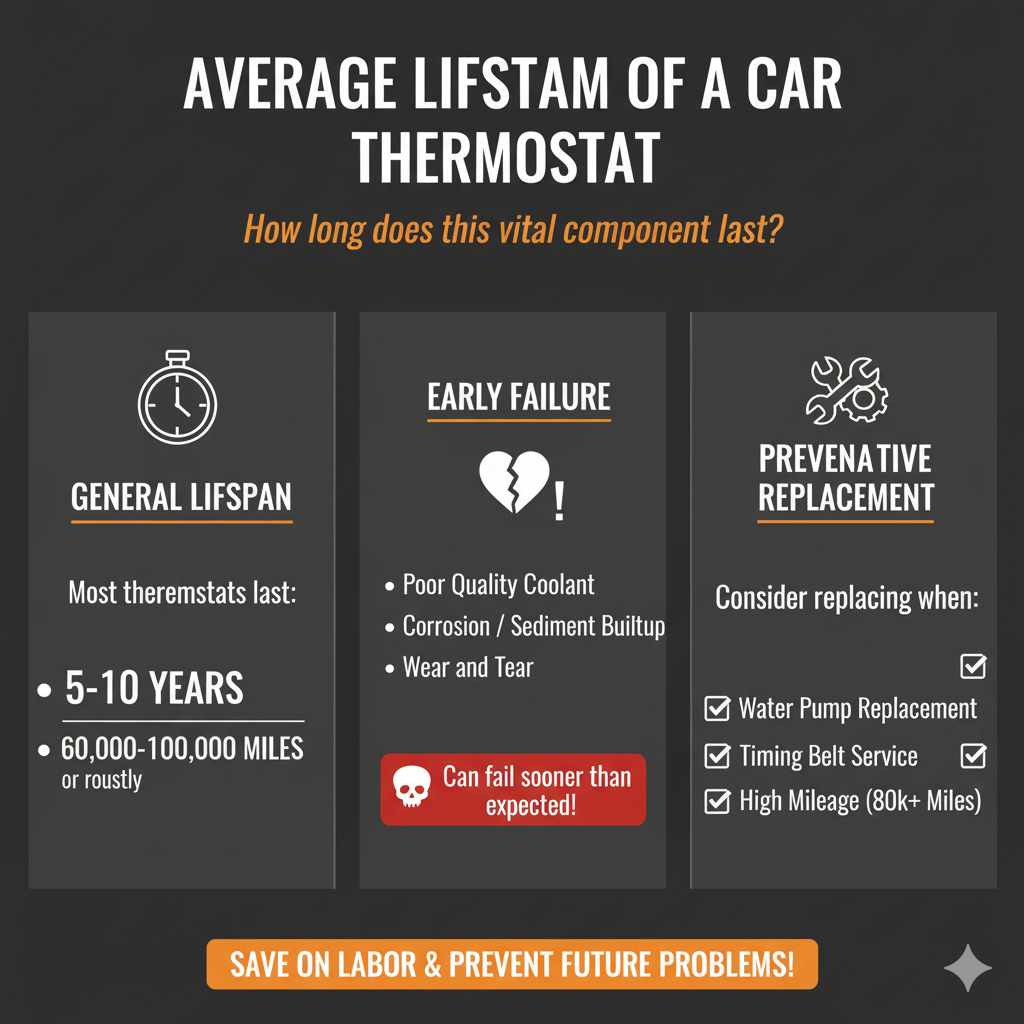
General Lifespan: Most car thermostats are designed to last for many years and miles. A typical lifespan can range from 5 to 10 years, or roughly 60,000 to 100,000 miles.
Early Failure: However, they can fail prematurely. Factors like poor quality coolant, corrosion, sediment buildup in the cooling system, or simply wear and tear can lead to a thermostat failing sooner than expected.
* Preventative Replacement: Some mechanics recommend replacing the thermostat when you replace other cooling system components, like the water pump or timing belt, especially if your car is reaching higher mileage. This can prevent future problems and save on labor costs since the system might already be drained.
Frequently Asked Questions (FAQ)
Here are some common questions beginner car owners have about thermostat replacement costs:
Q1: Is it cheaper to replace a thermostat myself or have a mechanic do it?
Yes, it is almost always cheaper to replace a thermostat yourself. The part typically costs between $20-$100, while professional installation can add $75-$200 in labor costs. By doing it yourself, you’ll save that labor fee.
Q2: Do I need to flush my cooling system when replacing the thermostat?
It is highly recommended to flush and refill your cooling system with fresh coolant when replacing the thermostat. This ensures there’s no old, contaminated coolant affecting the new part and helps maintain the overall health of your cooling system.
Q3: What happens if I ignore a bad thermostat?
Ignoring a bad thermostat can lead to serious engine damage. An engine that overheats can suffer blown head gaskets, warped cylinder heads, or even seize up, leading to very expensive repairs. An engine that runs too cold will be less fuel-efficient and can create more wear over time.
Q4: Can a thermostat cause a car to overheat right away?
Yes, if the thermostat is stuck in the closed position, it will prevent coolant from flowing to the radiator. This can cause the engine to overheat very quickly, sometimes within minutes of starting the car.
Q5: My car’s heater isn’t working. Could it be the thermostat?
Yes, a faulty thermostat can definitely cause your car’s heater to blow cold air. The heater draws heat from the engine’s coolant. If the thermostat isn’t opening to allow coolant to circulate and heat up, your heater won’t get hot air.
Q6: Do all cars have a thermostat?
Almost all modern gasoline and diesel internal combustion engines have a thermostat. It’s a standard component vital for regulating engine temperature and ensuring optimal performance and longevity.
Q7: What kind of coolant do I need for my car?
The type of coolant needed varies by manufacturer and vehicle model. It’s crucial to use the correct type of coolant specified in your car’s owner’s manual. Using the wrong type can lead to corrosion, overheating, and damage to the cooling system components.
Protecting Your Engine for the Long Haul
So, there you have it! Understanding the cost of a new car thermostat is more than just finding a price; it’s about knowing the value of keeping your engine healthy. Whether you decide to brave the DIY route or trust a professional, addressing a faulty thermostat promptly is one of the smartest, and often most affordable, preventative maintenance steps you can take for your vehicle’s well-being.
A new thermostat, often under $100 for the part, can prevent thousands of dollars in potential engine damage down the road. It’s a small investment for great peace of mind. By staying aware of your car’s temperature gauge and addressing unusual behavior, you’re already on the right track to smart car care. Keep those engines running smoothly, and they’ll keep you moving reliably!