How To Clean Vomit: Essential Car Strap Fix
Effectively clean vomit from car seat straps using a simple, step-by-step method. This guide details safe cleaning agents and techniques to remove stains and odors, restoring freshness without damaging the straps, ensuring peace of mind for any car owner.
Accidents happen, and when they involve little ones or a sudden bout of car sickness, the aftermath can be… well, smelly and sticky. The most challenging part often isn’t the seat itself, but those often-overlooked car seat straps. They’re designed to be tough, but they also absorb everything. Don’t worry! Cleaning vomit from car seat straps is totally doable. You don’t need a professional detailer or expensive cleaners. With a few household items and a little patience, you can get those straps looking and smelling like new again. We’ll walk you through it, step-by-step, so you can tackle this common car woe with confidence.
Why Car Seat Straps Are Tricky to Clean
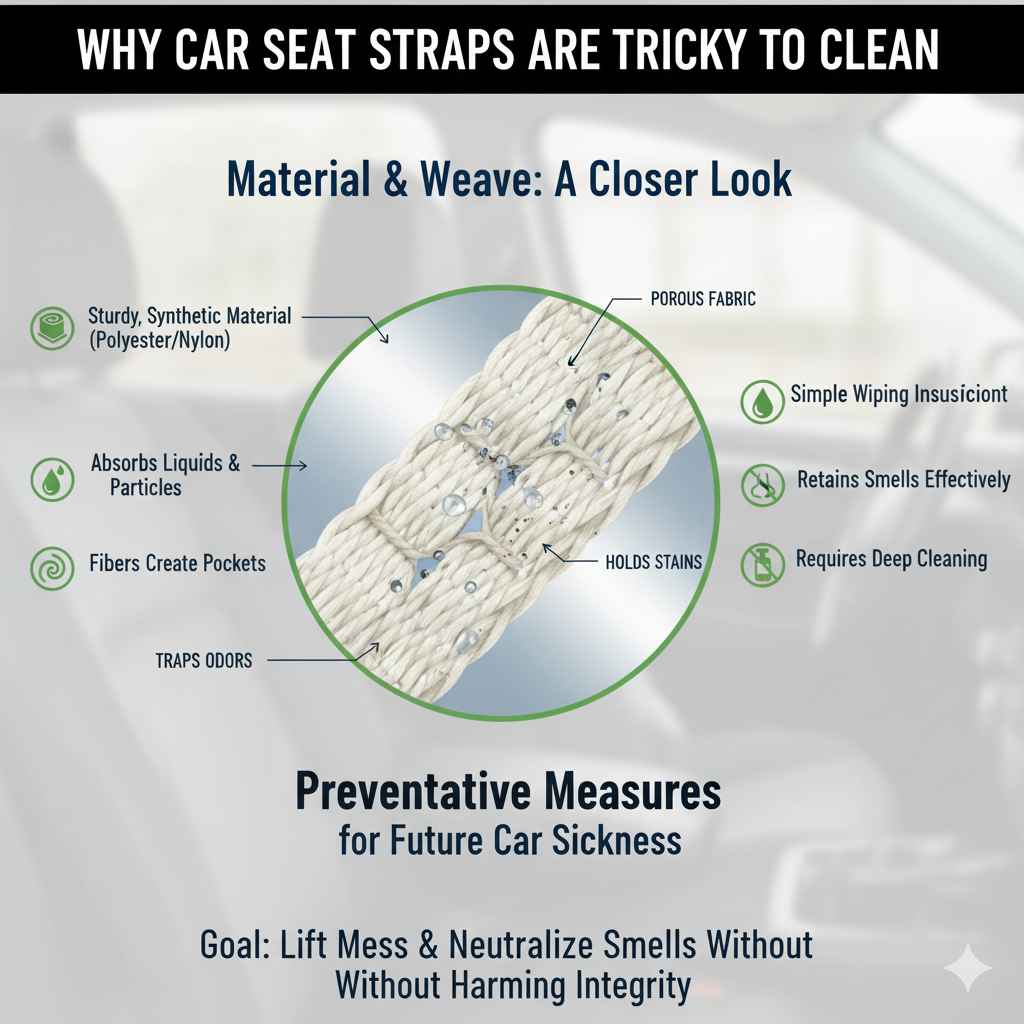
Car seat straps are made from sturdy, synthetic webbing, usually polyester or nylon. This material is great for safety because it’s strong and resistant to stretching. However, this same durability and porous nature means they can hold onto odors and stains quite effectively. Unlike a smooth plastic surface, the woven fibers of the straps provide countless tiny pockets for liquids and particles to seep into. This makes simple wiping often insufficient. The goal is to lift the mess out of these fibers and neutralize any lingering smells without compromising the strap’s integrity.
Understanding the “Don’ts” Before You Start
Before we dive into the how-to, it’s crucial to know what not to do. Some cleaning methods can actually harm your car seat straps or, more importantly, reduce their safety effectiveness. Always remember:
- Never use harsh chemicals: Bleach, ammonia, or strong solvents can weaken the strap material. This could compromise its ability to protect your child in an accident.
- Avoid soaking the straps completely: While you need moisture, fully immersing the straps can be difficult to dry properly and may damage the buckle mechanisms or padding if the straps are integrated.
- Do not machine wash or dry: The intense agitation and heat of washing machines and dryers can also damage the fibers and the stitching of the straps.
- Skip fabric softeners: These can leave a residue that might make the straps slippery, affecting their grip in a crash.
Following these guidelines is key to ensuring the safety and longevity of your car seat. If you’re ever unsure about a cleaning product, always check the car seat manufacturer’s manual. They often provide specific instructions for cleaning and care.
Essential Supplies You’ll Need
Gathering your supplies before you begin will make the process much smoother. You likely have most of these items already in your home.
- Clean cloths or microfiber towels
- A small bowl
- Mild dish soap (like Dawn, known for its grease-cutting power)
- White vinegar
- Baking soda
- Warm water
- An old toothbrush or soft-bristled brush
- Spray bottles (optional, for vinegar/water solution)
- Gloves (optional, for personal comfort)
Step-by-Step Guide to Cleaning Vomit from Car Seat Straps
Let’s get those straps clean! This method focuses on gentle but effective removal of the mess and odor.
Step 1: Prompt Removal of Excess Soiling
The sooner you can address the mess, the easier it will be to clean. Act quickly! If it’s still there, use a damp cloth or paper towel to gently blot up as much of the solid or semi-solid vomit as possible. Avoid wiping, as this can push the mess deeper into the fabric fibers. You want to lift it away. For very solid messes, you might need to carefully scrape it off first with a plastic spoon or a dull knife, being careful not to snag the fabric.
Step 2: Prepare Your Cleaning Solution
In a small bowl, mix about a tablespoon of mild dish soap with a cup of warm water. This gentle concoction is effective at breaking down the organic matter and lifting stains and odors without being harsh on the fabric. You can also prepare a separate spray bottle with a 1:1 mixture of white vinegar and water. Vinegar is a natural deodorizer and disinfectant.
Step 3: Gently Scrub the Straps
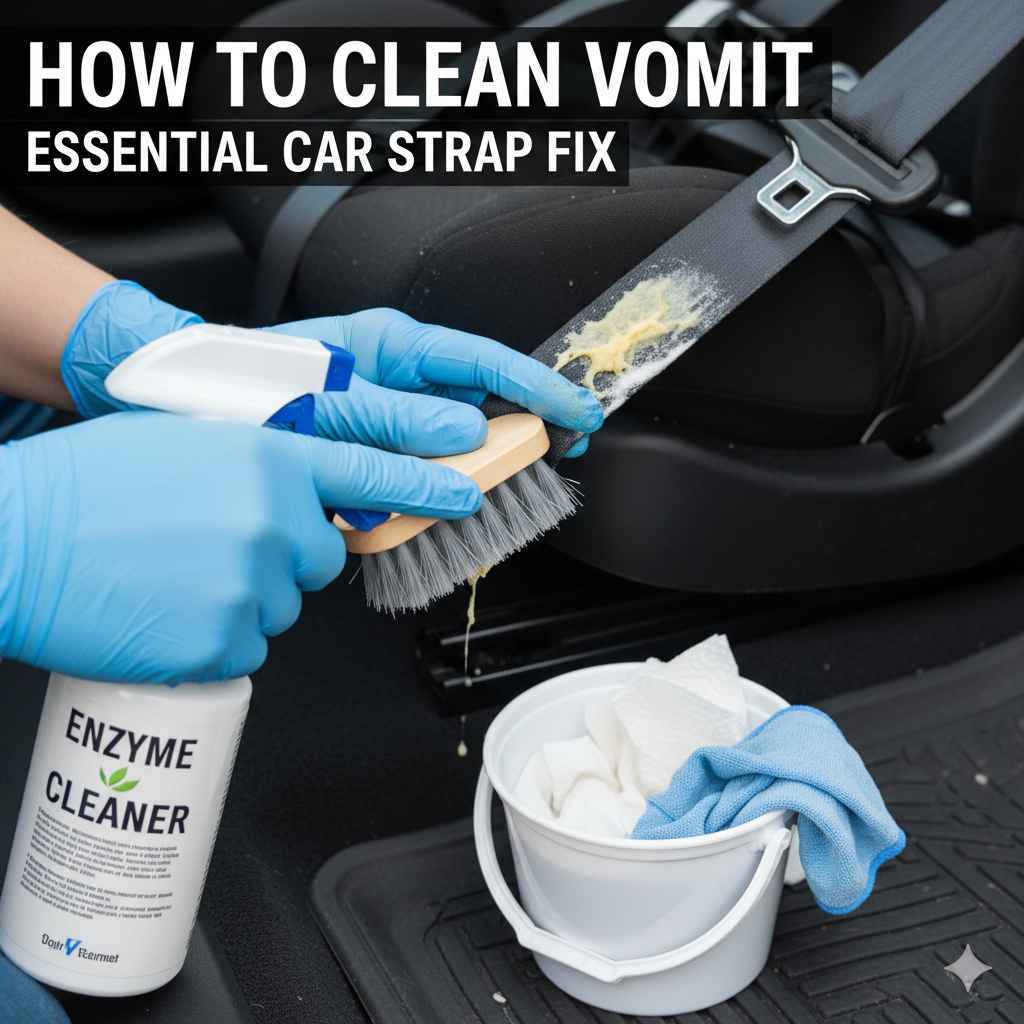
Dip a clean cloth into your soapy water solution. Wring it out well so the cloth is damp, not soaking wet. Carefully wipe down the affected areas of the car seat straps. For any stubborn residue or dried-on bits, use your soft-bristled brush or an old toothbrush dipped in the soapy solution. Gently scrub the area in small, circular motions. The goal is to loosen the residue without damaging the fibers.
Step 4: Rinse the Straps Thoroughly
This is a crucial step to remove soap residue, which can leave a sticky or slippery feel. Rinse your cloth with clean water, wring it out very well, and wipe down all the areas you just cleaned. You might need to rinse and wipe several times to ensure all the soap is gone. Alternatively, you can use a spray bottle filled with clean water to lightly mist the straps, then wipe them with a dry cloth.
Step 5: Tackle Lingering Odors with Vinegar
If an odor persists, it’s time for the vinegar solution. Lightly dampen a clean cloth with the 1:1 white vinegar and water mixture. Wipe down the straps again. Don’t saturate them, just a good wipe-down is enough. The vinegar smell will dissipate as it dries, taking the offending vomit odor with it. For more intense odors, you can lightly spray the vinegar solution directly onto the straps (again, not soaking) and let it sit for a few minutes before wiping down with a clean, damp cloth.
Step 6: Dry the Straps Completely
This is perhaps the most important step to prevent mold or mildew. Use a clean, dry towel to absorb as much moisture as possible. You can also use a fan to speed up the air-drying process. Hang the straps in a way that allows air to circulate freely around them. Ensure they are bone dry before re-buckling or using the car seat. This might take several hours, depending on humidity and airflow.
Step 7: Deodorize with Baking Soda (Optional but Recommended)
Once the straps are completely dry and if any faint odor still lingers, a sprinkle of baking soda can work wonders. Lightly sprinkle baking soda over the dry straps. Let it sit for at least an hour, or even overnight if possible. Baking soda is a natural odor absorber. After it has had time to work, thoroughly brush off all the baking soda using your soft brush or a clean dry cloth. You can also use a vacuum cleaner with a brush attachment to ensure all loose baking soda is removed.
Troubleshooting Stubborn Stains and Odors
Sometimes, a tough stain or a persistent odor needs a little extra attention. Here are some tips:
- For dried-on stains: You might need to re-wet the area with your mild soapy water and gently work at it with the brush for a bit longer. Patience here is key.
- For very strong odors: After the initial cleaning and drying, you can leave a small, open box of baking soda in the car overnight with the windows closed. This can help absorb residual smells from the car’s interior, which may be contributing to the strap odor.
- Consider enzymatic cleaners: For deeply embedded organic stains and odors, an enzyme cleaner specifically designed for pet messes or biological stains can be very effective. These cleaners break down the organic matter causing the odor. Always test these on an inconspicuous area first and ensure they are safe for car seat materials if using on the straps themselves. Check your car seat manual.
When to Consult Your Car Seat Manual or Manufacturer
While this guide covers most scenarios, every car seat is different. It’s always best practice to consult your car seat manufacturer’s manual for specific cleaning instructions. They will have the most accurate information on what cleaning products and methods are safe for your particular model. If you can’t find your manual, a quick search online for your car seat’s brand and model usually yields results. Many manufacturers also have customer service lines that can provide guidance.
For example, many infant car seats have removable covers and strap pads that can be washed according to specific instructions, which is often easier than cleaning integral straps. Always prioritize the manufacturer’s recommendations to maintain the safety and warranty of your car seat.
Preventative Measures for Future Car Sickness
Now that you’ve conquered the vomit cleanup, let’s think about preventing it from happening again! While you can’t always stop car sickness, you can take steps to minimize the frequency and impact:
- Fresh Air: Open a window slightly to provide fresh air circulation.
- Avoid Heavy Snacks: Don’t let children eat large meals right before a car trip. Opt for light, bland snacks if needed.
- Calming Scents: Some find that mild, refreshing scents like peppermint can help. Avoid strong, artificial air fresheners that can sometimes worsen nausea.
- Smooth Driving: Avoid sudden acceleration, braking, and sharp turns. Drive as smoothly as possible.
- Distraction: Engage children in conversation, singing, or looking at the scenery outside.
- Medication: For frequent travelers prone to car sickness, consult your doctor about appropriate over-the-counter or prescription motion sickness medication for children.
- Plastic Bags/Bin: Keep a plastic bag or small trash bin readily accessible for quick use.
- Seat Protectors: Consider using a waterproof car seat protector or a disposable pad under the car seat (not between the child and the harness) to catch any leaks or spills from reaching the vehicle upholstery, though this won’t help the straps directly.

Frequently Asked Questions (FAQ)
- Can I use a standard carpet cleaner on car seat straps?
- It’s generally not recommended. Standard carpet cleaners or upholstery cleaners can contain harsh chemicals that may weaken the strap material or leave residues that are unsafe for children. Always stick to mild soap and water or manufacturer-approved cleaners.
- How long do car seat straps need to dry?
- Straps need to be completely dry before use. This can take anywhere from a few hours to a full day, depending on how damp they are, room temperature, and airflow. Using a fan can significantly speed up the drying process. Never use a hairdryer on high heat, as this can damage the material.
- What if the vomit is old and dried on?
- For dried-on vomit, you’ll need to rehydrate it first. Dampen a cloth with your mild soapy water and lay it over the dried mess for a few minutes to soften it. Then, use your soft brush to gently scrub it away. This might take a bit more effort and repeated applications.
- Is it safe to use baby wipes to clean car seat straps?
- While baby wipes are gentle, they might not be effective enough for tough messes like vomit and can leave behind a sticky residue. If you use them, make sure to follow up with a clean water rinse and thorough drying. It’s best to use the dish soap and water method for better cleaning power.
- Can I remove the car seat straps to clean them?
- This is highly dependent on your car seat’s design. Some straps are permanently attached, while others, like the chest clip or buckle, might be removable. Always refer to your car seat manual before attempting to remove any part of the harness system. Improper reassembly can compromise safety.
- What is the best way to deodorize the straps after cleaning?
- After cleaning and thoroughly drying, a light dusting of baking soda allowed to sit for a few hours and then brushed off is very effective. Leaving an open box of baking soda in the car overnight can also help absorb lingering odors from the car’s interior.
- Will vinegar damage the car seat straps?
- When diluted with water (1:1 ratio) and used for wiping, not soaking, white vinegar is generally safe for most synthetic strap materials and is a great natural deodorizer. Its acidity can help break down odor-causing bacteria.
Conclusion
Dealing with vomit in the car is never fun, but as you can see, cleaning car seat straps doesn’t have to be a daunting task. By using simple, safe household ingredients and following a methodical approach, you can effectively remove stains and odors, restoring a clean and fresh environment for your passengers. Remember to always prioritize the safety and integrity of your car seat by avoiding harsh chemicals and improper cleaning methods.
A little care and attention can go a long way in keeping your car and its safety features in top condition. So next time an accident occurs, you’ll be well-equipped to handle it with confidence and a clean car!