
Transfer Case Replacement Cost
A full transfer case replacement often lands around $1,800 to $5,000 installed, while a nearby repair can be a few hundred to about $1,500 if the problem is seals, fluid, a sensor, or an actuator. Skip the diagnosis, and you can end up paying for a full unit when a cheaper fix would have solved the drivetrain issue. This guide breaks down the cost paths, the parts most often mistaken for a failed transfer case, and how to tell which bill you should actually expect.
What a transfer case does


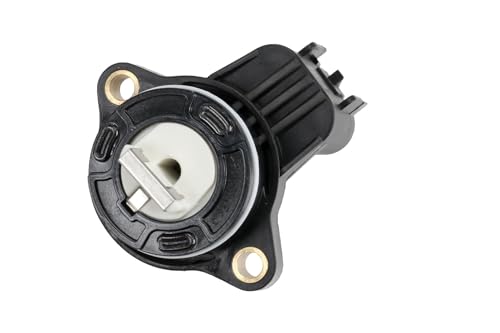
The transfer case sits between the transmission and the front and rear driveshafts in 4WD and some AWD systems. Its job is to send power to the front and rear axles when the system asks for it. Inside, it uses gears, chains, bearings, seals, and shifting parts that can wear with age.
Only 4X4 trucks or SUVs have a transfer case, and some electronically shifted units use dash buttons instead of a mechanical lever. That matters because a warning light or shift complaint may come from the electronics, not the case itself.
In practical terms, the bill depends on whether the unit has worn internals, a failed external actuator, or a control problem. Those paths do not carry the same labor, and they do not justify the same replacement price.
Main internal parts that wear
Common wear points include the chain, gears, bushings, bearings, switches, solenoids, seals, and shift components. A rebuild usually focuses on the internal damage, while a replacement swaps the whole unit. That difference drives most of the cost spread.
What symptoms point to transfer case failure?
Grinding, clunking, whining, chain rattle, vibration, shifting problems, and fluid leaks are the first signs to take seriously. A no-move condition or a unit that will not stay in gear can point to a real transfer case problem. A Service 4WD warning can also appear when the issue is electrical rather than mechanical.
Noise, vibration, and shifting problems
Grinding or clunking often points to internal wear. Whining and chain rattle can point to chain stretch or bearing trouble. Vibration may come from the transfer case itself, but it can also come from related driveline parts, so do not stop at the first obvious symptom.
Say your SUV starts to shudder at highway speed and then throws a 4WD warning after a wet week. That could be a transfer case issue, but it could also be a sensor, an actuator, or a driveline part that only failed under load.
Leaks and fluid condition
Low or dirty fluid can turn a manageable problem into a much larger bill. Fluid replacement is recommended every 30K miles, and a case with a visible leak should be checked before more driving adds internal damage. A burnt smell or metal in the fluid raises the odds that the repair will not be a simple seal job.
Warnings, codes, and no-move complaints
A warning light does not prove the case is bad. Transfer case speed sensor faults, encoder motor faults, and TCCM problems can all trigger 4WD codes or shifting trouble. If the vehicle will not move, the problem may be inside the case, but the control side still needs a real diagnosis.
Transfer case cost comparison table
| Symptom | Likely fix | Parts cost band | Labor impact |
|---|---|---|---|
| Grinding, clunking, whining, rattle, no-move condition | Transfer case replacement | $700-$2,500 for the unit, depending on new, remanufactured, or used | High; removal and installation usually add 3-5 hours |
| Internal wear but housing still serviceable | Transfer case rebuild | $400-$1,500 in internal parts, more if hard parts are damaged | High; similar removal time to replacement |
| Shift issue, warning light, no change in 4WD mode | Encoder motor | $100-$200 | Moderate; external bolt-on repair |
| 4WD code, speedometer error, intermittent shifting issue | Transfer case speed sensor | $30-$60 | Low to moderate; access varies by vehicle |
| Service 4WD light, shifting logic fault, control issue | TCCM replacement or reprogramming | $150-$300 | Low to moderate; diagnosis and programming can add time |
How much does transfer case replacement cost?
A full transfer case replacement usually lands around $1,800 to $5,000 installed, and the vehicle platform matters a lot. Parts often account for the biggest swing, while labor commonly adds another $400 to $700 at a shop, with Bishop listing 3-5 hours for the job. Used units can pull the total down, but they bring more risk.
Parts cost by unit type
New units usually cost the most, remanufactured units often sit in the middle, and used units are the cheapest upfront. A remanufactured case can make sense when the original housing and case design are common, but the shop still has to price in matching electronics, seals, fluid, and any updates needed for that application.
Used units can be tempting on older Jeep, Ford, BMW, or Porsche applications where new pricing feels steep. The danger is hidden wear. If a used unit has the same chain stretch or bearing wear as the one you are removing, the lower parts price can turn into repeat labor.
Labor cost and removal time
Transfer case labor is often the bill that surprises people. Even when the case itself is available quickly, removal, inspection, installation, refill, and calibration checks still take time. AWD layouts can take longer to access because of packaging, and electronically shifted units add diagnostic steps before the wrench work starts.
Picture a crossover with an electronically shifted AWD case that throws a Service 4WD message and then stops changing modes. If the issue is only a sensor or motor, the fix may stay near the low end. If the case has internal damage and needs full removal, the total climbs fast because the same labor gets charged once for diagnosis and again for replacement.
Shop, remanufactured, and used-unit tradeoffs
A shop-installed new unit usually gives the cleanest result and the highest bill. A remanufactured unit is often the better middle path when the old case has broad internal wear but the rest of the drivetrain is healthy. A used unit can work on budget builds, but it is the riskiest choice if the vehicle already has high mileage or mismatched tire wear.
Is a rebuild cheaper than replacement?
A rebuild is often cheaper than full replacement when the housing and major hard parts are still usable. It becomes less attractive when damage is widespread, the unit has contamination, or the labor to open and rebuild it comes close to the price of a remanufactured case. In those situations, replacement is often the safer bill.
What gets replaced in a rebuild
Western Drivetrain says rebuilds can replace bearings, seals, chains, gears, and other internal components as needed. AutoTranz also notes that transfer cases contain chains, gears, bushings, bearings, switches, solenoids, and seals. A shop may also replace shift fork parts if they are worn or heat damaged.
When rebuild makes sense
A rebuild makes the most sense when the failure is internal but localized, such as a worn chain, leaking seals, or tired bearings, and the housing is still serviceable. It can also work when the goal is to keep the original unit in a vehicle with scarce parts support.
When replacement is the safer bill
If the case has severe scoring, broken gears, water contamination, or repeated failure history, replacement is usually the cleaner fix. That is especially true when the rebuild would still require nearly the same removal time as a swap. Paying twice for the same access is the mistake to avoid.
Could the problem be the encoder motor, sensor, or module?
Yes. A transfer case symptom can come from a cheaper external part. The encoder motor, transfer case speed sensor, and TCCM can each mimic a failing case, and each has a much lower parts price than a full replacement. That is why diagnosis matters before anyone orders a unit.
Encoder motor cost and symptoms
An encoder motor is an external bolt-on actuator, and Bishop lists it at $100-$200. It can fail to shift the case, leave the vehicle stuck in one mode, or trigger a warning light that looks like a deeper transfer case issue. If the case itself is quiet and leak-free, the motor deserves a close check first.
Transfer case speed sensor cost and symptoms
Bishop lists the transfer case speed sensor at $30-$60. A bad sensor can trigger 4WD codes, odd shifting behavior, or speedometer errors. That is a small part with a large ability to create a misleading diagnosis, so it should be checked before a more expensive repair.
TCCM cost, reprogramming, and failure signs
The same source lists the TCCM at $150-$300. The Transfer Case Control Module manages the shift motor, so a control fault can look like mechanical failure. Some units can be reprogrammed, which may be cheaper than replacement, but the system still needs a scan and calibration check to avoid repeat work.
What should be inspected while the transfer case is out?
Anything that is easier to reach with the case removed should be checked before reassembly. That includes the front differential, rear driveshaft U-joints, driveshafts, axles, and nearby seals. If those parts are worn now, they can create a second labor bill soon after the transfer case job is finished.
Front differential and rear driveshaft U-joints
The front differential can hide noise that sounds like transfer case trouble, and worn rear driveshaft U-joints can create vibration that gets blamed on the wrong part. If you replace the case and leave a rough joint in place, the vibration may return and make the repair look like a failure.
Driveshafts, axles, seals, and mounting points
Check driveshafts for play, inspect axle condition, and look closely at mounting points and surrounding seals. Mismatched tires can also increase load on drivetrain parts, which means the old problem can return even after a new case is installed. Keep the tire sizes matched before final diagnosis and setup.
How to avoid paying twice for the same repair
The best way to keep the bill under control is to match the fix to the failed part. Do not replace a transfer case until the external actuator, sensor, and control module have been checked. Use the correct fluid, confirm fluid level, and inspect for leaks before and after the repair.
Match the fix to the failed part
- Scan for codes and verify whether the fault points to the case, actuator, sensor, or module.
- Check fluid level and condition for leaks, metal, or burnt fluid.
- Inspect the encoder motor, speed sensor, and TCCM before ordering a full case.
- Look at related driveline parts while the case is accessible.
- Confirm tire size match and road-test the vehicle after repair.
Use the correct fluid and service interval
Fluid service every 30K miles is a practical maintenance target. Correct fluid type matters because a transfer case can be sensitive to the wrong lubricant, especially on electronically controlled systems. Fresh fluid will not fix worn bearings, but it can slow wear and reduce heat.
Check for related damage before reassembly
A shop should inspect for leaks, damaged seals, and nearby wear before the case goes back in. That extra check is small compared with pulling the unit again. It also helps avoid a repair that looks complete on the invoice but still leaves a bad U-joint or axle issue behind.
Frequently asked questions
What symptoms mean my transfer case is failing?
Grinding, clunking, whining, chain rattle, vibration, leaks, shifting trouble, a unit that will not stay in gear, or a no-move condition all deserve attention. A Service 4WD warning can also show up. None of these symptoms proves the case is bad on its own, so diagnosis should come first.
Is it cheaper to rebuild or replace a transfer case?
A rebuild is often cheaper when the damage is internal but limited to wear items such as chains, bearings, seals, or a shift fork. Replacement is usually the safer choice when the case is heavily damaged or contaminated. If removal labor is the same either way, the cheaper parts bill may not save much.
Should I replace the transfer case or just the encoder motor?
If the case is otherwise quiet and leak-free, start with the encoder motor. The same source puts that part at $100-$200, which is far less than a transfer case replacement. A failed motor can copy the symptoms of a bad case, so a scan and actuator check should come before a full swap.
How much labor does transfer case replacement usually take?
The same source lists transfer case labor at 3-5 hours. That is a general range, not a guarantee, because layout, rust, skid plates, exhaust routing, and electronic setup can change the job. AWD packaging often adds access time, while simpler part-time 4WD layouts may be easier to remove and reinstall.
Do AWD vehicles have transfer cases too?
Yes, some AWD vehicles do have transfer cases, though the design and service access differ from part-time 4WD trucks and SUVs. The unit may be smaller, more integrated, or electronically controlled. The key point is that AWD does not rule out a transfer case when a drivetrain complaint appears.
Products related to this article
Sponsored / affiliate links. As an Amazon Associate I earn from qualifying purchases. I may earn additional commission from eligible campaigns.