Wax vs. Ceramic Spray for Car Paint: Which Wins?
Wax gives the cheapest short-term shine. Ceramic spray costs more, but it usually makes upkeep easier and water beading last longer. Pick wax for quick weekend refreshes. Pick ceramic spray for daily drivers that get washed often. Choose badly, and you waste money on a product that fades fast or leaves you changing care habits instead of protecting the clear coat. This guide compares shine, durability, application, upkeep, and cost so you can choose the better paint protection for your car.
This guide is part of our Car cleaning and detailing guide series.
| Decision factor | Wax | Ceramic Spray for Car Paint | Winner |
|---|---|---|---|
| Up-front cost | Usually lower per application | Typically $15 to $30 per bottle | Wax |
| Ease of application | Easy after washing, but often needs more buffing | Spray-on application with simpler coverage | Ceramic Spray for Car Paint |
| Water beading and dirt shedding | Good, then it fades sooner | Hydrophobic behavior usually lasts longer | Ceramic Spray for Car Paint |
| Protection interval | Shorter on daily drivers | Longer between applications | Ceramic Spray for Car Paint |
| Best fit | Short-term shine, quick refreshes, garage-kept cars | Frequent washing, daily drivers, low-maintenance ownership | Tie |
Wax vs. ceramic spray for car paint: the core trade-off
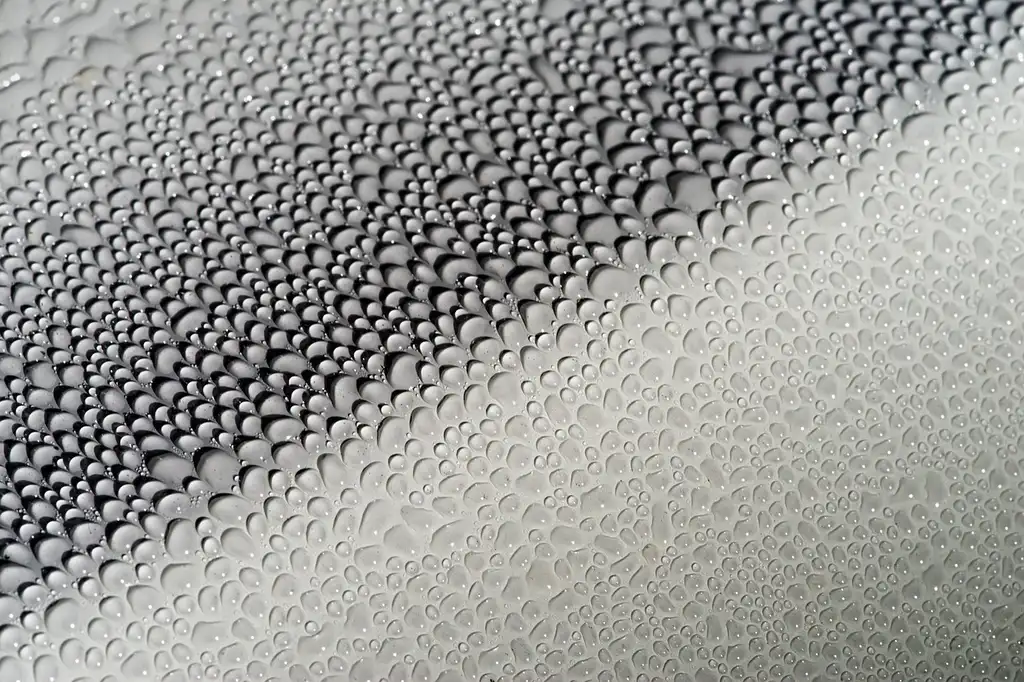


Wax is the faster path to short-term gloss and basic paint protection after washing. Ceramic spray costs more per bottle, but it usually gives longer water beading, simpler cleaning, and fewer reapplications for a daily driver.
What each product is designed to do
Traditional car wax is a protective layer often used after washing. Carnauba-based waxes are the classic option, and synthetic variants are also common; waxes are lipophilic solids, and natural waxes are insoluble in water. Carnauba wax is a hard wax obtained from the Brazilian palm Copernicia prunifera. (en.wikipedia.org)
Ceramic spray wax is a spray-on product designed to leave behind hydrophobic properties with less effort than a full coating. It usually costs $15 to $30 per bottle, and some products can take up to 24 hours to cure.
Where wax and ceramic spray differ most
Wax wins on cheap, fast shine. Ceramic spray wins on upkeep because water beads more aggressively and the finish usually lasts longer between washes and reapplications.
Neither product should be confused with a professional ceramic coating. That is a ceramic-based chemical polymer solution that adheres to the car’s paint and is built for stronger resistance to water, dirt, UV rays, and acidic contaminants in the air.
📊 Waxes typically have melting points above about 40 °C. Source: Wax.
Wax vs. ceramic spray for car paint: which lasts longer?
Ceramic spray usually lasts longer than traditional wax on a daily driver, especially when the car sees frequent washing, sun exposure, and road grime. Wax can still be the right call for a short-term shine or a garage-kept car, but it normally needs more frequent reapplication.
Typical protection interval
Wax is the shorter-lived option because its protective layer wears off faster under heat, detergents, and weather. Ceramic spray generally stretches the time between applications, though real-world durability still depends on prep, product quality, and climate.
A common rule of thumb is this: if the paint loses slickness and water stops beading well, the protection is fading. That is the practical signal to reapply, even if the bottle promises more.
What shortens real-world durability
Dirty paint, skipped washing, harsh detergents, and rushed application all shorten life. Dark colors and hot climates can make wear easier to notice, while garage storage usually helps both products last longer.
Suppose a gray commuter sedan sits outside under tree sap and dust. Wax may lose its pop quickly, while ceramic spray still needs good prep and upkeep but usually holds its behavior longer before the finish looks tired.
Which is easier to apply on a daily driver?
Ceramic spray is usually easier on a daily driver because the application is quick and the bottle goes on with less rubbing than a traditional wax. Wax is still straightforward after washing, but it often asks for more hand work and more careful buffing to avoid haze or residue.
Wash-before-application basics
Both products work best on a washed car. Applying either one over dust, road film, or oily residue weakens bonding and can trap contamination against the paint instead of protecting it.
The key is clean paint, not a perfect show-car finish. If the car is merely dusty, wash it first. If it has bonded grime or rough paint, a deeper prep step matters more.
Buffing, residue, and streak risk
Wax often needs more buffing to remove residue and bring out an even finish. Ceramic spray products can also require buffing after spraying, especially if too much product is used or if the panel is hot.
Rushed wipe-off can leave streaks or uneven water behavior. That is one reason the ease advantage belongs to ceramic spray only when you follow the label and work in proper conditions.
When a spray product saves time
Ceramic spray makes the most sense when the goal is faster maintenance after a normal wash. It is a strong fit for drivers who want reasonable protection without turning every wash into a long waxing session.
Do you need clay bar prep before ceramic spray?
No, a clay bar is not mandatory before every ceramic spray application. It helps when the paint feels rough, has bonded contamination, or has old product build-up, but a clean wash is enough for many routine top-ups on decent paint.
When claying helps
Claying makes sense when you feel embedded grit after washing, see stubborn fallout, or notice that water behavior is patchy because the surface is contaminated. It also helps before switching to a new protection product if the old layer is failing unevenly.
When it is optional
If the surface is already clean, smooth, and free of bonded debris, claying can be skipped. That is especially true for simple maintenance applications on a car that already wears a compatible sealant or coating layer.
How paint condition changes the answer
Neglected paint changes the equation. Old oxidation, heavy sap, and embedded grime reduce how well any spray product lays down, so the better the surface condition, the more likely a simple wash is enough.
A common first-timer mistake is claying every panel out of habit, then skipping the final wash or wipe-down. That leaves residue on the paint and can make the spray streak instead of bead cleanly.
Decision matrix for three owner profiles

The table below turns the comparison into a use-case decision. It uses simple monthly ownership math: estimated product cost divided by likely months of useful protection for a given owner profile.
| Owner profile | Product | Expected protection interval | Application effort | Reapplication cadence | Estimated cost per month | Winner |
|---|---|---|---|---|---|---|
| Garage-kept weekend car | Wax | About 3 to 4 months in gentle use | Low to moderate | 3 to 4 times per year | Lower, because fewer applications are needed and one bottle or tin often covers several uses | Wax |
| Garage-kept weekend car | Ceramic Spray for Car Paint | About 4 to 6 months in gentle use | Low | 2 to 3 times per year | Moderate, with $15 to $30 per bottle spread across a longer interval | Ceramic Spray for Car Paint |
| Daily-driven commuter | Wax | About 4 to 8 weeks in harsher use | Low to moderate | 6 to 12 times per year | Can climb quickly because frequent reapplication is needed | Ceramic Spray for Car Paint |
| Daily-driven commuter | Ceramic Spray for Car Paint | About 2 to 4 months in normal use | Low | 3 to 6 times per year | Usually steadier, since the longer interval offsets the bottle price | Ceramic Spray for Car Paint |
| Budget driver | Wax | Short, but cheap to refresh | Low | As needed after washing | Lowest up front | Wax |
| Budget driver | Ceramic Spray for Car Paint | Longer than wax for most owners | Low | Less often than wax | Often competitive over time, despite the higher bottle price | Ceramic Spray for Car Paint |
How to read the matrix
Weekend cars reward wax when the owner wants a quick shine and does not mind occasional reapplication. Daily drivers usually favor ceramic spray because fewer top-ups are needed, which matters more than the bottle price.
Budget drivers should think in monthly cost, not shelf price alone. A cheap wax that needs constant refreshing can cost more over a season than a modestly priced spray used less often.
Does ceramic spray replace a professional ceramic coating?
No. Ceramic spray is not the same category as a professional ceramic coating, and it should not be expected to match coating-level durability or resistance. The spray is easier and much cheaper, but a coated car and a sprayed car are not protected the same way.
How spray products differ from bonded coatings
A professional ceramic coating is a ceramic-based chemical polymer solution that adheres to the paint. That bonded layer is designed for stronger resistance to water, dirt, UV rays, and acidic contaminants, and it typically costs between $500 and $2,000.
Ceramic spray gives you some of the same broad behavior in a lighter form, mainly hydrophobicity and easier cleaning. It does not create the same long-term barrier as a true coating.
Why price and durability are not the same thing
Low price makes spray attractive, but it also means shorter service life and weaker protection. The spread between a $15 to $30 bottle and a $500 to $2,000 coating is not marketing fluff; it reflects a major gap in prep, bonding, and durability.
Where coating-level expectations go wrong
Failure happens when a user expects spray to resist abuse like a professionally installed coating. It will not rescue neglected paint, and it will not keep working at coating strength if it is applied over dirty panels or wiped off too soon.
Choose Wax if… / Choose Ceramic Spray for Car Paint if…
Choose wax if you want the cheapest short-term shine, you keep the car in a garage, you do not mind reapplying more often, or you are refreshing a vehicle before a weekend drive or sale. Choose ceramic spray if you want easier upkeep, better water beading between washes, and a more practical fit for a daily driver.
Choose wax if…
- You want quick gloss after a wash without paying for a spray product.
- The car is garage-kept and sees mild weather.
- You are okay with shorter protection and more frequent touch-ups.
- You are mainly after a traditional protective layer and short-term appearance.
Choose ceramic spray for car paint if…
- You wash the car regularly and want easier maintenance.
- You care about hydrophobic behavior and water beading that lasts longer.
- You want better day-to-day convenience than repeated wax jobs.
- You expect spray-level protection, not professional coating-level durability.
When neither product is the right answer
If the paint is oxidized, heavily scratched, or contaminated enough that washing and light prep do not help, protection products are only part of the fix. In that case, correction, decontamination, or professional paint work may be the better starting point.
Frequently asked questions
Wax vs. ceramic spray for car paint: which lasts longer?
Ceramic spray usually lasts longer than traditional wax on a normal daily driver. Wax still has a place for short-term shine and easy refreshes, but it generally needs more frequent reapplication, especially when exposed to heat, rain, detergents, and constant washing.
Is ceramic spray wax actually worth it?
Yes, if the goal is easier maintenance rather than coating-level protection. It makes the most sense for drivers who want better water beading, less frequent reapplication than wax, and a simple post-wash protection step without paying professional coating prices.
Can ceramic spray replace traditional car wax?
For many owners, yes, but not perfectly in every case. Ceramic spray can replace wax when the priority is convenience and longer-lasting water behavior, while wax still appeals to drivers who want the cheapest short-term shine or prefer a traditional finish routine.
Do I need to clay bar before using ceramic spray?
Not always. Claying helps when the paint feels rough or has bonded contamination, but a thorough wash is enough for many cars. If the surface is already smooth and clean, claying can be skipped without making the spray useless.
How long does ceramic spray take to cure?
Ceramic wax spray products can take up to 24 hours to cure. That means the car should be kept out of rain and heavy moisture when possible, because rushed exposure can hurt how evenly the layer sets and how well it behaves afterward.
What is the cheapest way to protect car paint?
Traditional wax is usually the cheapest short-term answer. Ceramic spray costs more up front, typically $15 to $30 per bottle, but it can be more economical over time if it cuts down how often you need to reapply protection.
Which is easier to apply on a dirty-looking daily driver?
Ceramic spray is easier only after the car has been properly washed. Neither product should go over visible dirt. If the paint looks neglected, the better first step is cleaning and, if needed, a clay bar or deeper prep before any protection product goes on.
Will ceramic spray work like a professional ceramic coating?
No. Ceramic spray can improve hydrophobic behavior and make washing easier, but it is not the same as a professional ceramic coating. A coating is a bonded ceramic-based chemical polymer solution, and it is designed for stronger resistance to water, dirt, UV rays, and contaminants.
Products related to this article
Sponsored / affiliate links. As an Amazon Associate I earn from qualifying purchases. I may earn additional commission from eligible campaigns.