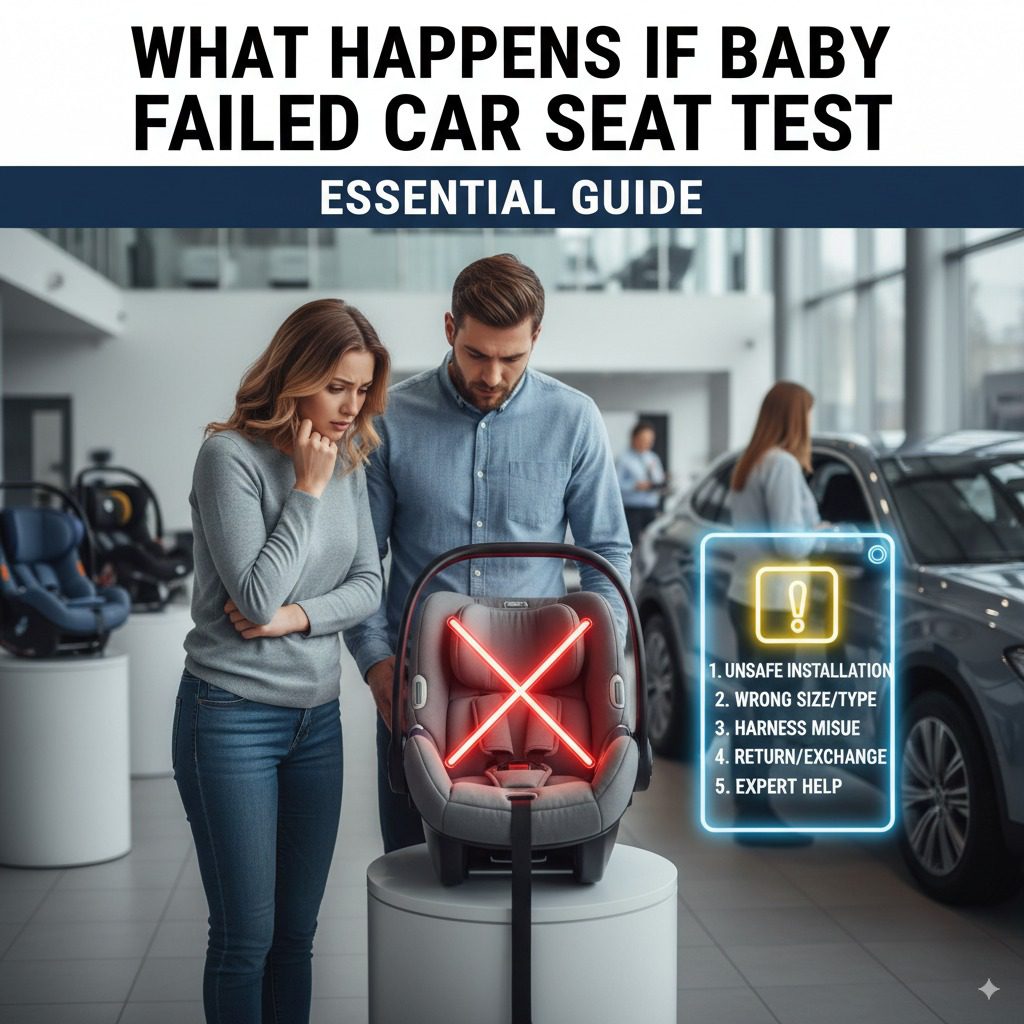
What Happens If Baby Failed Car Seat Test: Essential Guide
If your baby “failed” a car seat test, it means the car seat did not meet safety standards during rigorous testing, or your baby’s fit within it isn’t optimal for protection. This guide explains what testing involves, what failure signifies, and crucial steps to ensure your baby’s safety.
What Happens If Baby Failed Car Seat Test: Your Essential Guide
Buying a car seat for your little one is a huge responsibility. You want the safest option, and the thought of your baby “failing” a car seat test can be incredibly worrying. This phrase often pops up, causing confusion. What does it really mean? It could relate to the car seat itself not performing well in crash tests, or perhaps how your baby is positioned within the seat. Rest assured, this guide will break down everything you need to know in simple terms. We’ll walk you through what makes a car seat fail, what your options are, and how to ensure your precious cargo is always protected. Let’s get your little one safely on the road!
Understanding Car Seat Safety Testing
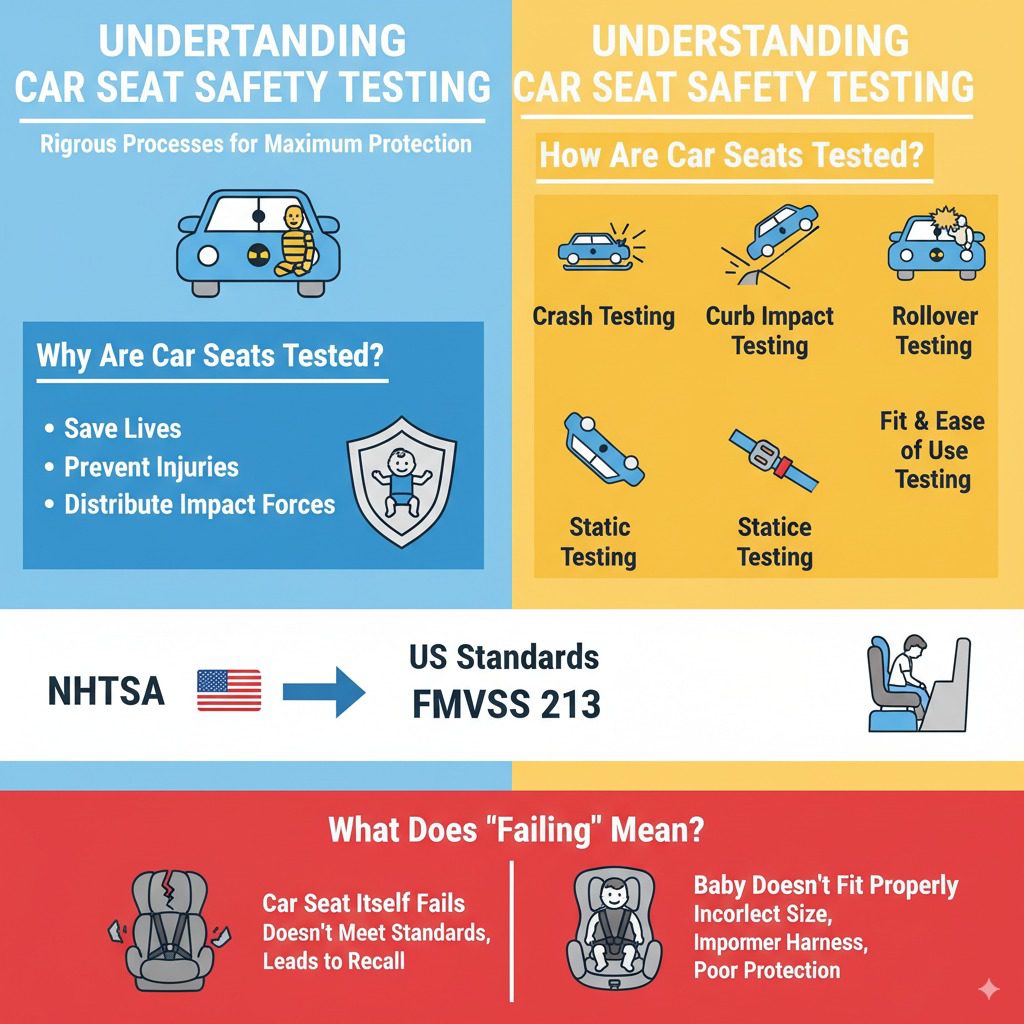
Car seat safety isn’t just about strapping your baby in. It’s a complex process involving rigorous testing to ensure maximum protection in the event of a crash. Understanding this process helps demystify what “failing” could mean.
Why Are Car Seats Tested?
Car seats are designed to save lives and prevent injuries. They work by distributing the forces of an impact across a larger area of your baby’s body than a seat belt alone could. This is crucial because a baby’s body is still developing and much more vulnerable. Government agencies and independent organizations conduct tests to verify that car seats meet strict safety standards before they can be sold.
How Are Car Seats Tested?
Car seats undergo various tests to simulate real-world crash scenarios. These tests involve:
- Crash Testing: Car seats are placed in a test vehicle or on a sled that mimics a car crash. A crash test dummy, representing a baby or child, is properly secured in the car seat. The sled is propelled at specific speeds, and then abruptly stopped to simulate impact forces.
- Curb Impact Testing: This test checks how the car seat performs in a side-impact collision or when a vehicle hits a curb.
- Rollover Testing: While not always part of mandatory government testing, some organizations test how car seats perform in a vehicle rollover.
- Static Testing: Straps, harnesses, and buckles are put under immense pressure to ensure they don’t break or release during a crash.
- Fit and Ease of Use Testing: Some testing also evaluates how easy it is for parents to correctly install the car seat and secure a baby in it, as proper installation is vital for safety.
In the United States, the National Highway Traffic Safety Administration (NHTSA) sets Federal Motor Vehicle Safety Standards (FMVSS) that car seats must meet. You can learn more about NHTSA’s vehicle safety standards on their official website. Specifically, FMVSS 213 outlines the requirements for child restraint systems.
What Does “Failing” a Car Seat Test Mean?
When we talk about a “baby failing a car seat test,” it can refer to a few different things:
- The Car Seat Itself Fails: This happens when a specific model of car seat, during manufacturer or independent testing, does not meet the required safety standards in a crash simulation. This is a serious issue and can lead to a product recall.
- The Baby Doesn’t Fit Properly: More commonly, when people say a baby “failed” a car seat test, they mean the baby isn’t fitting correctly in the car seat. This could be due to the baby’s size (too small or too large for the current position), improper harness adjustment, or using the wrong recline angle. A poor fit means the car seat won’t offer optimal protection.
What to Do If Your New Car Seat Fails (Recall Information)
It’s rare for brand-new car seats purchased from reputable retailers to be faulty, but it can happen. If you are notified that a car seat model you own has failed safety tests and is subject to a recall, acting swiftly is paramount.
How to Check for Recalls
The best way to stay informed about car seat recalls is to register your car seat with the manufacturer. Most manufacturers include a registration card with their products, or you can often register online.
You can also directly check for recalls on the NHTSA website. They maintain a database of all vehicle and car seat recalls.
- Visit the NHTSA Recalls page.
- Enter the car seat’s brand and model name, or its serial number.
- If a recall is active, you’ll see information on the defect and what actions the manufacturer will take.
Manufacturer’s Responsibilities During a Recall
If a car seat is recalled due to failing safety standards, the manufacturer is legally obligated to fix the problem. This typically involves one of the following:
- Repair Kit: The manufacturer will send you a free repair kit to correct the issue with your existing car seat.
- Replacement: If the defect cannot be easily repaired, the manufacturer will provide a replacement car seat, often an updated or new model.
- Refund: In some cases, especially for older models or severe defects, a full refund may be offered.
Always follow the manufacturer’s instructions precisely when dealing with a recall. Improperly installing a repair kit can also make the seat unsafe.
Ensuring Your Baby Fits Safely in Their Car Seat
More often than not, concerns about a “failed car seat test” for a baby revolve around the fit and proper use of the seat. This is something you, as a parent or caregiver, have direct control over. A correct fit is absolutely critical for the car seat to do its job in a crash.
Key Elements of a Safe Fit
Here’s what to check to ensure your baby is safely positioned:
1. Harness Position
The harness straps should always be at or slightly below your baby’s shoulders for rear-facing seats, and at or slightly above the shoulders for forward-facing seats.
- Rear-Facing: Straps coming from slots lower than the shoulders help cradle the baby’s head and neck, absorbing crash forces more effectively.
- Forward-Facing: Straps coming from slots higher than the shoulders help keep the baby pulled back into the seat during a frontal impact.
2. Harness Tightness
The harness should be snug. You can perform the “pinch test”:
- Try to pinch a fold of the harness webbing vertically between your thumb and forefinger at your baby’s collarbone.
- If you can pinch any slack, the harness is too loose. Tighten the harness until you can no longer pinch the webbing.
A properly snug harness ensures the baby stays within the protective shell of the car seat and that the forces are distributed correctly.
3. Chest Clip Placement
The chest clip (or positioner) should be positioned at armpit level. This keeps the harness straps correctly positioned over the baby’s shoulders and prevents them from slipping off.
- Why it matters: If the chest clip is too low (near the belly), the straps can slide off the baby’s shoulders during a crash, leaving them dangerously unprotected. If it’s too high (near the neck), it can be uncomfortable and potentially obstruct breathing.
4. Recline Angle
Most infant car seats and some convertible seats have an adjustable recline angle. This is crucial, especially for newborns, to keep their airway open.
- Newborns/Infants: A more reclined position is generally recommended for newborns to prevent their head from slumping forward, which can block their airway. Check your car seat manual for the specific recline indicator (bubble, line, or ball) and ensure it’s in the correct zone for your baby’s weight and age.
- Older Babies/Toddlers: As babies grow, the recline angle may need to be adjusted according to the manufacturer’s guidelines, often becoming more upright.
5. Head Support
Many infant seats come with head support inserts. These help create a snugger fit for newborns. Once your baby outgrows the insert or their head no longer slumps, the insert should be removed.
Troubleshooting Common Fit Issues
- Baby is too small for the lowest harness slots: Some infant seats have special inserts or may have very low harness slots designed for premature babies. If your seat doesn’t accommodate your tiny baby safely, you may need a different seat specifically designed for very small newborns.
- Baby’s head “falls forward”: This is a critical safety concern, especially for newborns. Ensure the seat is reclined correctly. Never put bulky blankets or padding under the baby or behind their back unless specifically approved by the car seat manufacturer. You can place a thin blanket over the baby after they are buckled.
- Harness is hard to tighten: Some car seats have re-threading harnesses that can be tricky. Make sure you are threading the straps through the correct slots and that the buckle mechanism is functioning smoothly. Consult your manual or the manufacturer’s customer service.
Choosing the Right Car Seat for Your Baby
Selecting the right car seat from the start can prevent many fit and performance concerns. Think of it as your first line of defense.
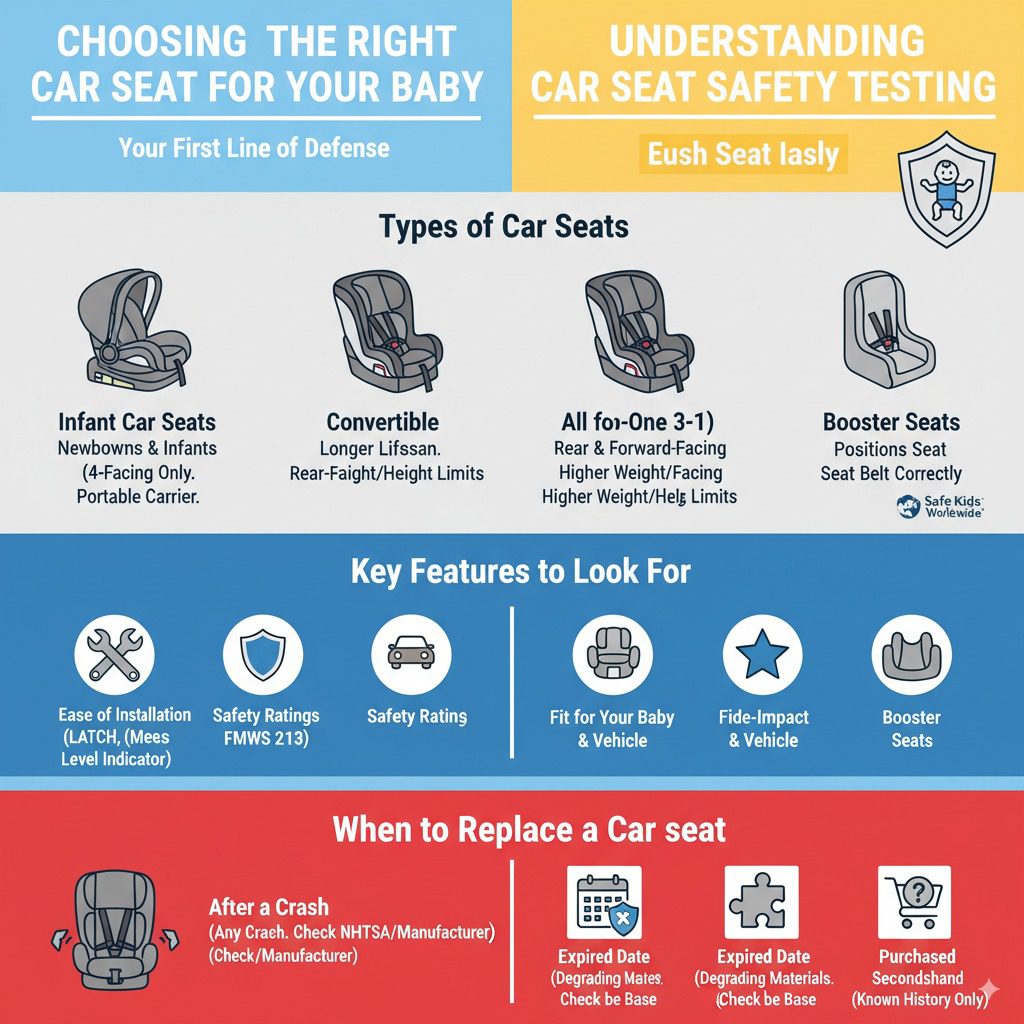
Types of Car Seats
Car seats are generally categorized by the age, weight, and developmental stage of the child:
- Infant Car Seats: These are designed for newborns and infants, typically facing rearward only. They often come with a detachable base and a carrier that clicks in and out, making them convenient for parents on the go. They usually have a weight limit of around 4-35 pounds.
- Convertible Car Seats: These can be used in both rear-facing and forward-facing modes. They offer a longer lifespan, often with higher weight and height limits for extended rear-facing, which is the safest option for as long as possible.
- All-in-One (3-in-1) Car Seats: These seats can transition from rear-facing to forward-facing and then to a belt-positioning booster seat. They offer the longest potential use but can be bulky.
- Booster Seats: Used for older children who have outgrown forward-facing car seats, designed to position the vehicle’s seat belt correctly over their body.
Key Features to Look For
When shopping for a car seat, consider these important features:
- Ease of Installation: Look for features like a built-in level indicator, simple LATCH connectors, or easy-to-understand belt routing guides. A certified Child Passenger Safety Technician (CPST) can offer valuable installation advice. Check Safe Kids Worldwide to find a local inspection station.
- Safety Ratings: While all car seats sold must meet federal safety standards, some may perform better in specific types of crashes. Look for models that have performed well in independent safety tests, if available.
- Fit for Your Baby and Vehicle: Ensure the seat’s weight and height limits are appropriate for your baby, and that it fits securely in your car’s backseat. Some vehicle seats have steeper angles that may affect the recline of an infant seat.
- Five-Point Harness: This is a standard safety feature that distributes crash forces across the strongest parts of a child’s body: the pelvis and shoulders.
- Side-Impact Protection: Many modern car seats offer enhanced side-impact protection, which is crucial as side impacts are a common cause of serious injury.
When to Replace a Car Seat
Even if a car seat hasn’t been recalled, it’s essential to replace it under certain circumstances:
- After a Crash: Even a minor car crash can compromise the structural integrity of a car seat, making it unsafe for future use. NHTSA recommends replacing car seats after any crash. Some manufacturers have specific guidelines or offer replacement programs.
- Expired Date: Car seats have an expiration date, usually printed on the seat or its base. This is because the plastics and materials can degrade over time due to exposure to sun, heat, and cold, reducing their effectiveness.
- Missing or Damaged Parts: If essential parts are missing or damaged, the car seat should not be used and must be replaced.
- Purchased Secondhand (with caution): If you buy a used car seat, you must know its entire history: has it been in a crash? Is it expired? Are all parts present and accounted for? If you can’t answer these questions with certainty, it’s best to buy new.
FAQ: Your Car Seat Questions Answered
Q1: My baby’s car seat feels wobbly after installation. Is that normal?
A1: A properly installed car seat should not move more than one inch side-to-side or front-to-back at the belt path when you tug on it firmly. If it moves more than that, you may need to re-adjust the installation, or your vehicle’s LATCH system or seat belt may not be compatible with that installation method.
Q2: Can I use any brand of car seat in my car?
A2: Yes, all car seats sold in the U.S. must meet federal safety standards. However, some car seat models may fit better in certain vehicles than others. Always check your car seat manual and your vehicle owner’s manual for specific installation instructions and precautions.
Q3: I heard a “click” when buckling my baby. Does that mean it’s secure?
A3: Most buckles make a clicking sound. The important thing isn’t the click, but how snug the harness is. Perform the pinch test (try to pinch slack at the collarbone) to confirm the harness is tight enough.
Q4: Is it okay to put thick padding or a thick blanket under my newborn in their car seat for extra support?
A4: No, it’s generally not recommended. Extra padding or bulky items can create space between the baby and the harness, which can be dangerous in a crash. Use only the inserts that came with the car seat, and remove them when they are no longer needed. Thin blankets can go over the baby after they are buckled.
Q5: How do I know if my car seat is expired?
A5: Look for a sticker or engraving on the car seat itself or its base. It will usually have the manufacturing date and an expiration date. If you can’t find it, contact the manufacturer directly. Car seats typically expire 6-10 years after their manufacture date.
Q6: My baby is a preemie. How do I ensure their car seat fits correctly?
A6: Preemies require special attention. Look for infant car seats designed for smaller weights, often starting as low as 4 pounds. Ensure the harness straps are at or below the shoulders and that the harness is snug enough that you can’t pinch any slack. The recline angle is also crucial for keeping their airway open. Consult a CPST if you have concerns.
When to Seek Professional Help
While this guide aims to make car seat safety accessible, some situations require expert advice. If you’re ever unsure about your car seat installation or your baby’s fit, don’t hesitate to seek help.
Child Passenger Safety Technicians (CPSTs)
CPSTs are certified professionals who are specially trained to help parents and caregivers install car seats correctly. They can check your installation, teach you how to do it properly, and ensure your child is safely harnessed.
You can find a Child Passenger Safety Technician near you through:
- Safe Kids Worldwide
- Your local fire department or police department (many offer car seat checks)
- Hospitals or healthcare providers
It’s a good idea to have your car seat installation checked as soon as you get it, and anytime you switch vehicles or have questions.
Conclusion
Ensuring your baby’s safety in the car is one of the most critical responsibilities you have as a parent. Understanding what a “failed car seat test” might imply – whether it’s a product defect or, more commonly, an issue with fit and usage – empowers you to make informed decisions. Always prioritize registering your car seat for recall notifications, diligently check for recalls on the NHTSA website, and most importantly, focus on the correct fit and installation for your little one. A properly installed and adjusted car seat, with a snug harness and correct recline, is your baby’s best defense on the road. Don’t hesitate to reach out to a certified Child Passenger Safety Technician if you have any doubts. With knowledge and a watchful eye, you can confidently navigate the world of car seat safety, keeping your precious cargo protected on every journey.