Where Do I Put Oil In My Car? Quick Beginner Guide
You put oil in your car through a dedicated oil filler cap on the engine. This cap is usually labeled with the word “OIL” or has an oil can symbol. Always ensure the engine is cool before checking or adding oil.
Understanding Your Car’s Engine Oil System
Your car’s engine needs oil to run smoothly. Think of oil like blood for your car’s heart. It keeps things from getting too hot.
It also keeps the moving parts from rubbing together and wearing out too fast. This slippery liquid is vital.
The engine has many parts that move very quickly. These parts create friction. Friction makes heat.
It also causes wear. Oil gets into the tiny spaces between these parts. It forms a thin layer.
This layer stops metal from touching metal. It also carries away heat. This keeps the engine from overheating.
Without enough oil, these parts would grind against each other. This would cause serious damage. The engine could even break down completely.
So, knowing where to add oil is a basic but very important skill for any car owner. It’s about preventing big, costly problems down the road.
My Engine Oil Panic Moment
I remember the first time I saw my car’s oil light flash on. It was a dark, rainy evening. I was on my way home from a long day.
Suddenly, a little red light blinked on my dashboard. It had an oil can symbol. My stomach dropped.
I had no idea what to do. My mind raced with worst-case scenarios. Visions of tow trucks and expensive repairs filled my head.
I pulled over to the side of the road. My heart was pounding. I looked at the owner’s manual.
It felt like a foreign language. I finally found the section on oil. It told me to check the dipstick.
But where was the dipstick? And where did the oil go in?
I felt so foolish. I was a grown adult, and I didn’t know this basic car thing. It took me another ten minutes of fumbling around the engine bay.
I finally located the dipstick. It was bright yellow. Then, I spotted a cap with an oil symbol.
It was a moment of pure relief. I carefully added a bit of oil. The light went off.
It was a small victory. But it taught me a huge lesson. Knowing these simple car checks makes a big difference.
It saves you stress and money.
Oil Filler Cap: The Sacred Spot
What it looks like: The oil filler cap is usually a bright color like yellow or black. It often has a picture of an oil can on it. Sometimes, it just says “OIL” in big letters.
It’s on top of the engine. It’s usually easy to reach.
Why it’s important: This is the only place you add oil to your engine. Never put oil anywhere else. Putting it in the wrong spot can cause serious damage.
This cap seals the engine’s oil system. It keeps dirt out. It keeps oil in.
Locating the Oil Filler Cap: A Step-by-Step Approach
Okay, let’s find that cap. Open your car’s hood. You’ll see a bunch of things under there.
It might look messy. But the oil cap is usually quite obvious. Look on the top of the engine.
It’s usually towards the front or middle. It will likely be a round or slightly oval cap. It should have a symbol.
This symbol is key. It’s almost always an oil can. It looks like a little teapot.
If it just says “OIL,” that’s your sign.
Sometimes, the cap is integrated into a plastic engine cover. You might need to remove that cover first. Your car’s owner’s manual is your best friend here.
It has a diagram. This diagram shows you exactly where everything is. If you can’t find it, look for the color.
Many oil caps are bright yellow or have yellow markings. This makes them stand out. It’s a clever design choice.
Once you find it, give it a little wiggle. It should unscrew easily. Most twist off counter-clockwise.
This is the same way you open many bottles. You might hear a slight hiss when you open it. That’s normal.
It means the engine was a bit pressurized. Keep the cap somewhere safe while you add oil. You don’t want to lose it.
Quick Scan: Oil Cap vs. Other Caps
| Cap Type | Symbol/Label | Location |
|---|---|---|
| Oil Filler | Oil Can Symbol or “OIL” | Top of Engine |
| Brake Fluid | Brake Symbol or “BRAKE FLUID” | Often near the driver’s side firewall |
| Coolant/Antifreeze | Temperature Symbol or “COOLANT” | Usually on the coolant reservoir, often translucent |
| Windshield Washer Fluid | Windshield/Wiper Symbol or “WASHER FLUID” | Typically at the front of the engine bay, often blue or clear |
When to Check Your Oil Level
You don’t need to add oil every time you fill up your gas tank. Most cars don’t use much oil between changes. A good rule of thumb is to check your oil level about once a month.
You should also check it before any long road trips. If you notice any oil spots under your car, that’s a sign to check it immediately. Low oil levels can cause serious engine problems.
It’s also wise to check your oil if you’ve recently had work done on your engine. Mechanics might need to drain some oil for repairs. Always check it when the engine is cool.
This means the car has been sitting for at least 15-20 minutes. Oil settles back into the pan when the engine is off. This gives you a more accurate reading.
Checking it when the engine is hot can give a false high reading.
Some cars have sensors that can warn you. But these are not always perfectly accurate. Relying on the dashboard light is better than nothing.
But it’s not a substitute for a manual check. The manual check is the most reliable way to know your oil status.
How to Check Your Oil Level (The Dipstick Method)
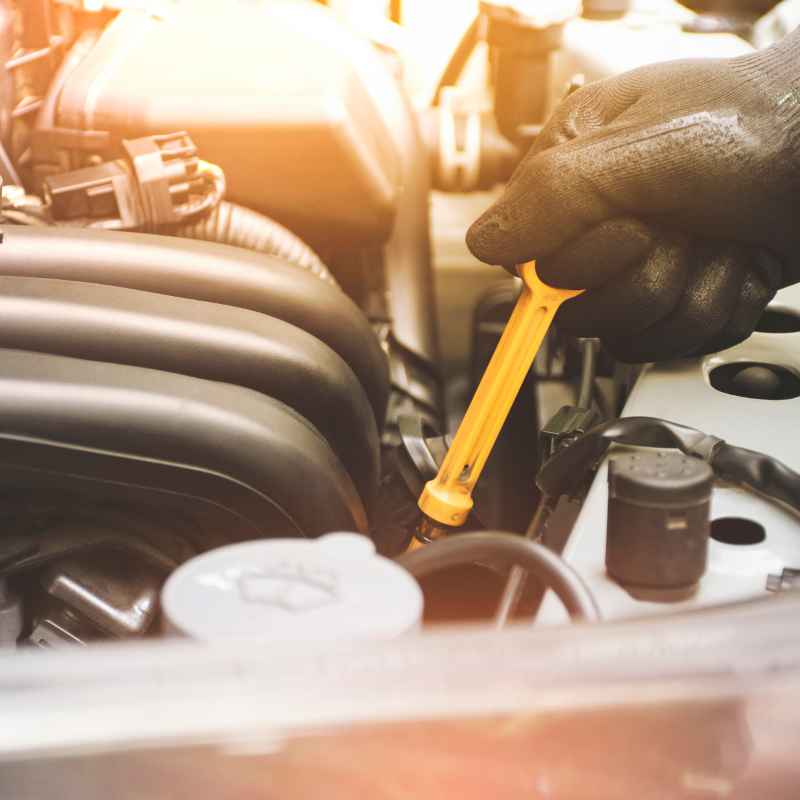
This is a crucial skill. Once you’ve located the oil filler cap, look for another long, thin rod nearby. This is the oil dipstick.
It usually has a brightly colored loop or handle at the top. It might be yellow, orange, or red. Pull it out slowly.
Wipe it clean with a paper towel or a clean rag. There will be markings on the end of the dipstick.
These markings usually show a range. There’s often a “MIN” or “ADD” line. There’s also an “MAX” or “FULL” line.
Sometimes, they are just dots or crosshatched areas. Re the oil level is on the dipstick. It should be between the MIN and MAX marks. Ideally, it should be closer to the MAX mark.
If the oil level is at or below the MIN mark, you need to add oil. If it’s above the MAX mark, it’s overfilled. This can also be bad for your engine.
If it’s overfilled, you might need to have some oil drained out. But for now, focus on adding when it’s low. Always reinsert the dipstick after checking.
This ensures it stays clean.
Adding Oil: A Simple Process
1. Make sure the engine is cool and the car is on a level surface.
2. Open the hood and locate the oil filler cap.
3. Unscrew the oil filler cap. Keep it handy.
4. Get the correct type and amount of oil. Check your owner’s manual.
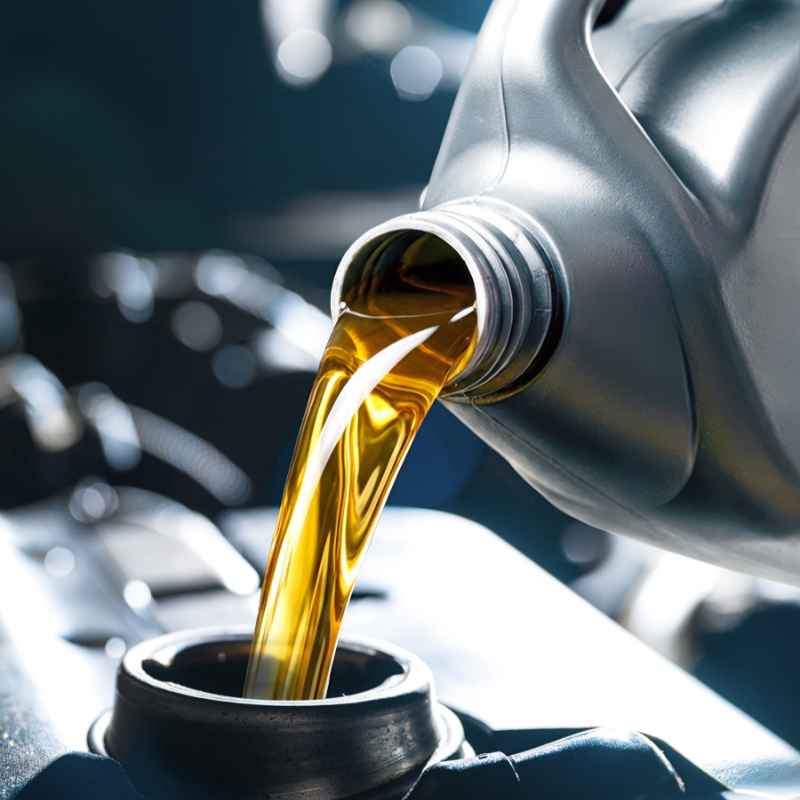
5. Slowly pour the oil into the filler opening. Don’t rush.
6. Replace the oil filler cap securely.
7. Start the engine for a minute. Then turn it off.
Wait a few minutes.
8. Recheck the oil level with the dipstick to ensure it’s at the proper level.
Choosing the Right Oil for Your Car
This is where things can get a little confusing. Not all oils are the same. Your car’s manufacturer knows best.
Your owner’s manual will tell you the exact type of oil your engine needs. Look for the oil viscosity grade. This is shown as a number like “5W-30.” The “W” stands for “Winter.” The first number is how the oil flows when it’s cold.
The second number is how it flows when the engine is hot.
You’ll also see specifications like “API SN” or “ILSAC GF-6.” These tell you about the oil’s performance standards. Using the wrong oil can harm your engine. It might not lubricate properly.
It might not protect against wear. It might not handle extreme temperatures well. So, always check that manual.
For most everyday driving in normal conditions, a good quality conventional oil or a synthetic blend will work. If you drive in very hot or very cold climates, or if your car is older or you drive it hard, a full synthetic oil might be recommended. Synthetic oils offer better protection.
They can also last longer between changes. But they cost more. Stick to what the manual says for the best results.
Common Types of Engine Oil Explained Simply
Let’s break down the main types of oil you’ll see. This makes choosing easier.
Oil Types at a Glance
Conventional Oil: This is the most basic type. It’s refined from crude oil. It works well for many cars.
It’s usually the cheapest option.
Synthetic Blend Oil: This oil is a mix. It has conventional oil plus some synthetic oil. It offers better protection than conventional oil alone.
It’s a good middle-ground choice.
Full Synthetic Oil: This is the highest quality oil. It’s made in a lab for peak performance. It offers the best protection.
It handles extreme temperatures well. It often lasts longer. It’s also the most expensive.
High-Mileage Oil: This oil is designed for cars with over 75,000 miles. It has special additives. These additives can help engines with worn seals.
They can also reduce leaks and oil consumption.
When you buy oil, you’ll see different brands. They all do the same basic job. The most important thing is the viscosity and the API/ILSAC rating.
Make sure it matches your owner’s manual. If you’re really unsure, ask a trusted mechanic. They can guide you.
Don’t guess when it comes to your car’s engine.
What Happens If You Don’t Add Enough Oil?
This is the scary part. If your oil level gets too low, the oil pump might not be able to suck up enough oil. This means parts of the engine won’t get any lubrication.
Imagine running a marathon without water. It’s not good. The metal parts will start to rub directly against each other.
This creates a lot of heat and friction.
The engine will start to make bad noises. You might hear knocking or grinding sounds. This is the engine crying for help.
If you ignore these sounds and keep driving, you’ll cause severe damage. Pistons can seize. Bearings can be destroyed.
The engine can literally seize up and stop working. This is called an engine seizure. It’s a very expensive repair, often requiring a whole new engine.
So, checking and topping off oil is crucial.
Even a slight drop in oil level over time can lead to increased wear. This wear happens every time you drive. Over months and years, this can shorten your engine’s life.
It can make your car less reliable. It can also hurt its resale value. A well-maintained engine lasts much longer.
It performs better.
What If You Add Too Much Oil?
It seems like more is better, right? Not with engine oil. Overfilling your engine with oil can be just as bad, sometimes worse, than having too little.
When you put too much oil in, the crankshaft inside the engine can start to whip the oil. This creates a lot of foam. Foamy oil doesn’t lubricate properly.
It’s like trying to drink soda through a straw that’s full of bubbles.
This foamy oil can get into places it shouldn’t. It can get past piston rings. This means oil can burn in the combustion chamber.
This causes smoke from the exhaust. It can also foul spark plugs. This leads to poor engine performance and misfires.
Over time, this can damage the catalytic converter. That’s a very expensive part to replace.
Another risk is increased pressure. The excess oil can increase the pressure inside the engine crankcase. This can blow out seals and gaskets.
This leads to oil leaks. These leaks can then cause the oil level to drop, paradoxically. So, it’s a vicious cycle.
Always be careful not to overfill. Add oil slowly and recheck the level.
Signs You Might Be Low on Oil
Oil Warning Light: This is the most obvious sign. A red oil can symbol on your dashboard means your oil pressure is low. Stop the car safely as soon as possible.
Strange Engine Noises: Knocking, ticking, or grinding sounds coming from the engine can indicate a lack of lubrication.
Burning Smell: If oil is leaking onto hot engine parts, it can create a burning smell.
Blue Smoke from Exhaust: This can mean oil is burning in the combustion chamber, often due to low oil or internal engine issues.
Oil Spots Under Car: If you see dark oily puddles under your parked car, it suggests a leak and potential oil loss.
When Is It Time for an Oil Change?
Adding oil is for topping up. An oil change is different. It’s when you drain out all the old, dirty oil.
You then
Time is also a factor. Even if you don’t drive much, oil can degrade over time. It can collect moisture and contaminants.
Most manufacturers suggest changing your oil at least once a year, even if you haven’t reached the mileage limit. Driving habits matter too. If you do a lot of short trips, stop-and-go driving, or drive in dusty conditions, you might need to change your oil more often.
The oil filter is also important. It traps dirt and debris from the oil. A clogged filter can restrict oil flow.
You should change the oil filter every time you change the oil. Many quick lube places offer oil changes. You can also learn to do it yourself if you’re comfortable.
It’s a good way to save money and know it’s done right.
What This Means for Your Car’s Health
Keeping an eye on your oil level and type is more than just a routine task. It’s a direct way to protect your engine. Your engine is one of the most complex and expensive parts of your car.
Giving it the right lubrication is essential for its longevity. It ensures all those moving parts stay protected. It keeps the engine running efficiently.
When you use the correct oil and keep it at the right level, you’re preventing premature wear. This means your car will likely last longer. It will perform better.
You’ll also avoid unexpected breakdowns. Breakdowns are not only costly but also incredibly inconvenient. Knowing where to put oil and how to check it is empowering.
It means you’re in control of your car’s basic health.
Think of it this way: regular checks and proper oil are like eating healthy and exercising for your car. It might seem like a small thing, but it adds up. It contributes to overall good health and a longer life for your vehicle.
It’s a simple act of car kindness.
Simple Checks You Can Do Today
You don’t need to be a mechanic to do a few basic checks. Today, after your car has been sitting for a while, try this:
- Locate your oil filler cap. Just find it. Know what it looks like.
- Find your oil dipstick. Practice pulling it out and putting it back.
- Open your owner’s manual. Find the section on engine oil. See what type of oil your car uses.
Doing these simple things will make you feel more confident. The next time your car needs oil, you’ll know exactly what to do. It takes just a few minutes.
But it can save you a lot of headaches.
Frequently Asked Questions About Car Oil
Can I mix different brands of oil?
It’s generally best to stick with one brand. However, if you need to top off your oil and can’t find the exact same brand, it’s okay to mix. Just make sure the viscosity (like 5W-30) and the API/ILSAC ratings are the same.
Mixing different types of oil, like conventional and synthetic, is also generally safe if the viscosity is correct, but it can dilute the benefits of the synthetic oil.
How often should I check my oil if I drive a lot?
If you drive frequently or take long road trips often, checking your oil every other week is a good idea. It’s also wise to check it before any extended journey. Pay attention to how your car behaves.
If you notice any new sounds or smells, check the oil immediately.
What is the “service engine soon” light? Is it related to oil?
The “service engine soon” light is a general warning light. It can indicate many different issues, not just low oil. While oil-related problems can trigger it, it could also be an emissions issue, a spark plug problem, or something else entirely.
If this light comes on, it’s best to have your car checked by a mechanic.
Can I use thicker oil if my car is old?
Your owner’s manual specifies the correct oil viscosity. While older cars might benefit from high-mileage oils, using an oil that is too thick can actually cause problems. It might not flow properly to all engine parts, especially when cold.
Always consult your manual or a mechanic before changing oil types.
What does the oil can symbol on my dashboard mean?
The oil can symbol on your dashboard typically indicates a problem with your engine’s oil pressure. This is a serious warning. It means your engine is not getting enough oil, or the oil pressure is too low.
You should pull over safely and turn off the engine as soon as possible. Driving with low oil pressure can cause catastrophic engine damage.
Where can I find my car’s owner’s manual if I lost it?
Most car manufacturers have digital versions of their owner’s manuals available on their websites. You can usually download a PDF version by searching for your car’s make, model, and year. If you can’t find it online, you might be able to order a physical copy from the dealership.
Final Thoughts on Car Oil Basics
Taking care of your car’s oil doesn’t have to be complicated. It’s about understanding the basics. Know where the oil filler cap is.
Know how to check your oil level with the dipstick. Use the right type of oil recommended by your car’s maker. A little attention can go a long way.
It keeps your engine running smoothly for years to come.
Products related to this article
Sponsored / affiliate links. As an Amazon Associate I earn from qualifying purchases. I may earn additional commission from eligible campaigns.