Does CarMax Paint Cars? Your Complete Guide
Does CarMax paint cars? This is a common question for shoppers looking to buy a used vehicle that might have minor cosmetic blemishes. While CarMax is renowned for its transparent pricing and no-haggle approach, their reconditioning process often leads to inquiries about the extent of their cosmetic repairs, particularly painting.
Understanding what CarMax does and doesn’t do regarding vehicle painting can significantly impact your buying decision.
This post will break down CarMax’s policies on painting vehicles, explain their reconditioning process, and offer insights into what you can expect when purchasing a car from them. We’ll cover their approach to minor imperfections, what qualifies for cosmetic repair, and when they might opt for professional painting services.
Simply put, CarMax generally does not paint entire vehicles as part of their standard reconditioning process. They focus on mechanical soundness and addressing safety issues first. Cosmetic repairs are limited to minor touch-ups, dent removal, and cleaning to prepare the car for sale, rather than a full repaint.
Key Takeaways
- CarMax prioritizes mechanical integrity over full cosmetic repaints for its inventory.
- Minor scratches, dings, and scuffs are often addressed with touch-ups or professional spot repairs.
- Major paint damage or extensive fading typically means the vehicle won’t be sold at CarMax.
- CarMax focuses on ensuring vehicles are safe and driveable, with aesthetics addressed to a marketable standard.
- Buyers should still conduct a thorough inspection for any paint imperfections.
What is CarMax’s Reconditioning Process?
CarMax has a multi-step reconditioning process designed to ensure every vehicle sold meets their standards for quality and safety. This process begins as soon as a car enters their inventory, whether it’s through a trade-in or direct purchase. The primary goal is to make sure the vehicle is mechanically sound, safe to drive, and presentable to potential buyers.
The initial stages involve a rigorous inspection by certified technicians. They check over 125 points, focusing on critical mechanical components like the engine, transmission, brakes, and steering. Any issues identified are addressed, and necessary repairs are made using quality parts.
This focus on mechanical health is central to the CarMax promise of reliability.
Following mechanical checks, the vehicle moves to the cosmetic reconditioning phase. This is where the question of painting often arises. CarMax aims to present cars in excellent condition, but their approach to paintwork is selective.
They are not a body shop offering custom paint jobs or full restoration services. Instead, they tackle visible but minor imperfections to enhance the car’s appeal without undertaking costly full repaints.
CarMax’s Approach to Cosmetic Imperfections
When it comes to the exterior of a vehicle, CarMax focuses on addressing common cosmetic flaws that can deter buyers. This includes things like minor scratches, small dents, door dings, and scuffs on bumpers or trim. Their goal is to make the car look as good as possible for its age and mileage, within a reasonable cost framework.
For superficial scratches that haven’t penetrated the primer, technicians may use professional-grade touch-up paint to fill them in. This is a meticulous process that aims to blend the repair seamlessly with the surrounding paint. Similarly, small dents that haven’t creased the metal or damaged the paint can often be removed using paintless dent repair (PDR) techniques.
- Paintless Dent Repair (PDR): This method is highly effective for minor dents and dings that haven’t damaged the paint finish. Technicians use specialized tools to gently massage the metal back into its original shape from behind the panel.
- Touch-Up Paint: For shallow scratches, a color-matched touch-up paint is applied. This is typically done with fine brushes to ensure precision and minimize visibility.
- Bumper and Trim Repair: Scuffs and minor damage to plastic bumpers and trim pieces are often repaired or replaced if the damage is significant.
- Headlight Restoration: Cloudy or oxidized headlights are often restored to improve visibility and the car’s overall appearance.
- Wheel Refurbishment: Curb rash or minor damage to alloy wheels may be repaired to give them a cleaner look.
When Does CarMax Consider Repainting?
Full repainting of a vehicle is a significant undertaking, both in terms of time and cost. CarMax’s business model relies on efficient reconditioning and selling vehicles at a set price. Therefore, a full repaint is rarely part of their standard process.
They are unlikely to repaint a car that has extensive fading, widespread clear coat failure, or significant body damage that would necessitate a complete color change or a factory-level finish.
In cases where a vehicle has suffered more substantial paint damage, such as deep scratches that go down to the metal, large areas of peeling clear coat, or discoloration due to sun exposure, CarMax usually opts not to repair it to that extent. Such vehicles might be rejected from their inventory or sold at a significantly reduced price “as-is,” often with clear disclosures about the cosmetic condition.
| Cosmetic Issue | CarMax Approach | Likelihood of Full Repaint |
|---|---|---|
| Minor scratches (clear coat deep) | Touch-up paint, buffing | Very Low |
| Small dents (no paint damage) | Paintless Dent Repair (PDR) | Very Low |
| Bumper scuffs | Minor repair, touch-up, or replacement of trim | Low |
| Faded paint or clear coat failure | Usually considered beyond standard repair for sale | High (Vehicle may be rejected or sold as-is) |
| Rust damage | Significant rust typically leads to rejection | Very High (unless very minor surface rust) |
This table illustrates that CarMax’s cosmetic work is targeted and cost-effective, not a comprehensive restoration.
What CarMax Does NOT Do With Vehicle Paint
It’s crucial to understand what falls outside CarMax’s reconditioning scope concerning paint. They do not offer custom paint jobs, color changes, or any services that would alter the vehicle’s original factory finish beyond minor touch-ups. If a car has been poorly repainted in the past, or if the original paint is severely damaged, CarMax will likely pass on selling that vehicle or disclose the condition transparently.
They are not a custom car shop. Their expertise lies in mechanical reliability and presenting vehicles in a clean, presentable state that reflects their value. This means if you’re looking for a vehicle with a flawless, showroom-quality paint finish on a budget, you might need to consider vehicles that have undergone a full professional repaint elsewhere, or be prepared to address any cosmetic issues yourself post-purchase.
- Full Repaints: CarMax does not repaint entire vehicles to change their color or restore a factory finish.
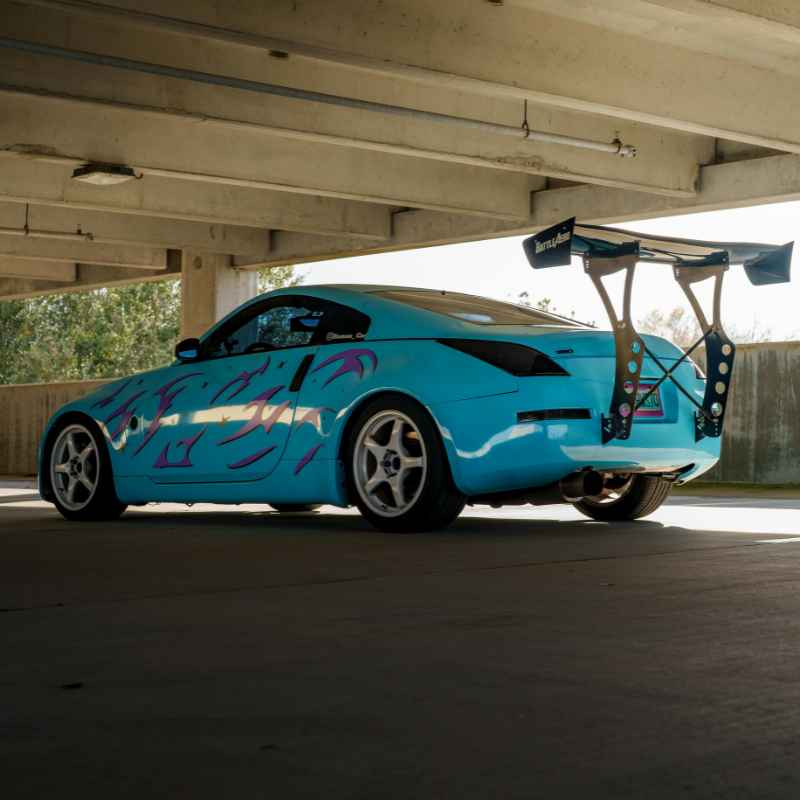
- Custom Paint Jobs: No custom flames, racing stripes, or personalized artwork is applied.
- Clear Coat Repair: Extensive clear coat peeling or failure is generally not repaired, as it implies deeper paint damage.
- Deep Scratch and Gouge Repair: While minor scratches are touched up, deep damage requiring significant body work and repainting is usually beyond their scope.
- Rust Removal and Repainting: Significant rust issues, especially those that compromise the structural integrity or require extensive body panel replacement and repainting, lead to rejection.
Why CarMax Focuses on Mechanical Over Full Cosmetic Repair
CarMax’s business philosophy is built on trust and transparency, with a strong emphasis on providing reliable used vehicles. Their primary concern is the mechanical soundness and safety of the cars they sell. A vehicle can have a perfect paint job but be unsafe to drive, whereas a car with minor paint blemishes but excellent mechanical condition is still a good purchase.
The cost of a full vehicle repaint can range from $3,000 to $10,000 or more, depending on the vehicle and the quality of the paint job. Incorporating such extensive and costly cosmetic work into every vehicle would significantly increase their overhead and, consequently, the prices they charge their customers. This would undermine their “no-haggle” pricing strategy and their goal of offering competitive prices for quality used cars.
Warning: Be aware that “minor cosmetic imperfections” can be subjective. Always inspect the vehicle thoroughly yourself, especially around common areas like door edges, bumpers, and wheel arches, to ensure you are comfortable with the cosmetic condition.
Furthermore, many car buyers prioritize a car that runs well over one with a perfect exterior. A car that has been meticulously maintained mechanically is a safer bet for long-term ownership. CarMax’s investment in mechanical reconditioning directly supports this buyer priority.
The Role of Third-Party Providers
While CarMax technicians handle many cosmetic repairs in-house, for more specialized tasks or when capacity is an issue, they may utilize third-party automotive reconditioning specialists. These could be local body shops or mobile detailing services. However, the scope of work provided by these third parties is still generally limited to the types of repairs already discussed: PDR, touch-ups, bumper scuffs, and minor scratch repairs.
CarMax maintains strict quality control over any external services they use. The goal is always to meet CarMax’s internal standards for presentation before a vehicle is put on the lot. The decision to use an external provider is driven by efficiency and the need to address specific cosmetic issues quickly and effectively, without resorting to a full repaint.
- Quality Assessment: CarMax technicians first assess the vehicle for mechanical and cosmetic condition.
- Repair Plan: A repair plan is created, prioritizing safety and mechanical fixes.
- Cosmetic Evaluation: For cosmetic issues, the decision is made whether it can be handled in-house or requires external expertise.
- Third-Party Engagement: If an external provider is used, CarMax specifies the exact repairs needed, often for specific issues like PDR or minor bumper scuffs.
- Quality Check: Upon completion, CarMax re-inspects the work to ensure it meets their standards before the car is made available for sale.
This tiered approach ensures that CarMax can manage a large inventory while maintaining a consistent level of quality for their customers.
What to Look For When Buying from CarMax
Although CarMax does a commendable job of reconditioning their vehicles, it’s always wise to be a diligent buyer. Since a full repaint is rare, you should expect to find minor cosmetic imperfections on some vehicles. Knowing what to look for will help you make an informed decision.
Pay close attention to the paint finish under different lighting conditions. Direct sunlight can highlight scratches and fading that might not be obvious in the showroom. Check the car from various angles and distances.
Also, examine the bumpers, door edges, and rocker panels, as these areas are prone to nicks and scuffs.
Don’t hesitate to ask the CarMax sales associate about the vehicle’s history and any significant cosmetic repairs that may have been performed. While they may not have detailed records of every touch-up, they can often provide general information. Their “no-haggle” policy means the price is fixed, but understanding the car’s condition allows you to negotiate your overall satisfaction and decide if it’s the right car for you.

Frequently Asked Questions
Does CarMax offer paint protection film?
No, CarMax does not offer or install paint protection film as part of its reconditioning or sales process. Their focus is on mechanical soundness and basic cosmetic repairs.
Can I negotiate the price if there are paint scratches?
CarMax operates on a no-haggle pricing model, meaning the listed price is generally firm. While they may not lower the price for minor cosmetic issues they’ve already assessed, you can always express your concerns, but don’t expect significant price reductions based on typical cosmetic wear.
Are vehicles at CarMax always in perfect condition?
Vehicles at CarMax are mechanically sound and presentably reconditioned. However, they are used cars, and minor cosmetic imperfections like small scratches or dings are common and generally not repaired if they are not significant.
What if a car has mismatched paint from a previous repair?
If a previous repair resulted in mismatched paint, CarMax would typically address this if it’s very noticeable or if it indicates a larger issue. However, minor variations might go unnoticed or be considered acceptable cosmetic wear, especially on older vehicles.
Can CarMax do custom paint jobs for buyers?
No, CarMax does not offer custom paint jobs. Their reconditioning process is standardized and focuses on bringing vehicles to a marketable condition, not personalizing them with custom paint.
Final Thoughts
In summary, CarMax does not paint cars in the traditional sense of offering full repaints or custom color changes. Their reconditioning process prioritizes mechanical reliability and addresses minor cosmetic flaws like scratches and dents with targeted repairs. If you’re looking for a car from CarMax, expect a mechanically sound vehicle that is clean and presentable, but be prepared for the possibility of minor cosmetic imperfections that are standard for a used car.
Products related to this article
Sponsored / affiliate links. As an Amazon Associate I earn from qualifying purchases. I may earn additional commission from eligible campaigns.