How Are Cars Made? Step-by-Step From Design to Delivery
Cars are made through six core stages – design, stamping, welding, painting, assembly, and quality testing – with robots handling body welding and paint spraying while people oversee final assembly and inspection. Skipping or rushing the welding or testing stage is exactly how safety recalls happen. This guide walks through every stage, the materials involved, and how long the full process takes from design to delivery.
Quick Answer
Building a car involves six main stages: design and engineering, stamping sheet steel into body panels, welding those panels into a body shell, painting, final assembly (engine, interior, wiring), and quality testing on a track. Once the assembly line starts, a single vehicle typically takes about 17-20 hours of total production time, though the full design-to-first-unit timeline for a new model spans 3-5 years.
Design Phase
Designers start with ideas. They sketch basic shapes and styles. Many brainstorm together. They pick the best concepts. These ideas become the blueprints for the car.
Next, they create models. First, they use clay. It’s easy to shape. After clay, they make digital models. Computers help to refine the design. They test aerodynamics and safety. Each prototype is a step closer to the final car.
Material Selection
Car makers pick strong and durable materials. They choose steel for the car frame. Aluminum is used for lightweight parts. Plastic and glass are for interior and windows. These materials must be high quality. They ensure the car is safe and lasts long.
Each material goes through strict checks. Tests ensure strength and safety. Weak materials are rejected. Consistency is key. All parts must meet standards. This process ensures reliable and safe cars.
How Car Bodies Are Formed: Stamping and Welding
Before a car ever reaches an assembly line, its body starts as flat sheets of steel or aluminum. Stamping is the process of pressing those flat sheets into shaped parts – doors, hoods, roofs, and side panels – using massive presses and steel molds called dies. Each stamped panel must match the design blueprint within a fraction of a millimeter.
Once the panels are stamped, welding joins them into a single rigid body shell, known in the industry as the “body-in-white.” Industrial robots handle most of this work using spot-welding and arc-welding techniques, guided by 6-axis robotic arms that can reach every seam on the body with consistent precision. This is one of the most heavily automated stages of car manufacturing – more so than final assembly, where people still do most of the work.
📊 A single car body typically requires 3,000-6,000 spot welds — Source: Teknia Group automotive manufacturing research, 2026
You can see the scale of this process across the wider industry in our breakdown of how many car manufacturers exist worldwide, and how their body-shop and paint-shop setups compare.
Manufacturing Process
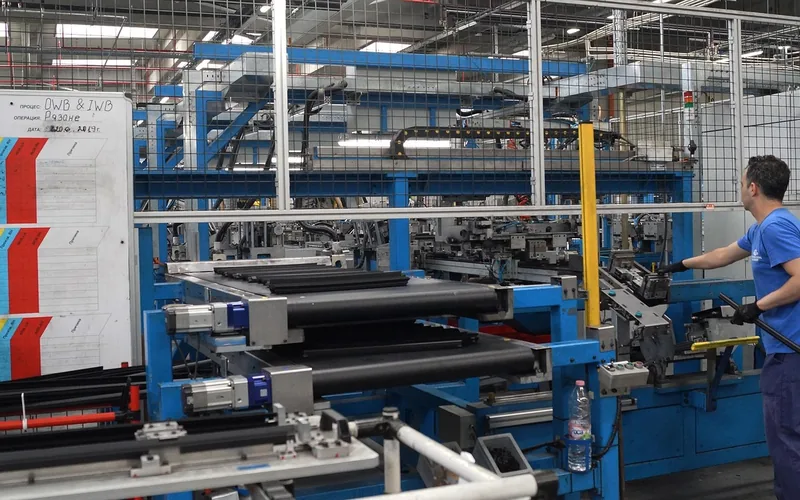
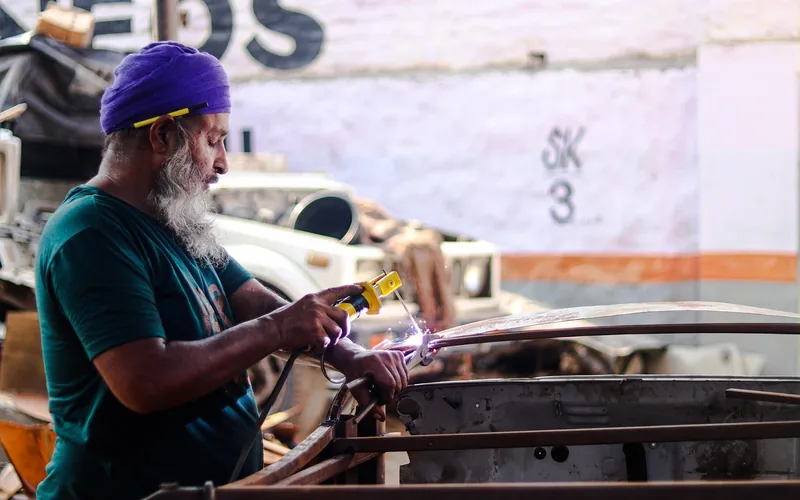
On the assembly line, workers put car parts together. Each worker has a specific job. One worker might attach doors. Another worker might fix the engine. It is like a team sport. The line moves slowly. Workers must be fast and precise.
Robots help a lot in car making. They are strong and fast. Robots can lift heavy parts. They can also weld metal parts together. Robots do the hard tasks. This makes work safer for people. Robots and humans work as a team. Together, they make cars faster and better.
How Many Parts Does a Car Have?
A typical modern car is made of roughly 30,000 individual parts when you count every fastener, wire, and small component, though the major assemblies (engine, transmission, body, interior, electronics) number in the low hundreds. Electric vehicles generally have far fewer moving parts than gas-powered cars since they lack a traditional engine and transmission, which is one reason EV assembly lines can run faster.
Do Robots Build the Entire Car by Themselves?
No. Robots dominate the body-welding and paint-spraying stages because those tasks reward speed and repeatable precision, but final assembly – installing seats, wiring, dashboards, and trim – is still done mostly by people, since these tasks require dexterity and judgment robots don’t handle well yet. Some manufacturers, including BMW and Tesla, have announced plans to bring humanoid robots onto assembly lines, but as of 2026 human workers still do the bulk of final assembly.
Engine Production
The engine assembly starts with precise parts. Workers put these parts together. Pistons and cylinders fit perfectly. Crankshafts and camshafts are added next. Each piece must match exactly. Robots help to place heavy parts. They make the job easier. Humans check the work. They ensure everything fits well. Engines are powerful once assembled.
After assembly, engines need testing. They must run smoothly. Technicians check for leaks and noises. Machines test the engine’s power. They measure its performance. Calibration adjusts the engine. It makes sure it works right. Every engine must pass these tests. Only then, it is ready for cars. Testing and calibration are crucial steps.
Interior And Exterior
Explore the fascinating process of car manufacturing. Discover how interior and exterior designs come together to create sleek, efficient vehicles. Learn about the materials and techniques used in car production.
Painting And Finishing
First, the car body gets cleaned. Dirt and dust must be removed. Then, a primer is applied. This helps the paint stick well. After that, the car gets its color. Paint is sprayed evenly. It dries in a special oven. Finally, a clear coat is added. This makes the car shiny. It also protects the paint.
Interior Installation
Seats are placed inside the car. These are fixed firmly. Next, the dashboard is installed. It holds many controls. Carpets are then laid down. They fit perfectly. Doors get their panels too. Each part is checked twice. This ensures safety and comfort. Every step is important.
Quality Assurance
Each car goes through a detailed inspection. Automakers like Audi run their own dedicated quality-control lines at each plant. Experts check every part. They look for defects. They measure and test components. Small mistakes can cause big problems. Inspectors use special tools. They check the engine, brakes, and lights. They also check the seats and doors. This ensures every car is safe. It must meet strict standards. Quality is very important.
Cars are tested for performance. They are driven on test tracks. Speed, handling, and braking are tested. Cars go through different conditions. Rain, snow, and rough roads. Engineers measure how cars react. They make adjustments if needed. This ensures cars perform well. They must be reliable in real-world conditions. Testing helps find any weaknesses. It ensures the car is ready for the road.
Distribution
Getting cars to the buyers is a big job. Logistics plays a key role. It involves transporting cars from factories – often located in different countries than the dealership – to showrooms. Trucks, ships, and trains help move these cars. Each step must be planned well. Timing is critical. Cars must arrive on time. This keeps the process smooth. A well-managed logistics system ensures cars are delivered quickly and safely.
Dealership networks are where buyers see and buy cars. These networks spread across cities and towns. They make cars accessible to everyone. Dealers show cars to customers. They explain car features. Dealers also offer test drives. This helps buyers choose the right car. Dealerships also provide after-sales services. They help in car maintenance and repairs. This builds trust among customers.
Customer Delivery
Before a car reaches the customer, final checks are done. The car is cleaned inside and out. Fluids are topped up. Tires are checked for proper pressure. This ensures safety and quality. The car gets a final inspection. Every detail is reviewed. This step ensures everything is perfect.
Handing over the keys is a big moment. The customer receives important documents. These include the car’s manual and warranty papers. The salesperson explains the features of the car. They answer any questions. Finally, the keys are given to the new owner. This moment marks the start of a new journey.
Frequently Asked Questions
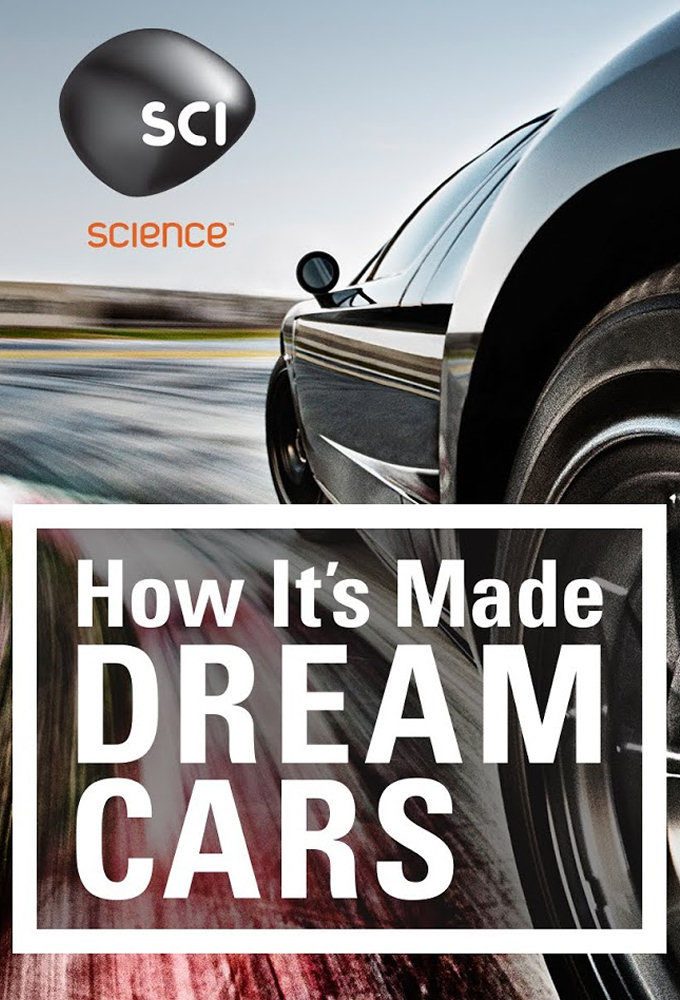
What Is The Show About How Cars Are Made?
The show about how cars are made is called “How It’s Made: Dream Cars. ” It explores the manufacturing process of high-end automobiles.
How Are Cars Made?
Cars are made through a detailed manufacturing process. It includes design, engineering, assembly, and quality control. Each step ensures the car meets safety and performance standards.
What Materials Are Used In Car Manufacturing?
Car manufacturing uses various materials. Common materials include steel, aluminum, plastic, glass, and rubber. These materials provide durability, strength, and safety.
How Long Does It Take To Make A Car?
The time to make a car varies. On average, it takes about 17-18 hours. This includes assembly, testing, and quality checks.
Conclusion
Building cars involves intricate processes and skilled craftsmanship. Each step ensures quality and safety. From design to assembly, every detail matters. Understanding this journey deepens our appreciation for automobiles. Next time you drive, think about the effort and expertise involved.
It’s a remarkable blend of technology and human talent. Keep exploring the world of cars. There’s always more to learn and admire.
The 6 Stages of Car Manufacturing
- Design and engineering: Designers sketch concepts, build clay and digital models, and test aerodynamics and safety before finalizing the blueprint.
- Stamping: Flat sheet steel and aluminum are pressed into body panels – doors, hoods, roofs – using industrial presses and dies.
- Welding: Robots join the stamped panels into a rigid body shell using thousands of spot welds.
- Painting: The body is cleaned, primed, sprayed with color, oven-dried, and finished with a protective clear coat.
- Assembly: The engine, transmission, wiring, seats, and dashboard are installed as the body moves down the line.
- Quality testing: Each car is inspected, driven on a test track, and checked for defects before shipping to dealers.
How Long Does It Take to Build a Car From Start to Finish?
Once the assembly line is running, a single vehicle typically takes 17-20 hours of production time from the start of the body shop to the final quality check. That’s separate from the design phase, which takes 3-5 years from initial concept to a model entering production.
– wp:paragraph –>Cars are made through six core stages – design, stamping, welding, painting, assembly, and quality testing – with robots handling body welding and paint spraying while people oversee final assembly and inspection. Skipping or rushing the welding or testing stage is exactly how safety recalls happen. This guide walks through every stage, the materials involved, and how long the full process takes from design to delivery.
Quick Answer
Building a car involves six main stages: design and engineering, stamping sheet steel into body panels, welding those panels into a body shell, painting, final assembly (engine, interior, wiring), and quality testing on a track. Once the assembly line starts, a single vehicle typically takes about 17-20 hours of total production time, though the full design-to-first-unit timeline for a new model spans 3-5 years.
Design Phase
Designers start with ideas. They sketch basic shapes and styles. Many brainstorm together. They pick the best concepts. These ideas become the blueprints for the car.
Next, they create models. First, they use clay. It’s easy to shape. After clay, they make digital models. Computers help to refine the design. They test aerodynamics and safety. Each prototype is a step closer to the final car.
Material Selection
Car makers pick strong and durable materials. They choose steel for the car frame. Aluminum is used for lightweight parts. Plastic and glass are for interior and windows. These materials must be high quality. They ensure the car is safe and lasts long.
Each material goes through strict checks. Tests ensure strength and safety. Weak materials are rejected. Consistency is key. All parts must meet standards. This process ensures reliable and safe cars.
How Car Bodies Are Formed: Stamping and Welding
Before a car ever reaches an assembly line, its body starts as flat sheets of steel or aluminum. Stamping is the process of pressing those flat sheets into shaped parts – doors, hoods, roofs, and side panels – using massive presses and steel molds called dies. Each stamped panel must match the design blueprint within a fraction of a millimeter.
Once the panels are stamped, welding joins them into a single rigid body shell, known in the industry as the “body-in-white.” Industrial robots handle most of this work using spot-welding and arc-welding techniques, guided by 6-axis robotic arms that can reach every seam on the body with consistent precision. This is one of the most heavily automated stages of car manufacturing – more so than final assembly, where people still do most of the work.
📊 A single car body typically requires 3,000-6,000 spot welds — Source: Teknia Group automotive manufacturing research, 2026
You can see the scale of this process across the wider industry in our breakdown of how many car manufacturers exist worldwide, and how their body-shop and paint-shop setups compare.
Manufacturing Process
On the assembly line, workers put car parts together. Each worker has a specific job. One worker might attach doors. Another worker might fix the engine. It is like a team sport. The line moves slowly. Workers must be fast and precise.
Robots help a lot in car making. They are strong and fast. Robots can lift heavy parts. They can also weld metal parts together. Robots do the hard tasks. This makes work safer for people. Robots and humans work as a team. Together, they make cars faster and better.
How Many Parts Does a Car Have?
A typical modern car is made of roughly 30,000 individual parts when you count every fastener, wire, and small component, though the major assemblies (engine, transmission, body, interior, electronics) number in the low hundreds. Electric vehicles generally have far fewer moving parts than gas-powered cars since they lack a traditional engine and transmission, which is one reason EV assembly lines can run faster.
Do Robots Build the Entire Car by Themselves?
No. Robots dominate the body-welding and paint-spraying stages because those tasks reward speed and repeatable precision, but final assembly – installing seats, wiring, dashboards, and trim – is still done mostly by people, since these tasks require dexterity and judgment robots don’t handle well yet. Some manufacturers, including BMW and Tesla, have announced plans to bring humanoid robots onto assembly lines, but as of 2026 human workers still do the bulk of final assembly.
Engine Production
The engine assembly starts with precise parts. Workers put these parts together. Pistons and cylinders fit perfectly. Crankshafts and camshafts are added next. Each piece must match exactly. Robots help to place heavy parts. They make the job easier. Humans check the work. They ensure everything fits well. Engines are powerful once assembled.
After assembly, engines need testing. They must run smoothly. Technicians check for leaks and noises. Machines test the engine’s power. They measure its performance. Calibration adjusts the engine. It makes sure it works right. Every engine must pass these tests. Only then, it is ready for cars. Testing and calibration are crucial steps.
Interior And Exterior
Explore the fascinating process of car manufacturing. Discover how interior and exterior designs come together to create sleek, efficient vehicles. Learn about the materials and techniques used in car production.
Painting And Finishing
First, the car body gets cleaned. Dirt and dust must be removed. Then, a primer is applied. This helps the paint stick well. After that, the car gets its color. Paint is sprayed evenly. It dries in a special oven. Finally, a clear coat is added. This makes the car shiny. It also protects the paint.
Interior Installation
Seats are placed inside the car. These are fixed firmly. Next, the dashboard is installed. It holds many controls. Carpets are then laid down. They fit perfectly. Doors get their panels too. Each part is checked twice. This ensures safety and comfort. Every step is important.
Quality Assurance
Each car goes through a detailed inspection. Automakers like Audi run their own dedicated quality-control lines at each plant. Experts check every part. They look for defects. They measure and test components. Small mistakes can cause big problems. Inspectors use special tools. They check the engine, brakes, and lights. They also check the seats and doors. This ensures every car is safe. It must meet strict standards. Quality is very important.
Cars are tested for performance. They are driven on test tracks. Speed, handling, and braking are tested. Cars go through different conditions. Rain, snow, and rough roads. Engineers measure how cars react. They make adjustments if needed. This ensures cars perform well. They must be reliable in real-world conditions. Testing helps find any weaknesses. It ensures the car is ready for the road.
Distribution
Getting cars to the buyers is a big job. Logistics plays a key role. It involves transporting cars from factories – often located in different countries than the dealership – to showrooms. Trucks, ships, and trains help move these cars. Each step must be planned well. Timing is critical. Cars must arrive on time. This keeps the process smooth. A well-managed logistics system ensures cars are delivered quickly and safely.
Dealership networks are where buyers see and buy cars. These networks spread across cities and towns. They make cars accessible to everyone. Dealers show cars to customers. They explain car features. Dealers also offer test drives. This helps buyers choose the right car. Dealerships also provide after-sales services. They help in car maintenance and repairs. This builds trust among customers.
Customer Delivery
Before a car reaches the customer, final checks are done. The car is cleaned inside and out. Fluids are topped up. Tires are checked for proper pressure. This ensures safety and quality. The car gets a final inspection. Every detail is reviewed. This step ensures everything is perfect.
Handing over the keys is a big moment. The customer receives important documents. These include the car’s manual and warranty papers. The salesperson explains the features of the car. They answer any questions. Finally, the keys are given to the new owner. This moment marks the start of a new journey.
Frequently Asked Questions
What Is The Show About How Cars Are Made?
The show about how cars are made is called “How It’s Made: Dream Cars. ” It explores the manufacturing process of high-end automobiles.
How Are Cars Made?
Cars are made through a detailed manufacturing process. It includes design, engineering, assembly, and quality control. Each step ensures the car meets safety and performance standards.
What Materials Are Used In Car Manufacturing?
Car manufacturing uses various materials. Common materials include steel, aluminum, plastic, glass, and rubber. These materials provide durability, strength, and safety.
How Long Does It Take To Make A Car?
The time to make a car varies. On average, it takes about 17-18 hours. This includes assembly, testing, and quality checks.
Conclusion
Building cars involves intricate processes and skilled craftsmanship. Each step ensures quality and safety. From design to assembly, every detail matters. Understanding this journey deepens our appreciation for automobiles. Next time you drive, think about the effort and expertise involved.
It’s a remarkable blend of technology and human talent. Keep exploring the world of cars. There’s always more to learn and admire.
The 6 Stages of Car Manufacturing
- Design and engineering: Designers sketch concepts, build clay and digital models, and test aerodynamics and safety before finalizing the blueprint.
- Stamping: Flat sheet steel and aluminum are pressed into body panels – doors, hoods, roofs – using industrial presses and dies.
- Welding: Robots join the stamped panels into a rigid body shell using thousands of spot welds.
- Painting: The body is cleaned, primed, sprayed with color, oven-dried, and finished with a protective clear coat.
- Assembly: The engine, transmission, wiring, seats, and dashboard are installed as the body moves down the line.
- Quality testing: Each car is inspected, driven on a test track, and checked for defects before shipping to dealers.
How Long Does It Take to Build a Car From Start to Finish?
Once the assembly line is running, a single vehicle typically takes 17-20 hours of production time from the start of the body shop to the final quality check. That’s separate from the design phase, which takes 3-5 years from initial concept to a model entering production.
Products related to this article
Sponsored / affiliate links. As an Amazon Associate I earn from qualifying purchases. I may earn additional commission from eligible campaigns.