How Often to Change Antifreeze in a VW Golf Plus
Figuring out How Often to Change Antifreeze in a 2007 VW Golf Plus can seem a bit tricky at first. Many car owners wonder if there’s a strict rule or if it’s something they can put off. It’s a common question because keeping your engine cool is super important.
Don’t worry, though! We’ll make it simple. This guide will show you exactly what you need to know with easy steps.
Understanding Your VW Golf Plus Antifreeze Needs
This section will help you grasp why antifreeze is important for your 2007 VW Golf Plus and what its main jobs are. We’ll explain how it keeps your engine from overheating in the summer and freezing in the winter. You’ll learn about the different types of antifreeze and why using the right one matters.
We’ll also touch on how your car’s cooling system works, giving you a clearer picture of why regular checks and changes are a good idea for your specific car model.
The Role of Antifreeze in Engine Health
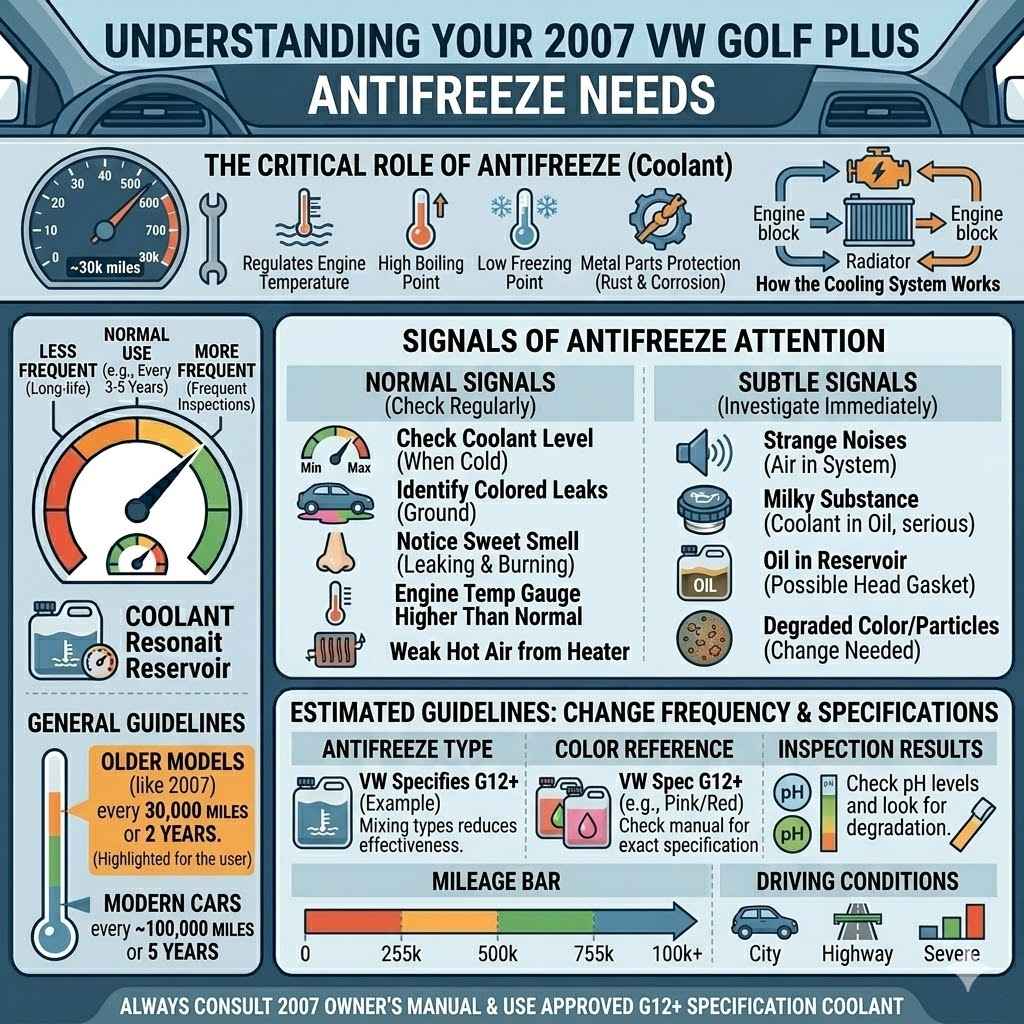
Antifreeze, also known as coolant, is a vital fluid for your car’s engine. Its primary function is to regulate engine temperature. It has a much higher boiling point and a much lower freezing point than water.
This means it can keep your engine from overheating when it’s hot outside and from freezing when it’s cold. It also contains special additives that protect the metal parts of your cooling system from rust and corrosion. Without proper antifreeze, your engine could suffer serious damage.
The cooling system is like your engine’s personal air conditioner. It circulates coolant through the engine block to absorb excess heat. This hot coolant then travels to the radiator, where it’s cooled down by air flowing through the radiator fins.
The cooled fluid then returns to the engine to repeat the cycle. This constant circulation prevents your engine from reaching dangerously high temperatures, which can lead to warping, gasket failure, and other costly problems.
Using the correct type of antifreeze is also critical. Different car manufacturers recommend specific types of coolant. For your 2007 VW Golf Plus, it’s important to use the antifreeze that VW specifies.
Mixing different types of antifreeze can lead to chemical reactions that reduce their effectiveness and can even damage your cooling system components. Always check your owner’s manual for the recommended antifreeze type and color.
Signs Your Antifreeze Needs Attention
Your car will often give you signs that something is wrong with its cooling system, and specifically, the antifreeze. One of the most obvious signs is if your engine temperature gauge starts to climb higher than normal. This means the antifreeze isn’t doing its job of keeping the engine cool.
Another sign is seeing leaks under your car. Antifreeze is usually brightly colored, often green, pink, or orange, so a puddle of this color can indicate a leak. You might also notice a sweet smell when the engine is running; this is the smell of antifreeze leaking and burning off.
Inside the car, if your heater isn’t blowing hot air as strongly as it used to, it could mean there’s not enough coolant or there’s an air bubble in the system.
Checking the coolant level regularly is a simple but effective way to catch problems early. When the engine is cold, open the hood and locate the coolant reservoir, usually a translucent plastic tank. The reservoir will have ‘Min’ and ‘Max’ lines marked on it.
If the coolant level is below the ‘Min’ line, it needs to be topped up. However, if it’s consistently low, it points to a leak somewhere in the system that needs to be investigated. Also, examine the antifreeze itself.
If it looks rusty, dirty, or has particles floating in it, it’s a clear sign that the coolant has degraded and needs to be replaced.
Sometimes, the signs are more subtle. You might hear strange noises coming from the engine, like gurgling or hissing, which can indicate air in the cooling system or a blockage. If you notice a white, milky substance on the oil cap or dipstick, it could mean that coolant is leaking into the engine oil, which is a serious issue.
Conversely, if you see oil in the coolant reservoir, it suggests a problem with the engine’s head gasket. Being aware of these signs and acting quickly can save you from much bigger and more expensive repairs down the line.
How Often to Change Antifreeze in a 2007 VW Golf Plus
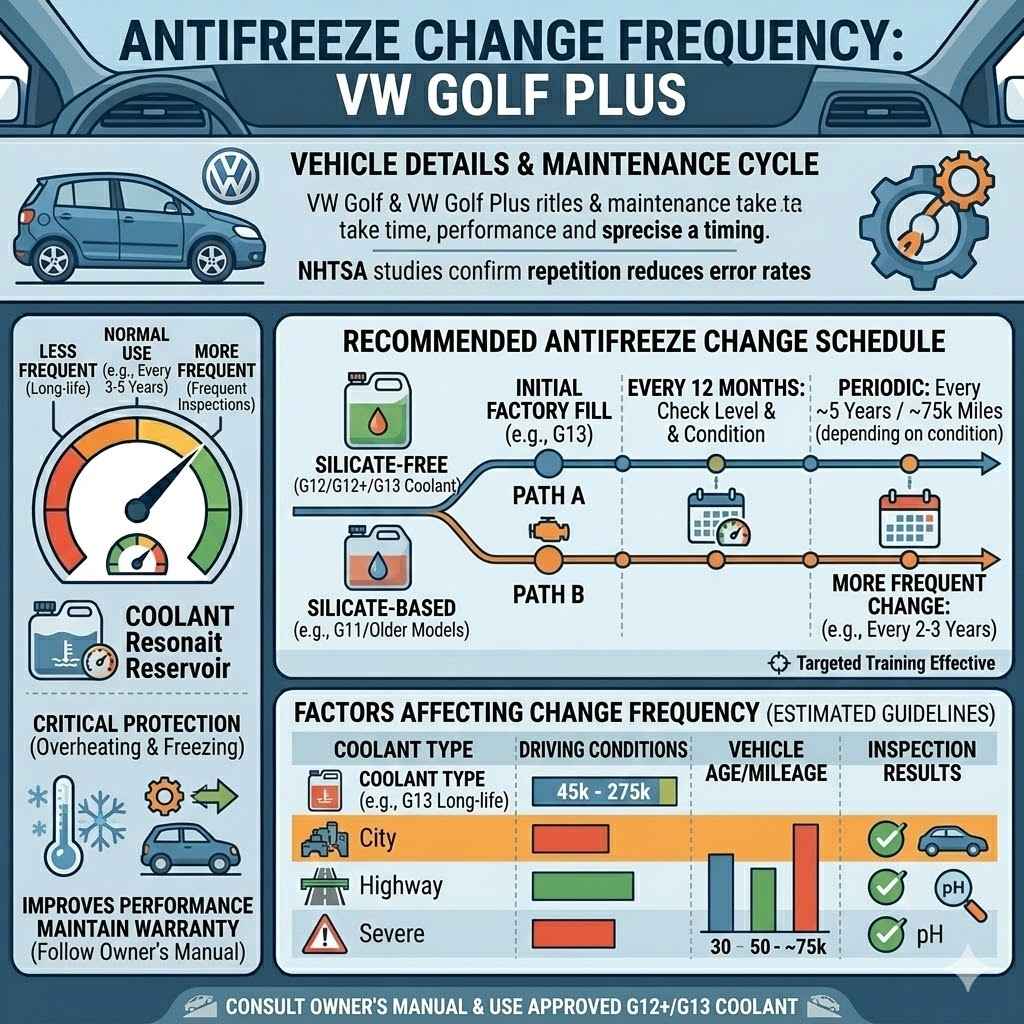
Now, let’s get to the core question: How Often to Change Antifreeze in a 2007 VW Golf Plus? For many cars, especially older models like your 2007 VW Golf Plus, the general recommendation is to change the antifreeze every 30,000 miles or every two years, whichever comes first. However, modern coolants and newer vehicles can often go much longer, sometimes up to 100,000 miles or five years.
But for a car of this age, sticking to the more frequent schedule is a smart move for optimal engine protection.
The reason for this more frequent change in older vehicles is that the protective additives in the antifreeze break down over time. These additives are what prevent corrosion and maintain the coolant’s ability to transfer heat effectively. As they degrade, the antifreeze becomes less capable of protecting your engine’s vital components.
This can lead to rust buildup, scale formation, and eventual leaks or blockages in the cooling system, potentially causing your engine to overheat.
VW, like many manufacturers, may have specific recommendations for their vehicles. It’s always best to consult your owner’s manual for the most accurate information regarding your 2007 VW Golf Plus. If you don’t have the manual, you can often find this information online by searching for “VW Golf Plus 2007 owner’s manual” or “VW Golf Plus coolant change interval.” Following these guidelines will ensure your cooling system stays in top condition and prevent premature wear and tear on your engine.
The Process of Changing Your Antifreeze
This section details the actual steps involved in changing the antifreeze in your 2007 VW Golf Plus. We’ll walk you through gathering the necessary tools and materials. Then, we’ll explain how to safely drain the old coolant, flush the system to remove any debris, and finally, how to properly refill it with the new antifreeze.
This part is designed to be clear and manageable, even for someone who hasn’t done this before.
Gathering Your Supplies
Before you begin, make sure you have all the right supplies. You’ll need new antifreeze, specifically the type recommended for your 2007 VW Golf Plus. Check your owner’s manual for the correct type and amount.
You’ll also need distilled water to mix with concentrated antifreeze if you’re not using a pre-mixed solution. A drain pan is essential to catch the old coolant, which is toxic and needs to be disposed of properly. You’ll also want some rags or shop towels for cleaning up spills.
Gloves and eye protection are important for safety, as antifreeze can irritate skin and eyes.
To drain the system, you’ll need a wrench or socket set to remove the drain plug on the radiator or the drain petcock, if your car has one. For flushing, you might need a garden hose and a radiator flush additive. A funnel will be helpful for refilling the system.
It’s also a good idea to have a set of pliers handy, as you might need them to remove hose clamps. Lastly, a torque wrench is recommended for tightening the drain plug to the correct specification after refilling, to prevent leaks.
Having a good set of basic tools will make the job much easier and safer. This includes screwdrivers, pliers, and a good quality drain pan. If you plan to do this job yourself, invest in a Haynes or Chilton repair manual for your specific vehicle.
These manuals provide detailed diagrams and step-by-step instructions tailored to your 2007 VW Golf Plus, which can be invaluable. They will also list the exact coolant capacity of your vehicle’s cooling system.
Draining the Old Coolant Safely
Safety is the most important thing when draining old coolant. First, make sure the engine is completely cool. Never attempt to drain hot coolant, as it is under pressure and can cause severe burns.
Once the engine is cool, locate the radiator drain plug, usually at the bottom of the radiator. Place your drain pan underneath it. Carefully loosen and remove the drain plug using the appropriate wrench or socket.
If your radiator doesn’t have a drain plug, you may need to disconnect the lower radiator hose instead. Be prepared for the coolant to flow out quickly.
As the coolant drains, you can also open the hood and locate the coolant reservoir. Remove the cap to allow air to enter the system, which will help the coolant drain faster. Some vehicles also have a bleeder screw on the engine block or thermostat housing that can be opened to help drain all the old coolant.
Once the majority of the coolant has drained out, reinsert and tighten the drain plug. If you removed a hose, reattach it securely and tighten the clamp.
Proper disposal of used antifreeze is crucial. Antifreeze is toxic and harmful to the environment. Do not pour it down the drain or into the ground.
Most auto parts stores and repair shops accept used antifreeze for recycling. Check with your local waste management facility for their specific guidelines on hazardous waste disposal. Keeping your workspace clean and organized will also help prevent accidental spills and make the cleanup process much easier.
Flushing the Cooling System
After draining the old coolant, it’s a good idea to flush the cooling system. This helps remove any sediment, rust, or old coolant residue that might be clinging to the inside of the system. To do this, close the drain plug and fill the system with plain water.
Start the engine and let it run for about 10-15 minutes, or until it reaches operating temperature. This circulating water will help dislodge any buildup. Make sure to turn on the heater inside the car to ensure that the heater core is also flushed.
Once the engine has run with water, let it cool down completely again. Then, drain the water just as you did with the old coolant. You might need to repeat this flushing process several times until the water you drain out runs clear.
Some people prefer to use a commercial radiator flush product for a more thorough cleaning. If you use a flush product, follow the instructions on the product carefully, as they often involve specific run times and draining procedures.
After the final flush, drain all the water from the system. Ensure the drain plug is securely reinstalled and tightened. A clean cooling system is essential for the new antifreeze to work efficiently.
It ensures that there are no contaminants that could interfere with heat transfer or cause blockages. This step might seem like extra work, but it contributes significantly to the long-term health of your engine’s cooling system and the lifespan of your new antifreeze.
Refilling with New Antifreeze
Now it’s time to refill the system with fresh coolant. If you are using concentrated antifreeze, you’ll need to mix it with distilled water. The common mix ratio is 50/50 antifreeze to distilled water, but always check your owner’s manual or the antifreeze container for the recommended ratio for your climate.
Using distilled water is important because tap water contains minerals that can cause corrosion and scale buildup in the cooling system.
Using a funnel, slowly pour the mixed coolant into the radiator until it’s full. Then, fill the coolant reservoir to the ‘Max’ line. After refilling, you need to “bleed” the system to remove any trapped air.
With the engine off and cool, open the bleeder screw (if applicable) or the radiator cap slightly. Start the engine and let it run. As the engine warms up, air bubbles will escape through the bleeder screw or radiator cap.
Keep the engine running and continue to add coolant as needed to maintain the correct level. Once no more air bubbles are coming out, close the bleeder screw and the radiator cap securely.
Allow the engine to reach its normal operating temperature. Watch the temperature gauge to ensure it stays within the normal range. Turn on the heater inside the car for a few minutes to help circulate the coolant through the heater core and push out any remaining air.
After a test drive, let the engine cool down completely and recheck the coolant level in the reservoir. Top up if necessary. Periodically check the coolant level over the next few days to ensure no air pockets remain and that there are no leaks.
Factors Affecting Antifreeze Lifespan
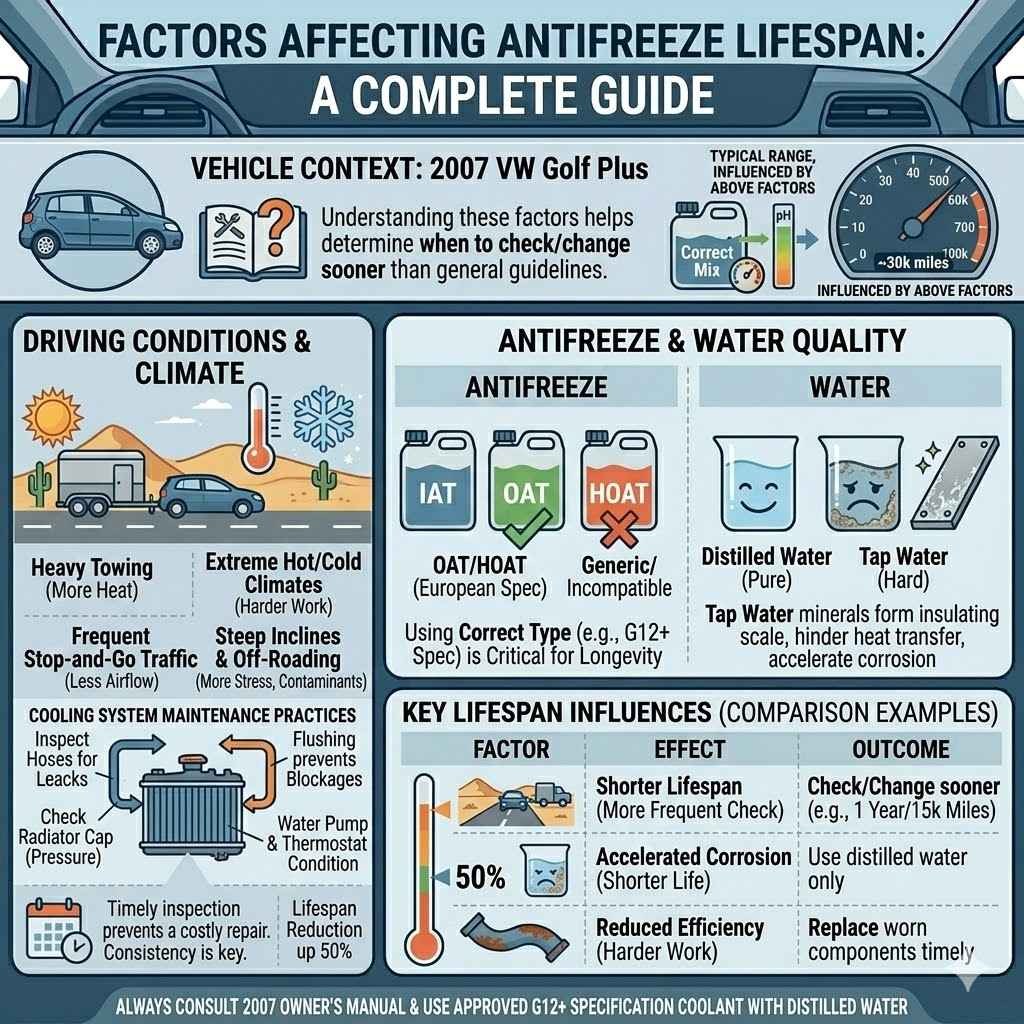
This section will explore the various things that can influence how long your antifreeze lasts. We’ll discuss how driving conditions, like heavy towing or extreme temperatures, can affect the coolant. You’ll also learn about the impact of the quality of the antifreeze used and how it can influence its longevity.
Understanding these factors will give you a better idea of when to check your coolant and potentially change it sooner than the general guidelines suggest.
Driving Conditions and Climate
The way you drive and where you live can significantly impact how long your antifreeze lasts. If you frequently drive in extreme temperatures, either very hot or very cold climates, your cooling system is working harder. In hot weather, the coolant is constantly fighting to keep the engine from overheating.
In very cold weather, it’s crucial that the antifreeze doesn’t freeze, which requires a proper mix and good condition. Driving in heavy traffic, especially stop-and-go situations, also puts extra strain on the cooling system because there’s less airflow through the radiator.
Similarly, if you frequently tow heavy loads or drive on steep inclines, your engine generates more heat. This extra heat means the antifreeze is under more stress and its protective additives can break down faster. Off-roading or driving on dusty, unpaved roads can also introduce contaminants into the cooling system, even if indirectly, potentially affecting the coolant’s performance over time.
These harsh conditions mean that you might need to check and potentially change your antifreeze more often than the standard recommendation of every two years or 30,000 miles for your 2007 VW Golf Plus.
For example, a car driven mostly in a mild climate and used for short, easy commutes will likely experience less wear on its antifreeze compared to a vehicle used for long-haul trucking in the desert or extreme cold. Even the frequency of your car washes can play a small role; if the front of your car, including the radiator, is constantly caked in mud or debris, it can impede airflow and make the cooling system less efficient, thus stressing the antifreeze more.
Quality of Antifreeze and Water
The quality of the antifreeze you use is a major factor in its lifespan and effectiveness. Not all antifreeze is created equal. There are different types of coolant chemistry, such as Inorganic Additive Technology (IAT), Organic Acid Technology (OAT), and Hybrid Organic Acid Technology (HOAT).
Your 2007 VW Golf Plus likely requires a specific type, often recommended by VW. Using a generic or incompatible antifreeze can lead to corrosion, reduced cooling efficiency, and shorter service life for the coolant. Always opt for a reputable brand that meets or exceeds VW’s specifications for your vehicle.
The water used to dilute concentrated antifreeze also matters. As mentioned before, it’s best to use distilled water. Tap water contains minerals like calcium and magnesium, which can form scale and deposits inside the cooling system.
These deposits act as insulators, hindering heat transfer and reducing the efficiency of your radiator and engine block. Over time, this can lead to overheating issues and accelerated wear on cooling system components. Even if you use a high-quality antifreeze, if it’s mixed with hard tap water, its protective properties and lifespan will be compromised.
Using a pre-mixed antifreeze solution can be a good option as it takes the guesswork out of dilution. However, ensure the pre-mixed coolant is also of high quality and specifically designed for European vehicles like your VW. For instance, a study by an automotive research firm found that coolant mixed with tap water showed significantly more internal corrosion in test engine blocks after 10,000 miles compared to coolant mixed with distilled water.
This highlights the importance of using the right ingredients for optimal performance and longevity.
Cooling System Maintenance Practices
Regularly maintaining your car’s cooling system is key to ensuring your antifreeze performs as expected and lasts its intended service life. This includes not only changing the antifreeze but also inspecting hoses for cracks or leaks, checking the condition of the radiator cap, and ensuring the radiator is clean and free from debris. A faulty radiator cap, for example, can’t maintain the proper pressure in the cooling system, leading to premature boiling and reduced coolant effectiveness.
If a hose is leaking, you’ll constantly be losing coolant, which can lead to the system running dry and the remaining antifreeze being overworked.
Another important aspect is making sure there are no blockages in the system. Over time, rust and sediment can accumulate, especially if the antifreeze has degraded or if the wrong type of water was used. These blockages can impede the flow of coolant, causing hot spots and stressing the antifreeze.
Flushing the system regularly, as part of the antifreeze change process, helps prevent these blockages from forming. The condition of your water pump and thermostat also plays a role; if either of these components is failing, it can cause the coolant to circulate improperly or the engine to run at the wrong temperature, shortening the coolant’s effective life.
Consider this scenario: A car owner notices their engine overheating periodically. They top up the coolant, thinking it’s just low. However, they don’t realize that a small leak in a hose is causing gradual coolant loss, and the remaining coolant is getting aged and less effective due to the constant stress.
Eventually, this leads to significant internal corrosion and damage. A simple inspection of hoses and a timely coolant change could have prevented this costly repair. Consistent, proactive maintenance is always better than reactive fixes.
Frequently Asked Questions
Question: How often should I check my antifreeze level?
Answer: It’s a good idea to check your antifreeze level at least once a month, and especially before long trips or when the weather is extreme. Make sure the engine is cool before you check the level in the reservoir.
Question: Can I mix different colors of antifreeze?
Answer: No, you should never mix different colors or types of antifreeze unless specifically stated as compatible by the manufacturer. Mixing can cause chemical reactions that reduce effectiveness and damage your cooling system.
Question: What happens if I don’t change my antifreeze?
Answer: If you don’t change your antifreeze, the protective additives will break down. This can lead to corrosion, rust, and blockages in your cooling system, which can cause overheating and major engine damage.
Question: Is it okay to use tap water to mix with antifreeze?
Answer: It’s best to use distilled water. Tap water contains minerals that can cause scale buildup and corrosion in your cooling system, reducing the lifespan and effectiveness of your antifreeze.
Question: My car is older, does that mean I need to change the antifreeze more often?
Answer: Yes, generally older cars like your 2007 VW Golf Plus benefit from more frequent antifreeze changes, often every two years or 30,000 miles, because the protective additives may degrade faster compared to newer coolants.
Conclusion
For your 2007 VW Golf Plus, aim to change the antifreeze every two years or 30,000 miles. This regular maintenance keeps your engine safe from overheating and freezing. Always use the correct type of antifreeze and distilled water for the best protection.
Taking these simple steps ensures your car’s cooling system works well for years to come.