How to Protect Your Car in Freezing Weather
Winter can be tough on your car. When temperatures drop, many people wonder How to Protect Your Car in Freezing Weather. It might seem tricky, especially if you’re new to dealing with cold climates.
But don’t worry, taking care of your vehicle doesn’t have to be hard. We’ll go through simple steps to keep your car running smoothly all winter long. Get ready to learn what you need to do to stay safe and warm.
Keeping Your Car Ready for Cold
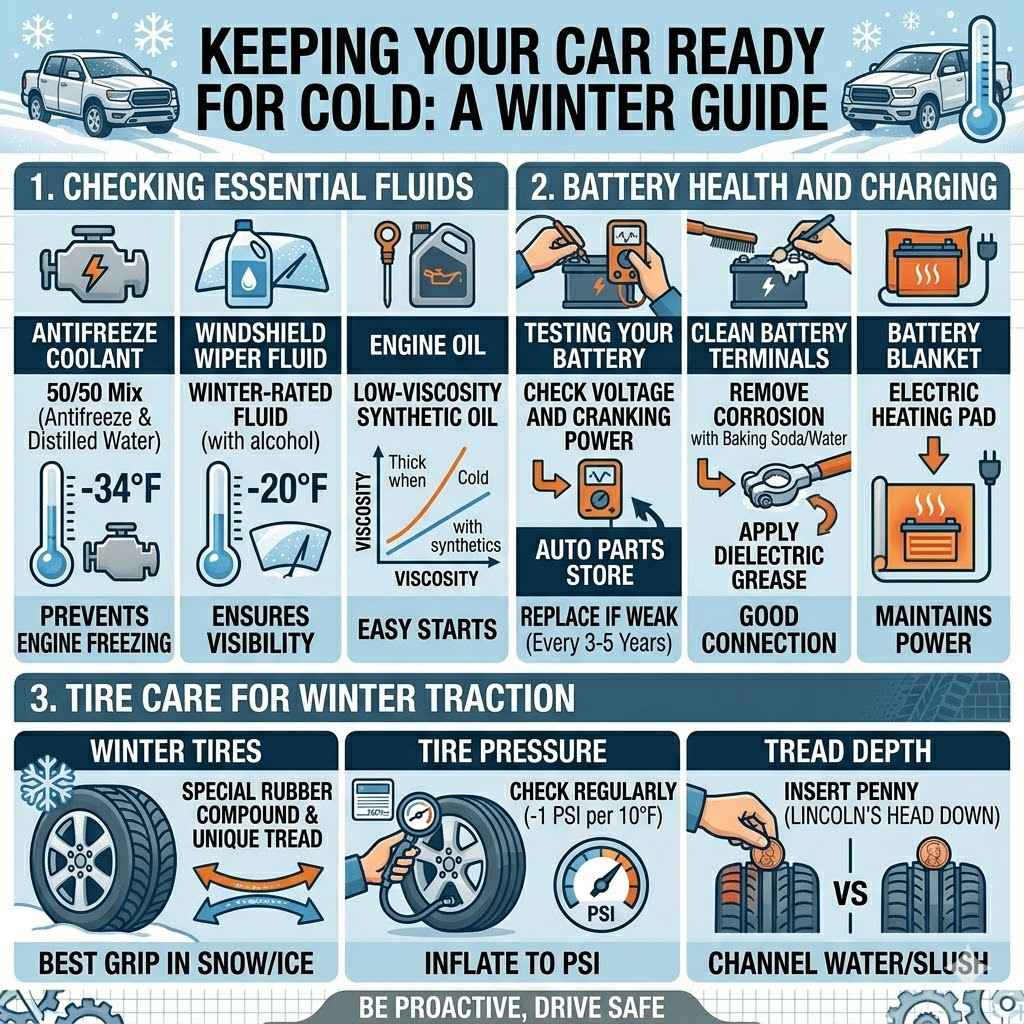
This section focuses on the essential preparations your car needs before winter truly sets in. It covers the vital fluids, battery health, and tire condition that are critical for reliable operation in freezing temperatures. Preparing your vehicle proactively can prevent many common winter driving problems and ensure you can get where you need to go without hassle.
We will explore the key areas that need attention to make your car more resilient against the cold.
Checking Essential Fluids
Fluids are like the blood of your car. In freezing weather, some fluids can turn into ice or lose their effectiveness if they’re not the right kind or if they are low. This can cause serious damage to your engine and other parts.
Making sure your car has the correct fluids for cold weather is a top priority for protecting your car in freezing weather.
Antifreeze Coolant
Antifreeze, also known as coolant, is vital for your engine’s temperature regulation. It’s not just for hot weather; it also prevents your engine block from freezing and cracking when it’s very cold outside. You need to ensure your coolant is a 50/50 mix of antifreeze and distilled water.
This mixture has a much lower freezing point than plain water. Always check your car’s manual for the specific type of antifreeze recommended. A proper mix can keep your coolant from freezing down to -34 degrees Fahrenheit (-37 degrees Celsius).
Low coolant levels or using the wrong type can lead to overheating in summer and freezing in winter.
Windshield Wiper Fluid
Clear visibility is crucial when driving in snowy or icy conditions. Regular water will freeze in your wiper fluid reservoir and hoses, rendering your wipers useless. You need to use a washer fluid that is rated for winter.
These fluids contain alcohol, which lowers the freezing point significantly, often to -20 degrees Fahrenheit (-29 degrees Celsius) or even lower. Keeping your reservoir full with the right fluid ensures you can wash away salt, grime, and ice from your windshield.
Engine Oil
Engine oil lubricates moving parts and helps reduce friction. In very cold temperatures, some oils can become thick, like molasses, making it harder for the engine to start and for the oil to reach all necessary parts. This extra strain can cause premature wear.
For cold weather, it’s best to use a synthetic oil that is rated for lower temperatures. These oils maintain a better viscosity when cold. Check your owner’s manual for the recommended oil weight for your climate.
Using the correct oil ensures your engine can start and run smoothly, even on the coldest mornings.
Battery Health and Charging
Your car’s battery has a tough job in the cold. Cold weather significantly reduces a battery’s cranking power, meaning it has less energy to start the engine. This is why cars are more likely to fail to start on a very cold day.
A weak battery that might work in warmer months can suddenly die when the temperature plummets.
Testing Your Battery
Before winter arrives, it’s a good idea to have your battery tested. Most auto parts stores can do this for free. They can check the battery’s voltage and its overall health.
If the battery is old or shows signs of weakness, it’s wise to replace it before you’re stranded in the cold. A battery typically lasts 3-5 years, but cold weather can shorten that lifespan.
Clean Battery Terminals
Corrosion on the battery terminals can prevent the battery from making a good connection, hindering its ability to deliver power. Clean any white or greenish build-up from the terminals with a wire brush. You can use a mixture of baking soda and water to help clean them, then rinse with plain water and dry thoroughly.
Once clean, you can apply a thin layer of dielectric grease to prevent future corrosion.
Consider a Battery Blanket
For extreme cold, a battery blanket can be a helpful accessory. This is an electric heating pad that wraps around your battery. When plugged in (usually into an outdoor outlet), it keeps the battery warm, maintaining its cranking power.
This is particularly useful in regions with prolonged periods of very low temperatures.
Tire Care for Winter Traction
Tires are your car’s only contact with the road. In freezing conditions, good traction is essential for safety. Standard tires can become hard and lose grip on ice and snow.
Investing a little in your tires can make a big difference in how well you can drive and stop.
The best option for winter driving is to use dedicated winter tires. These tires are made with a special rubber compound that stays flexible in cold temperatures. They also have a unique tread pattern designed to bite into snow and ice, providing much better grip than all-season or summer tires.
While it means buying an extra set of tires, many drivers find the improved safety and performance well worth the cost.
Tire Pressure
Cold weather causes tire pressure to drop. For every 10-degree Fahrenheit drop in temperature, tire pressure can decrease by about 1 PSI (pound per square inch). Underinflated tires don’t perform as well and can be more prone to damage.
Check your tire pressure regularly, at least once a month, and inflate them to the recommended PSI found on the sticker inside your driver’s side doorjamb or in your owner’s manual.
Tread Depth
Adequate tread depth is crucial for channeling water and slush away from the tire’s contact patch. Worn tires can’t grip the road effectively, increasing the risk of hydroplaning or sliding. Use a tread depth gauge or a penny to check.
Insert a penny into the deepest part of the tread with Lincoln’s head facing down. If you can see the top of Lincoln’s head, your tread depth is too low and you should consider new tires.
Protecting Your Car’s Exterior and Interior
Beyond the mechanical aspects, protecting your car’s body and interior from the harsh effects of winter is also important. Salt, ice, and moisture can cause rust and damage paintwork. Keeping the inside comfortable and functional also makes winter driving more pleasant.
This section looks at ways to shield your car from the elements and keep it looking good.
Washing and Waxing for Protection
Regular washing, especially after exposure to road salt, is key to preventing rust. Salt is highly corrosive and can eat away at your car’s metal parts. Waxing provides a protective barrier against this and other winter grime.
Frequent Washing
Road salt and de-icing chemicals are the biggest enemies of your car’s exterior during winter. These substances can accelerate rust formation, especially on the undercarriage, wheel wells, and body panels. Aim to wash your car every few weeks during winter, or more often if you drive on treated roads frequently.
Many automatic car washes offer an undercarriage spray option, which is highly recommended.
Applying Wax
A good coat of wax acts as a shield for your car’s paint. Apply a quality car wax before winter officially begins. The wax fills in microscopic pores in the paint, creating a smooth surface that repels water, salt, and dirt.
This layer makes it harder for corrosive substances to reach the metal and also makes your car easier to clean throughout the season. Look for a durable synthetic wax for longer-lasting protection.
Protecting Against Ice
Ice can be a nuisance and can even cause damage if you try to force open frozen doors or windows. Apply a silicone-based lubricant to the rubber seals around your doors, windows, and trunk. This will prevent them from freezing shut.
For windshield wipers, lift them off the windshield when not in use to prevent them from freezing to the glass. Some people also use a thin plastic cover for their wipers.
Interior Care and Comfort
The inside of your car can also suffer from winter conditions. Moisture can lead to musty smells and even mold. Keeping the interior clean and dry makes the driving experience much better.
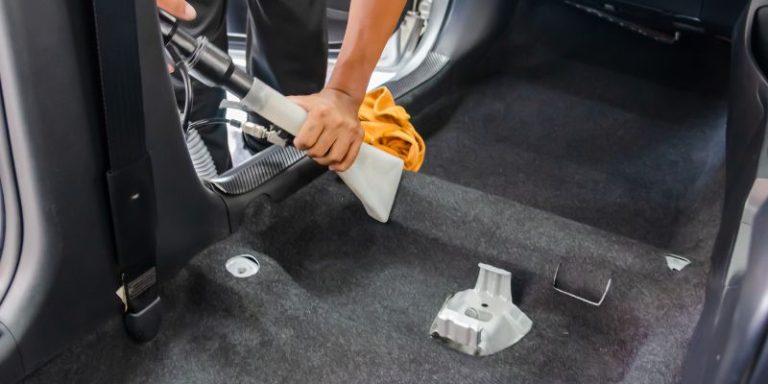
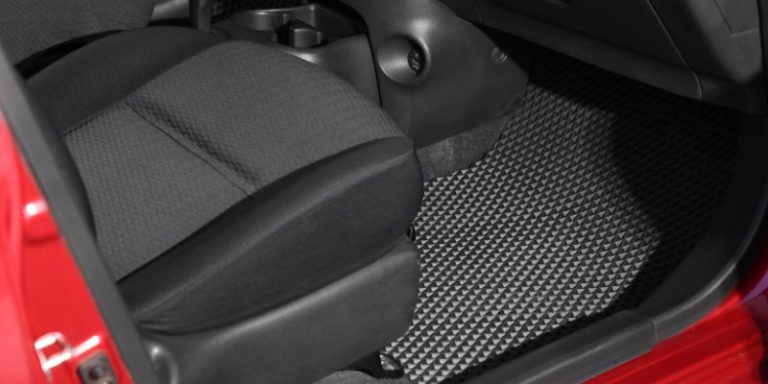
Standard carpet Floor Mats are not ideal for winter. They absorb moisture, snow, and salt, which can then dry and damage the carpet or even lead to mold and mildew growth. All-weather rubber or heavy-duty plastic floor mats are a much better choice.
They have raised edges that contain melting snow and salt, making them easy to remove and clean. This simple switch protects your car’s interior significantly.
Dehumidifying
Excess moisture inside your car can lead to foggy windows, which impairs visibility and can cause damage over time. Use a dehumidifier designed for cars. These are small bags filled with desiccant material that absorb moisture.
You can also open your windows for a few minutes on drier days to air out the car. Keeping your defroster working efficiently also helps manage interior humidity.
Preventing Frozen Locks
Frozen door locks can be a major annoyance. If you anticipate freezing temperatures, you can use a graphite lubricant or a specialized de-icer spray for locks. A small amount applied to the keyhole can prevent water from freezing inside.
Some people keep a small bottle of lock de-icer in their pocket or bag, just in case.
Emergency Preparedness for Freezing Weather
Even with the best preparations, breakdowns can happen. Being ready for emergencies in freezing weather is crucial for your safety and comfort. Having a well-stocked emergency kit can make a significant difference if you find yourself stranded.
Building Your Winter Emergency Kit
A winter emergency kit should include items to keep you warm, visible, and able to handle minor issues. Think about what you might need if you are stuck for a few hours or longer.
Warmth and Shelter
Include blankets, extra warm clothing (hats, gloves, scarves, boots), and hand warmers. A small emergency tarp or even a large garbage bag can offer some shelter if you need to get out of the wind. Make sure any extra clothing is dry before storing it in the kit.
Visibility and Signaling
Brightly colored cloths, reflective triangles, or flares can help signal your location to other drivers or emergency services. A flashlight with extra batteries is also essential for signaling and for checking under the hood if needed. Consider a small, loud whistle to attract attention if you can’t be seen easily.
Basic Tools and Supplies
A basic toolkit, jumper cables, a tow rope, a small shovel, sand or kitty litter for traction, a first-aid kit, and non-perishable snacks and water are vital. A portable phone charger or power bank is also a must-have in case your car battery is dead and you can’t use your phone.
Emergency Communication
Ensure your mobile phone is fully charged before you leave. Keep important emergency numbers programmed into your phone, and let someone know your route and estimated arrival time. If you have a satellite communication device, ensure it is charged and functional.
What to Do If Stranded
If your car breaks down in freezing weather, your immediate safety is the priority. Follow these steps to stay safe and get help.
Pull Over Safely
Try to move your vehicle as far off the road as possible, ideally onto the shoulder. Turn on your hazard lights immediately. If you can’t move the car, stay inside and try to make yourself visible.
Stay Warm
Turn on the engine periodically for about 10 minutes every hour to run the heater and stay warm. Make sure the exhaust pipe is clear of snow to prevent carbon monoxide poisoning. Do not run the engine constantly as it can drain your fuel quickly.
Call for Help
Use your mobile phone to call for roadside assistance or emergency services. Provide your exact location as best you can. If you have limited cell service, try sending a text message, as they can sometimes go through when calls cannot.
Conserve Fuel
If you need to run the engine for heat, do so sparingly. Don’t waste fuel on unnecessary idling. If you have a full tank of gas, you have more resources available.
Winter Driving Techniques
Driving in snow and ice requires a different approach than driving in clear weather. Gentle inputs and increased awareness are key to staying safe on slippery roads.
Slow Down
Speed is your enemy on icy roads. Reduce your speed significantly, often by half or more. This gives you more time to react to hazards and reduces the distance needed to stop.
Increase Following Distance
Leave much more space between your car and the vehicle in front of you. A common rule of thumb is to at least double your normal following distance, or more on very slippery surfaces. This is critical because your braking distance will be much longer.
Gentle Inputs
Avoid sudden braking, acceleration, or sharp turns. Gently steer, accelerate, and brake. If your car starts to skid, take your foot off the accelerator and gently steer in the direction you want to go.
Avoid slamming on the brakes.
Brake Early
Anticipate stops well in advance. Start braking much earlier than you normally would. If you have an anti-lock braking system (ABS), apply firm, steady pressure to the brake pedal and do not pump the brakes.
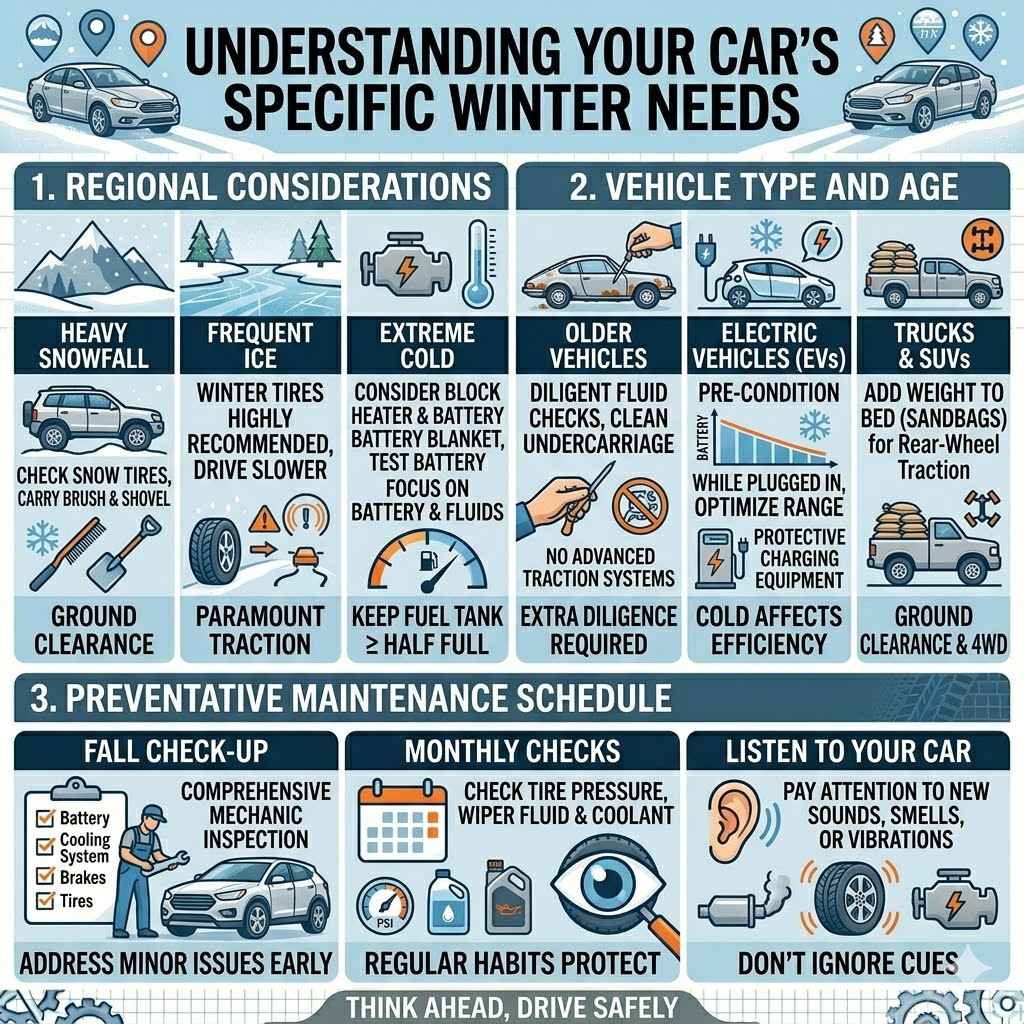
Understanding Your Car’s Specific Needs
Different cars and different regions have unique winter challenges. What works for one car or driver might need slight adjustments for another. Knowing your car’s specifics and your local conditions will help you better protect your car in freezing weather.
Regional Considerations
The severity of winter varies greatly by location. If you live in a place with mild winters, your needs might be different from someone living in an area with heavy snowfall and consistently below-freezing temperatures.
Areas with Heavy Snowfall
If you experience heavy snowfall, consider a vehicle with good ground clearance and four-wheel drive or all-wheel drive. Also, ensure your snow tires are in good condition. Keeping a sturdy snow brush and a small shovel in your car is essential, not just for clearing windows but also if you get stuck.
Areas with Frequent Ice
For regions prone to ice storms or black ice, traction is paramount. Winter tires are highly recommended. Driving slower and being extra cautious when starting, stopping, and turning is crucial.
Avoid unnecessary travel during icy periods if possible.
Areas with Extreme Cold
In extremely cold climates, the focus shifts to battery performance, fluid freezing points, and ensuring the engine can start. Consider a block heater for your engine, especially if you park outside. Make sure your battery is in top condition and consider a battery blanket.
Keeping your fuel tank at least half full is also recommended, as a full tank can help prevent condensation from forming and freezing in the fuel lines.
Vehicle Type and Age
The type and age of your vehicle can also influence its winter performance and needs. Older cars might be more susceptible to certain issues, while specific vehicle types have inherent advantages or disadvantages in snow and ice.
Older Vehicles
Older cars may have less advanced traction control systems or weaker battery components. It’s important to be extra diligent with fluid checks, battery health, and tire condition. Rust can also be a bigger concern in older vehicles, so keeping the undercarriage clean is even more vital.
Electric Vehicles (EVs)
EVs perform differently in the cold. Battery range can be reduced due to colder temperatures affecting battery efficiency and the need for cabin heating. Pre-conditioning your car while it’s still plugged in can help optimize range.
Ensure your charging equipment is protected from the elements.
Trucks and SUVs
While often offering better ground clearance and available four-wheel drive, trucks and SUVs can still struggle with traction, especially if they are rear-wheel drive and empty. Adding weight to the truck bed (like sandbags) can improve rear-wheel traction.
Preventative Maintenance Schedule
A regular maintenance schedule is your best defense against winter car problems. Addressing potential issues before they become major failures saves time, money, and stress.
Fall Check-Up
Schedule a comprehensive check-up with your mechanic in the early fall. This is the ideal time to address any minor issues before winter hits. Ask them to specifically inspect your battery, cooling system, brakes, and tires.
Monthly Checks
Make it a habit to check your tire pressure, wiper fluid levels, and coolant level at least once a month throughout winter. A quick visual inspection of your tires for any visible damage is also a good idea.
Listen to Your Car
Pay attention to any new sounds, smells, or changes in how your car is performing. Unusual noises or vibrations could be early signs of a problem that needs attention. Don’t ignore these cues.
Frequently Asked Questions
Question: How often should I check my antifreeze in winter
Answer: You should check your antifreeze level at least once a month during winter. It’s also a good idea to check it before any long trips. Make sure the engine is cool before checking the level in the reservoir.
Question: Can I use regular water in my windshield wiper fluid reservoir
Answer: No, you should never use regular water in your windshield wiper fluid reservoir during winter. Water will freeze, potentially damaging the reservoir and hoses, and rendering your wipers useless when you need them most.
Question: How do I know if my car battery needs replacing before winter
Answer: If your battery is more than three years old, or if you notice slow cranking when starting your car, it’s a good sign it might need replacing. Having it tested at an auto parts store can give you a definitive answer.
Question: Is it really necessary to buy winter tires
Answer: While not strictly necessary for all drivers, winter tires offer significantly better traction and safety in snow and ice compared to all-season tires. If you regularly drive in snowy or icy conditions, they are highly recommended.
Question: What is the most important thing to do to protect my car in freezing weather
Answer: The most important things are to ensure your car has the correct antifreeze mix, that your battery is healthy, and that your tires have good tread and proper inflation. These address the most common causes of winter breakdowns.
Summary
Protecting your car in freezing weather involves proactive steps for fluids, battery, and tires. Regular washing and waxing shield against salt damage. Keep your interior dry with all-weather mats.
A well-stocked emergency kit and safe driving habits are vital. Stay prepared for winter’s challenges.