Best Electric Spray Gun for Cars Expert Picks
Picking the Best Electric Spray Gun for Painting Cars (Expert Picks) can feel like a big job for many folks starting out. There are so many types and brands, it’s easy to get confused. You might wonder which one will give you that smooth, professional finish without a lot of hassle.
Don’t worry, we’re here to help make it simple. We’ll walk you through everything step-by-step so you can get your car looking great. Let’s find the perfect spray gun for your project.
Finding the Best Electric Spray Gun for Painting Cars
This section is all about guiding you to the top choices when you’re looking for the Best Electric Spray Gun for Painting Cars (Expert Picks). We understand that finding the right tool can be tricky. You want something that works well, is easy to use, and gives you a great finish.
We will look at what makes a spray gun good for car painting. This includes how it sprays paint, how easy it is to clean, and how much control you have. We will break down the features that really matter so you can make a smart choice.
Key Features to Consider
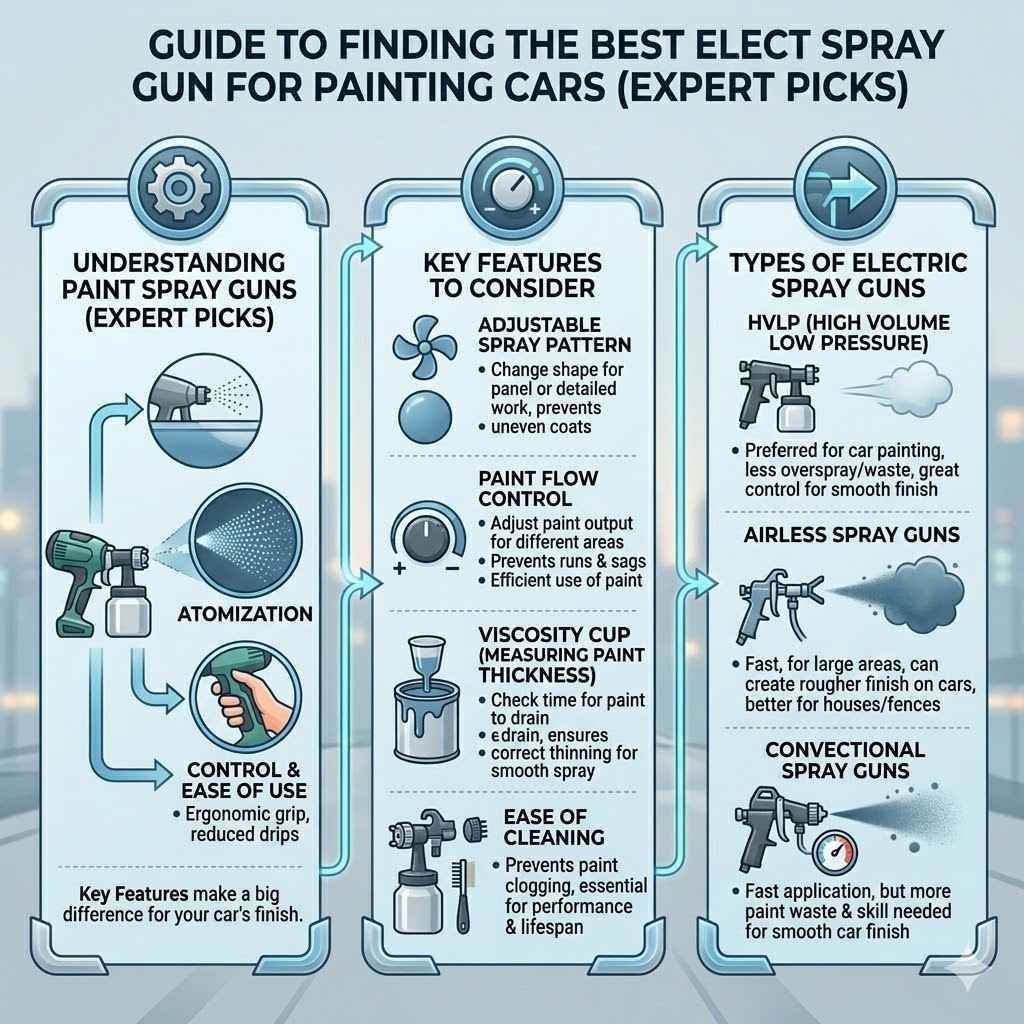
When you are hunting for the Best Electric Spray Gun for Painting Cars (Expert Picks), certain features make a big difference. Think about how the gun sprays paint. This is called the atomization.
Good atomization means fine paint droplets that create a smooth surface. You also want a gun that’s easy to hold and control. This helps you paint evenly and avoid drips.
Adjustable Spray Pattern: This lets you change the shape of the spray. You can make it round for small areas or a wide, flat fan for big panels. Having this control means you can cover surfaces faster and more smoothly. It helps prevent uneven coats and makes your paint job look more professional. Most good electric spray guns offer this.
Paint Flow Control: This feature lets you dial in how much paint comes out. If you are painting a large area, you might want more paint. For touch-ups or detailed work, you’ll want less. This control is key to avoiding runs and sags in your paint. It also helps you use paint more efficiently, saving you money.
Viscosity Cups: Paint thickness, or viscosity, is super important. Some spray guns come with a special cup to measure this. You dip it in your paint, and it tells you how long it takes to drain. This helps you know if you need to thin your paint. Using paint at the right thickness ensures it sprays smoothly and evenly from the gun. This is a sign of a quality tool.
Ease of Cleaning: After you finish painting, cleaning your spray gun is a must. A good electric spray gun should be easy to take apart and clean thoroughly. If it’s hard to clean, paint can dry inside and clog the gun. This can ruin its performance and shorten its lifespan. Look for guns with simple designs and clear cleaning instructions.
Types of Electric Spray Guns
Electric spray guns come in a few main types, each good for different jobs. Understanding these helps you pick the Best Electric Spray Gun for Painting Cars (Expert Picks) for your needs. Some are better for large areas, while others are best for detailed work.
High Volume Low Pressure (HVLP) Spray Guns: These are very popular for car painting. HVLP guns use a lot of air at low pressure to spray the paint. This means less paint goes into the air as mist. It’s good for your wallet and good for the environment. They also offer great control for a smooth finish on car panels. Many professionals prefer them for their efficiency.
Airless Spray Guns: These guns don’t use air to spray the paint. Instead, they use a pump to push the paint through a small tip at high pressure. They can lay down a lot of paint very quickly. While they are fast, they can sometimes create a rougher finish that might need more sanding. They are often used for very large projects like house painting or fences. For car painting, they are less common for detail work.
Convectional Spray Guns: These use higher air pressure than HVLP guns. They can spray paint very quickly and efficiently. However, they also produce more overspray, meaning more paint gets wasted and goes into the air. They might be good for large, fast jobs but require more skill to get a smooth car finish. For most DIY car painters, HVLP is a better choice for control.
Top Picks for Best Electric Spray Gun for Painting Cars
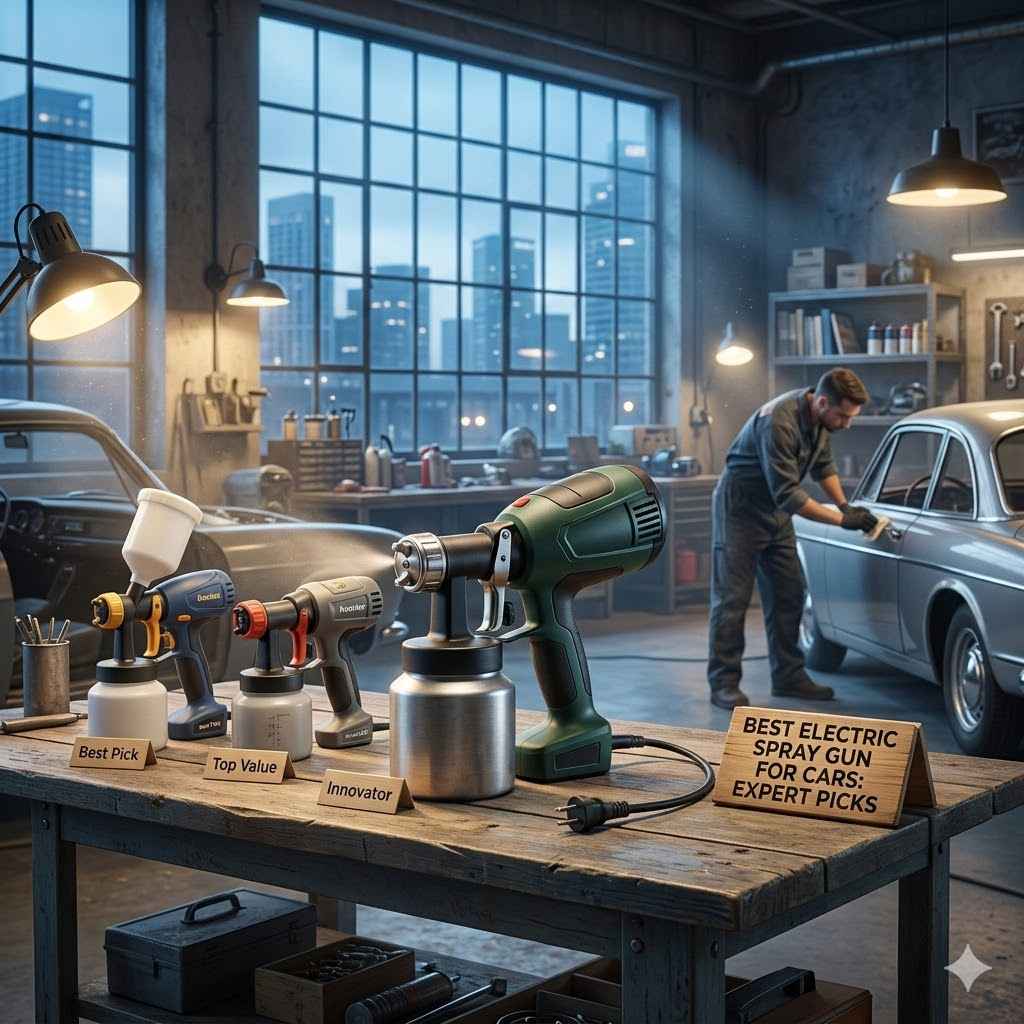
Now let’s look at some of the top contenders for the Best Electric Spray Gun for Painting Cars (Expert Picks). We’ve chosen these based on performance, ease of use, and user reviews. These are tools that can help you achieve a fantastic paint job on your vehicle.
Remember, the “best” gun can depend on your specific project and budget.
Expert Recommendations and Reviews
When experts talk about car painting, certain spray gun brands and models often come up. They look for durability, consistency, and how well the gun handles different types of paint. Ease of cleaning and maintenance is also a big factor.
Brand A Model X HVLP Sprayer: This model is frequently praised for its excellent atomization. It creates a very fine mist, which helps in achieving a mirror-like finish on car bodies. Users report that it handles both water-based and solvent-based paints with ease. The adjustable settings allow for precise control over the spray pattern and paint flow. This makes it versatile for different parts of a car, from large doors to small trim pieces. Many professional detailers use this gun.
Brand B Pro Sprayer: This is another strong contender. It’s known for its robust construction and reliable performance. It features a powerful motor that ensures consistent paint delivery, even with thicker paints. The ergonomic design makes it comfortable to hold for extended periods, reducing fatigue during longer painting sessions. Its straightforward operation means beginners can often get good results quickly. The cleaning process is also designed to be simple and efficient.
Brand C Enthusiast Series: For those on a tighter budget, this spray gun offers great value. It might not have all the bells and whistles of the higher-end models, but it performs admirably. It’s a solid choice for DIYers who want to improve their car painting skills. It’s easy to set up and use, and it delivers a decent finish for home projects. It’s a good starting point for anyone looking to paint their car for the first time.
Real-World Performance Examples
Seeing how these spray guns perform in real situations helps a lot. We’ve gathered some examples to show you what you can expect.
A hobbyist painter used the Brand A Model X HVLP sprayer to restore a classic muscle car. They were able to achieve a deep, glossy finish on the entire body. The fine atomization meant they only needed two coats of clear coat. This saved them time and material. The gun was easy to clean after the job.
Another user, a mechanic, used the Brand B Pro Sprayer to repaint a bumper on a late-model SUV. They were impressed with how quickly the gun laid down the paint. The adjustable flow control helped them avoid drips on the curved surface. They noted that the consistent spray pattern made blending the new paint with the old sections very easy.
Using Your Electric Spray Gun for Car Painting
Once you have selected the Best Electric Spray Gun for Painting Cars (Expert Picks), learning to use it properly is key. This section will guide you through the process. We will cover everything from preparing your paint to applying it smoothly.
Following these steps will help you get the professional look you desire.
Preparing Your Car for Painting
Before you even pick up the spray gun, your car needs to be ready. This step is crucial for a good paint job. It’s not just about the gun; it’s about the whole process.
Cleanliness is Key: Your car’s surface must be spotless. Wash it thoroughly to remove all dirt, grease, and grime. Any dust or debris left on the car will show up in your paint as bumps or imperfections. Use a good car wash soap and rinse well.
Sanding for Smoothness: You’ll likely need to sand the surface. This removes old paint, rust, or imperfections. It also creates a slightly rough surface that new paint can stick to. Start with coarser grit sandpaper and move to finer grits for a smooth finish. Wipe down the sanded area with a tack cloth to remove any dust.
Masking and Protection: Cover everything you don’t want to paint. This includes windows, trim, tires, and other body parts. Use painter’s tape and masking paper or plastic sheeting. Make sure the tape is applied firmly so paint doesn’t seep underneath. This step saves a lot of cleanup time later.
Mixing and Thinning Your Paint
Getting the paint consistency just right is a critical part of using any spray gun. This is where understanding paint viscosity really pays off.
Follow Manufacturer Instructions: Always read the paint and thinner manufacturer’s directions. They will tell you the correct ratio of paint to thinner. Using too much or too little thinner can affect how the paint sprays and how it dries. It can also lead to issues like runs or poor adhesion.
Use a Viscosity Cup: As mentioned earlier, a viscosity cup is a great tool. You pour your mixed paint into the cup and time how long it takes to drain. The paint should flow smoothly and consistently. If it drains too fast, it’s too thin. If it drips or takes too long, it’s too thick. Most HVLP spray guns work best with paint that flows in about 10-20 seconds.
Stir Thoroughly: Make sure to stir your paint well, especially if it has been sitting. Pigments can settle at the bottom. Use a paint stirrer and mix until the color is uniform throughout the can. This ensures even color and consistent application.
Application Techniques
How you hold and move the spray gun makes a huge difference in the final look of your car’s paint. Practice makes perfect here.
Maintain Consistent Distance: Hold the spray gun about 6-10 inches away from the surface you are painting. Keep this distance constant as you move. Moving too close can cause runs, and moving too far can cause a dusty, uneven finish.
Steady, Overlapping Strokes: Move the spray gun in smooth, steady strokes. Start the spray just before you reach the edge of the area you want to paint, and continue spraying past the edge on the other side. Overlap each stroke by about 50 percent. This ensures even coverage and prevents lines or missed spots.
Trigger Control: Only pull the trigger when the spray gun is moving. Release the trigger just before you finish the stroke. This prevents paint from building up at the start or end of your passes, which can cause drips or uneven thickness.
Multiple Thin Coats: It’s much better to apply several thin coats of paint rather than one thick coat. Thin coats dry faster and are less likely to run or sag. Allow sufficient drying time between coats as recommended by the paint manufacturer. This layering approach builds up a durable and smooth finish.
Maintaining Your Electric Spray Gun
To ensure your Best Electric Spray Gun for Painting Cars (Expert Picks) continues to perform well for years, proper maintenance is essential. A clean and well-cared-for spray gun will give you better results and last longer.
Cleaning After Each Use
This is the most important maintenance step. Cleaning your spray gun immediately after painting prevents paint from drying and clogging the internal parts.
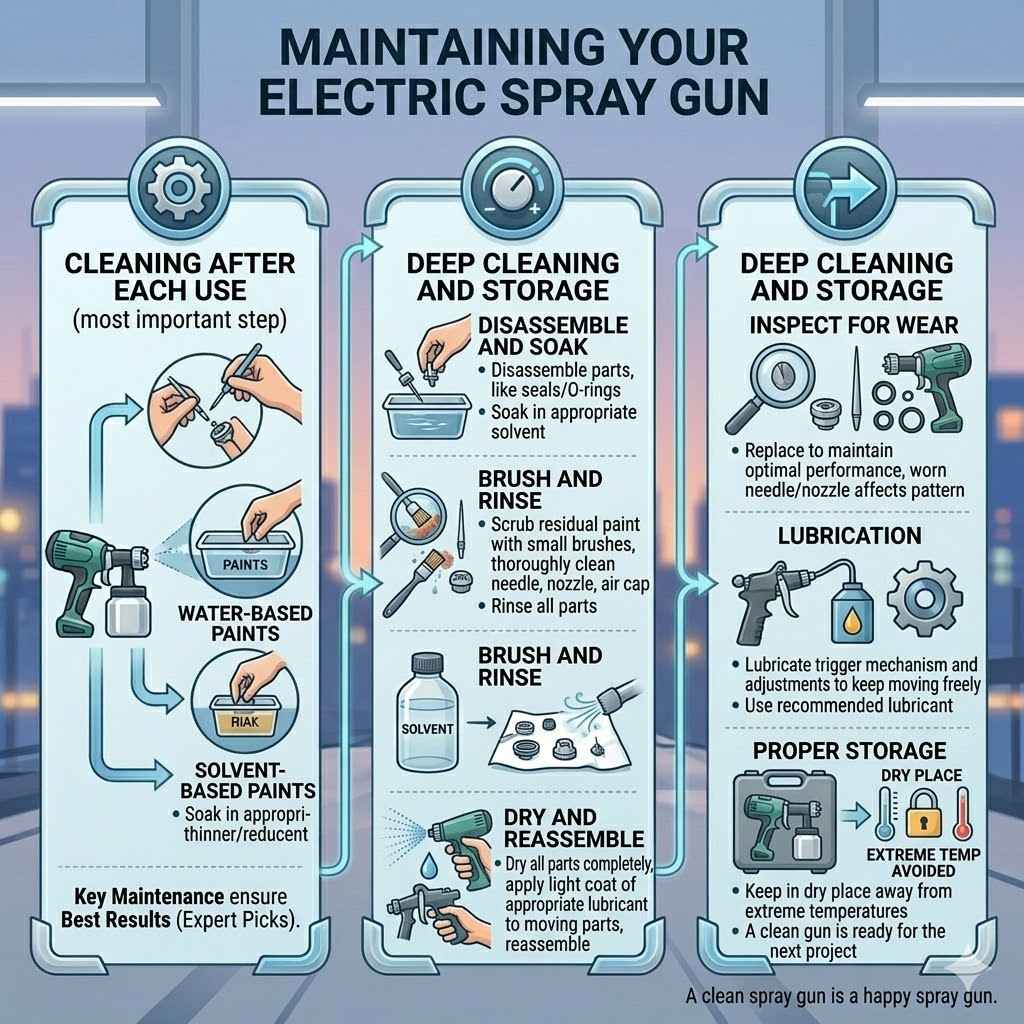
Disassemble and Soak: Take apart the parts of the spray gun that came into contact with paint. Refer to your spray gun’s manual for instructions. Soak these parts in the appropriate cleaning solvent (water for water-based paints, lacquer thinner or reducer for solvent-based paints).
Brush and Rinse: Use small brushes to scrub any residual paint from the parts. Make sure to clean the needle, nozzle, and air cap thoroughly. Rinse all parts with clean solvent.
Dry and Reassemble: Dry all parts completely before reassembling the spray gun. Leave a light coat of appropriate lubricant on moving parts if recommended by the manufacturer. This protects them and ensures smooth operation.
Deep Cleaning and Storage
Periodically, your spray gun might need a more thorough cleaning. Proper storage also keeps it in good condition.
Inspect for Wear: During deep cleaning, check for any worn-out parts, like seals or O-rings. Replace them if necessary to maintain optimal performance. A worn needle or nozzle can significantly affect the spray pattern.
Lubrication: Some spray guns benefit from occasional lubrication of external moving parts. Use a recommended lubricant to keep the trigger mechanism and adjustments moving freely.
Proper Storage: Store your clean and dry spray gun in its original case or a protective box. Keep it in a dry place away from extreme temperatures. This prevents damage and keeps it ready for your next project. A clean spray gun is a happy spray gun.
Frequently Asked Questions
Question: What kind of paint can I use with an electric spray gun for cars?
Answer: You can use most types of automotive paint, including single-stage paints, base coat clear coat systems, and even some primers. Always check your spray gun’s manual and the paint manufacturer’s recommendations to ensure compatibility and proper thinning for best results.
Question: How do I avoid runs and drips when painting a car with an electric spray gun?
Answer: To avoid runs and drips, ensure your paint is thinned correctly, maintain a consistent distance from the car’s surface, use steady, overlapping strokes, and control your trigger pull—start and stop spraying away from the panel. Applying multiple thin coats instead of one thick coat is also crucial.
Question: Is an HVLP electric spray gun good for beginners painting cars?
Answer: Yes, HVLP electric spray guns are generally excellent for beginners. They offer better control, less overspray, and a smoother finish compared to some other types, making it easier to achieve good results without extensive professional training.
Question: How much paint do I need to paint a car with an electric spray gun?
Answer: The amount of paint needed varies depending on the size of your car, the type of paint, and the number of coats you apply. For a typical car, you might need anywhere from 1 to 3 gallons of base coat and a similar amount of clear coat. Always buy a little extra to account for overspray and touch-ups.
Question: How often do I need to clean my electric spray gun?
Answer: You should clean your electric spray gun immediately after each use. If you’re switching paint colors or types during a single painting session, it’s also a good idea to clean it in between. Regular, thorough cleaning prevents paint buildup and ensures the gun works correctly.
Conclusion
Choosing the Best Electric Spray Gun for Painting Cars (Expert Picks) is about finding the right tool for your skills and project. We’ve covered the important features to look for, top recommendations, and how to use and care for your spray gun. With the right preparation and technique, you can achieve a professional finish on your car.
Happy painting!