What Sound Does Car Make When Out of Gas: Signs You Must Know
Have you ever been driving when suddenly your car starts making strange noises? One common cause could be running out of gas.
But what sound does a car make when it’s out of gas? Knowing this can save you from unexpected breakdowns and frustration on the road. You’ll discover the clear signs your car gives when it’s running empty. By the end, you’ll feel confident spotting these sounds early and avoiding being stranded.
Keep reading to learn exactly what to listen for and how to handle the situation like a pro.
Common Car Sounds When Fuel Runs Low
Cars make different sounds when fuel runs low. These sounds warn drivers that the gas tank is nearly empty. Knowing these sounds helps avoid getting stranded. Listening carefully can prevent engine damage and costly repairs.
Sputtering And Stalling Noises
Sputtering is a common sound when fuel gets low. It sounds like the engine is coughing or choking. The car may lose power and feel jerky. Stalling happens when the engine stops running suddenly. This can occur while driving or at a stop.
Engine Misfire Sounds
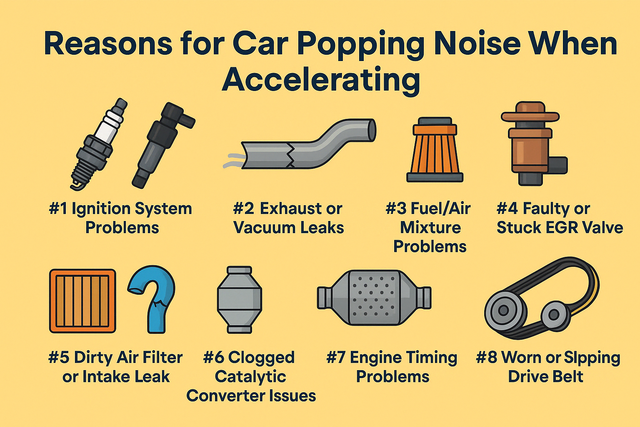
An engine misfire sounds like popping or knocking. It happens when fuel does not burn properly in the engine. This causes rough running and less power. The sound may increase as the fuel level drops.
Hissing Or Whistling Sounds
Hissing or whistling sounds can come from the fuel system. This happens when air enters the fuel lines. The noise may grow louder as the tank empties. These sounds signal a problem with fuel delivery.

Why These Sounds Occur
When a car runs out of gas, it often makes unusual noises. These sounds happen because the engine and fuel system face stress. Understanding why these noises occur helps identify fuel problems early.
Fuel Pump Strain
The fuel pump works hard to send gas to the engine. Without enough fuel, the pump struggles. This strain causes a loud whining or buzzing sound. The pump tries to pull fuel but finds only air.
Air Entering Fuel Lines
Fuel lines need liquid gas to work properly. When the tank is empty, air enters the lines. This air causes sputtering or popping noises. The engine cannot burn air, so it sounds rough.
Engine Combustion Issues
The engine burns fuel to create power. Without gas, combustion is weak or stops. This leads to knocking or stalling sounds. The engine struggles to keep running without fuel.
Other Warning Signs Of Low Fuel
Running out of gas is not the only sign your car needs fuel. Several other warnings appear before your car stops. Knowing these signs helps avoid getting stranded on the road. Watch closely for changes in your car and dashboard alerts.
Dashboard Fuel Gauge Behavior
The fuel gauge shows how much gas is left. It moves slowly toward empty as fuel runs low. Sometimes, it may jump or stay stuck, signaling a problem. Pay attention to sudden drops or unusual movements on the gauge.
Car Performance Changes
Low fuel can affect how your car drives. The engine may sputter or hesitate during acceleration. You might hear strange noises or feel vibrations. These changes mean the engine is not getting enough fuel to run smoothly.
Dashboard Warning Lights
The fuel warning light turns on when gas is low. It usually looks like a gas pump symbol. This light comes on well before the tank is empty. Ignoring it increases the risk of stalling on the road.
Risks Of Running Out Of Gas
Running out of gas can cause serious problems for your car and your safety. It is not just an inconvenience but can lead to costly repairs and dangerous situations. Knowing the risks helps you avoid trouble on the road.
Engine Damage Potential
The engine needs a steady fuel supply to run smoothly. When gas runs out, the engine may sputter or stall. This sudden stop can cause parts inside the engine to wear out faster. Repeatedly running out of gas can damage the engine permanently.
Fuel System Wear
The fuel pump relies on gasoline for lubrication and cooling. Without fuel, the pump can overheat and fail. Dirt and debris from the empty tank may enter the fuel system. This can clog filters and injectors, causing poor engine performance.
Safety Concerns On The Road
Stopping unexpectedly in traffic is dangerous. Other drivers may not expect a stopped car and could crash. Running out of gas on highways or busy streets increases accident risk. Walking to get fuel can also put you in unsafe situations.
Preventing Fuel-related Car Issues
Running out of gas can cause strange noises and car problems. Many of these problems happen because the engine does not get enough fuel. Preventing fuel-related issues helps keep your car running smoothly. It also avoids the stress of sudden stops or costly repairs. Simple habits can make a big difference in your car’s health.
Here are some easy tips to prevent fuel problems and keep your car safe on the road.
Regular Fuel Level Checks
Check your fuel gauge often. Do not wait until the tank is almost empty. Low fuel levels can cause the engine to sputter or make strange noises. These sounds happen because the fuel pump struggles to pull fuel. Keeping a good fuel level helps the fuel pump work well. It also avoids dust or dirt entering the fuel system.
Refueling Tips
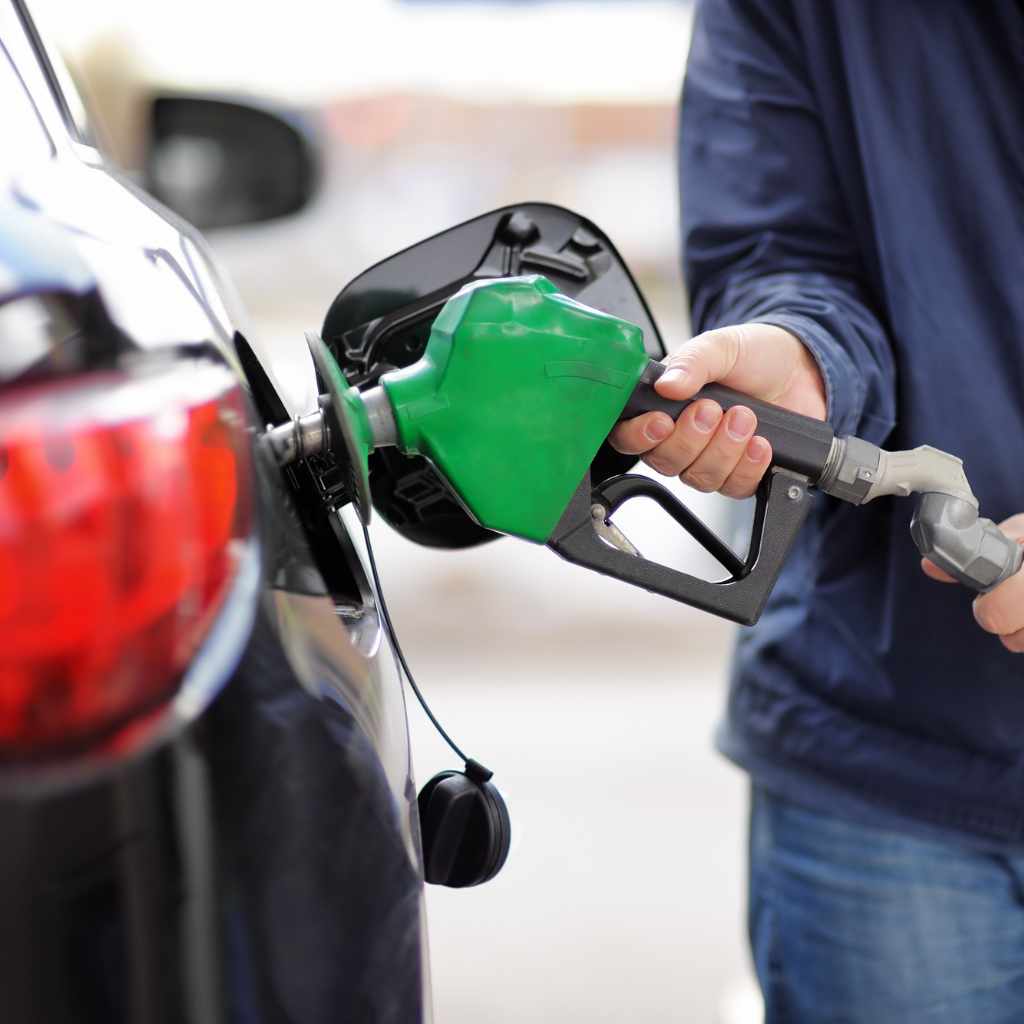
Fill your tank before it gets too low. Stop at trusted fuel stations. Avoid topping off the tank after the pump stops. Overfilling can damage the fuel system. Fill slowly to prevent spills. Spilled fuel can harm your car and the environment. Refuel in a safe place with good lighting. This way, you can check for leaks or problems early.
Using Quality Fuel
Choose good quality fuel for your car. Cheap fuel may contain impurities that harm your engine. Poor fuel can cause knocking sounds or poor performance. Use the fuel grade recommended by your car’s manual. High-quality fuel keeps the engine clean and running well. This helps avoid strange noises and fuel system damage.
What To Do If Your Car Runs Out Of Gas
Running out of gas can be stressful. Knowing what to do helps keep you safe and calm. Acting quickly and carefully is important. Follow these steps to handle the situation smoothly.
Safely Pulling Over
Slow down and turn on your hazard lights. Find a safe spot away from traffic. Use the shoulder or a parking lot if possible. Avoid stopping on curves or hills. Stay inside the car if the area feels unsafe.
Getting Emergency Fuel
Call a roadside assistance service for help. Ask a friend or family member to bring gas. Carry a small, approved gas container in your car. Walk carefully to the nearest gas station if safe. Never carry gas in open containers or plastic bags.
Restarting The Engine
Pour the fuel into the tank slowly. Avoid overfilling the tank. Close the gas cap tightly to prevent leaks. Try starting the engine after a few minutes. If the car doesn’t start, check for other issues or call for help.
Frequently Asked Questions
What Sound Does A Car Make When Out Of Gas?
When a car runs out of gas, it often sputters or stutters. You may hear a chugging or coughing noise. The engine struggles due to fuel starvation. This sound signals that the fuel supply is insufficient for combustion.
Why Does My Car Make A Knocking Sound When Empty?
A knocking sound occurs because the engine misfires without enough fuel. The fuel pump struggles, causing inconsistent pressure. This leads to incomplete combustion and knocking noises. It indicates the fuel system is compromised due to low or no gas.
Can Running Out Of Gas Damage The Car Engine?
Yes, running out of gas can harm the engine. It may cause overheating or damage the fuel pump. Sediment in the tank can clog fuel filters. This can lead to costly repairs if ignored. Always refill before the tank is empty.
How To Prevent Your Car From Making Noises Out Of Gas?
Keep your fuel tank at least a quarter full. Regularly check the fuel gauge to avoid running dry. Schedule routine maintenance for the fuel system. This prevents sputtering noises and engine damage. Being proactive saves money and hassle.
Conclusion
A car makes a sputtering or coughing sound when out of gas. The engine may stall or stop running suddenly. These noises warn you to refill the tank soon. Ignoring them can leave you stranded on the road. Paying attention to these sounds helps avoid trouble.
Always keep an eye on your fuel gauge. Running out of gas causes avoidable stress and delays. Stay prepared and refuel before the tank gets empty. Your car will run smoothly and safely with enough fuel.